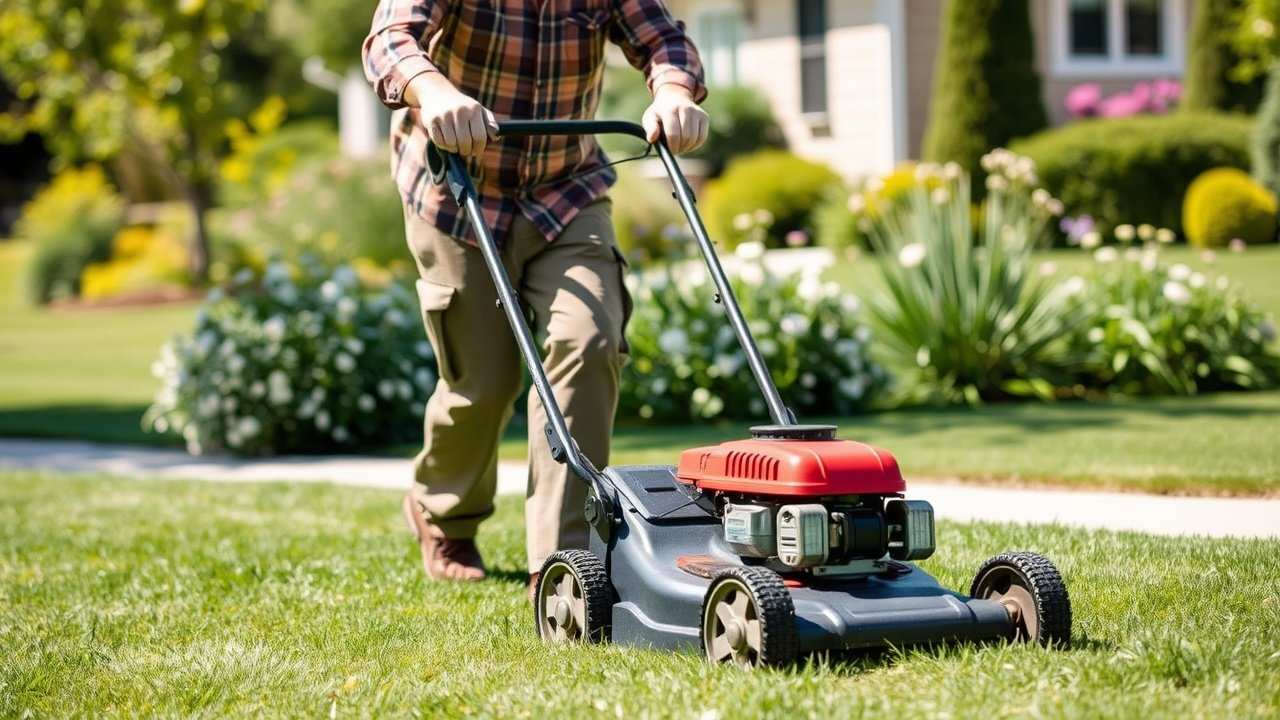

Picture this. It is a beautiful, sunny Saturday morning. The birds are singing, and you have a whole list of fun things you want to do. But then you look out the window and notice the grass is looking more like a wild jungle than a neat yard. Suddenly, your dreams of relaxing melt away because you know you have to spend the next few hours pushing a heavy machine around.
It makes you wonder, doesn’t it. Why do we spend so much of our precious free time chasing the perfect green carpet. For many homeowners, the weekly chore of cutting the grass has become a major source of stress. It is a constant battle between saving a few bucks and reclaiming your weekend freedom. Let’s look at what it really costs you to handle your own yard work versus handing the job over to someone else.
The Hidden Clock: Where Your Weekends Actually Go
When you think about cutting the grass, you might just think about the actual time spent pushing the mower. But it is always more than that, isn’t it? You have to get the equipment out, fill it up with gas, do the actual work, edge the borders, and then clean up all the stray clippings. Before you know it, a task you thought would take a few minutes has completely eaten up your morning.
Data shows that the average homeowner spends roughly 70 hours every single year just keeping their grass under control. If you have a typical quarter-acre yard, a standard DIY session can easily consume 60 to 90 minutes. When you multiply that across the long growing season of 2026, you are looking at days of your life spent behind a handlebar. It makes a person stop and think about what else they could be doing with those hours, like hanging out with family or just sleeping in.
The True Price Tag of the DIY Route
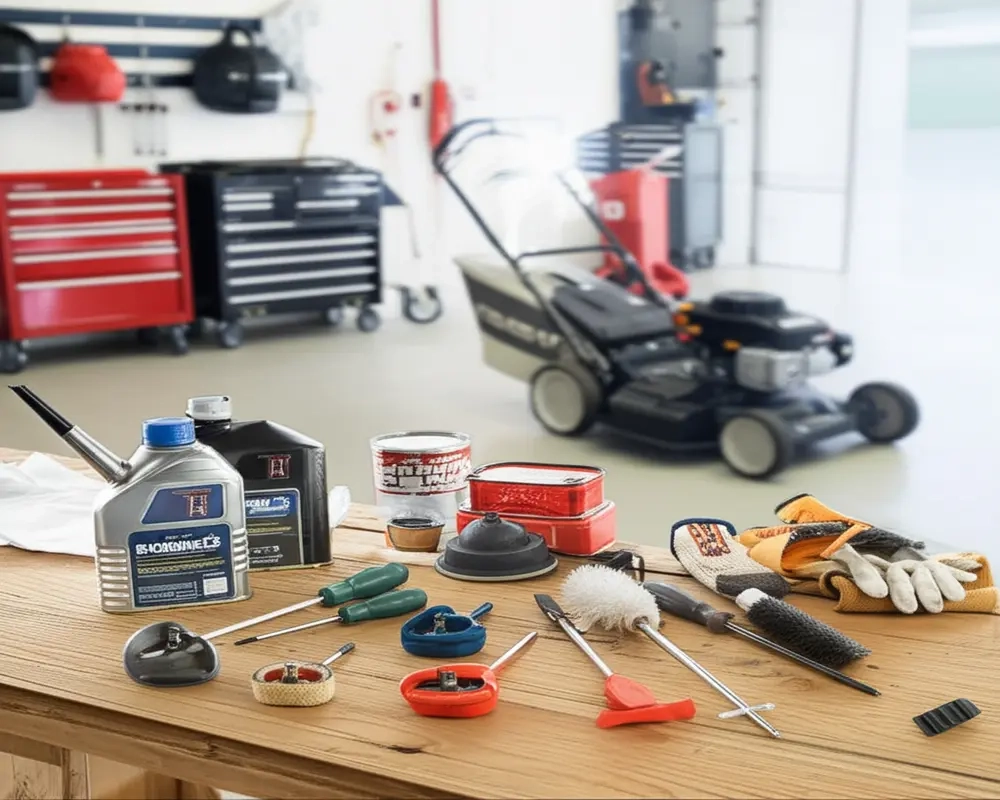
A lot of people choose to handle their own yard work because they believe it saves them a ton of money. Upfront, buying a basic mower seems like a one-time purchase that pays for itself quickly. But the hidden expenses of maintaining your own gear tend to sneak up on you over time. Fuel costs, replacement blades, oil changes, and occasional professional tune-ups all add up.
If your machine breaks down completely, you are looking at a sudden expense of hundreds of dollars to fix or replace it. There is also the cost of fertilizers, weed killers, and storage space in your garage to think about. When you lay all these numbers out on the table, the DIY path is rarely as cheap as it looks at first glance.
The Professional Advantage: Speed and Gear
This is where the professionals come into play, and their efficiency is almost unfair. While you might spend an hour and a half sweating on your lawn, a commercial crew can roll up and finish the entire job in 15 to 20 minutes. They have high-end commercial machines that move fast and cut perfectly on the first pass.
Hiring a service basically consolidates all your separate expenses—fuel, maintenance, and tool purchases—into a single, predictable monthly fee. You don’t have to worry about scheduling or checking the weather forecast anymore. The crew just shows up, does the job, and leaves you with a pristine yard without you lifting a finger.
Balancing the Budget Across Generations
It is fascinating to see how different people handle this choice depending on their age and budget. Recent survey findings show that millennials are spending a surprising amount on professional upkeep, averaging around $701 during peak months. They tend to prioritize their free time heavily and are willing to pay a premium to protect their weekends.
On the other side of things, Baby Boomers usually keep their monthly yard expenses much lower, often under $500. Some of this comes down to having more open schedules or simply enjoying the physical activity. In fact, a quarter of people say that tending to their own yard actually makes them happy. If it is a hobby you love, then the time investment feels completely different.
The Opportunity Cost Equation
From a strict financial standpoint, economists love to talk about opportunity cost, which is what you give up when you choose one option over another. If you are a salaried worker who earns a good hourly wage during the week, your weekend time technically doesn’t have a dollar value because you aren’t working. In that specific view, doing it yourself costs zero dollars because you are just giving up unpaid free time.
But life isn’t lived on an economic spreadsheet, is it? The true value of your free time is personal. If working on your yard leaves you feeling exhausted, sore, or resentful, then the emotional cost is incredibly high. If outsourcing the work lets you rest and return to your actual job feeling refreshed, that is a massive win for your overall well-being.
So, how do you decideing which path to take for your own property. It mostly