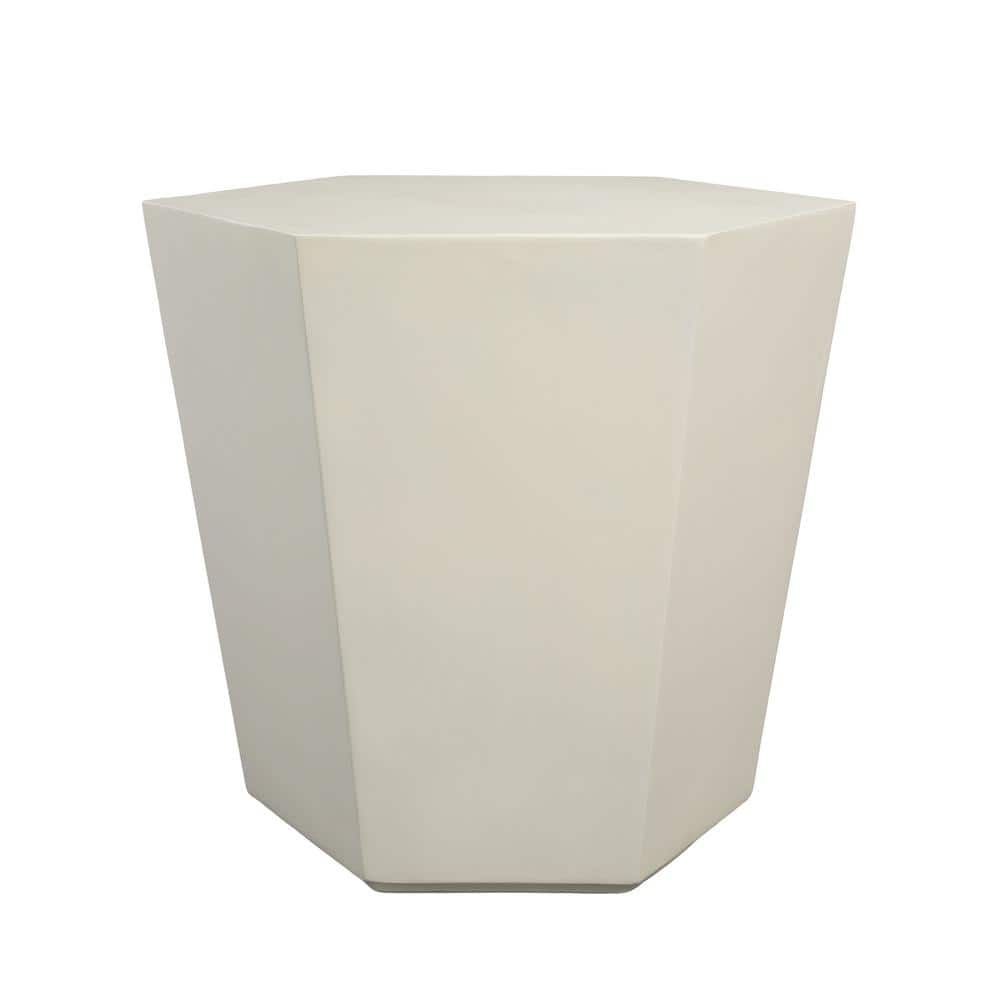
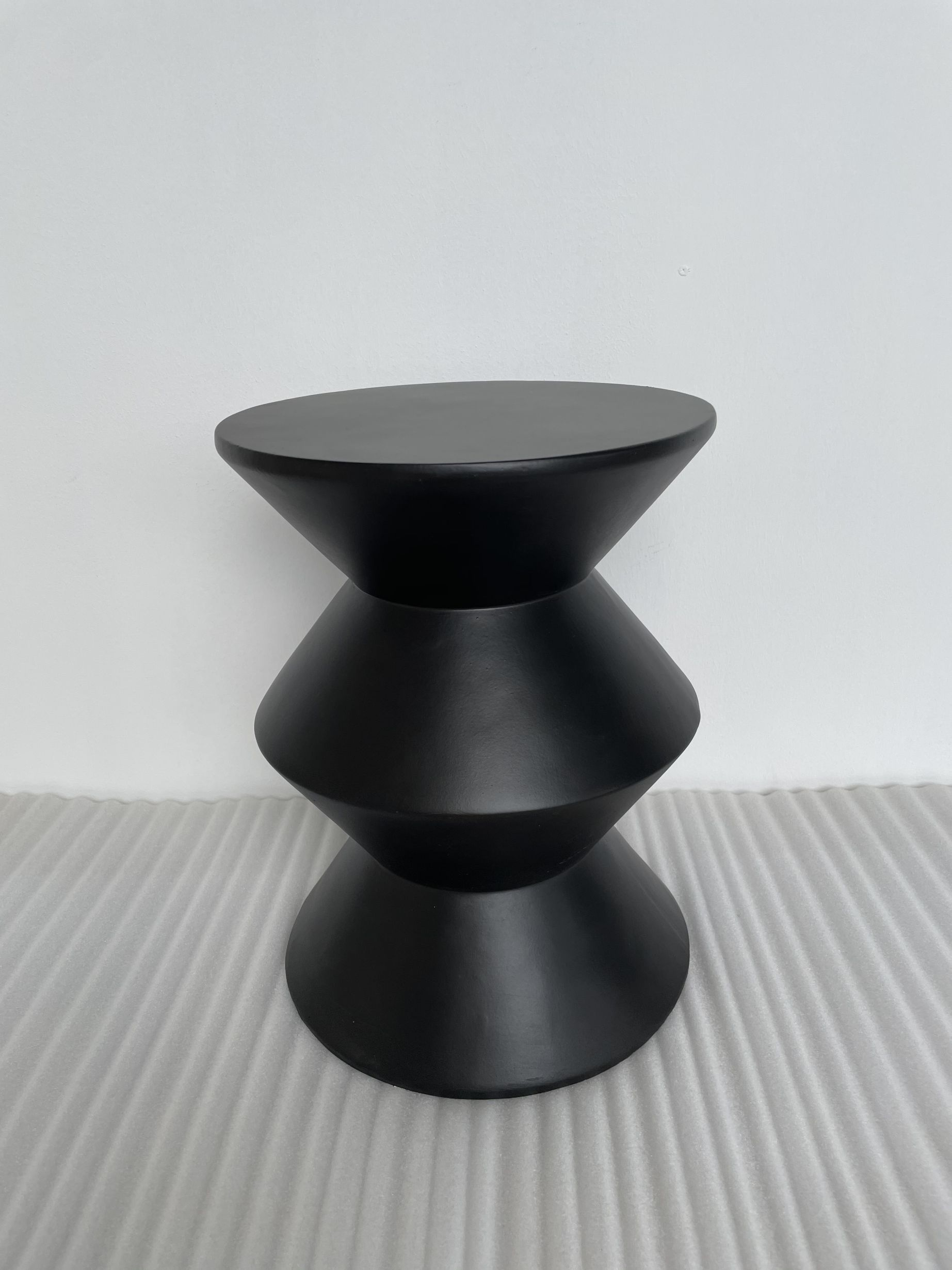
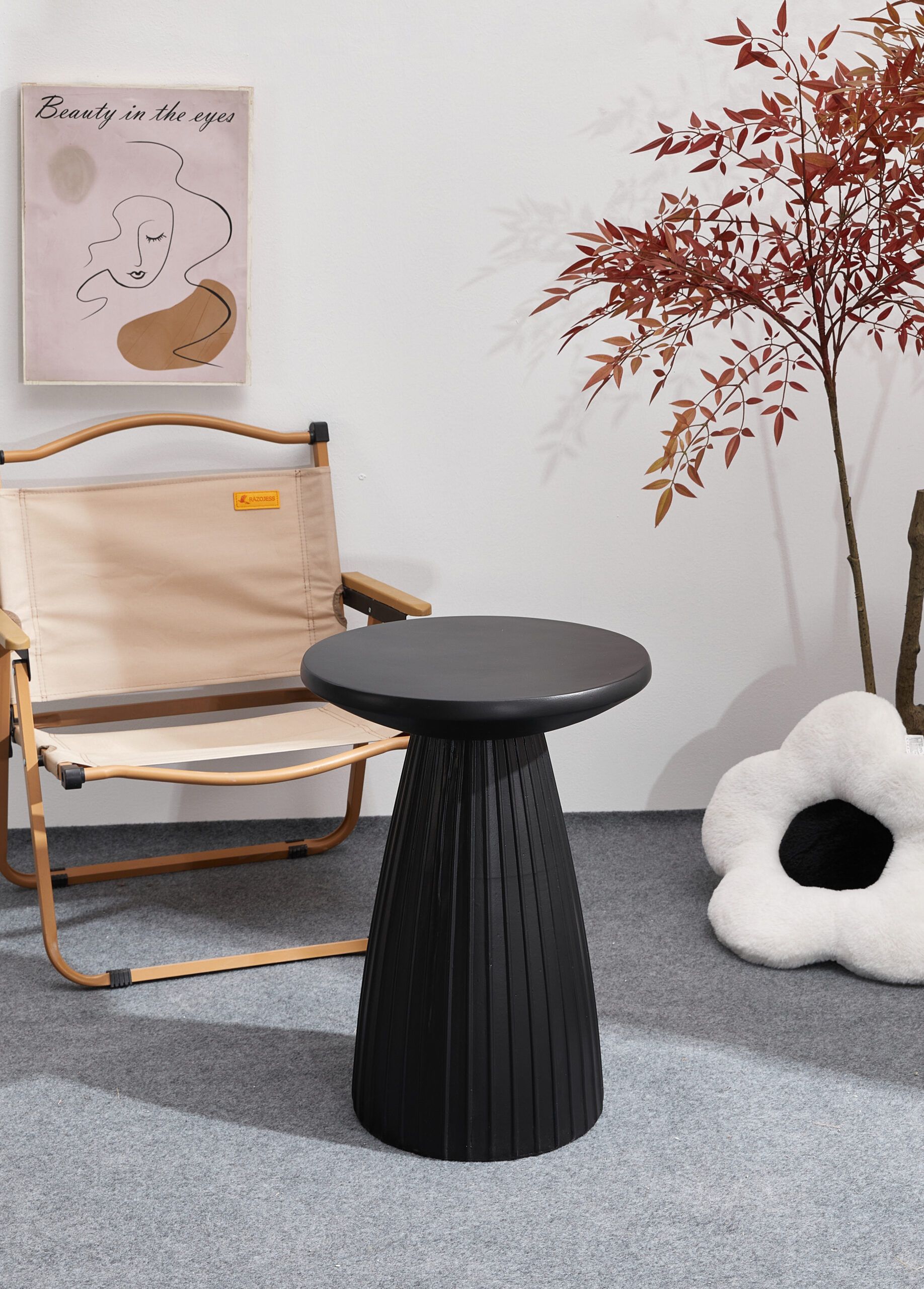
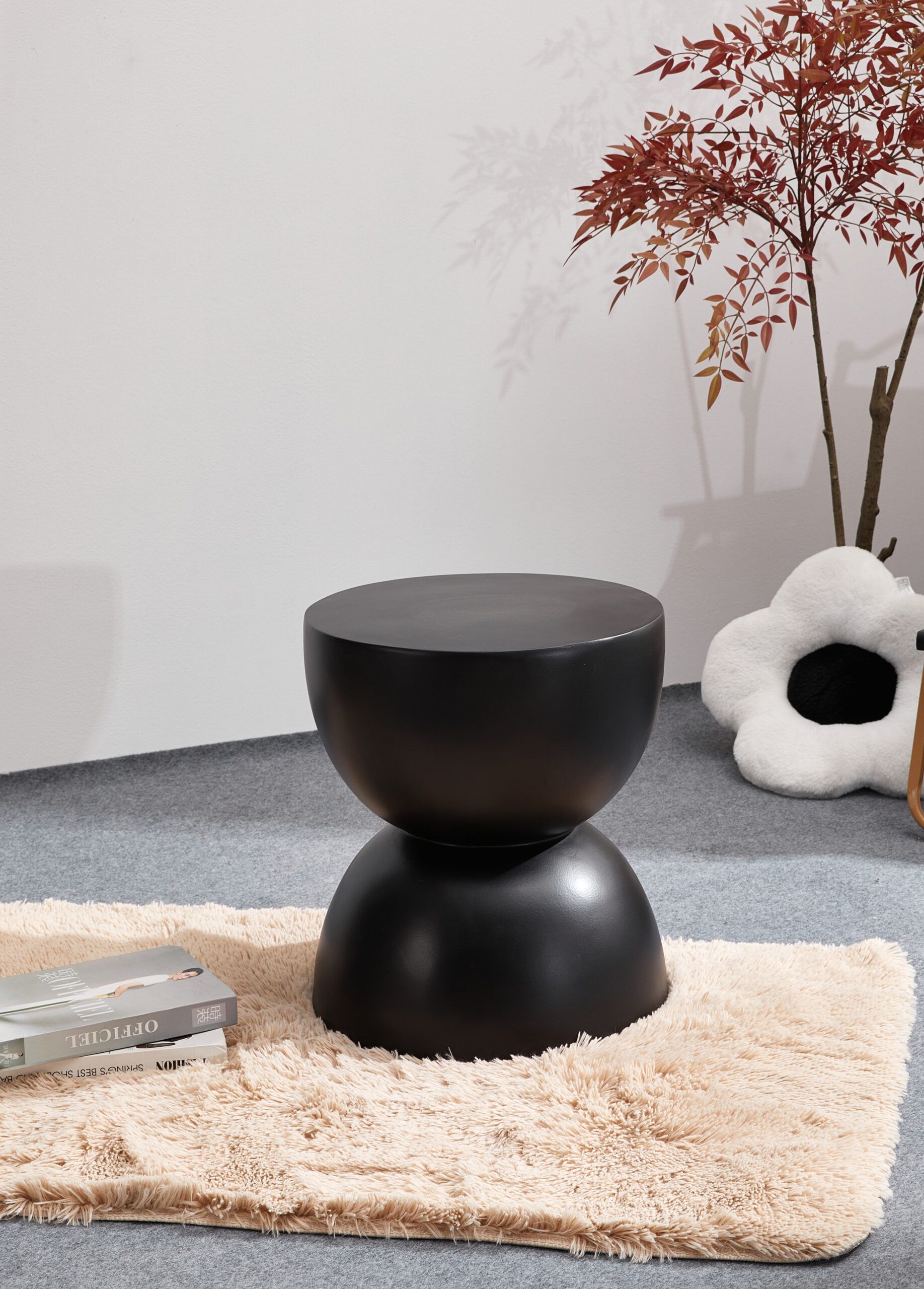
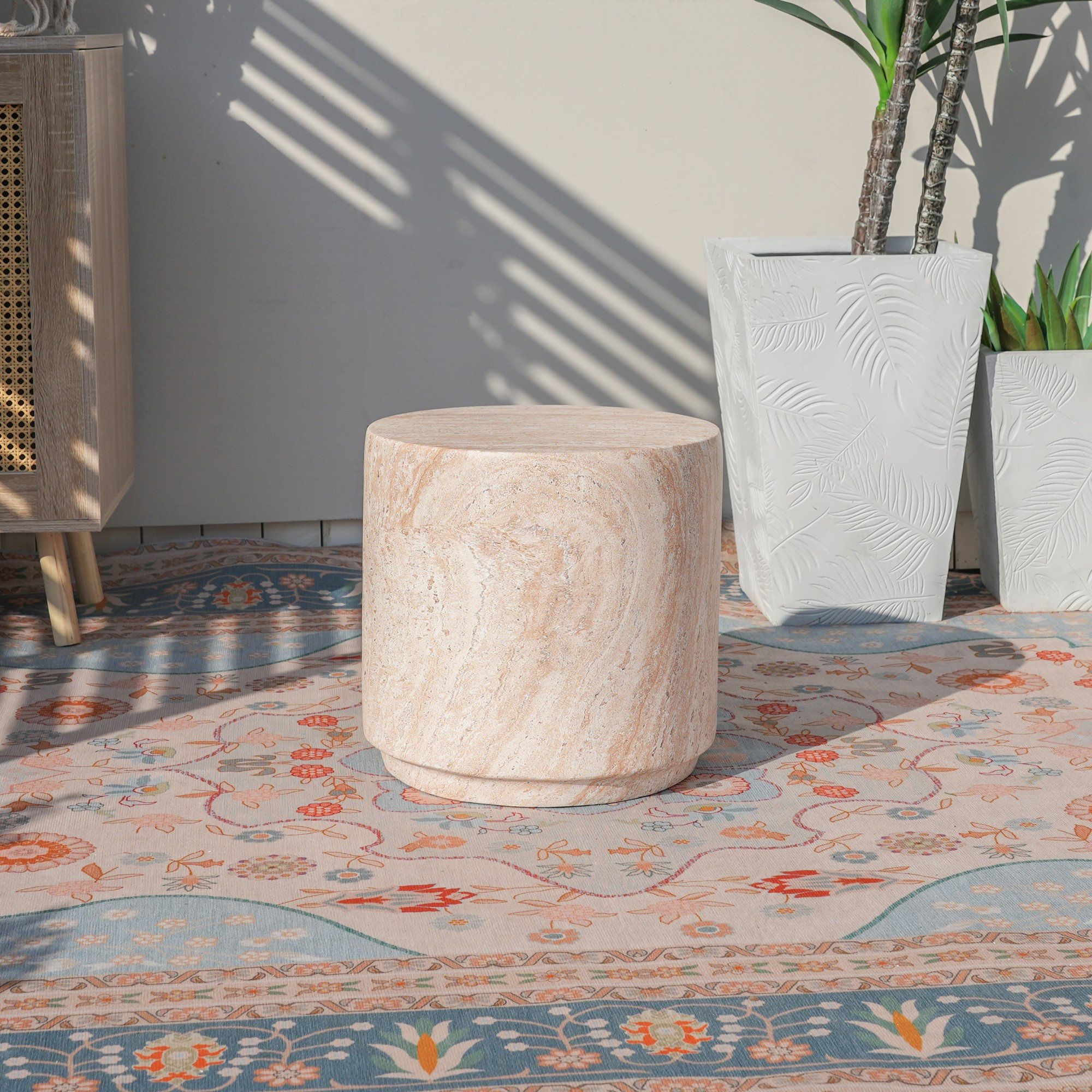
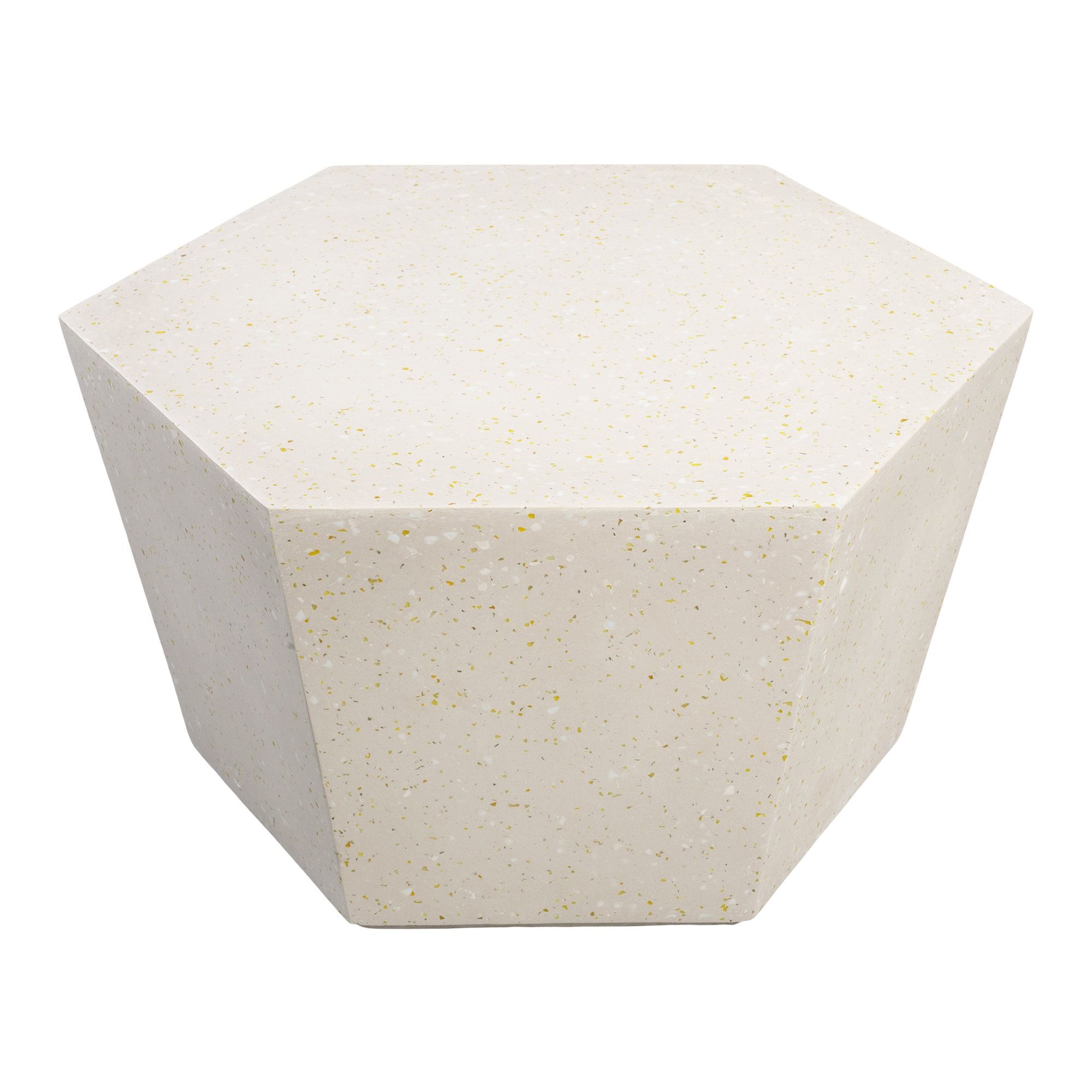
Hey everyone, it’s your friendly neighborhood furniture fanatic here, and today we’re diving headfirst into the world of cream magnesium oxide side tables. These tables are such a fantastic addition to any space – they’re chic, modern, and oh-so-versatile. But, like any loved piece of furniture, they need a little TLC to stay looking their best. I’ve had mine for a few years now, and I’ve learned a thing or two about keeping them sparkling. Let’s get into it, shall we?
So, you’ve got yourself a beautiful cream magnesium oxide side table. Smart choice! They’re a design statement. But, before you set your coffee mug down and call it a day, let’s talk about how to properly care for it. Magnesium oxide, or MgO, is a durable material, but it’s not invincible. It can stain, scratch, and generally show the wear and tear of daily life if you don’t give it the right kind of attention. This guide will walk you through everything you need to know, from everyday cleaning to tackling those trickier issues, ensuring your side table remains a focal point for years to come. Ready to get started?
Understanding Magnesium Oxide: The Basics
Firstly, let’s get a little bit scientific. Magnesium oxide is a compound that’s often used in building materials because it’s fire-resistant and pretty tough. On a side table, this means it’s less likely to get damaged easily, which is great news. However, the cream finish, while lovely, can be a bit more prone to showing marks than some other materials. It’s also porous to a degree, meaning it can absorb spills if you’re not careful. Knowing this helps us understand why certain cleaning methods work better than others. Consider it a crash course in your table’s personality so you know how to best take care of it. And, this is a big plus, MgO is pretty eco-friendly, which is always something to celebrate and appreciate and important to many of us.
Daily Cleaning: Keeping it Simple
The best way to keep your side table looking fantastic is with regular, gentle cleaning. Here’s the game plan:
- Dusting Regularly: Use a soft, dry cloth (microfiber is perfect) to dust your table at least a couple of times a week. This prevents dust and dirt from building up and potentially scratching the surface. Think of it like brushing your teeth – a little maintenance goes a long way.
- Wiping Up Spills Immediately: This is crucial. The longer a spill sits, the more likely it is to stain. If you see a spill, grab a clean, damp cloth (again, microfiber is your friend) and gently blot the area. Avoid rubbing, as this can spread the spill and make it worse.
- Using Mild Soap and Water (Occasionally): For a more thorough cleaning, mix a small amount of mild dish soap with warm water. Dip your cloth in the soapy water, wring it out well (you don’t want it dripping!), and gently wipe the surface. Rinse the cloth with clean water and wipe again to remove any soap residue. Follow up with a dry cloth to prevent watermarks. And don’t use harsh chemicals. Ever.
Tackling Stains and Marks: Your Stain-Fighting Arsenal
Okay, so spills happen. Don’t panic! Here’s how to deal with some common stains and marks:
- Water Rings: These are common, especially on cream-colored surfaces. Try gently wiping the area with a damp cloth, then dry it thoroughly. For more stubborn rings, a paste of baking soda and water can sometimes do the trick. Apply the paste, let it sit for a few minutes, and then gently wipe it away.
- Ink Stains: Act fast! Blot the stain with a clean cloth. You might try a little bit of rubbing alcohol on a cotton swab. Test it in a hidden area first to make sure it doesn’t damage the finish. Be incredibly careful with this one and use it sparingly.
- Grease and Oil: These can be tricky. Try using a degreasing dish soap, diluted in water, and gently blotting the area. Avoid scrubbing, which can spread the grease. You may want to ask a professional if it’s a large spill or one you’re unsure how to handle. And don’t be afraid to do so.
- Scratches: Small scratches can often be minimized by gently buffing the area with a soft cloth. For deeper scratches, you might need to consult a professional furniture repair specialist.
Protecting Your Table: Preventative Measures
Prevention is always better than cure. Here’s how to protect your cream magnesium oxide side table and extend its life:
- Use Coasters and Placemats: This seems like a no-brainer, but it’s a must. Always use coasters under drinks and placemats under hot dishes. This protects the surface from water rings, heat damage, and potential spills.
- Avoid Direct Sunlight: Prolonged exposure to direct sunlight can cause the cream finish to fade or discolor over time. If your table is in a sunny spot, consider using curtains or blinds to filter the light.
- Be Mindful of Sharp Objects: Avoid placing sharp objects, like keys or metal toys, directly on the table’s surface. These can easily scratch the finish. Use a tray or a decorative bowl to keep such items contained.
- Consider a Protective Sealant: You could apply a clear sealant specifically designed for MgO. This can help to repel spills and make cleaning easier. However, make sure you do some research and choose a sealant that’s compatible with the finish of your table. Test it in an inconspicuous area first to ensure it doesn’t change the color or texture. And, make sure you follow all safety instructions.
What to Avoid: No-Nos for Cream MgO
Certain cleaning products and techniques can damage your cream magnesium oxide side table. Here’s what to steer clear of:
- Abrasive Cleaners: Avoid harsh abrasive cleaners, scouring pads, and steel wool. These will scratch the surface.
- Chemicals: Stay away from harsh chemicals, solvents, and bleach. These can damage the finish and potentially discolor the table.
- Excessive Water: While a damp cloth is fine, avoid using too much water, as it can seep into the material and cause damage.
- Rubbing Too Hard: This can spread stains and cause scratches. Always blot gently.
- Leaving Spills Unattended: As we’ve said before, act quickly to prevent stains from setting in.
When to Call in the Pros
Sometimes, despite our best efforts, a situation calls for professional help. Here are some instances where you might want to consider consulting a furniture repair specialist:
- Severe Stains: If you’ve tried everything and the stain just won’t budge, it’s time to call in the experts.
- Deep Scratches: Large or deep scratches may require professional repair.
- Major Damage: If your table has suffered significant damage, such as cracks or chips, a professional can assess the situation and recommend the best course of action.
- For Peace of Mind: Sometimes, it’s just worth it to have a professional take a look, especially if you’re unsure about how to proceed. There’s no shame in asking for help; it’s a smart move.
So, there you have it – a complete guide to caring for your cream magnesium oxide side table. Remember, with a little bit of care and attention, you can keep your table looking beautiful for years to come. The key is consistent cleaning, preventative measures, and knowing when to seek professional help. Enjoy your stunning side table and the stylish space it creates. Now, go forth and keep those tables sparkling. You’ve got this. And remember, a little bit of effort today will save you headaches tomorrow. Happy cleaning, and happy decorating. I hope these tips were useful! Remember, keeping your furniture in great shape is a form of self-care and a reflection of your love for your home. And, don’t be afraid to experiment and find what works best for you. Every home is unique, and so are you.