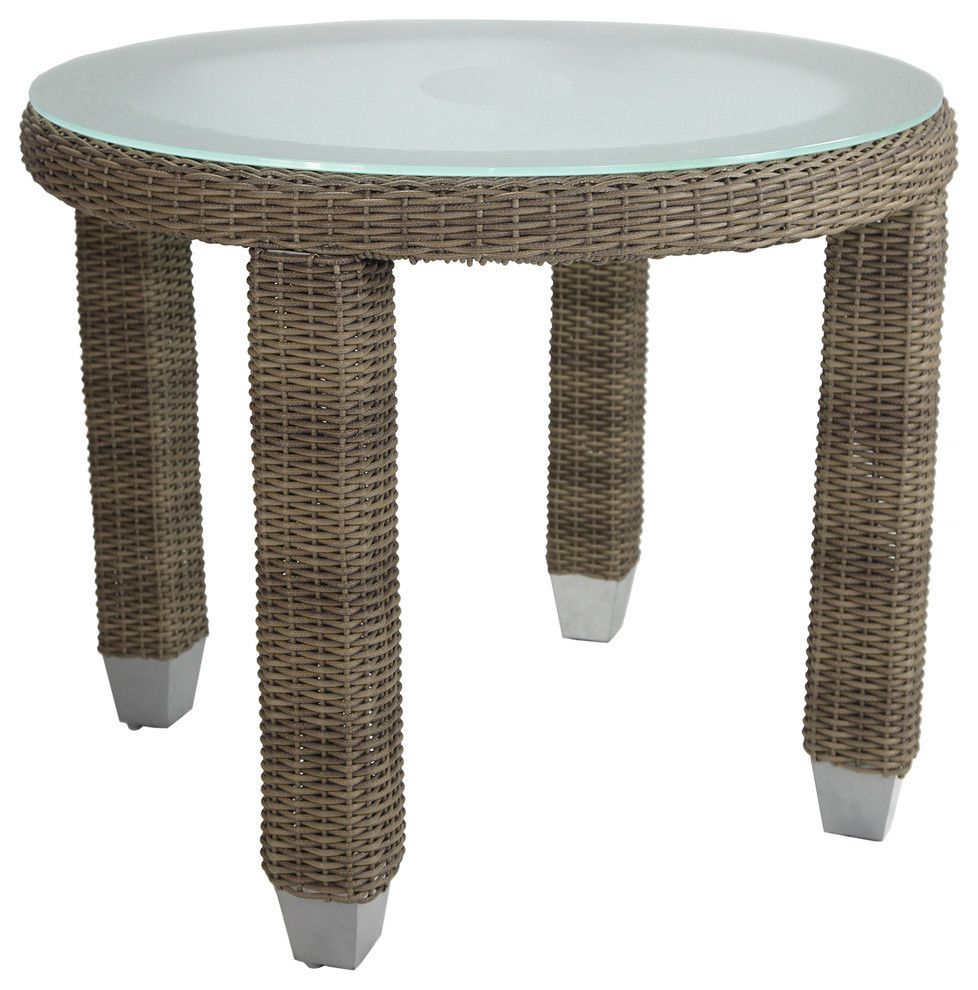
Choosing the right accent table can feel like a puzzle, can’t it? Particularly when it comes to those elegant ellipse shapes. But don’t worry, it doesn’t have to be a challenge. Understanding proportion – that beautiful, subtle dance between size and space – is your secret weapon. This guide breaks down how to make the perfect choice, ensuring your ellipse accent table enhances, rather than overwhelms, your living area. We’ll get into the details, giving you the power to create a space that’s not only stylish but also perfectly balanced and feels just right. Let’s jump in, and find out how you can become an expert at choosing these amazing accent tables.
Think about a room you’ve walked into that felt just right. Chances are, the proportions were spot-on. Proportions is simply the relationship between the sizes of different things in a space. Choosing the right size of an ellipse accent table is crucial. A table that’s too large can make a room feel cramped. A table that’s too small can get lost, diminishing its impact. It’s all about balance, harmony, and making sure everything works together. This isn’t just about aesthetics; it’s about creating a space that feels comfortable, functional, and inviting. Get ready to learn how to master this important skill.
Assessing Your Space: Measuring for Success
Before you even think about an ellipse accent table, you need to understand your room. Grab a measuring tape and take some notes. First, measure the room’s overall dimensions. Next, consider the other furniture pieces already in place – the sofa, chairs, rug, everything. How much space is there between them? How high are they? Consider the layout of the room. A living room with an open floor plan needs a different approach than a small, cozy den.
- Measure the Available Area: Determine the space where the table will go. Consider walkways and the flow of traffic. You don’t want the table blocking a doorway or making the room feel crowded.
- Consider the Height: Make sure the table’s height is suitable. A table that’s too tall or too short can throw off the visual balance. A general rule of thumb is that the table should be around the same height as the armrests of your sofa or chairs.
- Note the Style: Think about the style of your space. A modern, minimalist room will require a different type of table than a more traditional or eclectic space. All of these considerations are important. Take your time, and do your research.
Ellipse Table Dimensions: Finding the Right Fit
Ellipse tables, with their gracefully curved shapes, offer a wonderful design element. But knowing the right size is key. The length and width are the main factors, but the height is important too. Consider these guidelines:
- Length: The length of the ellipse table should generally be about half to two-thirds the length of your sofa or seating area. This ensures the table complements, and doesn’t dominate, the space.
- Width: The width of the table affects how much surface area it offers. A narrower table works well in smaller spaces, while a wider one can be a statement piece.
- Height: As mentioned before, the height is crucial. It will impact how easy it is to reach the table from your seating area and the overall look of your room.
Example: If your sofa is eight feet long, an ellipse table of four to five feet in length would be a good starting point. A table that is too long will look unappealing, and a table that is too short will look like it is out of place. Always consider your space, and choose accordingly.
The Relationship Between Table and Rug
Rugs and tables have an intimate relationship, and the proportions between them can make or break a room’s feel. Here’s how to navigate this:
- Table on Rug: If your table sits on a rug, make sure the rug is large enough to accommodate the front legs of your sofa, or at least some of your seating. The table will then appear grounded and connected to the seating area. This creates a unified and inviting space.
- Table Adjacent to Rug: In smaller spaces, the table can sit beside the rug. In this case, consider the rug’s shape and size, and how it relates to the table’s placement and size.
- Rug Size: Make sure the rug isn’t too small. A rug that’s too small can make the room feel disjointed and visually unbalanced. The rug should anchor the furniture group. Don’t forget to take into account the size, shape, and color. All of these things are important when planning your space.
Material and Color Considerations: Adding Visual Interest
Proportion isn’t just about size, it also includes visual weight. The material and color of your ellipse accent table play a huge role in how it fits into your space.
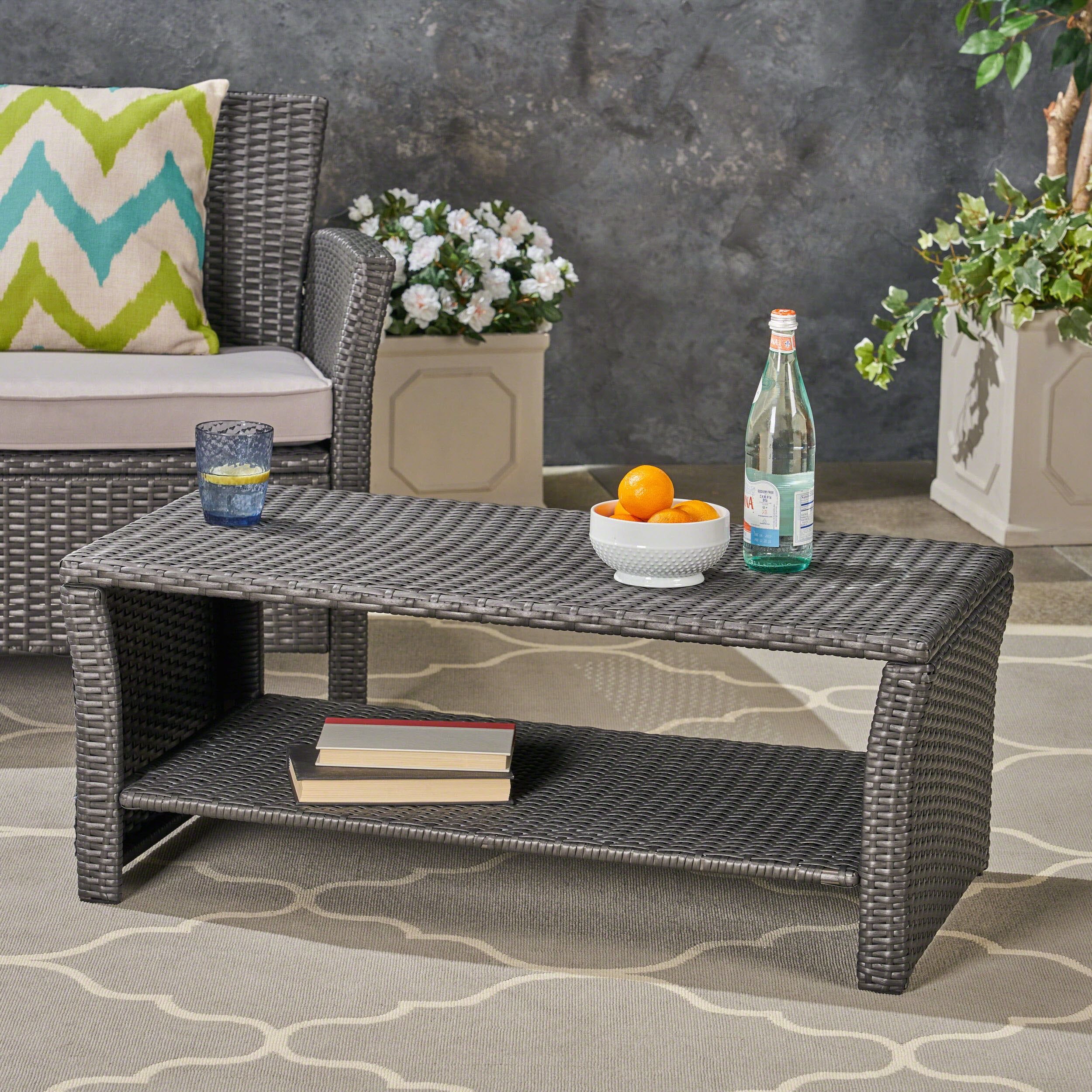
- Material: A heavy, dark wood table will have more visual weight than a light, glass table. Consider the other materials in your room. Do you want the table to blend in or stand out? A glass table will make the room look bigger. A wooden table will make the room more cozy.
- Color: Choose a color that complements your existing color scheme. A neutral color table is a safe bet, but a bold color can add a pop of personality. Make sure that the colors don’t clash, this can ruin the look of your room.
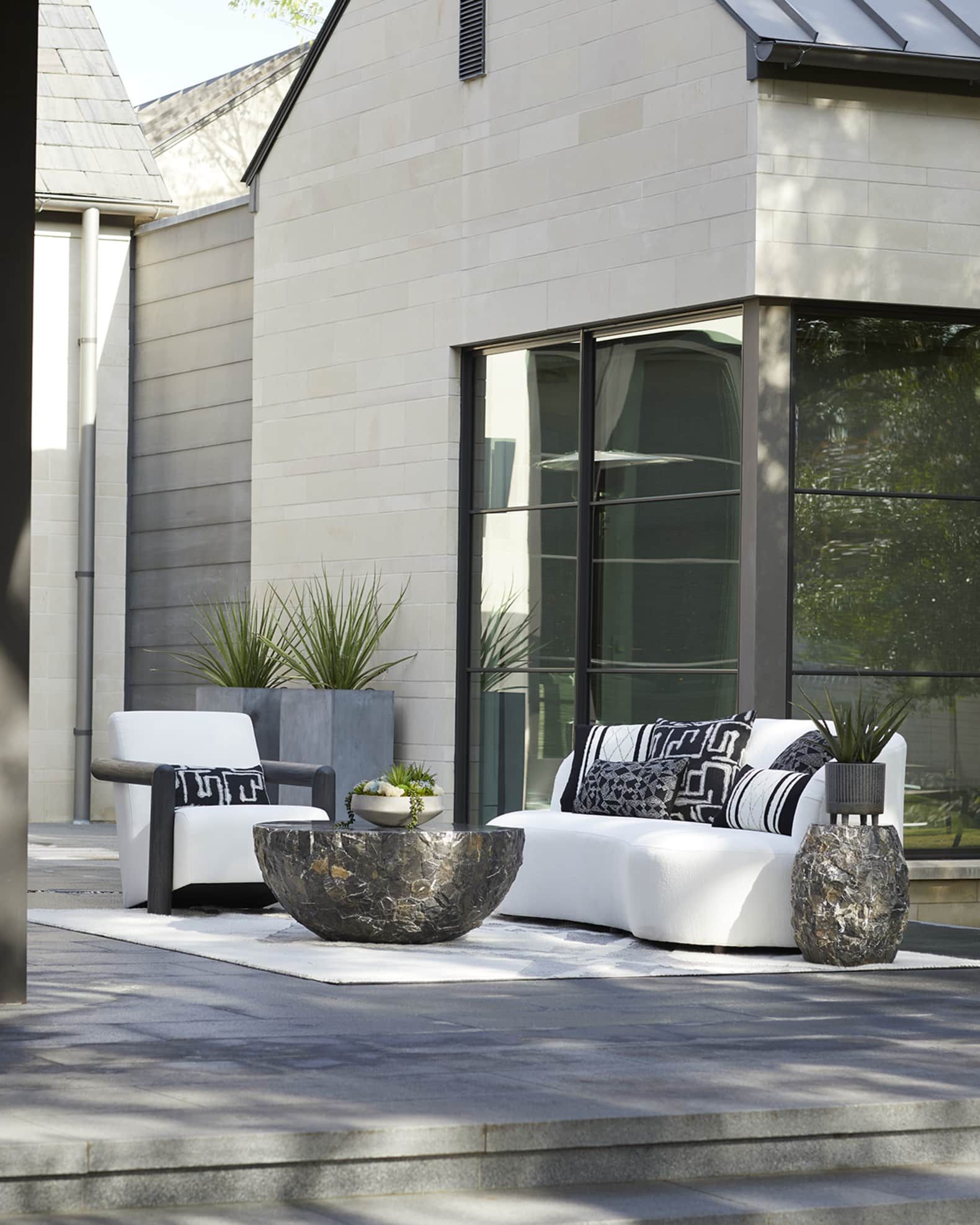
- Texture: Consider the texture of the table. A rough-hewn table will have a different feel than a sleek, polished one. All of these things are important when picking out a table.
The Power of the Ellipse: Shape and Space
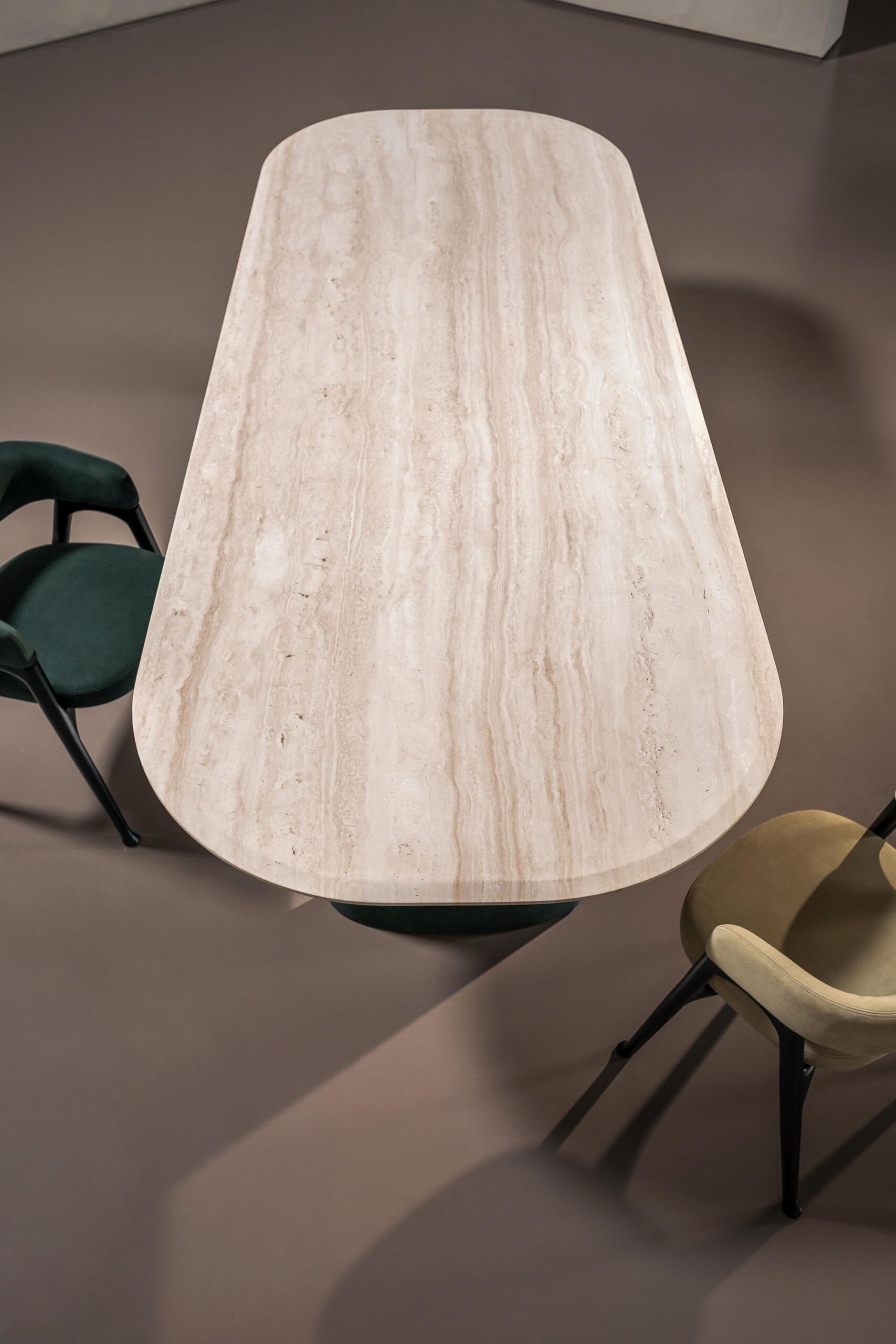
Why choose an ellipse table? Well, the shape itself is a design marvel. It softens the angles of a room and is visually appealing. Here’s how to maximize the ellipse’s impact:
- Flow: The curved shape promotes a natural flow of movement in a room. It’s an excellent choice for smaller spaces or areas with high traffic, as it doesn’t have sharp corners that can be a problem.
- Balance: An ellipse table can balance the linear lines of a sofa or the rectangular shape of a rug. It adds a touch of elegance and visual interest.
- Placement: Experiment with placement. An ellipse table can be centered in front of a sofa or placed slightly off-center to create asymmetry and visual intrigue. It’s all about creating the right balance. Don’t be afraid to try different things.
Real-World Examples: Putting It All Together
Let’s look at a few examples to see how these principles work in action:
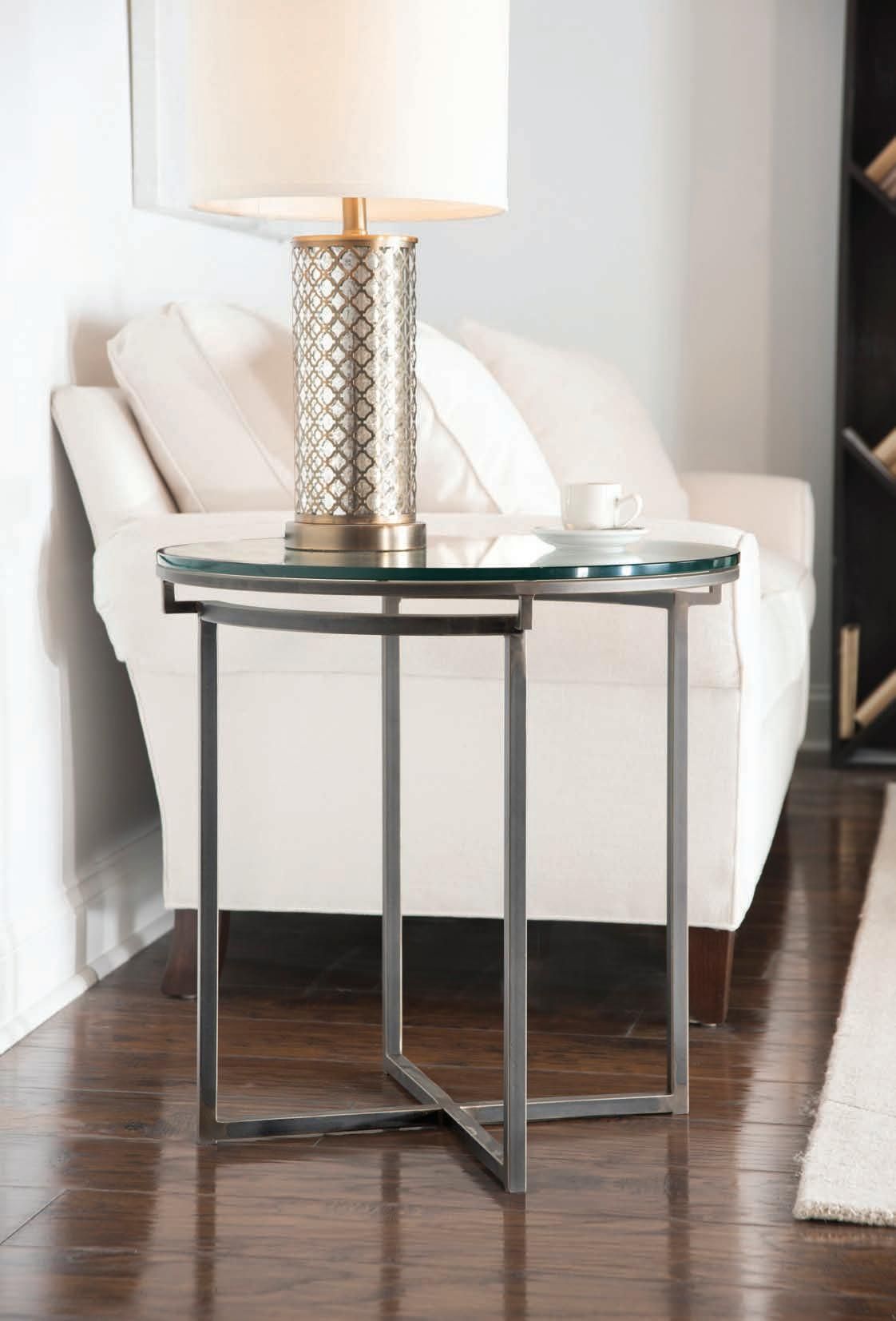
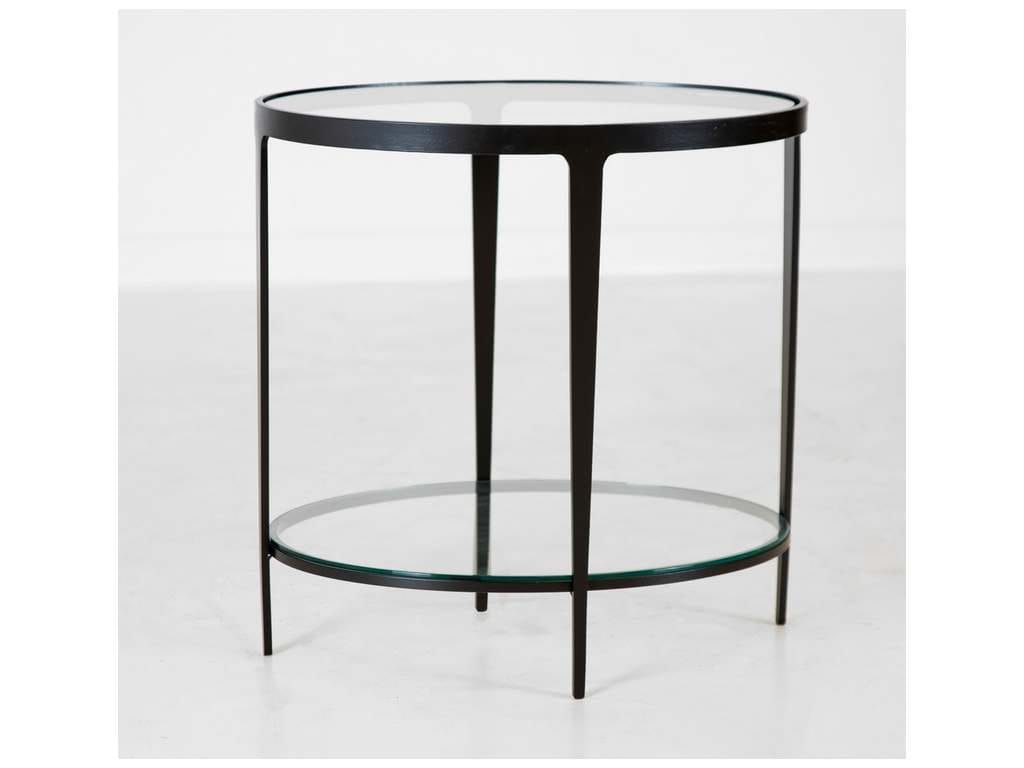
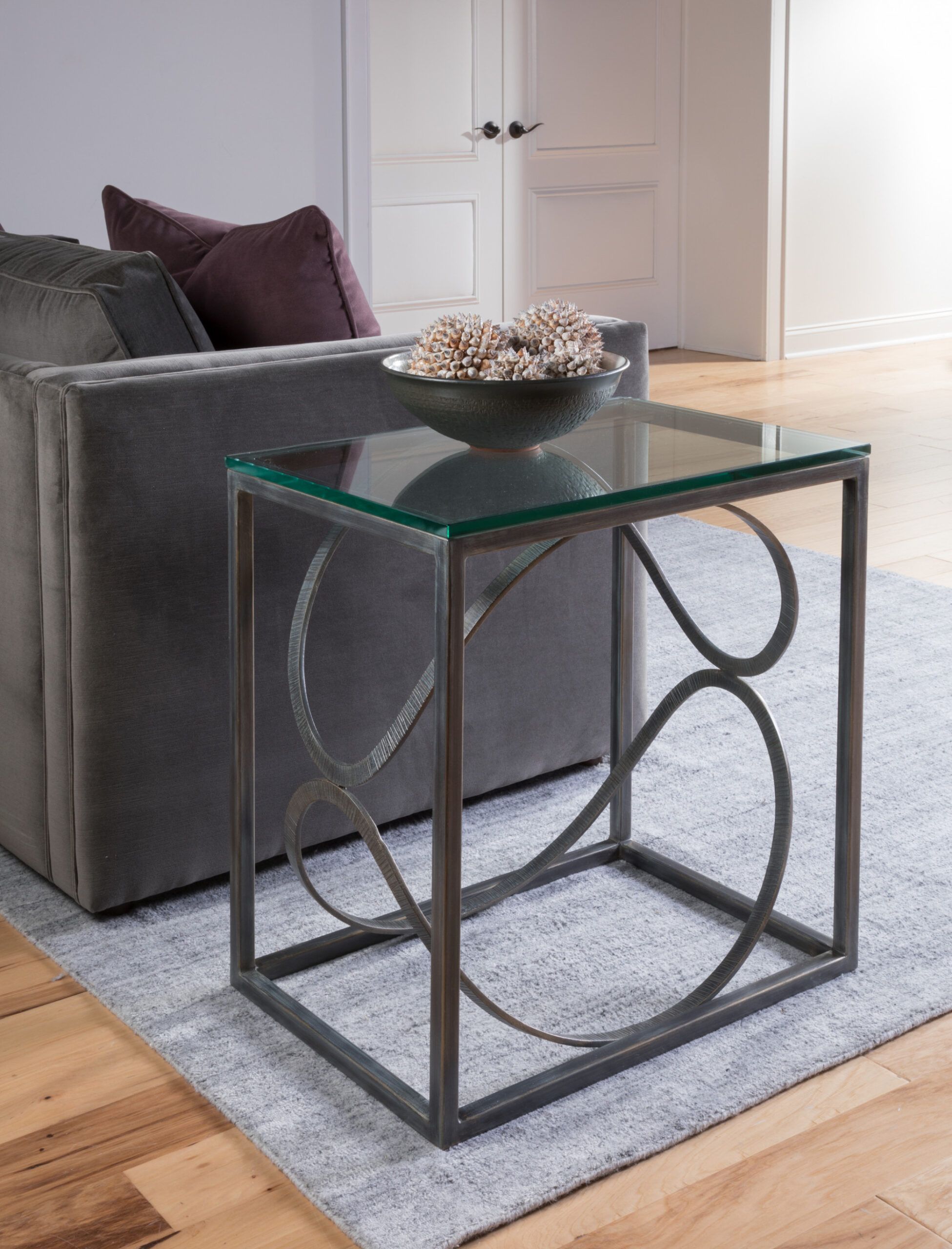
- Small Apartment: In a small apartment, a sleek, glass-topped ellipse table with metal legs can save space and visually open up the room. The table should be in proportion to the size of the sofa and the rug.
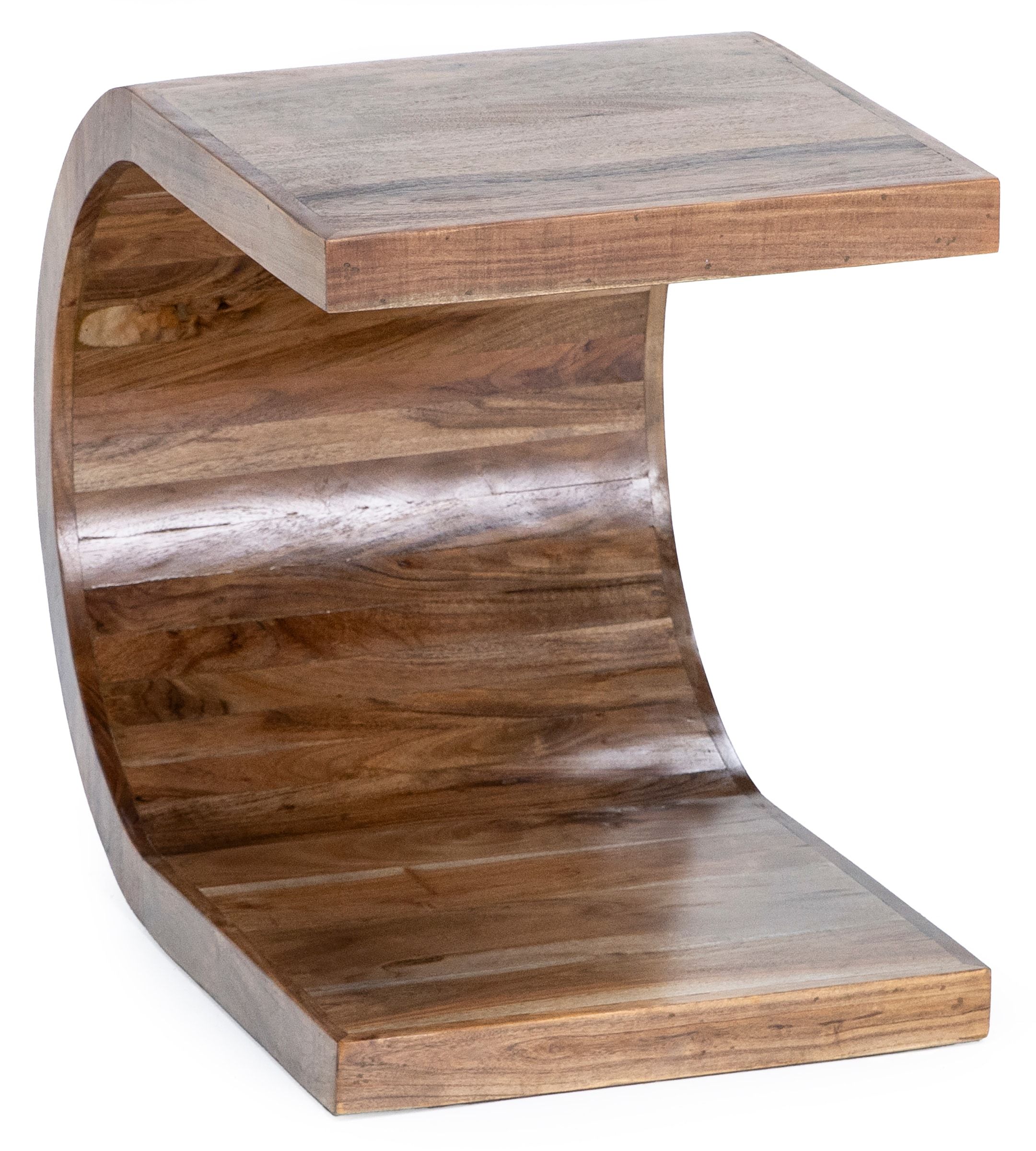
- Family Living Room: In a larger family room, a solid wood ellipse table can serve as a focal point, providing plenty of surface space for drinks, snacks, and board games. Make sure it is in proportion to the sofa. The proportions are the same, but the table is simply bigger.
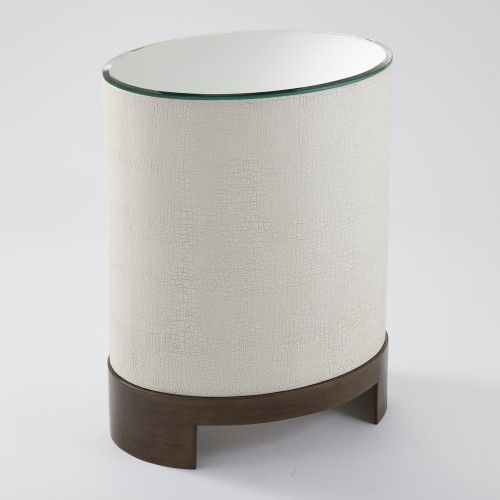
- Modern Minimalist Space: In a modern, minimalist space, a simple, white ellipse table with clean lines will complement the room’s aesthetic, providing a functional surface without overwhelming the design. Don’t forget to consider the proportions.
Choosing the perfect ellipse accent table is a journey, not a race. It’s about understanding proportions, your space, and your personal style. By taking the time to measure, consider the other elements in your room, and experiment with different materials and colors, you can find an ellipse table that truly enhances your living space. Remember, it’s about creating a space that feels balanced, inviting, and reflects your unique personality. With a little planning and attention to detail, you can create a room that is both beautiful and functional. So, go forth, and create a space you truly love. And don’t be afraid to try new things.