Let’s be honest, we often overlook them. Accent tables. They sit quietly in the corners, holding lamps, displaying treasures, and providing a much-needed spot to set down your coffee. But the right accent table can seriously transform a room. It’s a chance to add a pop of personality, a touch of function, and a whole lot of style. This guide is all about going beyond the basics to choose an accent table that truly shines in your home. Forget the cookie-cutter approach; we’re talking about finding a piece that speaks to you, your space, and your lifestyle. Ready to level up your decor game? Let’s dive in.
Accent tables aren’t just about holding stuff; they’re about filling holes in your design, adding visual interest, and making your home feel complete. They can be small, but they make a big impact. Whether you’re furnishing a cozy apartment or a sprawling house, the right accent table can make a world of difference. But with so many options, where do you even begin? This article will break down everything you need to know, from understanding different types of tables to considering materials, sizes, and styles. We’ll also look at some real-world examples to inspire your choices, so you can confidently choose the perfect accent table for your unique space. And and we’ll make sure you don’t make any common mistakes.
Know Your Types: A Quick Guide to Accent Table Styles
The world of accent tables is vast, but understanding the main types is the first step. Here’s a quick rundown:
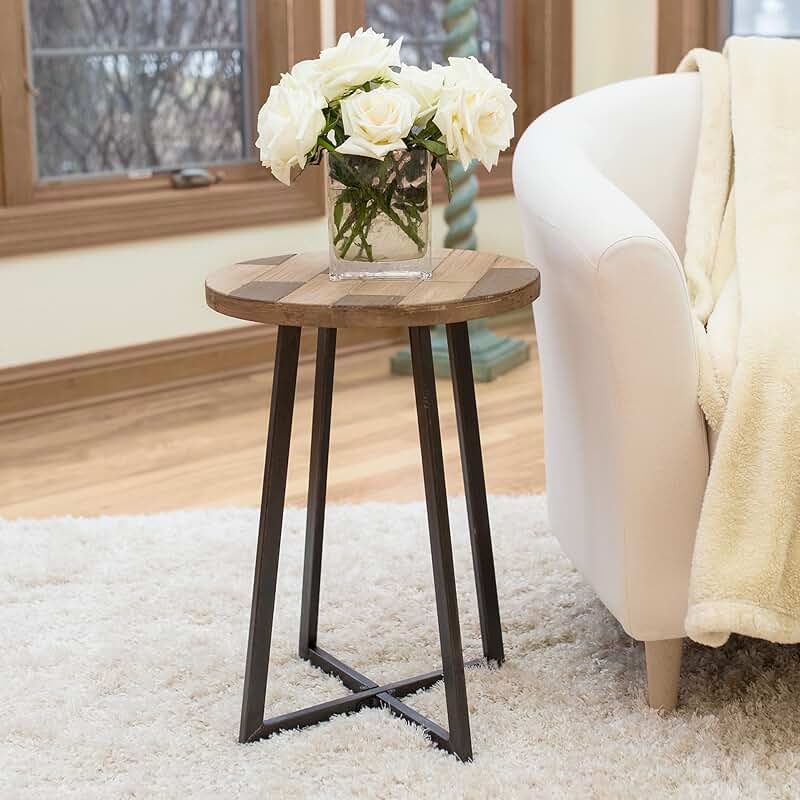
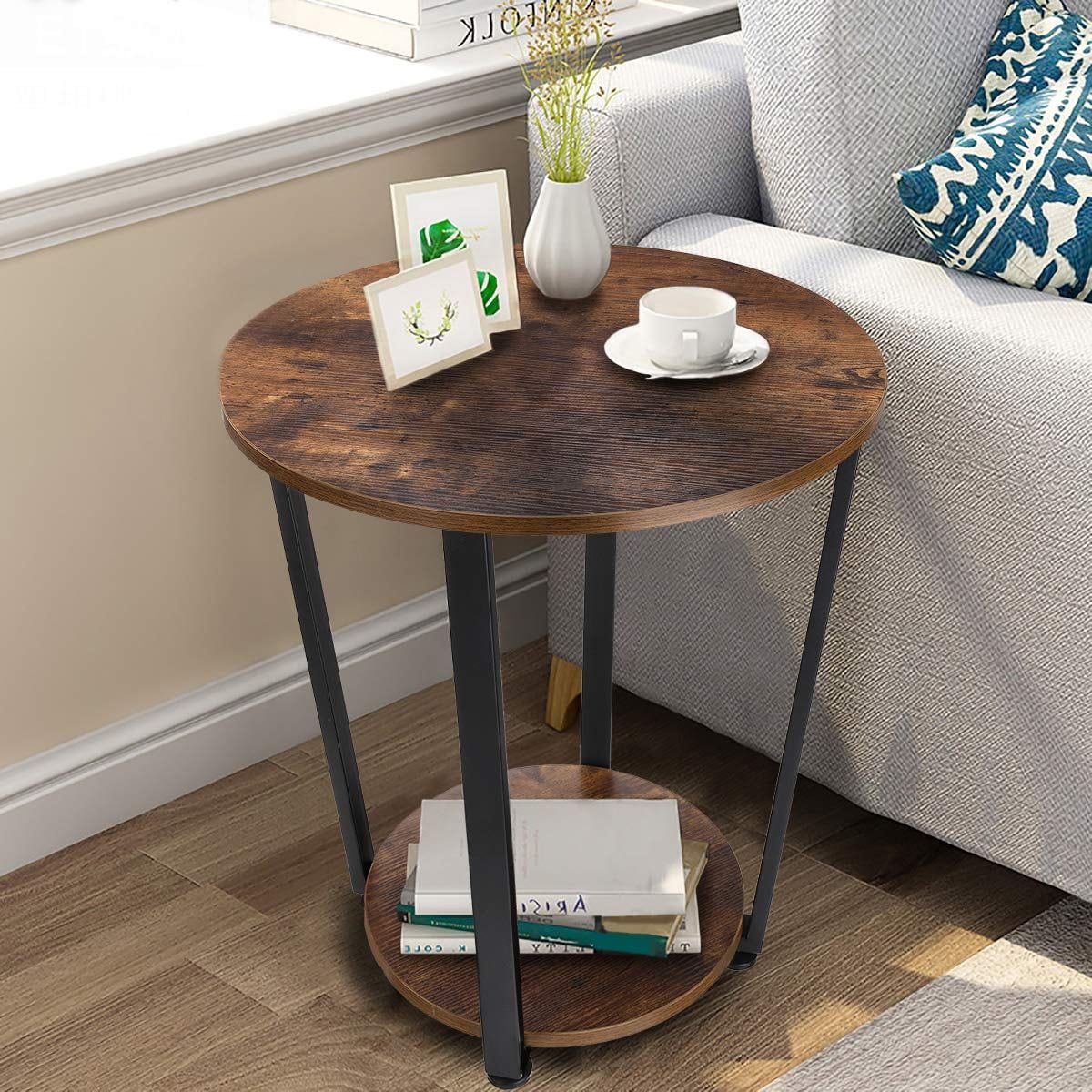
- Side Tables: These are the classic go-to. Designed to sit next to a sofa or armchair, they’re perfect for lamps, drinks, and remotes.
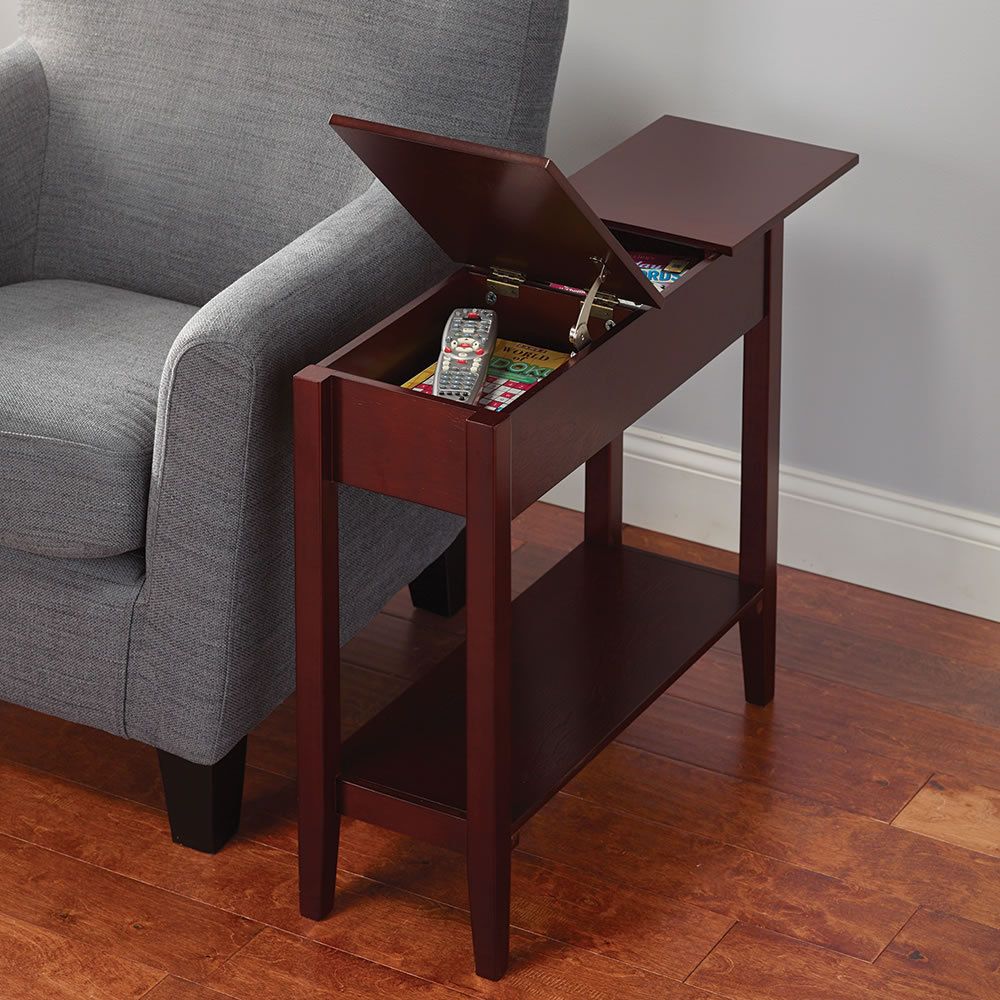
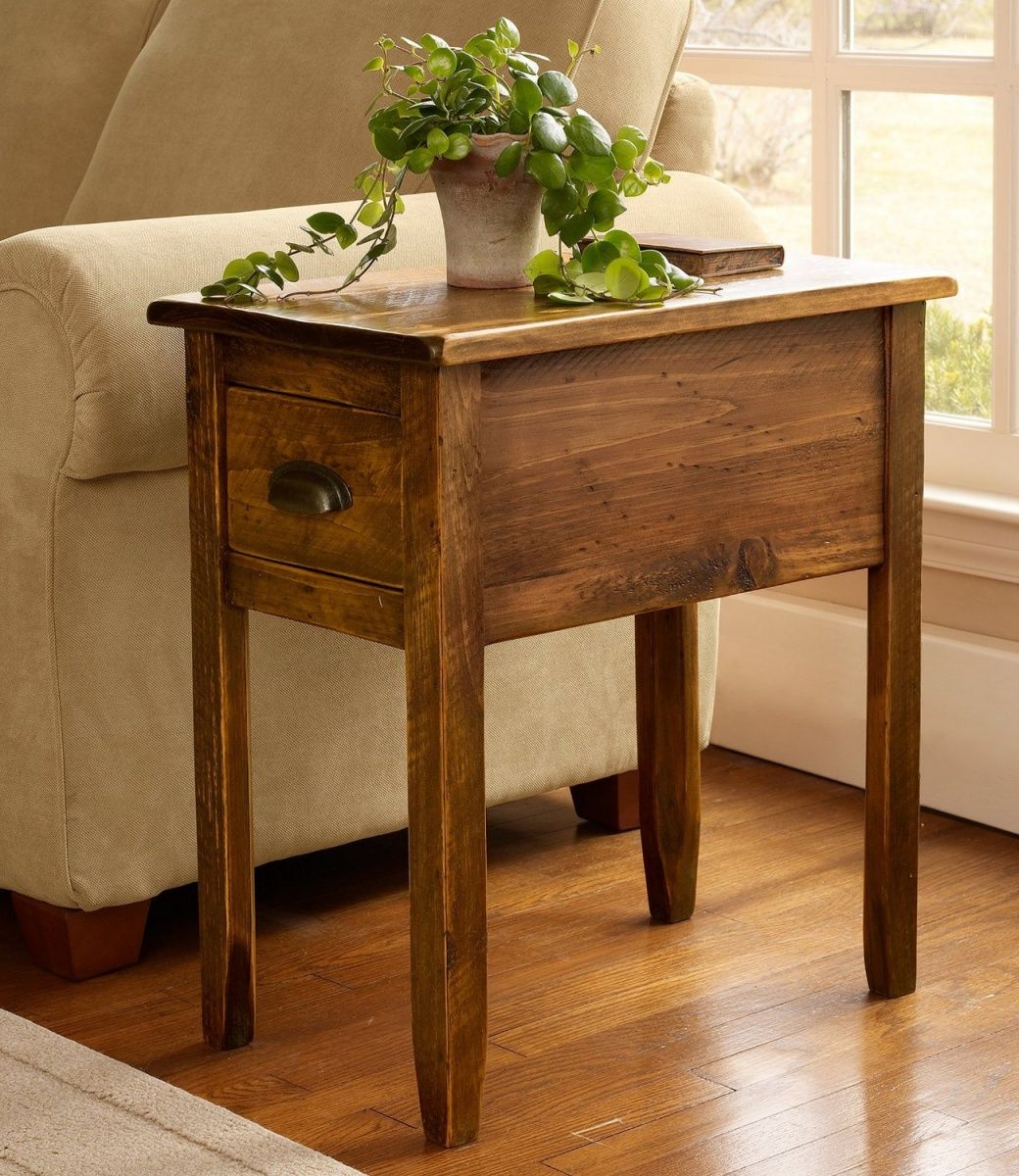
- End Tables: Often used interchangeably with side tables, but can also be placed at the end of a sofa. They often provide storage, too.
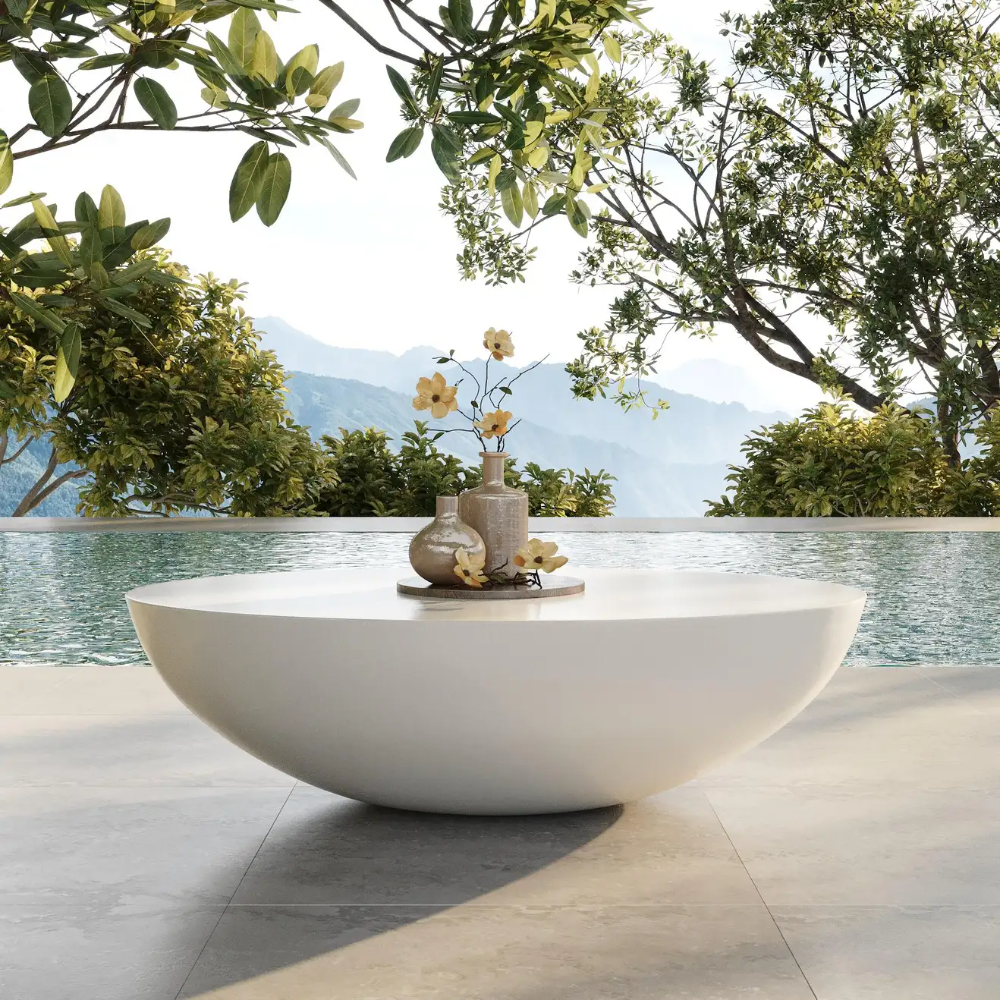
- Coffee Tables: These are the centerpiece of your living room. They’re larger and designed to sit in front of your sofa, offering a place to set drinks, display books, or even play games.
- Console Tables: Long and narrow, console tables work well in entryways, hallways, or behind a sofa. They’re great for displaying decor and adding a touch of elegance.
- Nesting Tables: These tables come in sets of two or more, designed to stack together for space-saving and then be pulled out when needed.
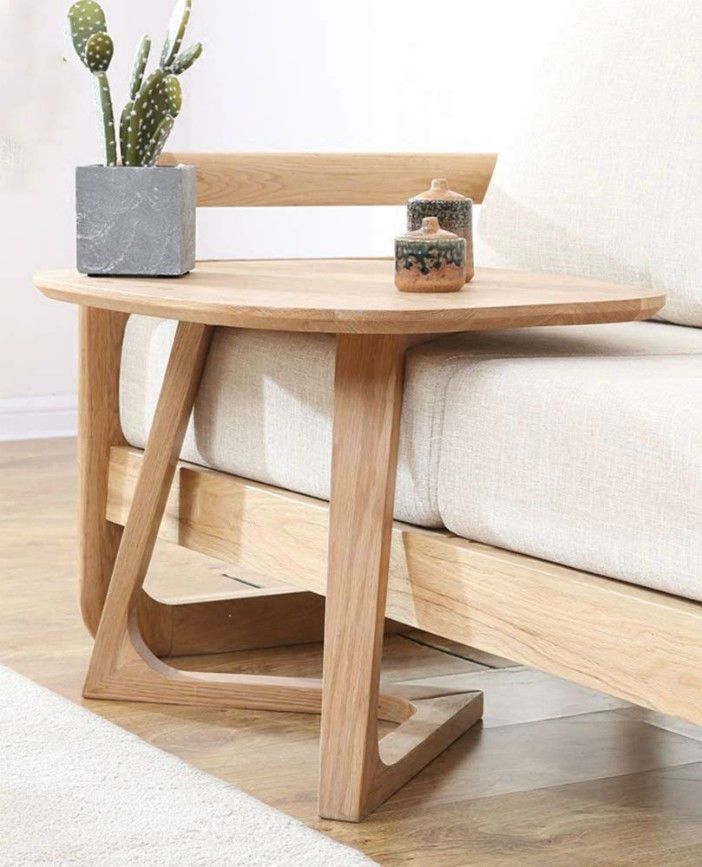
- C-Tables: These tables have a unique "C" shape that allows them to slide under a sofa or chair, making them ideal for small spaces or a convenient workspace.
Size Matters: Finding the Right Fit for Your Space
Getting the size right is crucial. A table that’s too big will overwhelm your space; one that’s too small will look lost. Here’s how to measure and determine the ideal size:
- Side Tables: Generally, the table’s height should be within a few inches of the arm of your sofa or chair. The surface area should be sufficient for your needs without being too large. Think about the lamp you’ll be using and the space you want to keep clear.
- Coffee Tables: The height should typically be the same as or a few inches lower than your sofa’s seat cushions. The length should be about two-thirds the length of your sofa. Allow at least 18 inches between the sofa and the coffee table for comfortable walking space.
- Console Tables: Consider the wall space and the items you want to display. Aim for a height that’s proportional to the wall and the other furniture in the room. Make sure there’s enough room to walk around the table without bumping into it.
Material World: Choosing the Right Material for Your Needs
The material of your accent table impacts both its style and its durability. Here’s a look at some popular choices:
- Wood: A classic choice, wood offers warmth and versatility. Consider the type of wood (e.g., oak, walnut, pine) and the finish (e.g., stained, painted) to match your decor. Wood is usually a good choice, and it’s pretty durable.
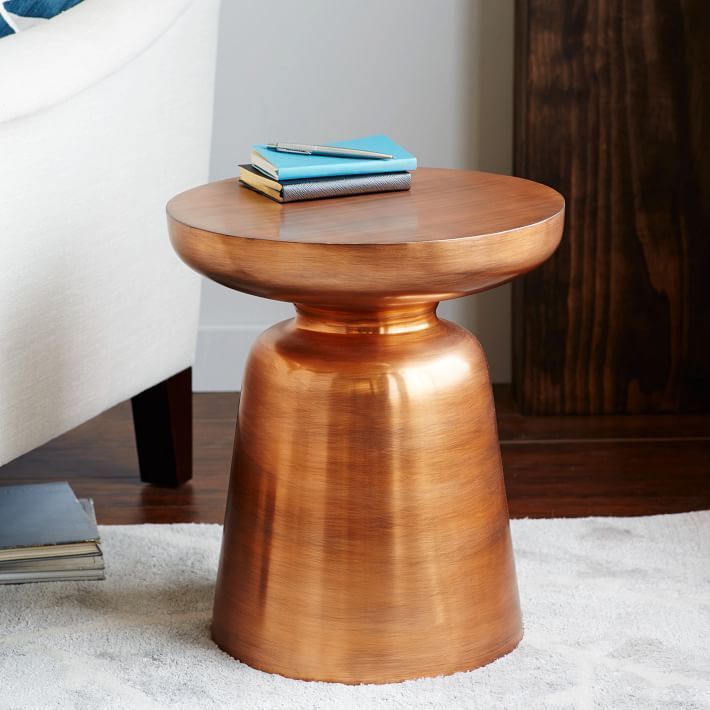
- Metal: Metal tables (like iron, steel, or brass) can add an industrial, modern, or even vintage touch. They’re often very durable and low-maintenance. Look for finishes like powder coating or brushed metal to achieve your desired look.
- Glass: Glass tables create a light and airy feel, making them ideal for small spaces. Be mindful of fingerprints and consider tempered glass for safety.
- Stone/Marble: These materials add a luxurious touch. Marble and other natural stones are beautiful but can be more expensive and require more care.
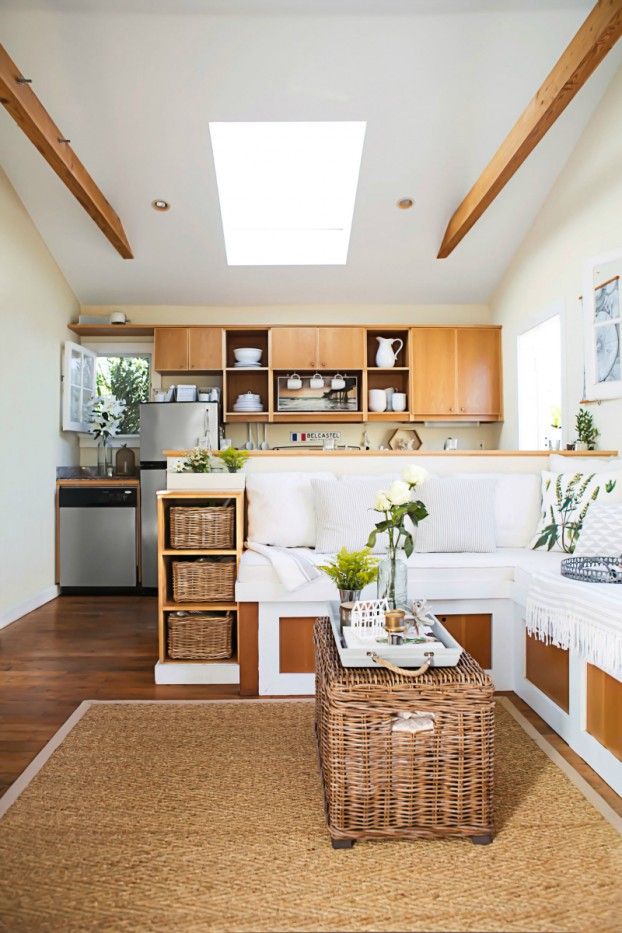
- Rattan/Wicker: These materials bring a natural, relaxed vibe to a room. They’re great for a bohemian or coastal style. They might not be as durable as other materials, but they add a lot of charm.
Style Savvy: Matching Your Table to Your Decor
Your accent table should complement your existing decor, not clash with it. Here are some style tips:
- Modern/Minimalist: Opt for clean lines, simple shapes, and materials like metal, glass, or wood with a sleek finish. Consider a table with a minimalist design.
- Traditional: Choose tables with ornate details, curved legs, and materials like wood with a rich finish. Look for tables with drawers or other storage features.
- Farmhouse/Rustic: Embrace wood tables with a distressed finish, metal accents, or a combination of materials. Think about a table with a reclaimed wood look.
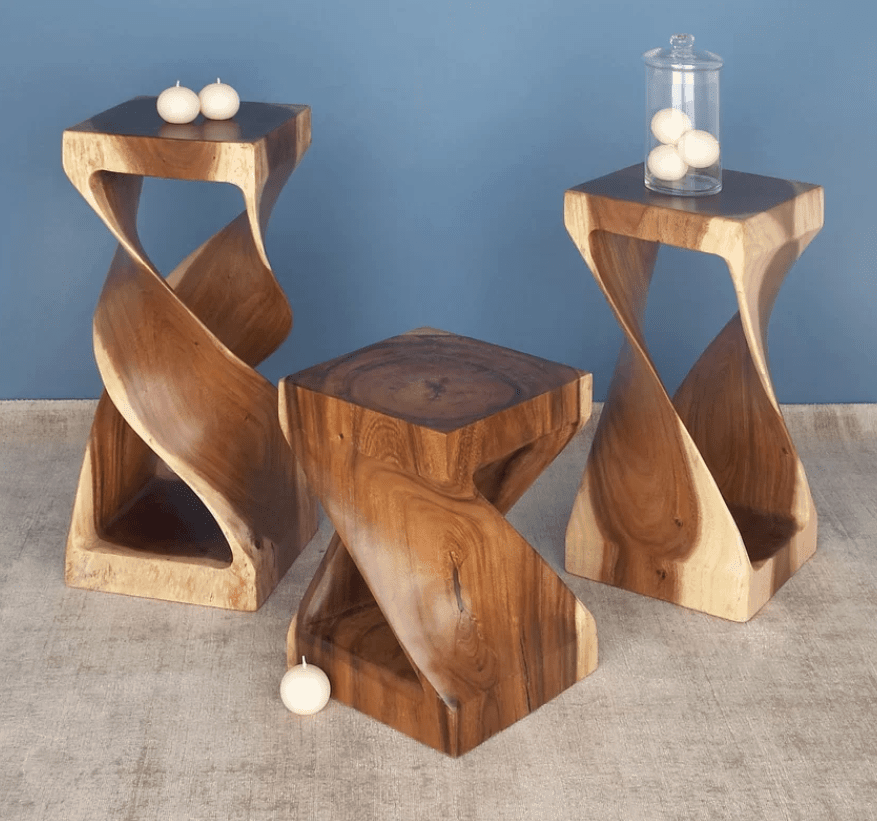
- Bohemian/Eclectic: Mix and match different styles and materials. Consider a table with a unique shape, a colorful finish, or a combination of materials. A rattan or wicker table can work well here.
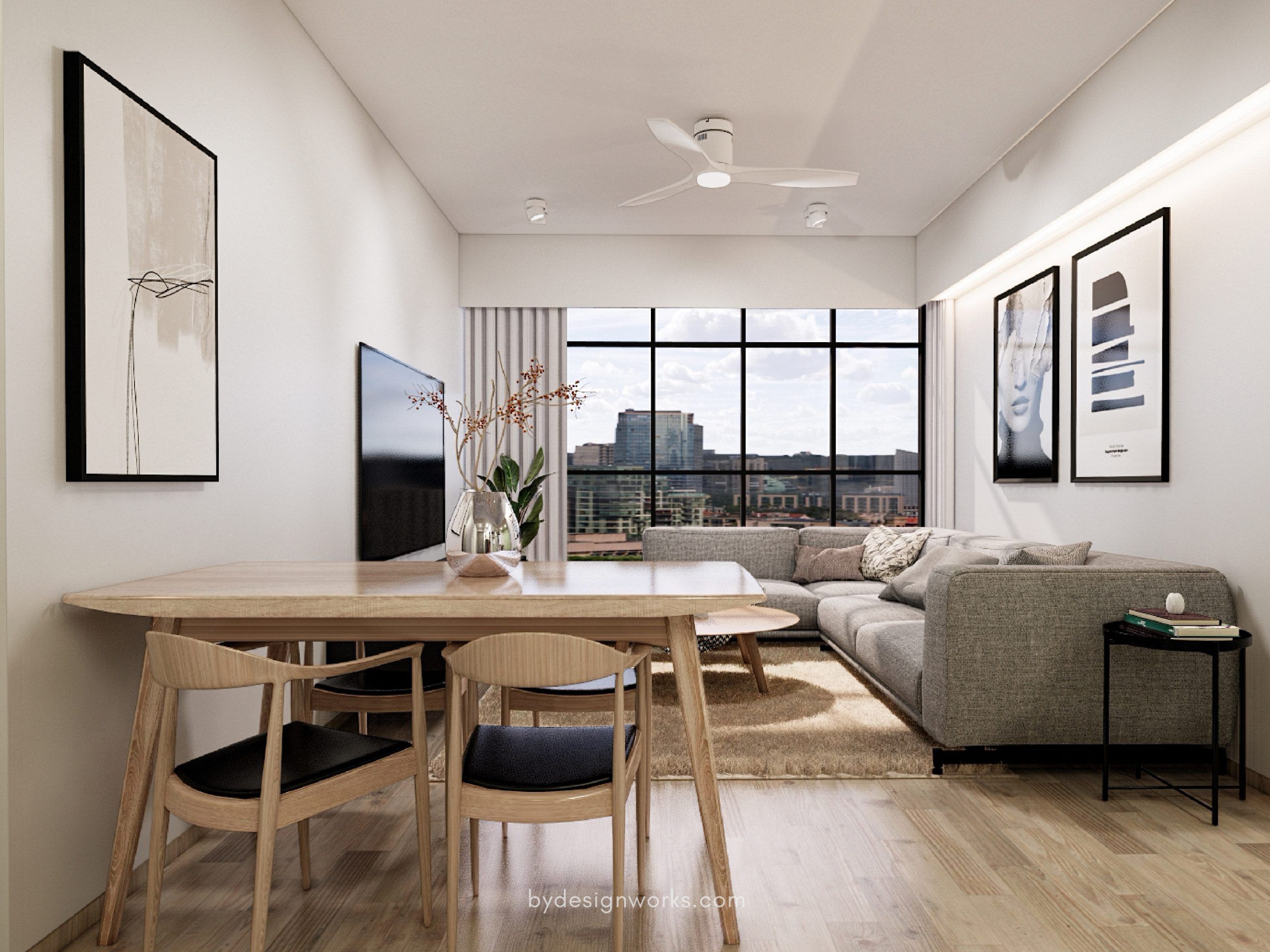
- Mid-Century Modern: Look for tables with tapered legs, clean lines, and materials like wood with a warm finish. This style is all about simplicity and functionality.
Functionality First: Considering Storage and Other Features
Think about how you’ll use your accent table. Do you need storage? A place to charge your phone? Here are some features to consider:
- Drawers: Great for storing remotes, magazines, and other small items.
- Shelves: Provide open storage for books, decor, or baskets.
- Built-in charging stations: Convenient for charging phones and other devices.
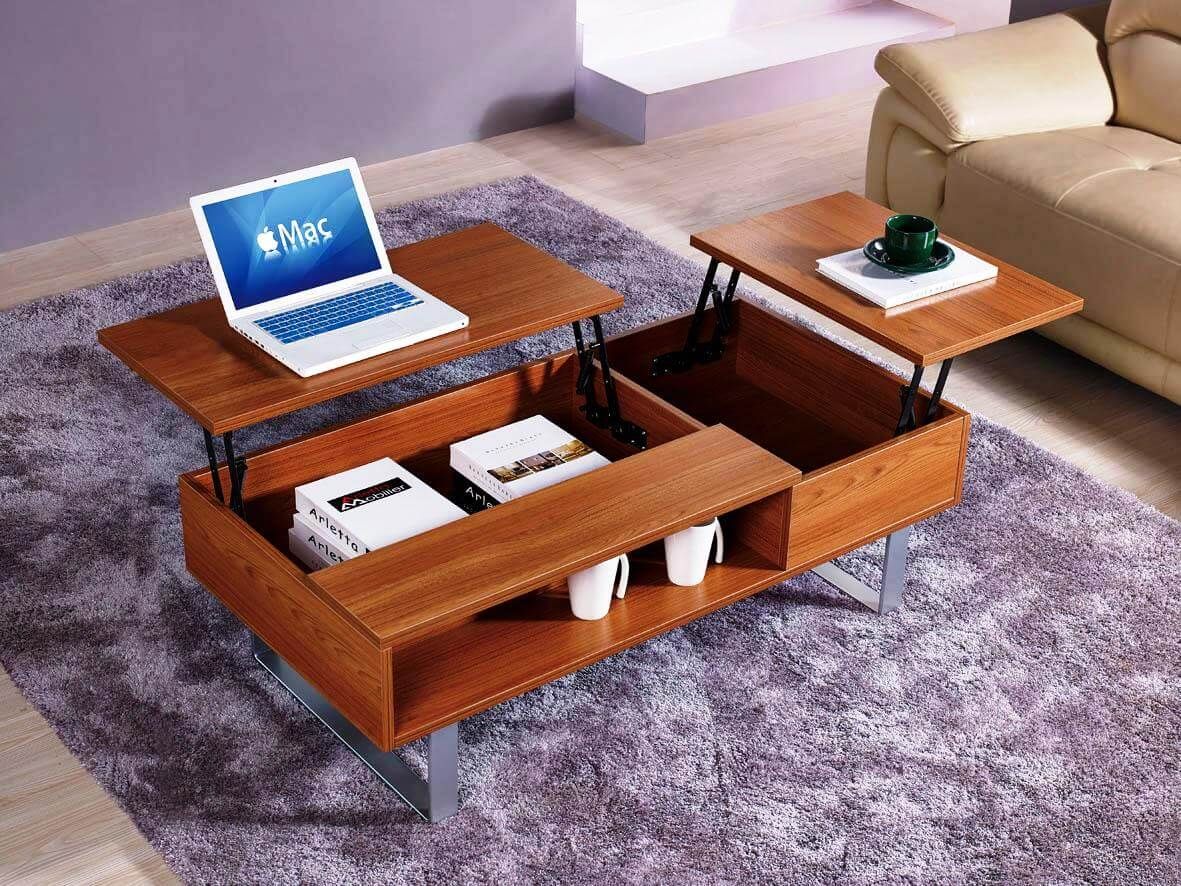
- Lift-top tables: Offer a surface that can be raised, making them ideal for working or eating in front of the sofa. Think about how you live and what you need to make your space work for you. Consider what you’ll be using the table for and what features would be most helpful.
Real-World Examples: Inspiration for Your Search
Let’s look at some examples to spark your imagination:
- Small Apartment Living Room: A small, round glass side table next to a sofa. It takes up minimal space, allows light to flow through, and provides a spot for a lamp and a drink.
- Family Room: A large, sturdy coffee table with built-in storage. It’s the perfect place for family game nights, displaying books, and keeping clutter out of sight.
- Entryway: A sleek console table with a mirror above it. It provides a place to set keys, mail, and add a touch of style to the space.
- Bedroom: A bedside table with a drawer and a shelf. It offers storage for books, a lamp, and personal items. These examples are just a starting point. The best table is one that fits your space and your life.
Choosing the right accent table is about more than just picking a piece of furniture; it’s about curating your space. It’s about adding personality, function, and a touch of your unique style. By understanding the different types of tables, considering size and material, and matching your table to your decor, you can make an informed choice that elevates your home. Don’t be afraid to experiment and trust your instincts. The perfect accent table is out there, waiting to complete your living space, and remember, there’s no one-size-fits-all solution. It’s a journey of discovery, and you’re the designer. Happy decorating!