Side tables, those humble yet indispensable companions in our living spaces, are more than just surfaces to rest our coffee cups. They are testaments to design, function, and the skilled hands that bring them to life. From the rustic charm of a reclaimed wood table to the sleek modernity of a metal-and-glass creation, the construction of side tables offers a fascinating glimpse into the world of craftsmanship. This article will explore the diverse paths from raw materials to a finished piece, focusing on the primary materials: wood and metal, and the various construction techniques. So, grab your favorite beverage, find a comfy spot, and let’s delve into the details.
The side table. It’s a fixture in nearly every home, silently holding lamps, books, and, of course, the ever-present remote control. But have you ever stopped to consider how these essential pieces are actually put together? The journey from a raw piece of wood or a sheet of metal to a functional and beautiful side table is a blend of art, science, and skill. This exploration will break down the different approaches, the materials involved, and the key considerations that go into building these familiar home essentials. We’ll look at various construction methods, from simple joinery to more complex metal fabrication, and hopefully, give you a new appreciation for the tables you use every day.
Wood: The Enduring Choice
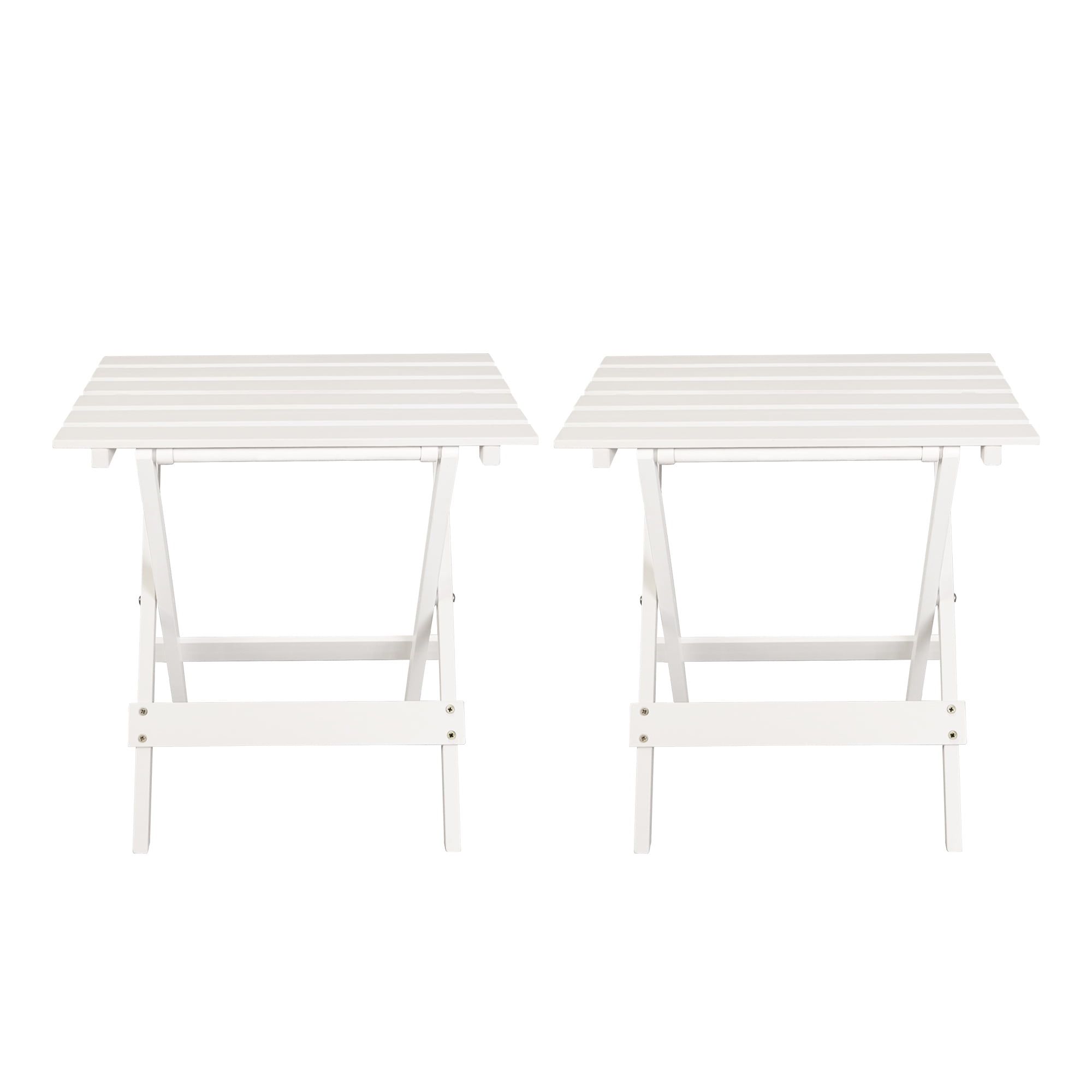
Wood has long been the go-to material for furniture, and with good reason. Its warmth, workability, and natural beauty make it a favorite among both designers and homeowners. When it comes to side table construction, several types of wood are often employed. Solid hardwoods, such as oak, walnut, maple, and cherry, are prized for their durability and rich grain patterns. These woods, while more expensive, can last for generations, and they often only get more beautiful with age.
Another option is using engineered wood products like plywood or MDF (Medium-Density Fiberboard). Plywood, which is made of layers of wood veneer glued together, is strong and stable and less prone to warping than solid wood. MDF is a composite material made from wood fibers and resin and is very smooth, making it ideal for painted finishes.
Construction techniques for wood side tables vary.
- Joinery: This is where the pieces of wood are connected, and it’s a critical part of the strength and longevity of the table. Common joinery methods include:
- Dowel joints: These use wooden pegs (dowels) to connect two pieces of wood. They’re relatively easy to do, but they may require more skill, and can be very strong.
- Mortise and tenon joints: A very robust joint, where a projecting piece (tenon) fits into a hole (mortise).
- Dovetail joints: These interlocking joints are exceptionally strong and beautiful and are often used in drawers.
- Fasteners: Screws, nails, and staples are also used, especially in conjunction with joinery to secure the table.
- Finishing: Once the table is assembled, it’s finished to protect the wood and enhance its appearance. This can involve staining, painting, or applying a clear finish like varnish or polyurethane.
Metal: Strength, Style, and Stability
Metal, with its inherent strength and modern aesthetic, has become increasingly popular in side table design. Steel is the most common metal used, with its versatility and cost-effectiveness. Aluminum is another choice, offering a lighter weight and resistance to corrosion. Iron, though heavier, provides a distinct, vintage feel.
Metal Fabrication Techniques
- Welding: This is the process of joining metal pieces together by melting them at the joint. Various welding techniques, such as MIG (Metal Inert Gas) and TIG (Tungsten Inert Gas) welding, are used to create strong and durable connections.
- Brazing and soldering: These processes use a filler metal with a lower melting point than the base metals to join pieces. They’re often used for more delicate work or for joining dissimilar metals.
- Cutting and shaping: Metal sheets and tubes are cut to size and shaped using a variety of tools, including saws, grinders, and bending machines.
- Fastening: Rivets and screws can also be used to assemble metal side tables, especially when joining metal to other materials like wood or glass.
Finishing
- Powder coating: This is a durable and attractive finish that involves applying a dry powder to the metal and then baking it.
- Painting: Metal can be painted to achieve a variety of colors and styles.
- Polishing and plating: These techniques enhance the appearance of the metal and provide protection against corrosion.
Hybrid Designs: Combining Wood and Metal
One of the most exciting trends in side table design is the combination of wood and metal. This can be done in several ways:
- Wood tops with metal legs: This is a classic combination, providing the warmth of wood on top and the strength and modern look of metal below.
- Metal frames with wood inlays: Metal frames provide structure, while wood inlays create a visually interesting surface.
- Wood and metal joinery: Metal can be used to reinforce wooden joints, adding strength and a unique aesthetic.
These hybrid designs offer the best of both worlds, combining the beauty and workability of wood with the strength and versatility of metal. It’s an example of how innovation and the creative spirit can be used to create something new.
Design Considerations: Form, Function, and Durability
Beyond the materials and construction methods, several other factors come into play when designing a side table.
- Form: The shape of the table is crucial. Do you want a round, square, or rectangular table? What about the height and overall proportions? The form should complement the other furniture in the room and fit the space comfortably.
- Function: What will the table be used for? Will it need to hold a lamp, books, or drinks? This will influence the size, shape, and features of the table.
- Style: Side tables come in a wide range of styles, from traditional to modern, rustic to minimalist. The style should match the overall aesthetic of your home.
- Durability: The table should be built to last. Consider the quality of the materials, the joinery methods, and the finish. A well-constructed side table will provide years of service.
- Weight Capacity: Make sure the table can support the weight of the items you plan to place on it.
By considering these factors, you can choose or design a side table that is both beautiful and functional.
The Tools of the Trade: Essential Equipment
Creating a side table, whether working with wood or metal, requires the right tools. The specific tools will vary depending on the materials and construction techniques used, but here are some essential items:
- For Wood:
- Saws: Circular saws, table saws, and hand saws for cutting wood to size.
- Drills: For drilling holes for screws, dowels, and other fasteners.
- Sanders: For smoothing surfaces and preparing them for finishing.
- Clamps: To hold pieces of wood together while glue dries or screws are driven.
- Measuring tools: Tape measures, rulers, and squares for accurate measurements.
- For Metal:
- Welder: For joining metal pieces.
- Grinder: For smoothing welds and shaping metal.
- Cutting tools: Metal saws, angle grinders for cutting metal to size.
- Clamps: To hold metal pieces together during welding or other processes.
- Measuring tools: Metal rulers, squares, and calipers for precise measurements.
It’s important to invest in quality tools and to learn how to use them safely. With the right equipment, you can build a side table that you’ll be proud of.
Tips for the DIY Enthusiast
Building a side table can be a rewarding project for the do-it-yourselfer. Here are some tips to make the process smoother:
- Start simple: If you’re a beginner, start with a simple design. A basic table with a rectangular top and four legs is a good starting point.
- Plan ahead: Before you start, create detailed plans and a cut list. This will help you avoid mistakes and ensure that you have all the materials you need.
- Choose the right materials: Select materials that are appropriate for your skill level and the intended use of the table.
- Take your time: Don’t rush the process. Take your time to measure accurately, cut carefully, and assemble the table properly.
- Practice joinery: Before assembling the table, practice the joinery techniques you’ll be using on scrap wood.
- Safety first: Always wear safety glasses and other protective gear, such as a dust mask or hearing protection.
- Finishing touches: Once the table is assembled, take your time to apply a high-quality finish. This will protect the wood or metal and enhance its appearance.
- Don’t be afraid to ask for help: If you’re unsure about any part of the process, don’t hesitate to ask for help from an experienced woodworker or metalworker.
Building a side table is a great way to hone your skills and create a unique piece of furniture for your home.
The construction of a side table, whether crafted from the warmth of wood or the strength of metal, is a journey that merges artistry, engineering, and a deep appreciation for the materials at hand. From the selection of the right wood species to the precise execution of a weld, each step contributes to the final product. Understanding the various construction methods, the tools of the trade, and the design considerations allows us to appreciate the side tables in our lives. Hopefully, you now have a deeper understanding of the craftsmanship that goes into these essential home furnishings. The next time you reach for a drink or a book on your side table, take a moment to appreciate the journey from raw materials to the finished product. Perhaps, you’ll even be inspired to try building your own. It’s a rewarding experience, and the result is a functional piece of art that will add value, style, and functionality to your space for years to come.