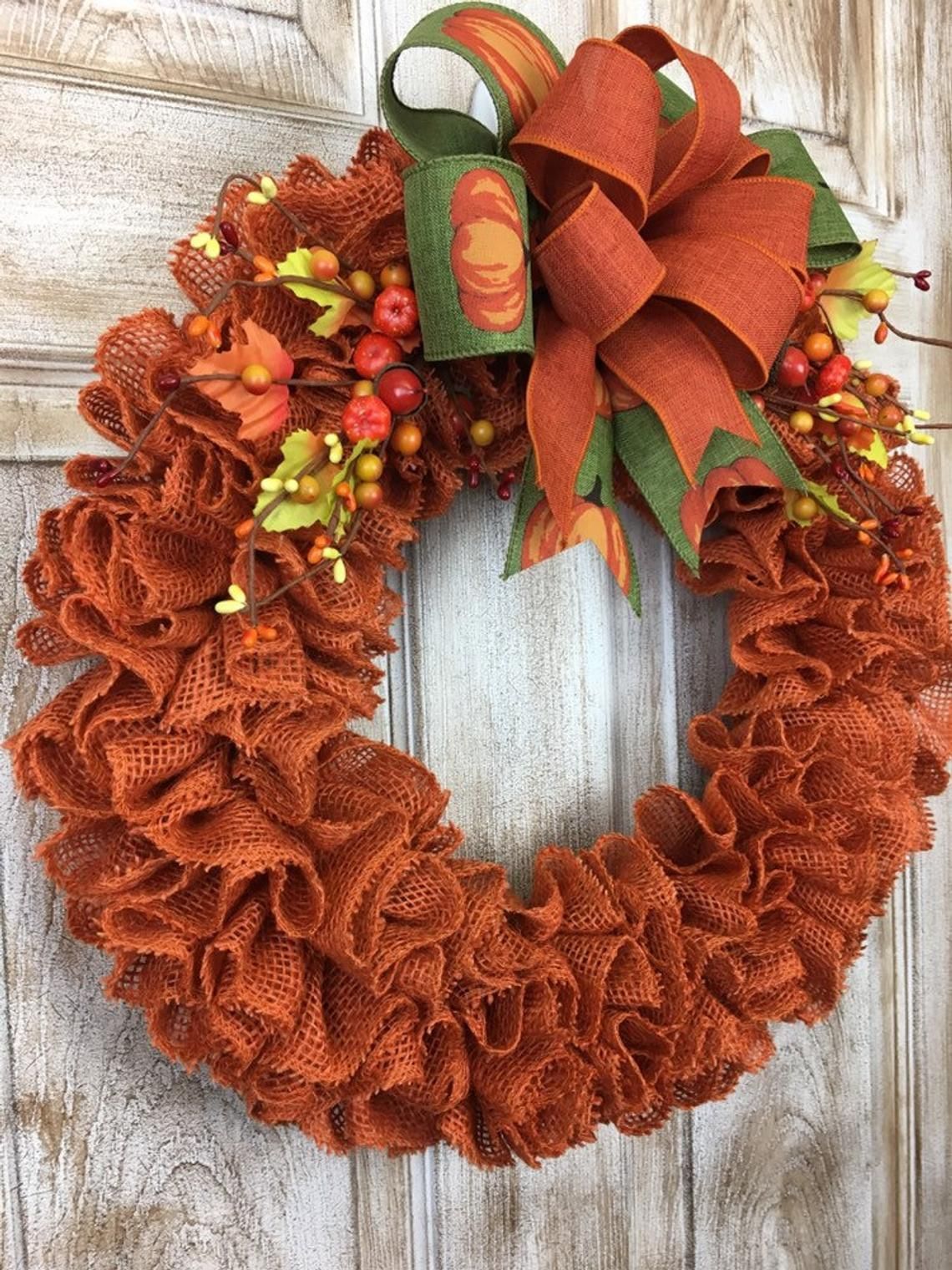
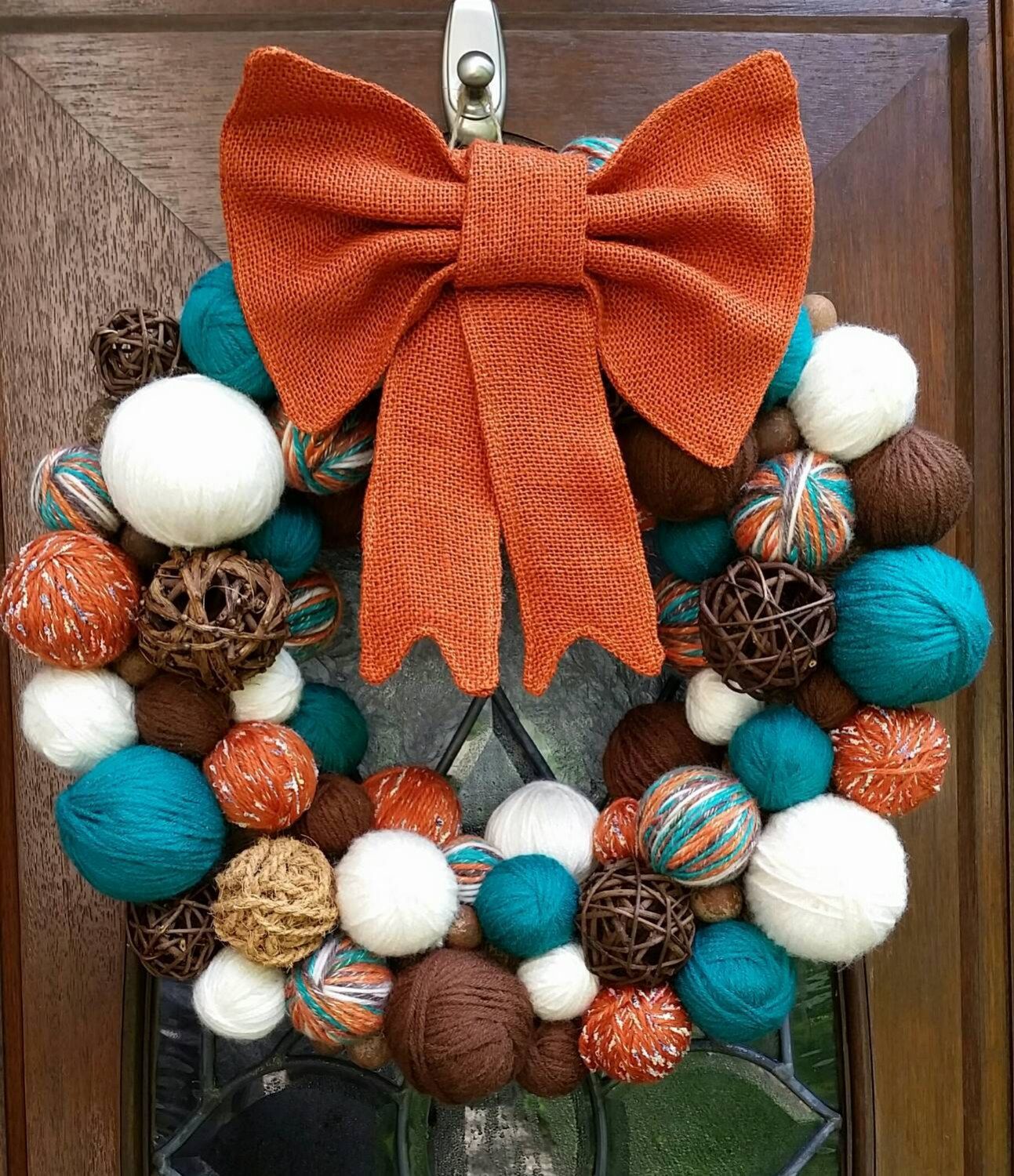
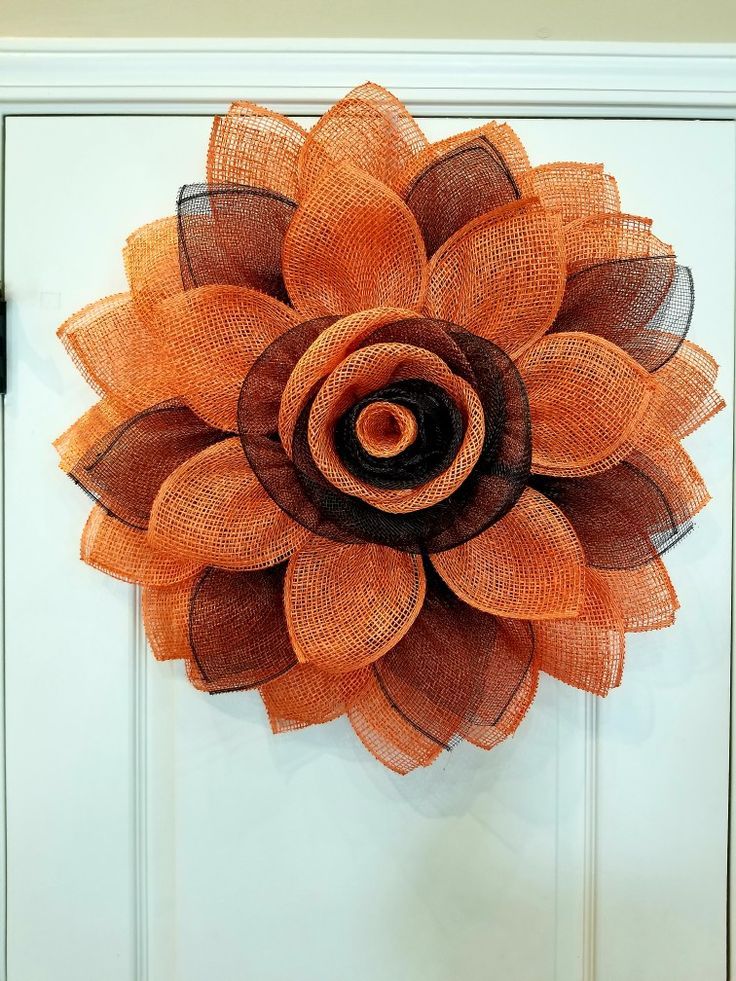
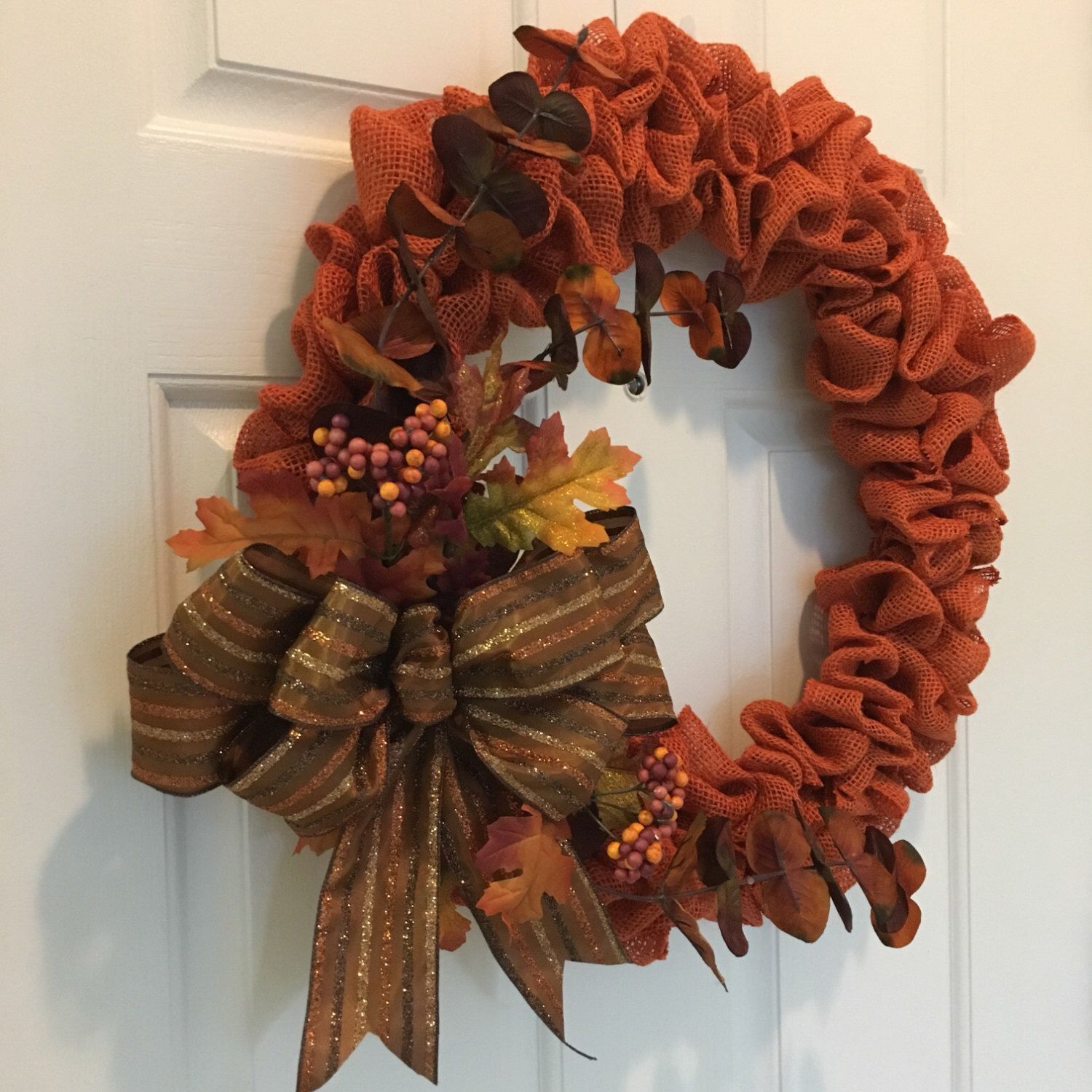
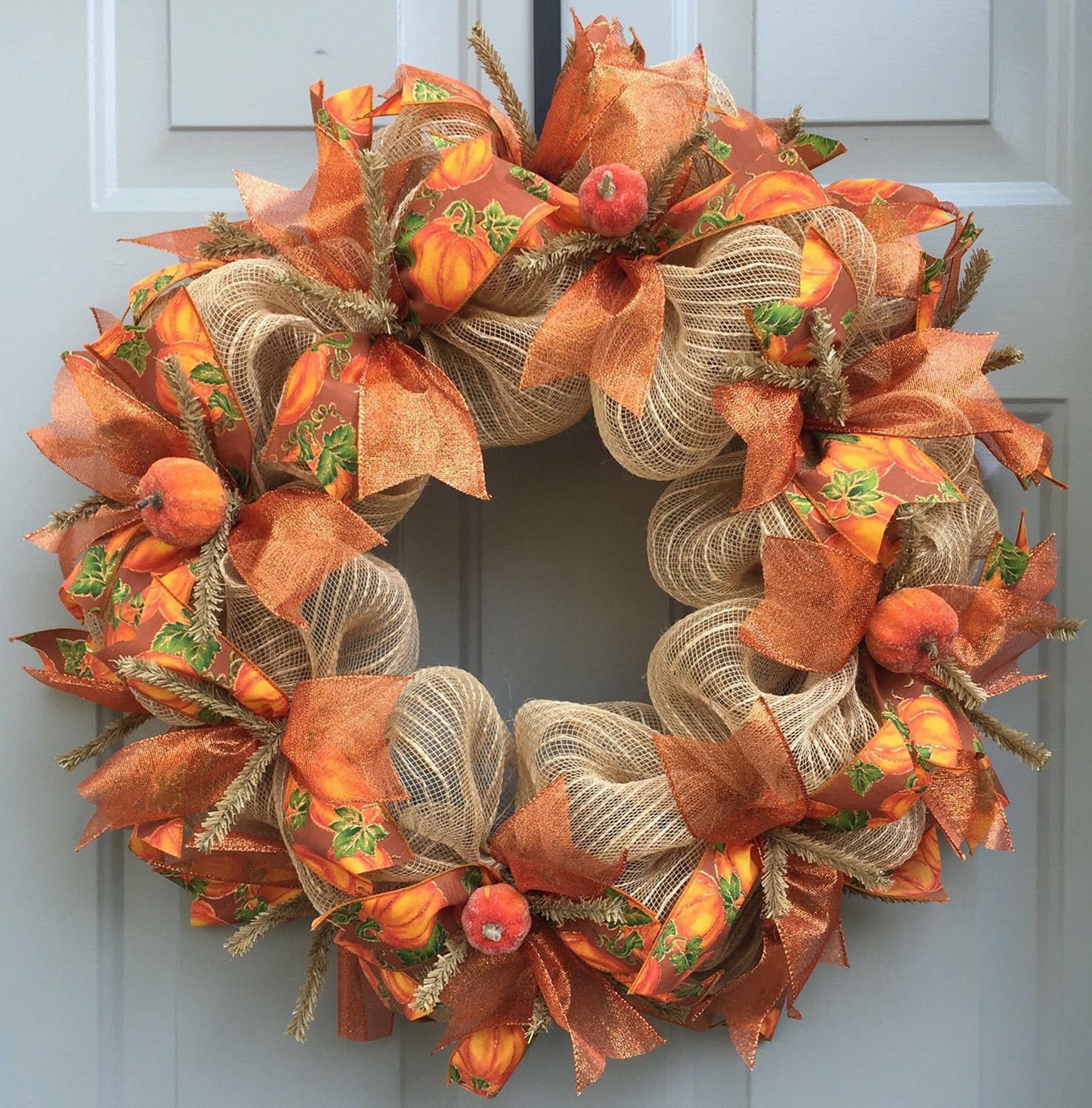
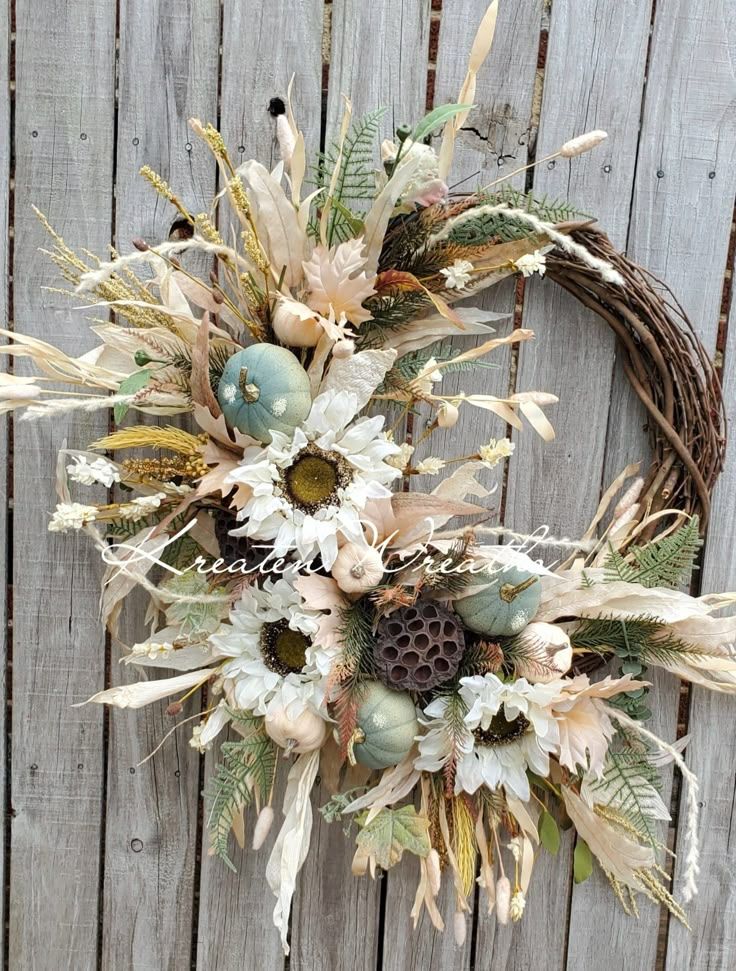
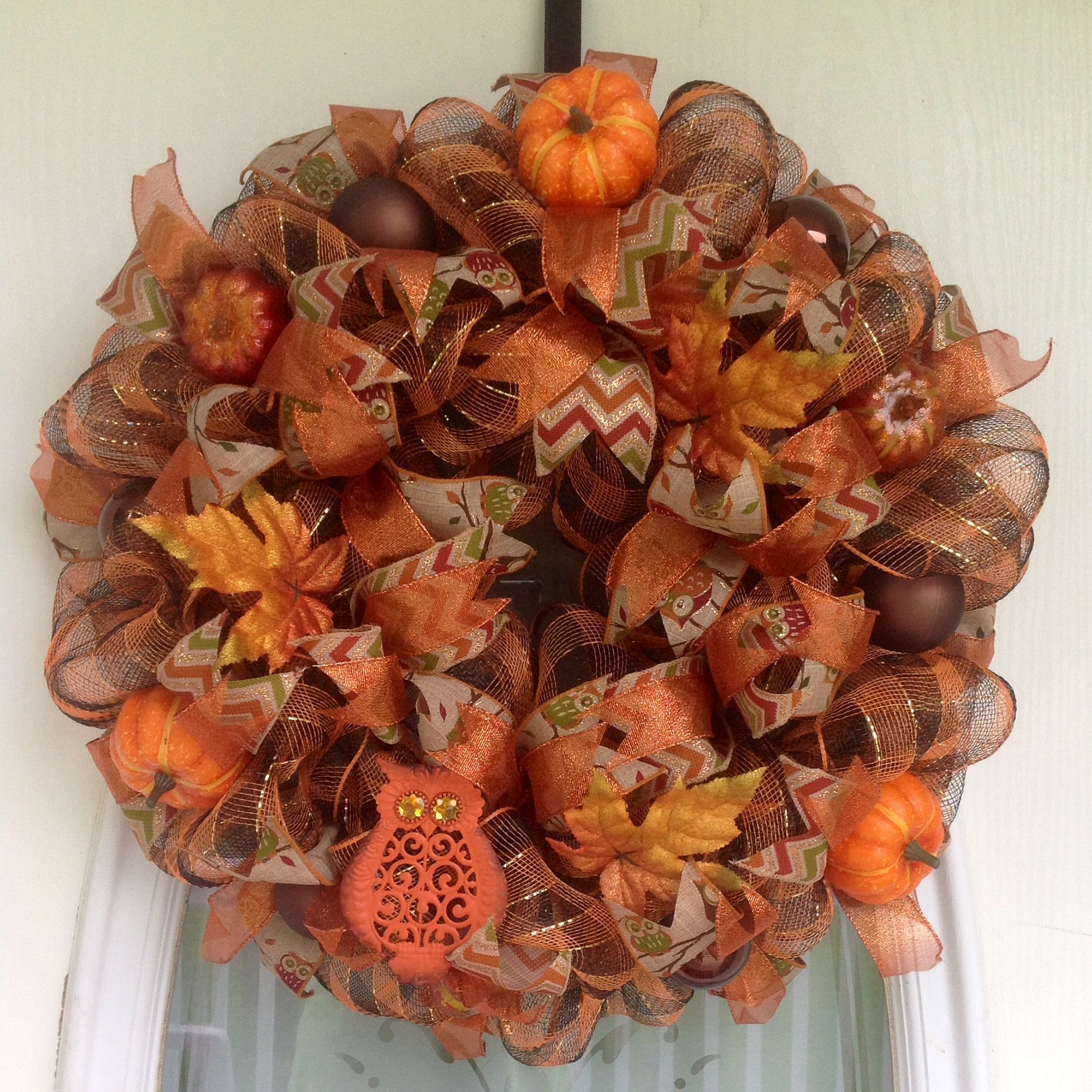
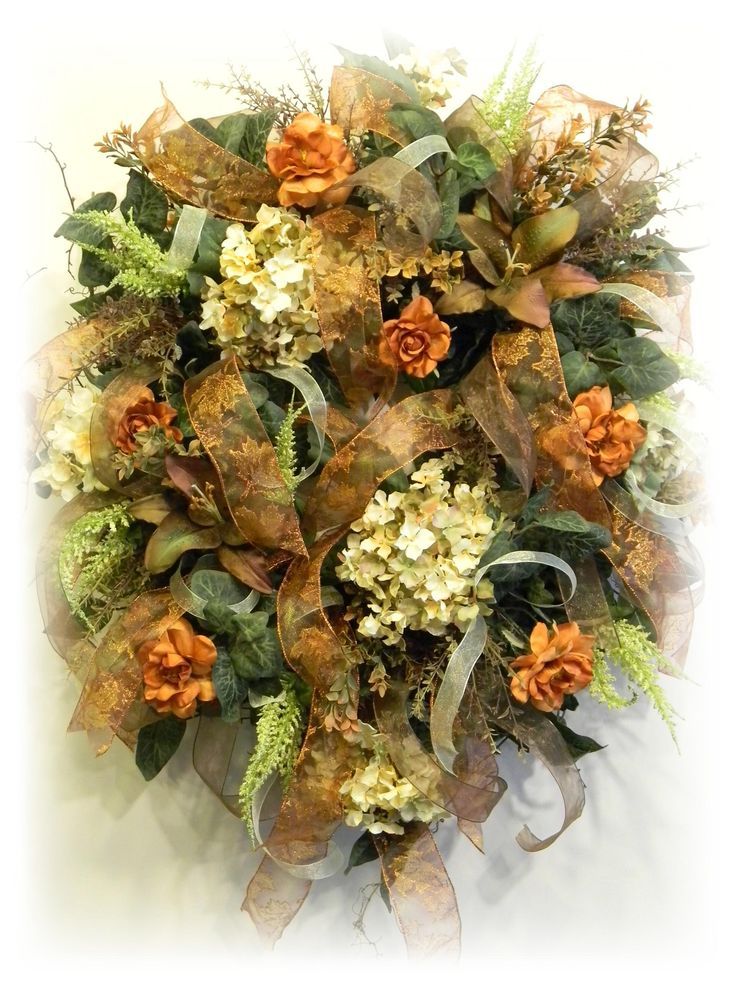
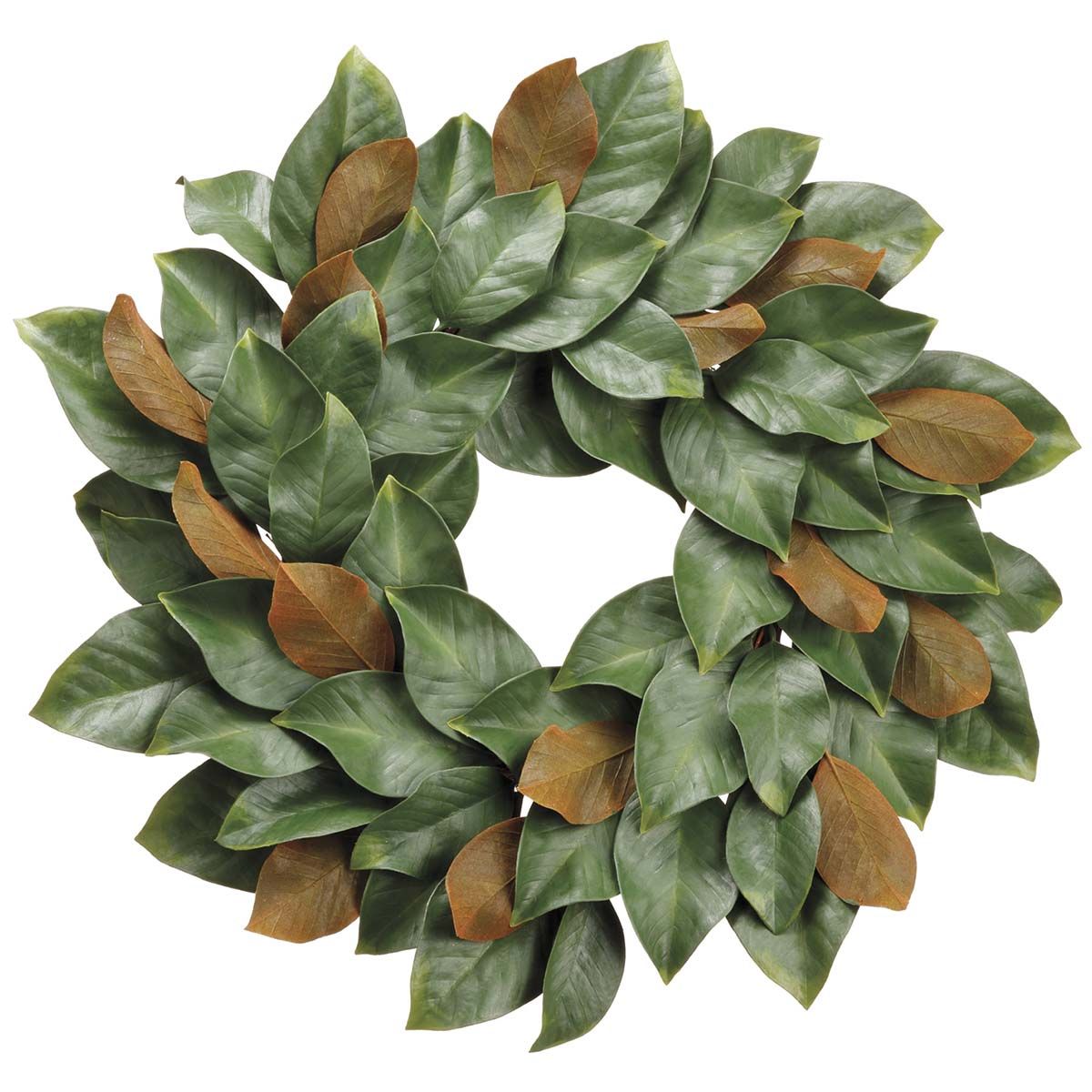
Welcome, fellow wreath enthusiasts. Are you prepared to move past the fundamental wreath-making techniques and dive into the exciting universe of multi-orange and brown wreath designs? This article is your all-inclusive guide, packed with insights gained from years of hands-on experience, industry knowledge, and a passion for creating breathtaking seasonal decorations. We’ll explore everything from choosing the perfect materials to mastering advanced arrangement strategies, all while inspiring your own unique creative vision. Let’s get started, shall we?
The allure of the fall season is undeniable. Its warm colors, cozy textures, and the promise of festive gatherings inspire us to bring that same feeling into our homes. And what better way to do that than with a beautifully crafted wreath? While single-color wreaths have their charm, the real artistry lies in weaving together the rich tapestry of oranges, browns, and their complementary shades. This article is designed to equip you with the knowledge and skills to go beyond the basics and create wreaths that are not just decorations, but true works of art. We’ll cover everything from choosing the right base to incorporating unique textures, all with the goal of helping you craft wreaths that capture the essence of autumn. Furthermore, our aim is to help you produce works of art and not just decorations, but true works of art, and we will do so by providing you with all the information you need. Let’s get started, shall we?
Selecting Your Palette: The Foundation of a Stunning Wreath
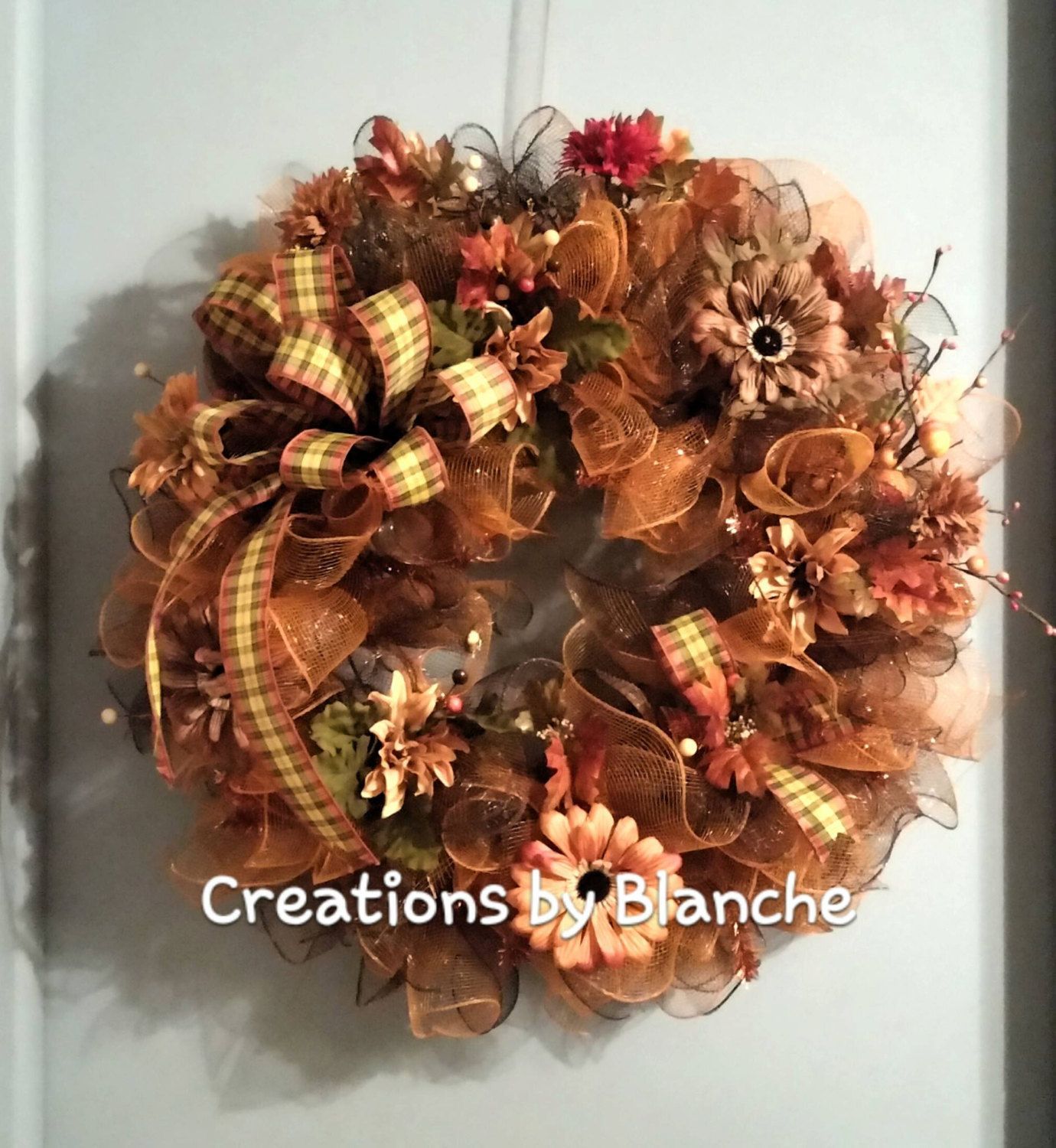
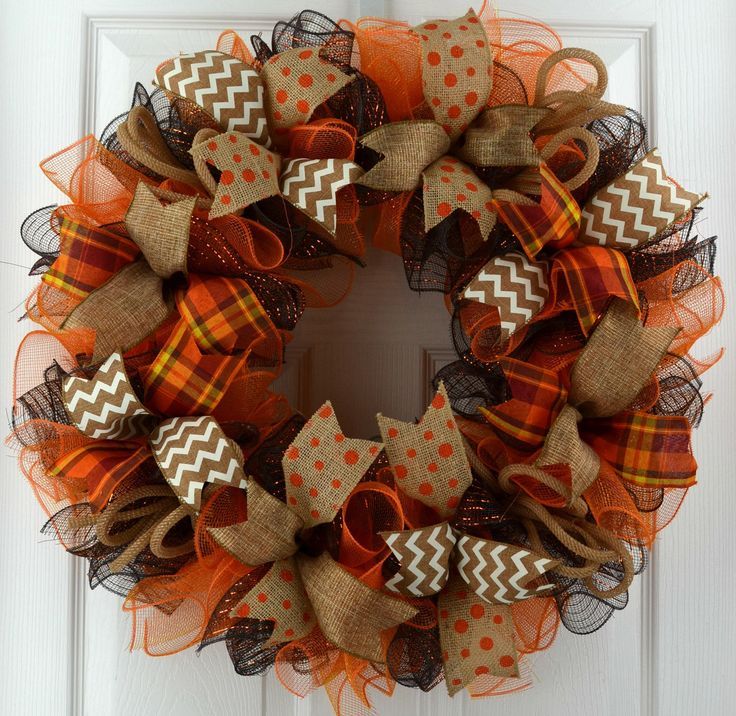
The heart and soul of any multi-orange and brown wreath is, of course, its color palette. This is where you set the mood and define the overall aesthetic. Think beyond basic orange and brown; explore the nuances. Consider these shades:
- Oranges: Burnt orange, rust, tangerine, pumpkin, and a touch of coral for a pop of vibrancy.
- Browns: Chocolate, cinnamon, espresso, tan, and even touches of cream or beige to lighten the composition.
- Complements: Dark greens (olive, forest), deep reds (burgundy, maroon), and touches of gold or bronze can add depth and visual interest.
Experiment with different combinations. A wreath dominated by burnt orange and chocolate brown will evoke a sense of rustic warmth, while a blend of tangerine, tan, and cream might feel more modern and airy. Gather fabric swatches, paint chips, or even natural elements like dried leaves and berries to help you visualize your color scheme before you begin.
Material Matters: Beyond the Artificial
While artificial materials have their place, incorporating natural elements elevates your wreaths to another level. Think about the texture you wish to have. Here’s a breakdown of materials to consider:
- Base: Grapevine wreaths provide a natural, rustic foundation. Straw wreaths are also a good option and can be easily covered. Wire frames offer flexibility in terms of shape and size.
- Foliage: Dried leaves (oak, maple, magnolia), faux fall foliage (consider the quality!), and preserved eucalyptus are all great choices.
- Berries & Fruits: Incorporate faux berries (orange, red, brown), dried orange slices, and small pinecones for added dimension and interest.
- Ribbons & Embellishments: Burlap ribbons add a rustic touch, while velvet or satin ribbons offer a touch of luxury. Consider adding small wooden beads, acorns, or other seasonal charms. The possibilities are truly endless, and your only limit is your imagination and the availablity of the products.
Arrangement Techniques: Creating Visual Harmony and Balance
The way you arrange your materials is key to a successful wreath. Here are some advanced techniques to consider:
- Layering: Build depth by layering different textures and materials. Start with a base layer of foliage, then add larger elements like berries and pinecones, and finally, accent with smaller details.
- Asymmetry: Embrace asymmetry to create a more dynamic and interesting design. Instead of placing elements evenly around the wreath, cluster them in one area or distribute them unevenly. This draws the eye and adds visual intrigue.
- Focal Points: Designate a focal point, a specific area that draws the viewer’s attention. This could be a cluster of vibrant berries, a unique embellishment, or a particularly beautiful arrangement of foliage.
- Movement and Flow: Consider the direction of the elements. Do they flow in a circular motion, or do they cascade downwards? The direction can significantly impact the overall aesthetic. Remember to always consider balance, a key aspect to the creation of a fantastic and beautiful piece of art.
Textural Variety: The Art of Mixing and Matching
Texture is what makes a wreath truly captivating. Don’t be afraid to mix different textures to create visual interest:
- Contrast: Pair rough textures (burlap, dried leaves) with smooth textures (velvet ribbons, glossy berries). This contrast creates a visually stimulating experience.
- Repetition: Repeat certain textures throughout the wreath to create a sense of cohesion. For example, use several different types of berries, or repeat the use of a particular type of leaf.
- Natural vs. Artificial: Combine natural and artificial elements to achieve a balanced look. The natural elements provide authenticity, while the artificial ones offer durability and variety. Careful consideration and planning are key.
Adding Personal Touches: Making It Your Own
The true magic of wreath making lies in personalization. Here are some ideas to make your wreath unique:
- Monograms: Add a monogram or initial using wooden letters, wire, or even fabric. This is a great way to personalize a gift or create a welcoming statement for your home.
- Family Photos: Incorporate small, framed photos of family members. This is an especially thoughtful touch for fall celebrations or as a gift for loved ones.
- Vintage Finds: Incorporate vintage buttons, brooches, or other small treasures. These items add character and tell a story.
- Seasonal Embellishments: Add seasonal details like miniature pumpkins, gourds, or other autumn-themed charms. These elements will help your wreath feel specifically tailored to the season. Your imagination is the only limit.
Troubleshooting and Fine-Tuning: Achieving Wreath Perfection
Even experienced wreath makers encounter challenges. Here’s how to overcome them:
- Uneven Distribution: If your wreath looks unbalanced, add elements to the sparse areas. Step back and view your work from a distance to assess the overall composition.
- Color Clashes: If colors don’t seem to be working together, try removing one or two elements and re-evaluating. Sometimes, less is more.
- Loose Elements: Secure any loose elements with floral wire or hot glue. Test the stability of your wreath by gently shaking it before hanging.
- Finishing Touches: Once your wreath is complete, step back and assess it. Does it need any final adjustments? Add a ribbon or embellishment to give it that final touch. Take your time, and don’t be afraid to make changes until you are completely satisfied with the result.
Congratulations. You’re now armed with the knowledge and inspiration to create stunning multi-orange and brown wreaths. Remember, the most important thing is to have fun, experiment with different techniques, and let your creativity shine. Don’t be afraid to try new things, make mistakes, and learn from them. The world of wreath making is vast and rewarding, and the joy of creating something beautiful with your own hands is immeasurable. Now go forth, and make your home a warm and welcoming haven for the fall season. Happy crafting, and may your wreaths bring joy to all who see them.