When it comes to outdor furniture, two names consistently surface: teak and wicker. They’re renowned for their beauty, certainly, but more importantly, for their perceived toughness. But what exactly makes them so resilient. Is it just hype, or is there something truly special beneath the surface? As someone who has spent decades working with these materials, I can tell you there’s a fascinating story behind their lasting power that goes far beyond simple aesthetics. Let’s delve into what makes these materials truly stand out in the world of outdoor living spaces.
For many, the choice of outdoor furniture comes down to a blend of style and substance. We want something that looks great, feels comfortable, and, crucially, lasts through all sorts of weather conditions. Teak and wicker often top the list, and for good reason. My journey into the world of outdoor durability began not in a showroom, but in workshops and lumberyards, understanding the very fibers of these materials. I’ve seen them endure scorching summers and freezing winters, and I’ve learned that their lasting appeal isn’t just about their initial appearance, but about their inherent structural integrity and how they’re cared for. This piece isn’t just about what makes them durable; it’s about why they’re durable and how you can truly appreciate that durability.
Teak: Nature’s Own Weather Warrior
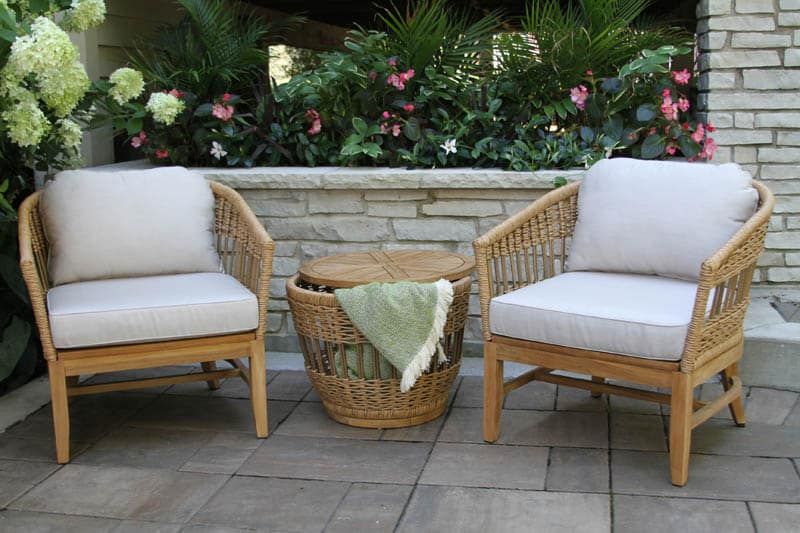
Let’s kick things off with teak. This isn’t just any wood; it’s practically a legend in the outdoor furniture world. The durability of teak comes down to a few key biological and structural characteristics that are, frankly, quite amazing. First off, it’s incredibly dense. Think about it: a really solid, heavy wood. This density means it’s less prone to warping, cracking, or splintering, even with big temperature swings.
Secondly, and this is the real secret sauce, teak is naturally rich in oils and rubber. These natural compounds act as an internal waterproofing and insect repellent system. It’s like the tree itself evolved to be an outdoor champion. You don’t need to treat it with a bunch of chemicals to make it weather-resistant; it already is. This is why you often see old teak benches in parks that have been sitting outside for decades, turning that beautiful silvery-gray patina, yet still structurally sound. They don’t rot easily, they resist fungal growth, and bugs generally aren’t interested in making a meal out of them. This inherent resilience is what sets true, high-quality teak apart from other woods that might look similar but lack these vital natural defenses.
Understanding Wicker: Natural vs. Synthetic
Now, wicker is a bit different because ‘wicker’ isn’t a material itself; it’s actually a weaving style. When people talk about wicker furniture, they’re usually referring to pieces made from a variety of materials woven together. The durability of ‘wicker’ then depends entirely on what it’s made from.
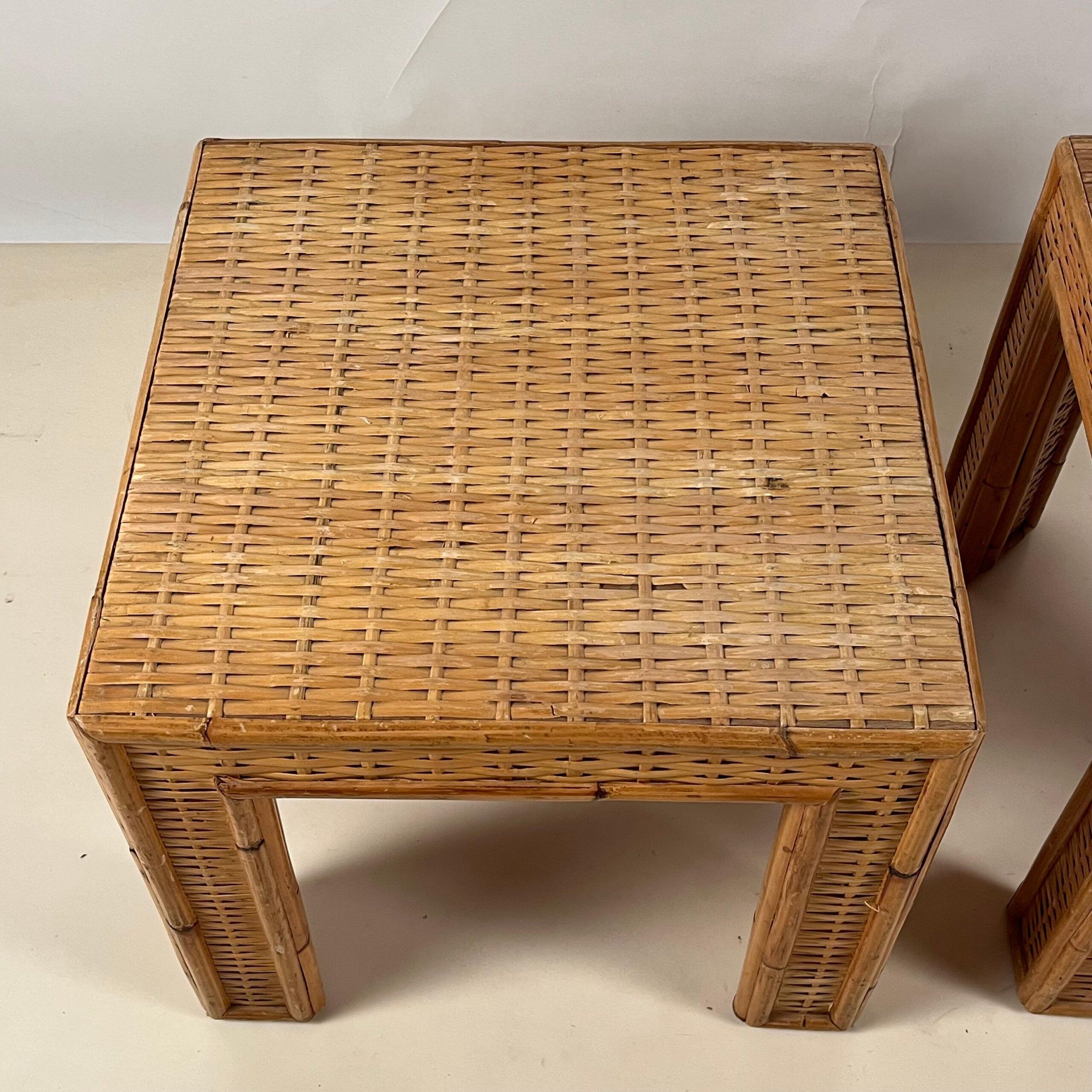
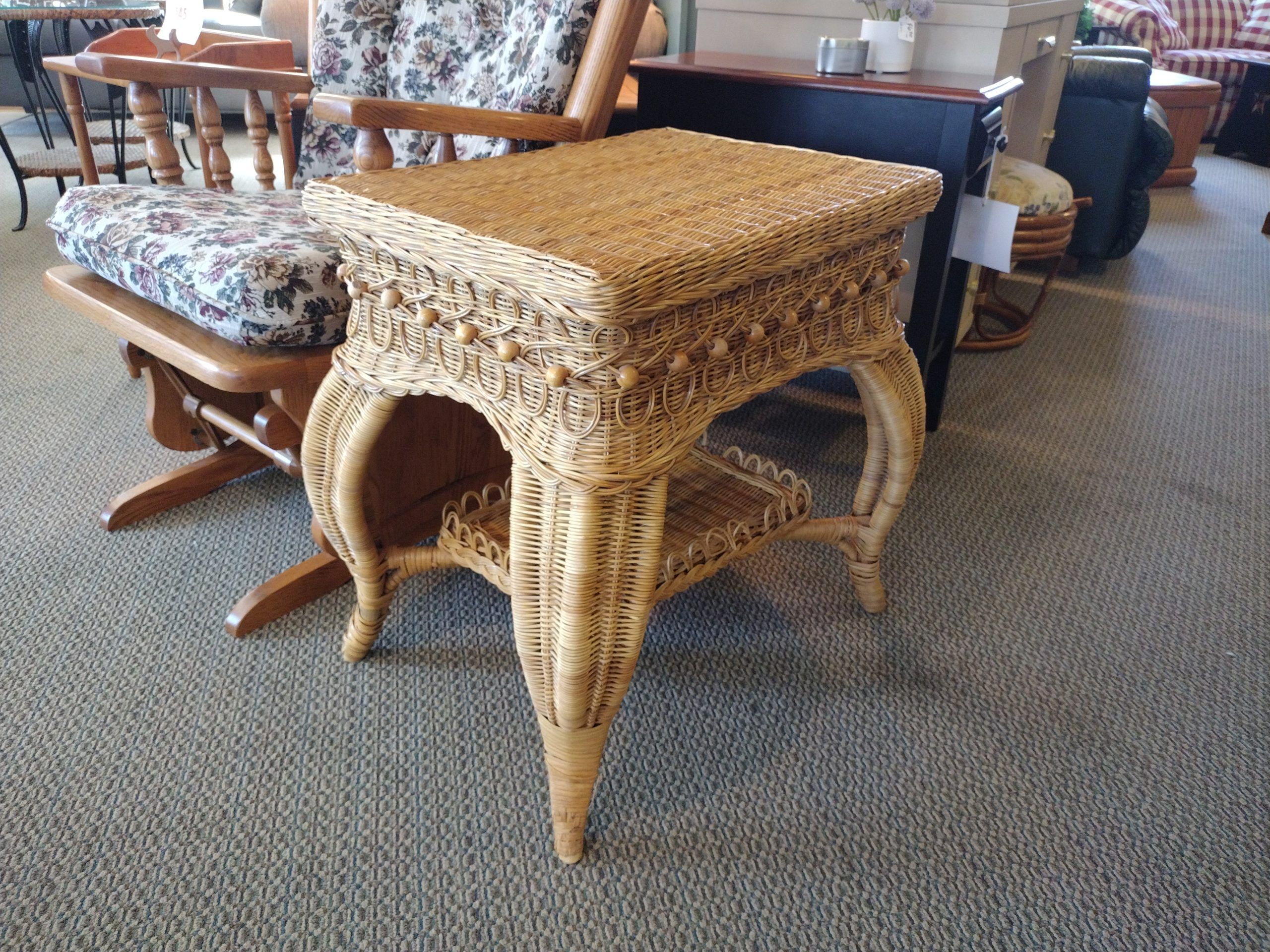
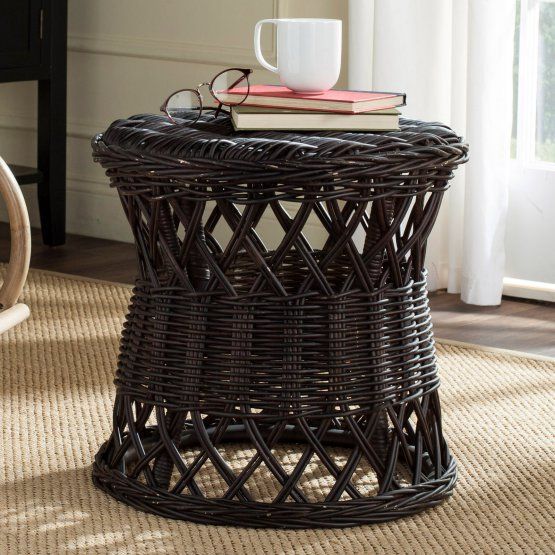
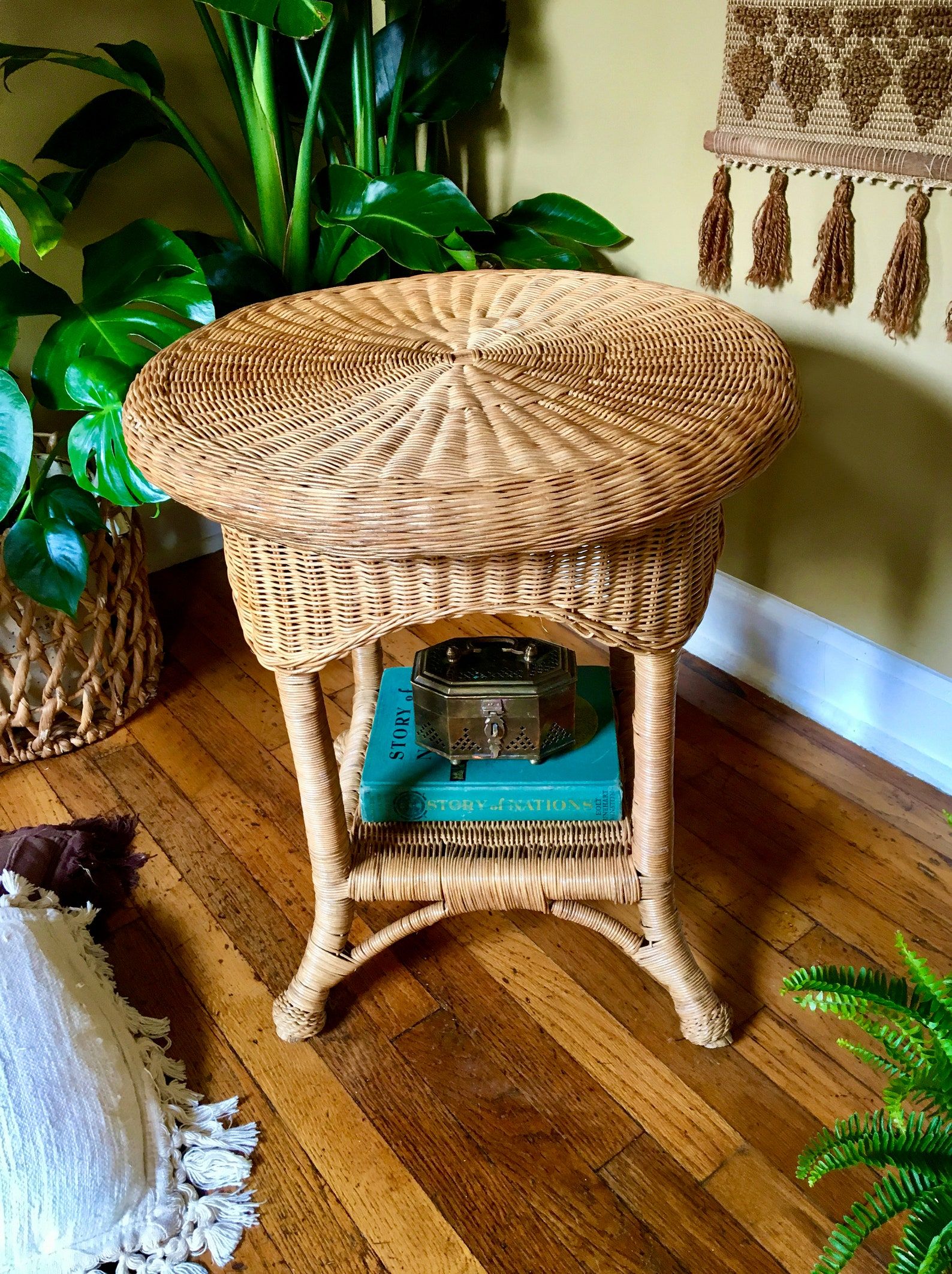
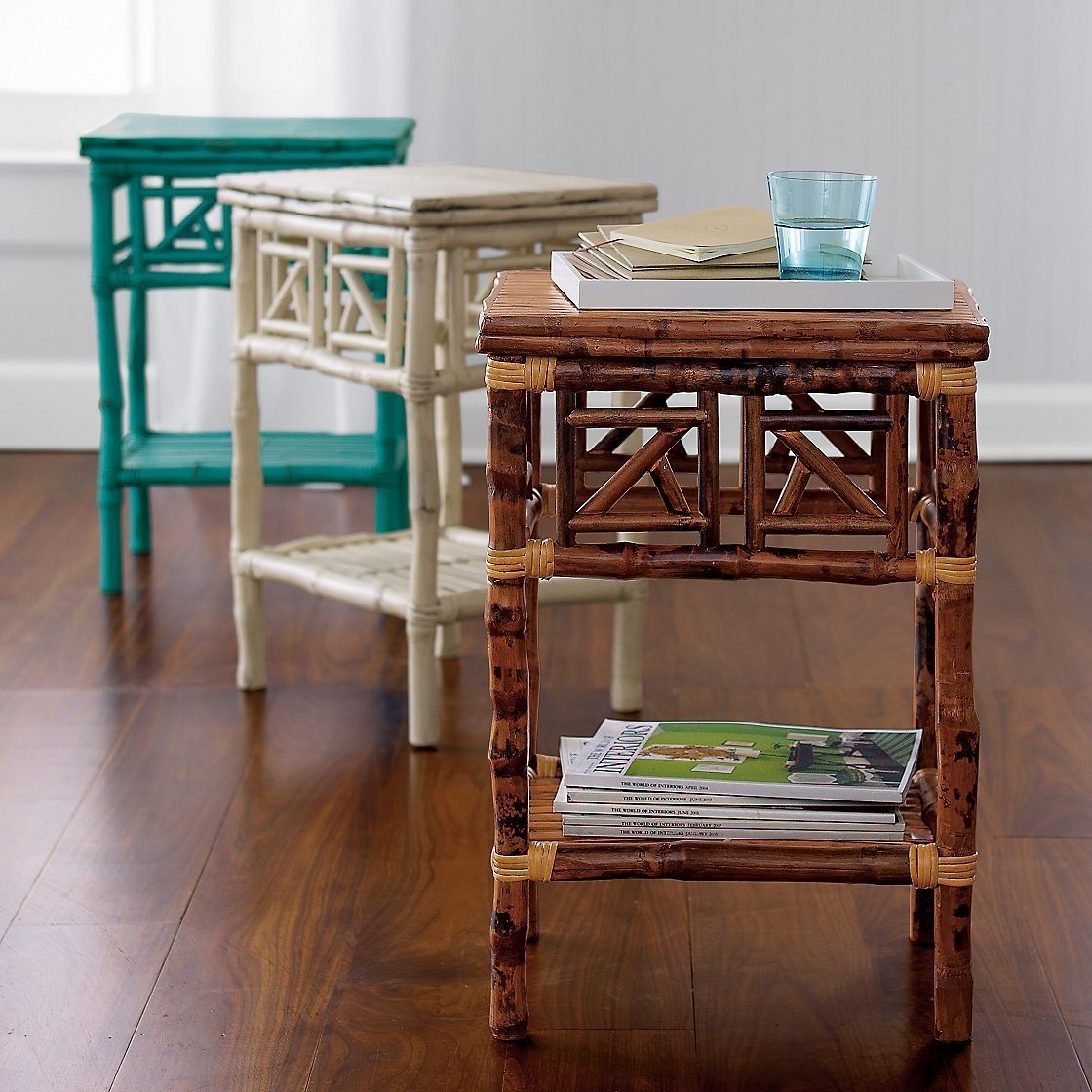
Natural Wicker: Traditionally, natural wicker is crafted from materials like rattan, bamboo, willow, or even cane. Rattan, in particular, is quite strong and flexible, making it excellent for weaving. However, natural wickers generally don’t hold up well to prolonged exposure to direct sunlight and moisture. The sun can make them brittle, and rain can cause them to swell, mold, or unravel. I’ve seen many beautiful natural wicker pieces brought indoors after a single season because they just couldn’t handle the elements.
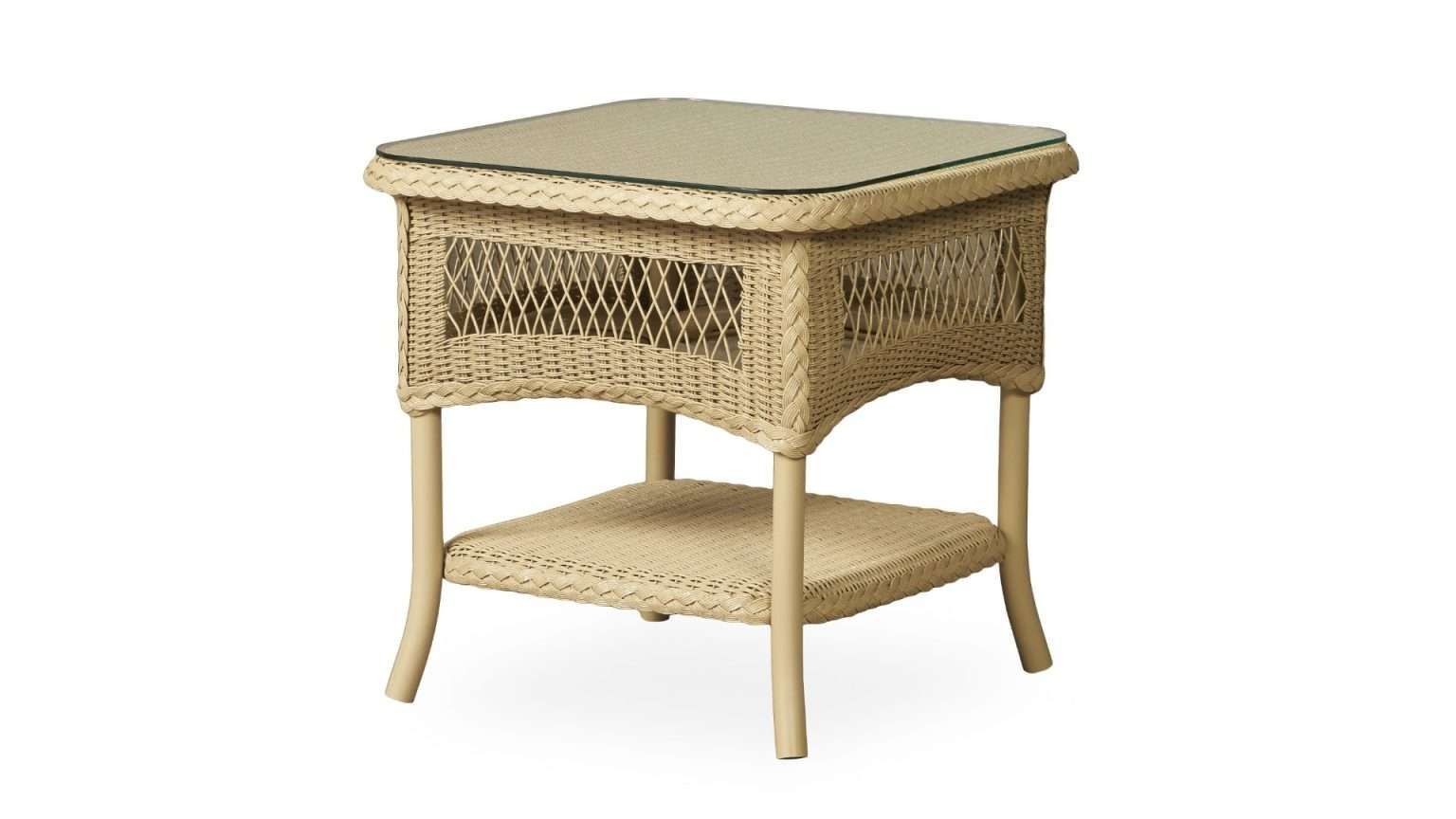
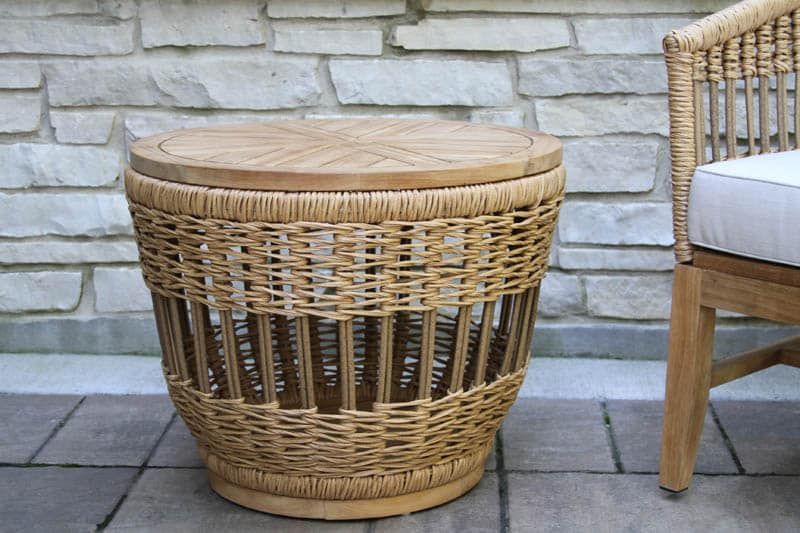
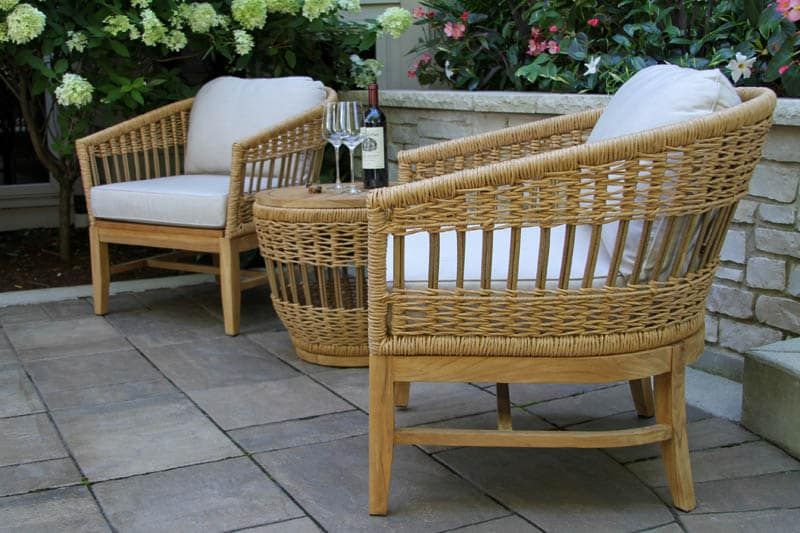
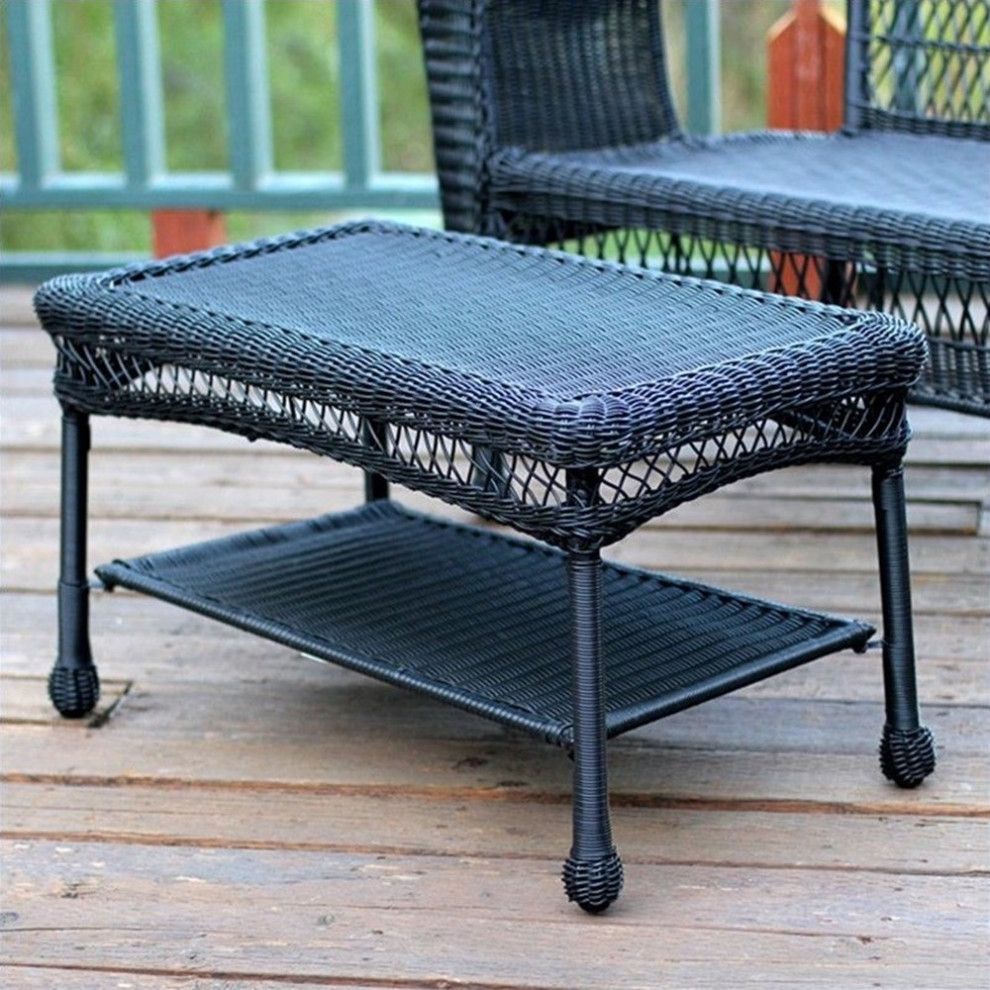
Synthetic Wicker (Resin Wicker/All-Weather Wicker): This is where the true outdoor durability of ‘wicker’ comes into play. Most modern outdoor wicker furniture is made from synthetic fibers, primarily high-density polyethylene (HDPE) or PVC. HDPE is the gold standard here. It’s UV-resistant, meaning it won’t fade or become brittle in the sun. It’s also completely impervious to moisture, so it won’t rot, mold, or mildew. It’s incredibly flexible, which prevents cracking, and it can withstand significant temperature fluctuations. When you hear about ‘all-weather wicker’ lasting for years outdoors, they’re almost certainly talking about a high-quality synthetic version. The key is to look for HDPE, as it offers superior longevity and performance compared to cheaper PVC alternatives.
The Foundation: Frames and Construction Matter
Beyond the material itself, the underlying construction of both teak and wicker furniture plays a monumental role in its overall durability. You can have the best teak or the finest HDPE wicker, but if the frame is flimsy or poorly assembled, the piece won’t last.
For teak furniture, look for robust joinery. Mortise and tenon joints, dowels, and solid brass or stainless steel hardware are indicators of quality. Screws alone aren’t enough; the wood needs to be skillfully joined together to withstand stress and movement. A well-constructed teak piece feels solid and doesn’t wobble. I always tell people to give it a good shake – if it feels loose, walk away.
For wicker furniture, especially synthetic, the frame is almost always aluminum. Aluminum is fantastic because it’s lightweight, strong, and most importantly, it doesn’t rust. Rusting frames are a common failure point for outdoor furniture made with steel or iron, even if they’re powder-coated. Ensure the aluminum frame is fully welded, not just bolted together, for maximum strength and stability. A good quality synthetic wicker piece will have a sturdy, often powder-coated aluminum frame that will outlast the weaving itself.
Maintenance: The Unsung Hero of Longevity
Even the most durable materials benefit from a little TLC. Maintenance isn’t about making a material durable; it’s about preserving its inherent durability and extending its lifespan.
Teak Maintenance: The beauty of teak is its low maintenance. If you love the silvery-gray patina, you don’t really need to do anything! Just a periodic cleaning with mild soap and water to remove dirt and grime is sufficient. If you prefer to maintain the warm, golden-brown color, you’ll need to apply a teak sealer or oil annually. This helps replenish the natural oils that can slowly leach out over time. However, be warned: once you start oiling, you generally need to continue it, as the color can become uneven if you stop. The most important thing is to avoid harsh chemicals or pressure washers, which can damage the wood fibers.
Wicker Maintenance: Synthetic wicker is equally easy to care for. A simple wash with soap and water is usually all it takes to keep it looking fresh. For stubborn dirt or mildew, a soft brush can be used. The key is to keep it clean, especially in humid environments, to prevent any mildew from forming on the surface. Natural wicker, on the other hand, requires more delicate handling. It needs to be kept dry and out of direct, intense sunlight. Regular dusting and occasional gentle cleaning are important, and it might benefit from an occasional light application of linseed oil to prevent it from drying out and cracking. Understanding these simple maintenance steps can add years to the life of your furniture, regardless of the material.
Climate Considerations: Where Durability is Tested
The climate where your furniture resides plays a huge part in its performance and longevity. What’s durable in a dry, temperate climate might struggle in a humid, coastal one, or a region with extreme temperature swings.
Teak excels in virtually all climates due to its natural oils and density. It handles humidity without rotting and extreme temperatures without significant cracking. However, in very wet environments, ensuring good air circulation around the furniture can help prevent any surface mildew, though it won’t affect the wood’s integrity.
Synthetic Wicker (HDPE) is also a true all-rounder. Its UV resistance makes it ideal for sunny climates, and its imperviousness to water means it thrives in humid or rainy areas. It doesn’t expand or contract significantly with temperature changes, making it suitable for regions with harsh winters or scorching summers. Natural wicker, as mentioned, is much more sensitive. It’s best suited for covered patios, sunrooms, or climates where it can be easily moved indoors during inclement weather. Ignoring climate factors is a common mistake that leads to premature wear and tear, even for allegedly ‘durable’ materials.
The Investment: Quality Over Cheap Imitations
Finally, it’s crucial to address the investment aspect. True durability often comes with a higher upfront cost, and for good reason. Cheap imitations of teak or synthetic wicker might look similar on the surface, but they lack the inherent qualities that make the real deal so long-lasting.
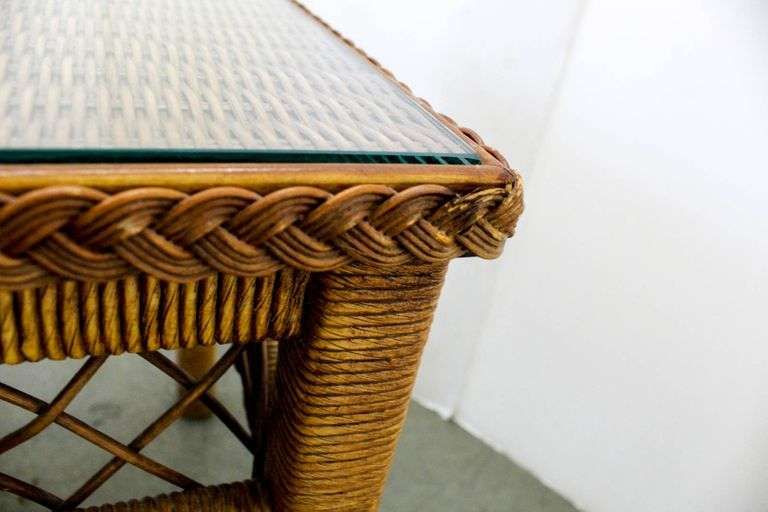
For teak, ensure you’re buying genuine Tectona grandis, preferably from sustainable sources. Cheaper ‘teak-look’ woods often don’t have the same oil content or density and will degrade quickly. For wicker, always opt for high-quality HDPE synthetic fibers over cheaper PVC. PVC tends to become brittle, crack, and fade much faster. The weaving should be tight and consistent, not loose or sloppy. Investing in quality materials and construction means you’re buying furniture that isn’t just beautiful, but also truly built to last for many, many years, often becoming a cherished part of your outdoor space rather than a disposable item. This isn’t just about saving money in the long run; it’s about enjoying your outdoor living without constant worry about replacement.
Beyond the initial shine and attractive designs, the true durability of teak and wicker lies in a combination of inherent material properties, meticulous construction, and thoughtful maintenance. Teak, with its natural oils and density, stands as a testament to nature’s engineering, while high-quality synthetic wicker, particularly HDPE, showcases the triumphs of modern material science. Understanding these underlying factors allows us to make informed choices, ensuring that our outdoor spaces are not just beautiful, but also equipped with furnishings that will stand the test of time, weather, and life itself. It’s about looking past the surface and appreciating the deeper story of resilience these materials tell.