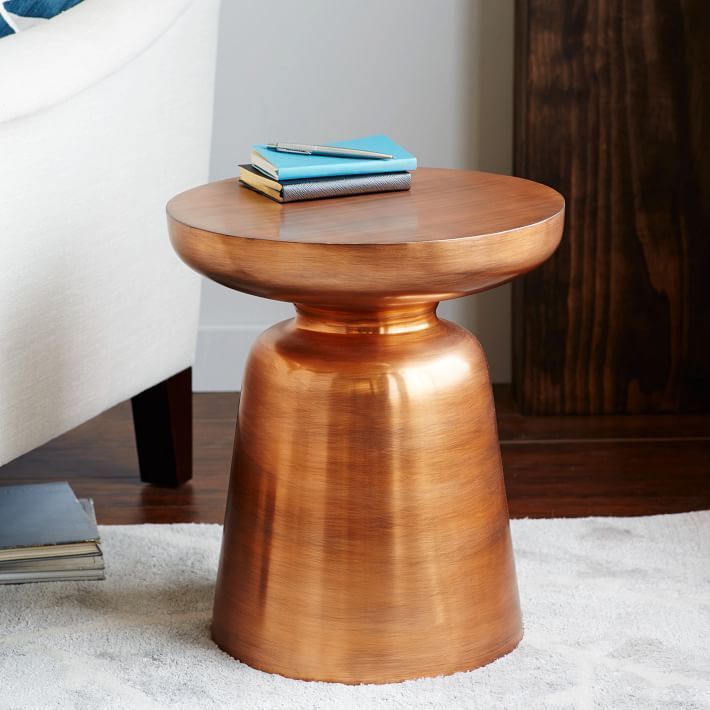
We often take them for granted, these silent workhorses of our homes and offices. Tables. But beneath their often-pristine surfaces lies a fascinating universe of materials, engineering, and design. As someone who has spent decades literally getting my hands dirty with all things ‘table surface,’ I can tell you, there’s a lot more to it than meets the eye. Let’s peel back the layers, shall we, and truly appreciate the ‘material world beneath white snow’.
Think about it. Every meal shared, every project completed, every conversation held, often happens around a table. Its surface, that immediate point of contact, shapes our experience in ways we rarely consider. It influences everything from acoustics to hygiene, from aesthetics to durability. It’s not just a flat plane; it’s a critical interface between us and our environment. And understanding this is the first step to appreciating the incredible thought and innovation that goes into crafting these foundational pieces of furniture.
The Fundamental Role: Why Surface Matters So Much
Before we delve into specific materials, it’s vital to grasp why the surface is so important. It’s not merely decorative. The table surface is, in essence, the primary functional component. It needs to withstand daily use, resist spills, scratches, and dings, and often, look good doing it. Consider a bustling restaurant: its tables need to endure constant cleaning, hot plates, and accidental impacts, all while maintaining a welcoming appearance. Or a surgical suite, where sterility and ease of disinfection are paramount. The surface dictates the table’s performance and its longevity. It’s the first line of defense, a true workhorse, and its properties directly impact user experience and the overall lifespan of the piece.
A Spectrum of Substances: Common Table Surface Materials
The variety of materials used for table surfaces is truly astonishing, each with its own set of blessings and burdens. Let’s explore some of the most prevalent:
Wood (Solid & Veneer): The classic choice. Solid wood offers unparalleled natural beauty and warmth, developing a lovely patina over time. Think of a grand oak dining table, passed down through generations. However, it requires maintenance and can be susceptible to scratches and water damage. Veneers, thin slices of real wood applied to a substrate, offer the look of solid wood at a lower cost and with greater stability, though they can be less forgiving if deeply scratched.
Laminates (HPL & TFL): These are the unsung heroes of durability and affordability. High-Pressure Laminate (HPL) and Thermally Fused Laminate (TFL) are made by fusing layers of paper and resin under heat and pressure. They come in an almost infinite array of colors and patterns, mimicking everything from wood grain to stone. They’re incredibly resistant to scratches, stains, and heat, making them ideal for high-traffic areas like cafes and offices. The downsides? They can sometimes lack the ‘warmth’ of natural materials and damage can be difficult to repair invisibly. I’ve seen some truly ingenious uses of HPL that are practically indestructible.
Stone (Granite, Marble, Quartz): For a touch of luxury and unparalleled elegance, stone reigns supreme. Granite is incredibly durable and heat-resistant, perfect for kitchen countertops. Marble offers a classic, sophisticated look but is more porous and prone to etching from acids. Quartz, an engineered stone, combines the beauty of natural stone with superior stain and scratch resistance, making it a popular choice. The weight and cost can be significant factors, and a dropped item can chip them. I once saw a beautiful marble table almost ruined by a spilled glass of red wine – a stark reminder of their vulnerabilities.
Glass: From sleek, modern designs to elegant antique pieces, glass offers a light, airy aesthetic. Tempered glass is strong and safe, shattering into small, blunt pieces if broken. It’s easy to clean but shows fingerprints readily and can be prone to scratches. It also has a unique acoustic quality, sometimes amplifying sounds, which is an important consideration in certain environments.
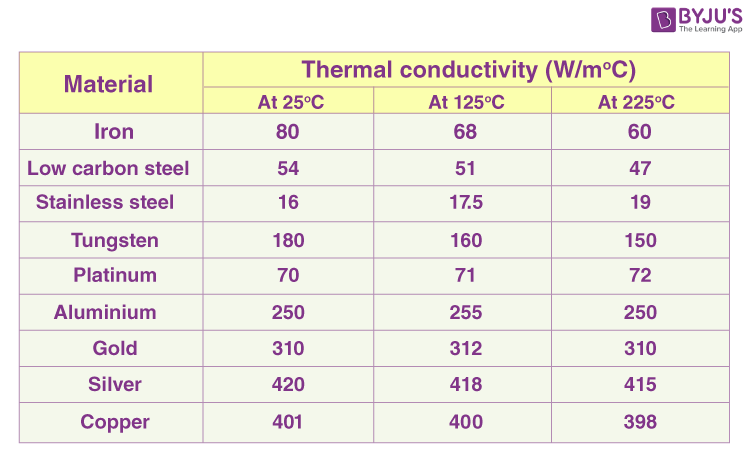
Metal (Stainless Steel, Aluminum, Powder-Coated Steel): Industrial and contemporary, metal surfaces are excellent for durability and hygiene. Stainless steel is a staple in commercial kitchens for its non-porous and easy-to-clean properties. Aluminum is lightweight and corrosion-resistant, often used for outdoor furniture. Powder-coated steel offers a range of colors and a durable finish. They can be cold to the touch and sometimes noisy, and certain metals are prone to scratching or denting.
Innovations and Emerging Trends in Surface Technology
The world of table surfaces isn’t static; it’s constantly evolving. New materials and technologies are emerging, pushing the boundaries of what’s possible.
Solid Surfacing (e.g., Corian, Hi-Macs): These acrylic-based materials are non-porous, stain-resistant, and can be thermoformed into seamless shapes, eliminating visible seams. They’re repairable too; minor scratches can often be buffed out. This makes them fantastic for healthcare settings or bespoke designs where hygiene and unique forms are desired.
Compact Laminates: Thicker and denser than standard laminates, these offer exceptional impact and moisture resistance without the need for a substrate. They’re often seen in outdoor furniture or high-abuse environments due to their extreme durability. They’re almost indestructible, a real game-changer in some applications.
Fenix NTM: This is a fascinating nanotech matte material that’s incredibly soft to the touch, anti-fingerprint, and even capable of thermal scratch repair! A light application of heat can literally ‘heal’ superficial scratches. It’s a premium product, but its properties are truly impressive.
Recycled and Sustainable Materials: With a growing emphasis on environmental responsibility, we’re seeing more surfaces made from recycled content, like recycled plastics, glass, or even reclaimed wood. Companies are also developing bio-based resins and low-VOC (Volatile Organic Compound) finishes to reduce their ecological footprint. This is a trend I’m particularly excited about, as it combines function with a conscience.
Beyond the Material: Design Considerations and Practical Tips
Choosing the right surface isn’t just about the material; it’s also about understanding how it interacts with its environment and intended use. Here are some key considerations and practical tips.
Edge Treatments: The edge of a table is often its most vulnerable point. Different edge profiles (e.g., bullnose, eased, waterfall) not only affect aesthetics but also durability and safety. A well-finished edge protects the core material and prevents chipping or delamination.
Finish and Texture: A matte finish will hide fingerprints better than a high-gloss one. A textured surface can add visual interest and tactile appeal but might be harder to clean. Consider how the finish will interact with light and how it will feel to the touch. A smooth, cool surface feels different from a warm, textured one.
Maintenance and Care: Every material has its own cleaning regimen. Wood needs specific cleaners and occasional oiling. Stone needs sealing. Laminates are generally low-maintenance. Understanding the care requirements upfront will save you headaches down the line. I’ve seen countless tables ruined by improper cleaning methods.
Acoustics: Hard surfaces like glass and stone can reflect sound, making a room feel louder. Softer, more porous materials like wood can absorb sound. This is a crucial factor in open-plan offices or dining areas where noise levels are a concern.
Budget vs. Longevity: While some materials have a higher upfront cost, their durability and longevity might make them more cost-effective in the long run. Conversely, a cheaper material might require more frequent replacement or repair. It’s about finding the right balance for your specific needs and situation.
The Future of Surfaces: Smart and Self-Healing?
What’s next for table surfaces? I believe we’re on the cusp of even more exciting innovations. Imagine surfaces that can wirelessly charge your devices, or even display holographic images. We’re already seeing touch-sensitive surfaces that integrate controls directly into the tabletop. Self-healing polymers, like those used in Fenix NTM, are becoming more sophisticated, promising surfaces that can repair minor damage autonomously.
The integration of ‘smart’ technology will transform tables from passive furniture into interactive hubs. Think about a conference table that tracks attendance, displays presentations, and offers collaborative tools, all through its surface. The possibilities are truly boundless, blurring the lines between furniture and technology, creating surfaces that are not just functional but truly intelligent.
From the humble kitchen table to the grand boardroom centerpiece, the surface is the heart of any table. It’s where life happens, where work gets done, and where memories are made. Understanding the ‘material world beneath white snow’ reveals the incredible craftsmanship, scientific innovation, and thoughtful design that goes into these essential pieces of our environment. The next time you rest your hand on a table, take a moment to appreciate the unsung hero beneath your fingertips. It’s more than just a flat top; it’s a testament to human ingenuity, designed to enhance our daily lives in countless subtle, yet profound, ways. And that, my friends, is a story worth telling.