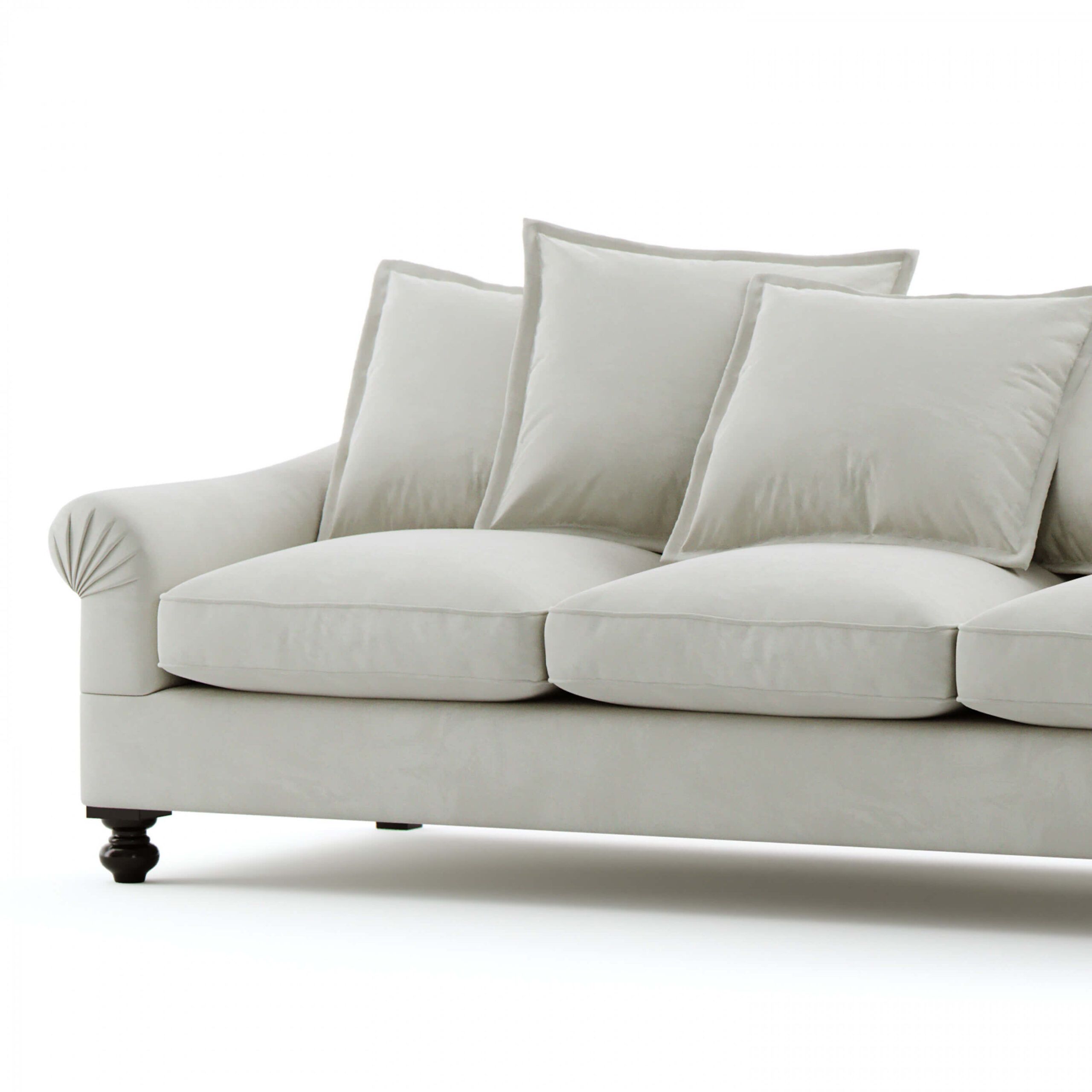
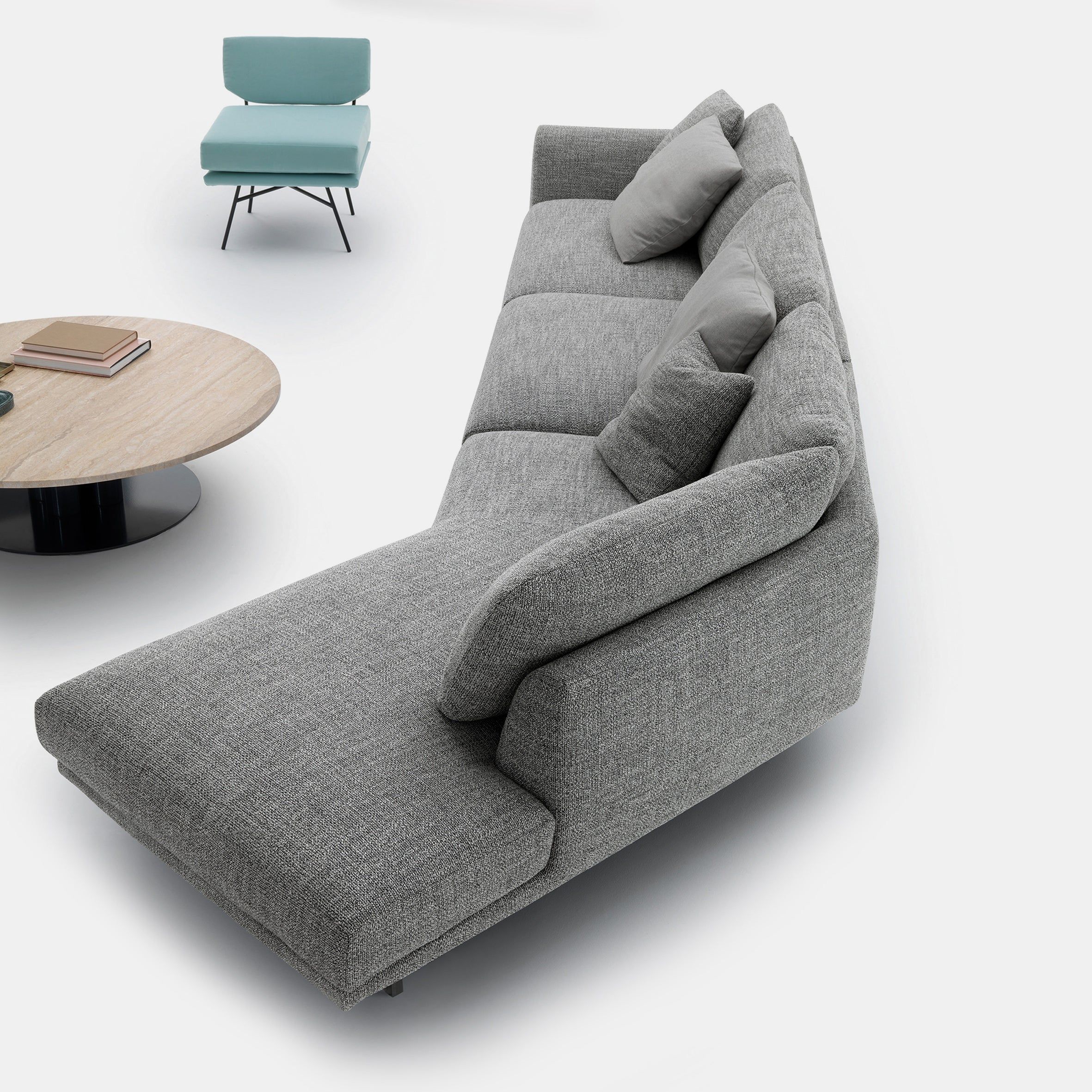
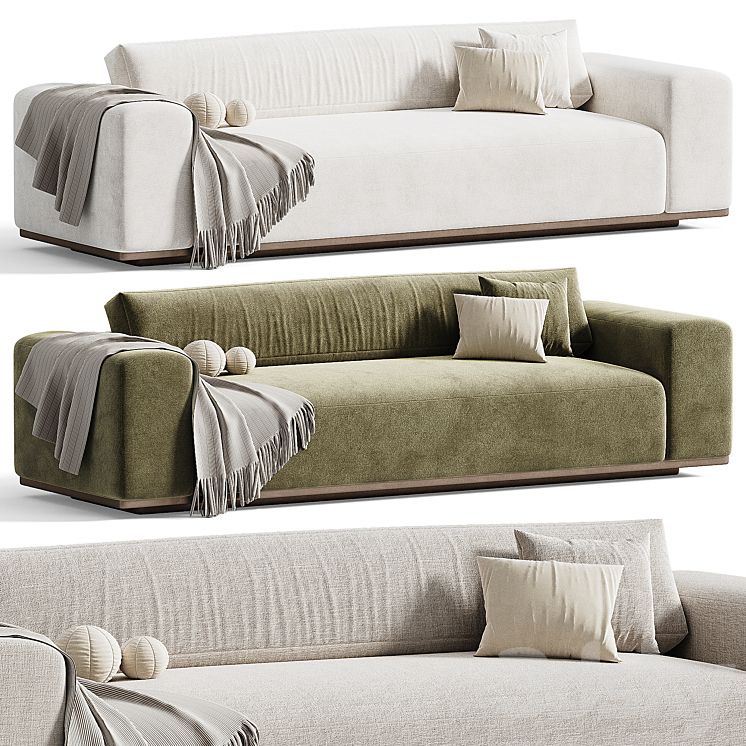
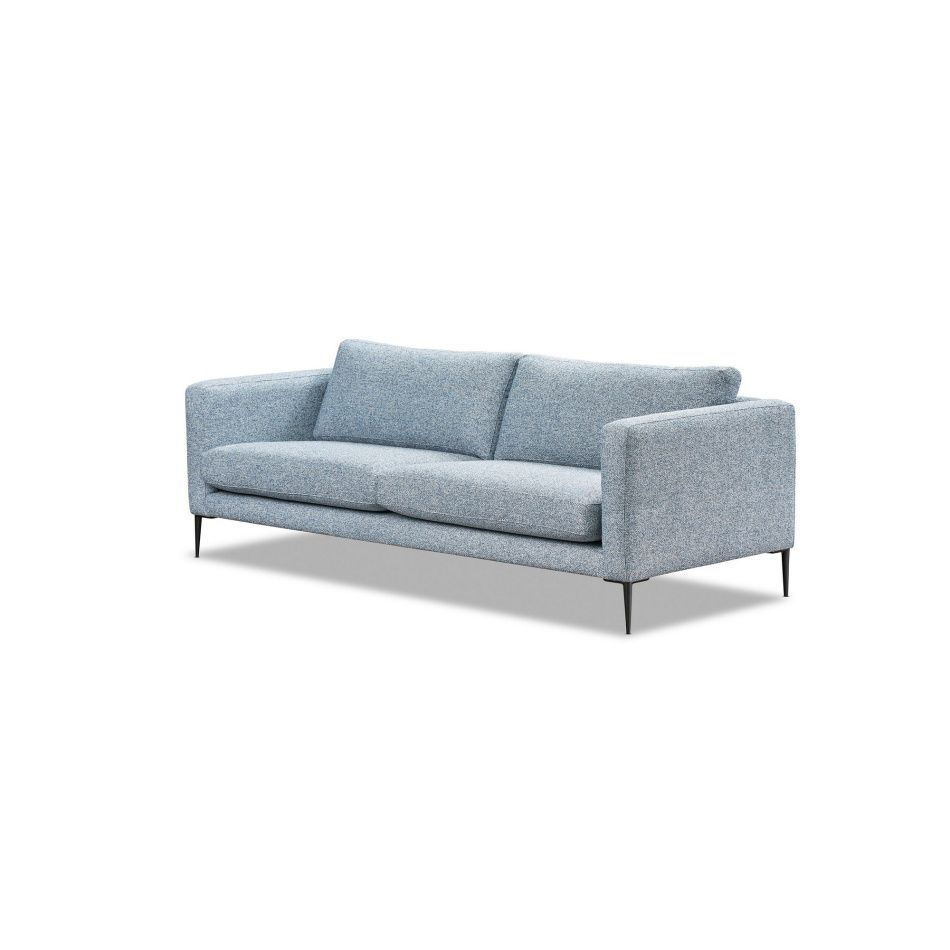
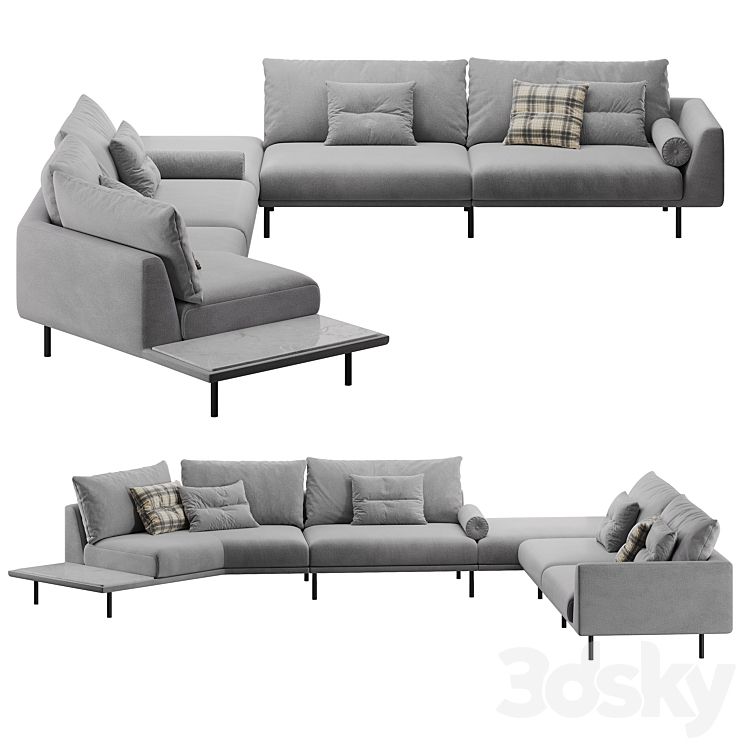
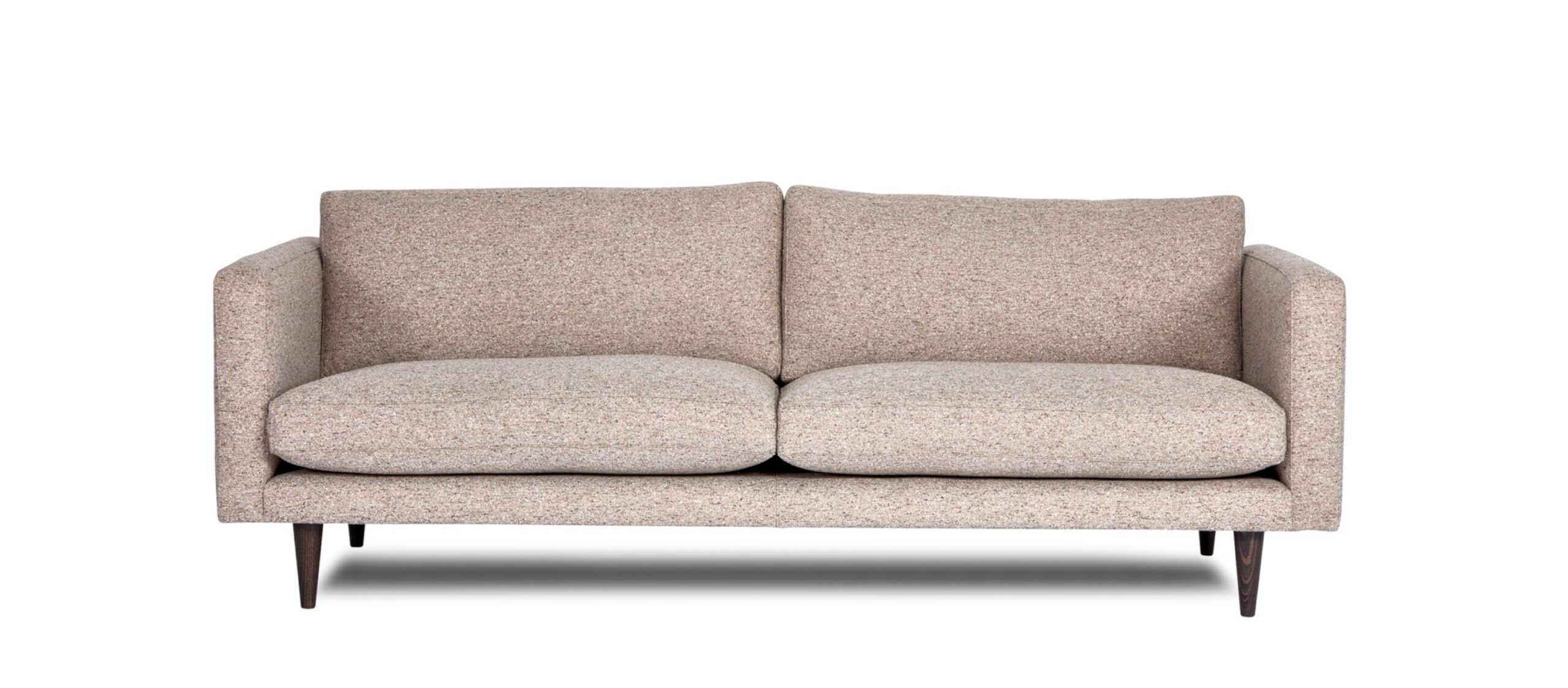
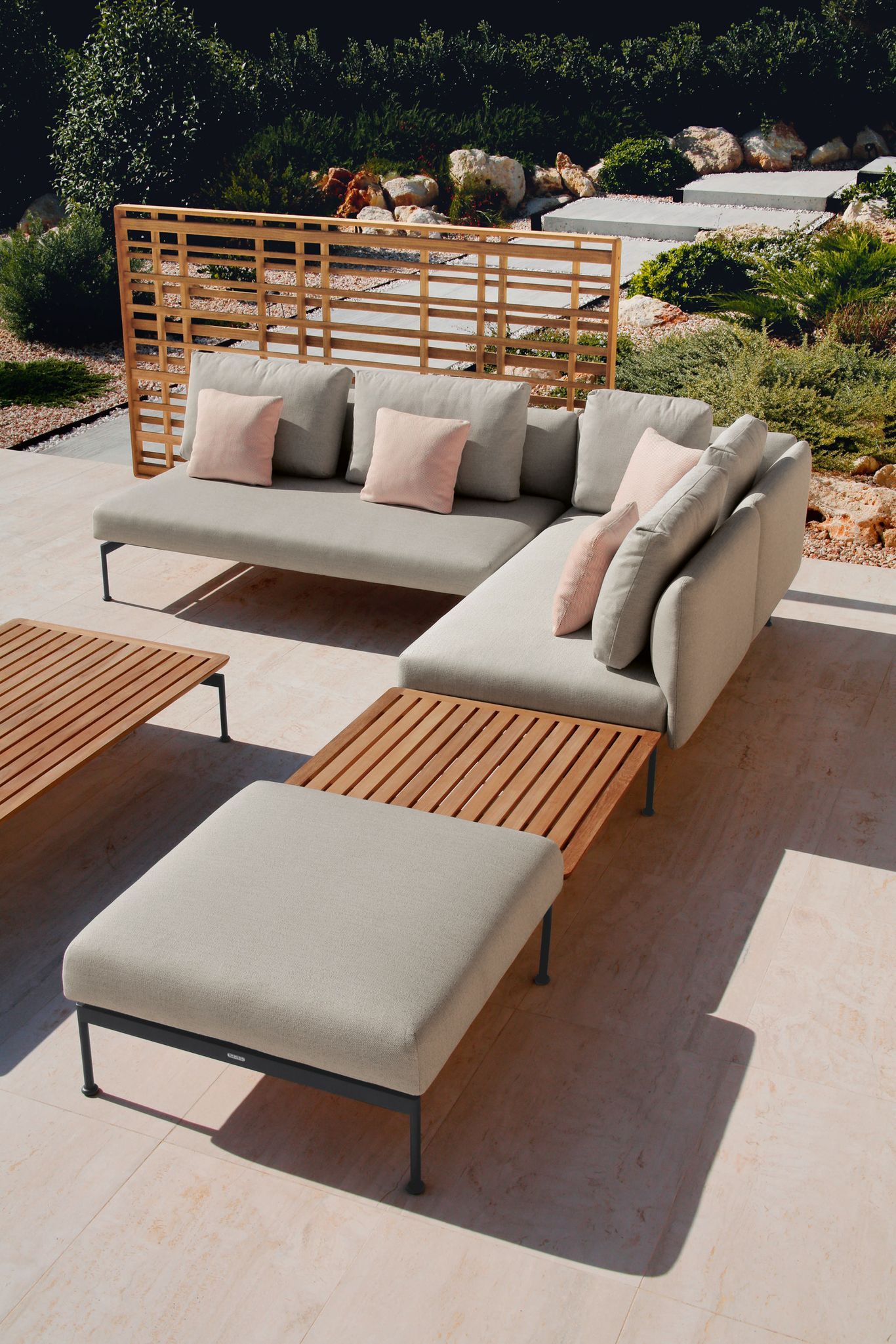
Ah, the Bel Air Sofa. Just saying the name conjures images of Hollywood glamour, sleek lines, and that unmistakable, almost ethereal, silver tone. It’s not just a color; it’s a statement, a signature, and frankly, a bit of an enigma for many. As someone who has spent decades immersed in the world of surface finishes, especially those that achieve such a unique luminescence, I can tell you there’s far more to that silver than meets the eye. It’s a testament to incredible artistry and an almost obsessive attention to detail. Let’s pull back the curtain and truly understand what makes this particular silver ‘tick’ and why it has become so iconic.
When people talk about the Bel Air Sofa, they often mention its comfort, its design, and almost immediately, its stunning silver hue. But what exactly is this ‘silver tone’? Is it paint? A special fabric? Something else entirely? The truth is, it’s a highly sophisticated, multi-layered process that combines material science, expert craftsmanship, and a keen artistic eye. It’s not just about applying a metallic coating; it’s about achieving a specific depth, a particular reflectivity, and a subtle warmth that sets it apart from any other silver finish you might encounter. This isn’t just silver; it’s Bel Air silver, and understanding its creation is like unlocking a secret chapter in the book of luxury design.
The Foundation: Selecting the Core Material
Before any silver can be applied, the foundational material for the sofa’s frame and often, its structural elements, must be chosen with extreme care. For the Bel Air, this isn’t just any metal. We’re talking about high-grade, often aircraft-quality aluminum or a specific alloy of stainless steel. Why these choices, you ask? Well, it’s about more than just strength. These materials offer a superior surface for adhesion and a natural resistance to corrosion, which is absolutely vital for a lasting finish. Think of it like a painter preparing a canvas; the better the canvas, the more vibrant and durable the painting will be. The purity and consistency of this base material are paramount, as any imperfections here will be greatly magnified by the subsequent finishing stages. It’s a common misstep in lesser products, where a cheaper base material leads to a ‘thin’ or ‘patchy’ final look, even if the topcoat is decent. The Bel Air always starts with excellence.
The Pre-Treatment Protocol: A Symphony of Cleanliness and Adhesion
Once the core material is shaped, the real ‘magic’ begins, though it’s more science than magic at this stage. The pre-treatment protocol is arguably the most critical phase, yet it’s often overlooked by casual observers. This involves a series of rigorous cleaning, degreasing, and surface preparation steps. We’re talking about industrial-grade ultrasonic baths, specialized alkaline washes, and acid etches, all meticulously timed and temperature-controlled. The goal? To create a microscopically clean surface, free of any oils, dust, or oxides, and to achieve a specific surface profile that allows for optimal adhesion of subsequent layers. Imagine trying to glue something to a greasy surface; it just won’t stick. The same principle applies here, but on an atomic level. This stage also includes a precise anodizing or passivation process for some components, which creates a thin, protective oxide layer that further enhances corrosion resistance and acts as an ideal interface for the next coatings. This isn’t a quick dip; it’s a carefully orchestrated sequence, often involving multiple rinses and drying cycles, each designed to perfection.
The Silvering Process: Layer by Layer Luminescence
Now for the actual ‘silvering.’ This is where the iconic tone truly takes shape, and it’s not a single application. It’s typically a multi-layered process, often involving electroplating or a specialized PVD (Physical Vapor Deposition) technique. For the Bel Air, we’re not using just any silver; it’s a carefully formulated alloy or a pure silver application followed by a unique protective layer. If electroplating is used, the parts are immersed in an electrolyte bath containing dissolved silver ions, and an electric current is passed through, causing the silver to deposit evenly onto the surface. The control over current density, bath temperature, and solution composition is incredibly precise, dictating the thickness and crystalline structure of the deposited layer. Alternatively, PVD involves vaporizing a solid silver material in a vacuum chamber and depositing it onto the substrate as a thin film. This method offers unparalleled control over purity and uniformity. What makes the Bel Air’s silver unique is often a subtle admixture of other trace metals or a specific post-treatment that imparts that signature warmth and depth, preventing it from looking ‘cold’ or ‘flat.’ It’s a delicate balance, and requires true expertise.
The Protective Lacquer: Sealing in the Splendor
A beautiful silver finish is only as good as its protection. Without a robust topcoat, even the most exquisite silver will quickly tarnish, scratch, or lose its luster. This is where the protective lacquer comes into play, and for the Bel Air, it’s not just any clear coat. We’re talking about a highly durable, often multi-component, clear lacquer specifically formulated for metal surfaces. This lacquer is applied in a controlled environment, often through electrostatic spraying to ensure an even, flawless coat without drips or imperfections. The type of resin used – whether it’s an acrylic, polyurethane, or a hybrid – is chosen for its superior hardness, scratch resistance, UV stability (to prevent yellowing), and chemical resistance. Some formulations even include microscopic ceramic particles for enhanced durability. This final layer is then carefully cured, sometimes through baking or UV light, to achieve its maximum hardness and clarity. This isn’t just about protection; it’s about enhancing the perceived depth and brilliance of the silver beneath, acting like a perfect window to the metallic beauty within.
The Finishing Touches and Quality Control: Perfection in Every Detail
Even after all these sophisticated processes, the journey isn’t over. The Bel Air sofa’s silver tone undergoes a rigorous series of finishing touches and quality control inspections. This includes meticulous hand-buffing and polishing by skilled artisans to remove any microscopic imperfections and bring out the ultimate sheen. This isn’t just a quick once-over; it’s a painstaking process that ensures every curve and every surface reflects light precisely as intended. Following this, each component is subjected to a battery of quality control tests. These might include spectrophotometer readings to ensure color consistency, gloss meter measurements for reflectivity, adhesion tests (like cross-hatch tests), and even accelerated weathering tests to simulate years of exposure. Any deviation, no matter how minor, means the part goes back for rework or is rejected. This uncompromising commitment to quality at every stage is what elevates the Bel Air’s silver from merely ‘shiny’ to truly iconic. It’s this final, almost obsessive, attention to detail that ensures every sofa leaving the factory meets the legendary standard.
Maintaining the Icon: Tips for Preserving Your Bel Air Silver
So, you’ve invested in a piece of art, a truly iconic furniture item. How do you keep that stunning silver tone looking as pristine as the day it arrived? It’s simpler than you might think, but it does require a little care. First and foremost, avoid harsh chemical cleaners. These can strip the protective lacquer and even damage the underlying silver. A soft, microfiber cloth dampened with plain water is usually all you need for routine dusting and light cleaning. For any smudges or fingerprints, a very mild, pH-neutral cleaner specifically designed for lacquered surfaces can be used sparingly. Always test in an inconspicuous area first. Avoid abrasive cloths or polishes, as these will scratch the protective layer. Direct prolonged exposure to strong sunlight can also, over many years, affect the lacquer, so consider placement. And remember, while durable, it’s still a finished surface; treat it with the respect it deserves. A little gentle care goes a long way in preserving that unique, radiant Bel Air luster for generations.
The Bel Air Sofa’s iconic silver tone is far more than just a color; it’s a complex interplay of advanced material science, meticulous engineering, and artisanal skill. From the careful selection of the base material to the multi-layered application of the silver and its protective lacquer, every step is a testament to an unwavering commitment to excellence. It’s this rigorous, almost fanatical, attention to detail that transforms raw materials into a luminous, enduring symbol of luxury design. Understanding this process not only deepens our appreciation for the piece itself but also highlights the incredible dedication required to achieve true iconic status in the world of high-end furnishings. It’s a legacy of luster, carefully crafted and destined to shine for years to come.