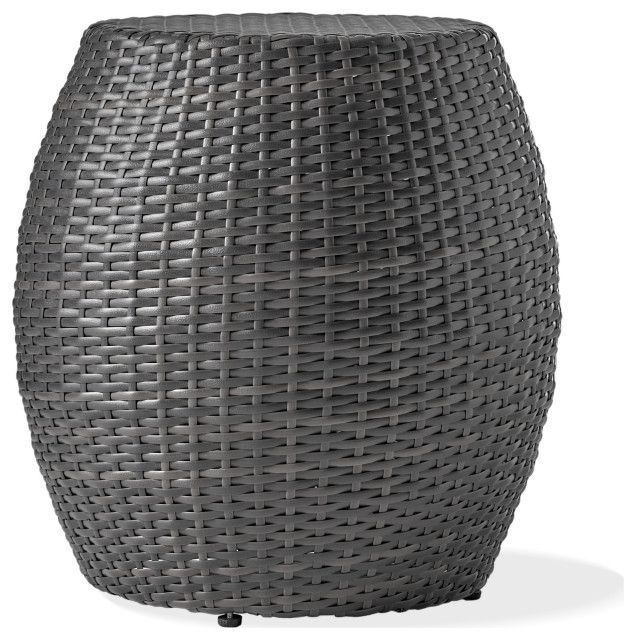
In a world overflowing with mass-produced items, it’s easy to overlook the thought and purpose behind truly well-designed pieces. But what if we took a moment to dissect a single item and understand the layers of intent woven into its very being? Today, we’re doing just that, focusing our gaze on the seemingly humble, yet profoundly impactful, Woodridge Accent Table. This isn’t just about a piece of wood and metal; it’s about the deliberate choices that shape our environments and, in turn, our daily lives.
Have you ever walked into a room and felt an inexplicable sense of calm or energy? Often, that feeling isn’t accidental. It’s the byproduct of intentional design. Every curve, every material choice, every dimension is a deliberate decision made by a designer seeking to evoke a specific response or fulfill a particular need. The Woodridge Accent Table serves as a fantastic case study for understanding this concept. It’s not just a surface for your coffee cup; it’s a carefully considered element designed to enhance a space in multiple ways. We’re going to pull back the curtain and examine the ‘why’ behind its existence.
Aesthetics as a Language: Speaking Through Form and Material
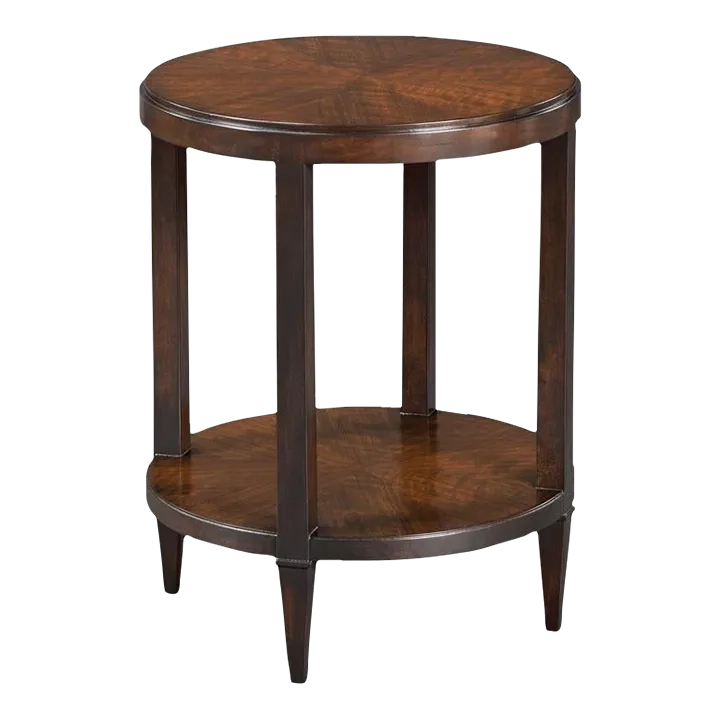
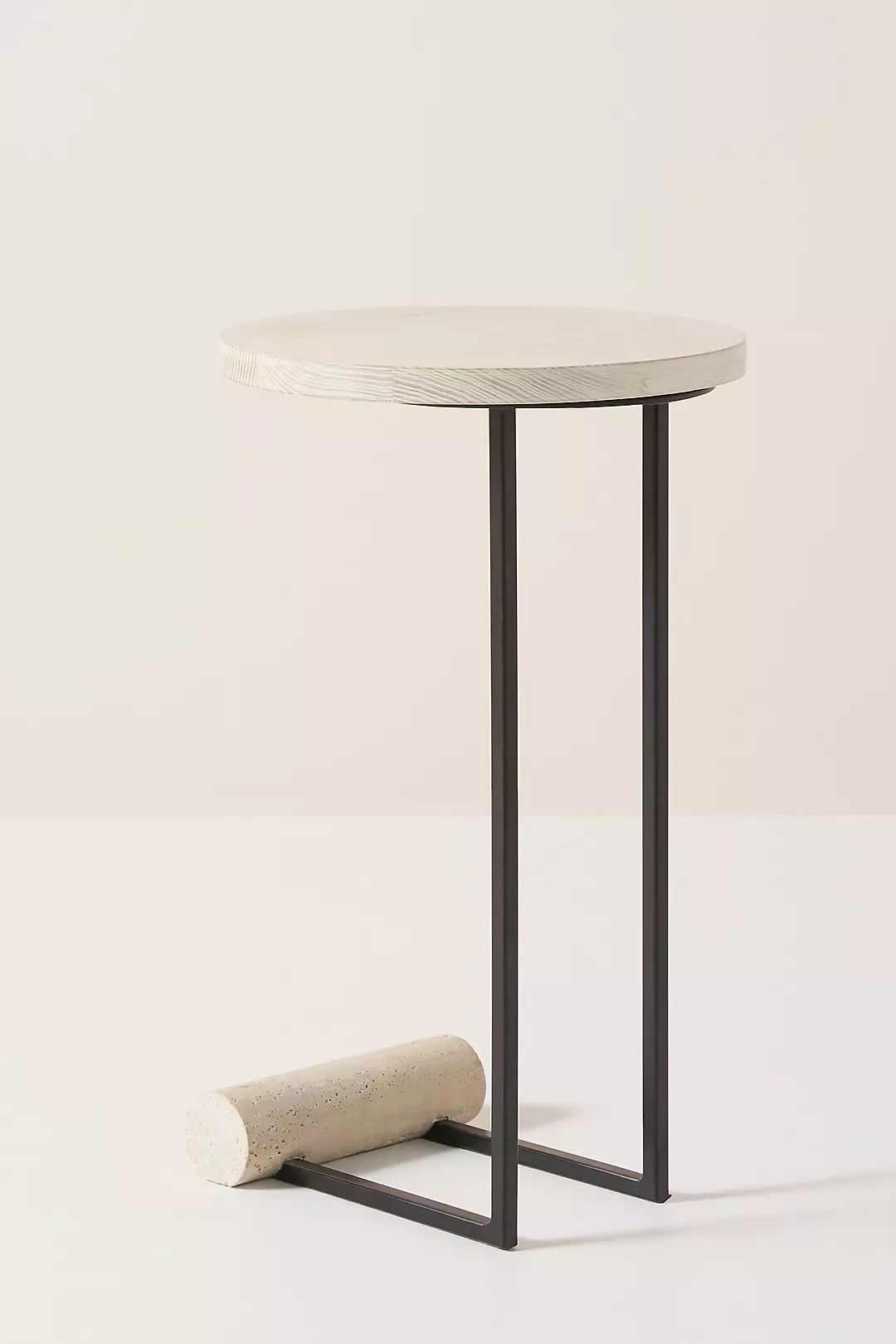
The first thing that strikes you about the Woodridge Accent Table is its visual appeal. But this isn’t arbitrary. The design team likely spent countless hours debating the perfect balance of lines, the subtle curve of the legs, and the texture of the surface. Is it the warm, inviting hue of the wood or the sleek, modern touch of the metal? Perhaps it’s the juxtaposition of the two, creating a harmonious blend that speaks to both tradition and contemporary style.
Consider the choice of wood. Is it a rich, dark walnut that exudes sophistication, or a lighter, airier oak that suggests casual elegance? Each material carries its own narrative. The metal components—are they brushed, polished, or matte? These finishes aren’t just cosmetic; they contribute to the table’s overall ‘personality’ and how it interacts with light and shadow in a room. This is where design becomes a form of communication, telling a story without uttering a single word.
Functionality Beyond the Obvious: More Than Just a Surface
Of course, an accent table must be functional. It needs to hold things. But the Woodridge table likely goes beyond the basic. Was it designed with a specific height to complement a sofa or armchair, making it easy to reach for a book or a drink? Does it have a lower shelf for magazines or a remote control, keeping clutter at bay?
Think about its footprint. Is it compact enough for smaller spaces, or does it command attention in a larger room? The intentionality here lies in understanding user behavior and anticipating needs. A truly well-designed piece doesn’t just fulfill a need; it anticipates and simplifies the act of using it. It might even incorporate hidden features, like subtle cable management solutions, or a weight distribution that makes it surprisingly stable despite a slender appearance. This level of foresight is what separates a good design from a great one.
The Emotional Connection: How Design Evokes Feeling
This is where design truly transcends the purely practical. The Woodridge Accent Table, through its deliberate design choices, can evoke a range of emotions. Does its robust construction convey a sense of security and permanence? Does its elegant simplicity bring a feeling of calm and order to a chaotic space?
Colors, textures, and forms all play a part in this emotional alchemy. A rounded edge might feel softer and more inviting than a sharp, angular one. The grain of the wood can connect us to nature, providing a grounding effect. When a piece of furniture makes you feel something – be it comfort, sophistication, or even joy – that’s the power of intentional design at play. It’s about crafting an experience, not just an object.
Durability and Sustainability: Design for Longevity and Responsibility
In today’s world, the impact of a product goes beyond its immediate use. The Woodridge Accent Table, if designed with true intent, would also consider its lifespan and environmental footprint. Were the materials sourced responsibly? Is the construction robust enough to withstand years of daily use, reducing the need for frequent replacements?
This aspect of design speaks to a deeper ethical commitment. Choosing durable materials and employing sound construction techniques means less waste in landfills and a more sustainable approach to consumption. It’s about creating something that isn’t just beautiful and functional today, but also contributes positively to the future. This foresighted thinking is a hallmark of truly responsible and effective design.
The Ripple Effect: How One Table Shapes a Room and Beyond
It might seem like a small thing, one accent table. But its impact can reverberate throughout an entire room, and even influence the overall feel of a home. A thoughtfully placed Woodridge Accent Table can anchor a seating arrangement, create a focal point, or even define a specific zone within an open-plan space.
Imagine it next to a favorite reading chair, holding a cup of tea and a well-loved book. Or perhaps it’s in the entryway, a convenient spot for keys and mail, welcoming you home. Its presence, however subtle, contributes to the overall narrative of the space. It’s a testament to how individual design choices, when made with purpose, collectively shape our environments and enhance our daily lives. It’s not just about the table itself, but about the harmonious ecosystem it helps to create.
The Woodridge Accent Table, when viewed through the lens of intentional design, transforms from a simple furniture piece into a powerful example of thoughtful creation. It highlights how every decision, from material selection to ergonomic considerations and aesthetic choices, contributes to a greater purpose. It teaches us that good design isn’t just about making things look pretty; it’s about enhancing functionality, evoking emotion, promoting sustainability, and ultimately, improving our lives. So, the next time you encounter an object, take a moment to consider the unseen hand of design and the layers of intent that shaped its very existence. You might be surprised by the stories it tells and the impact it truly has.