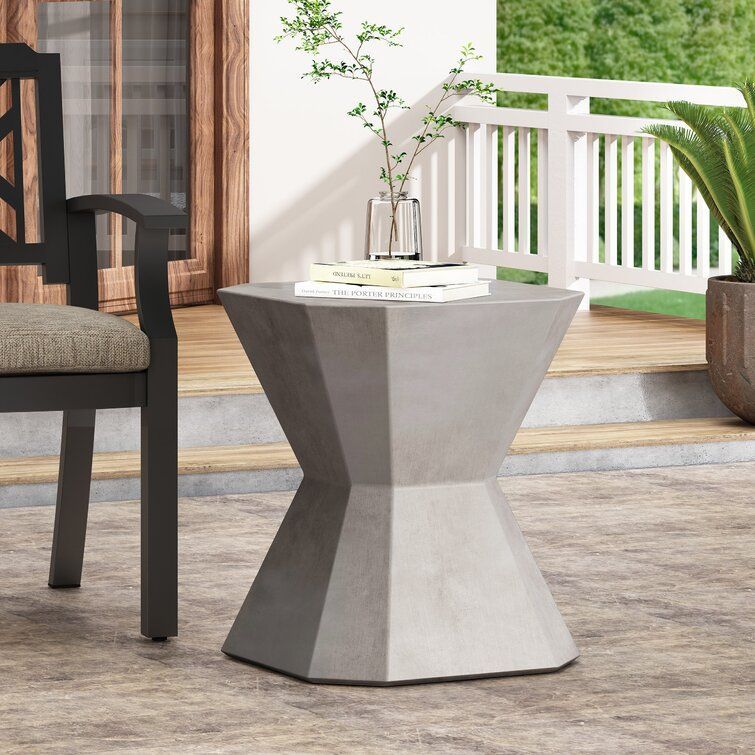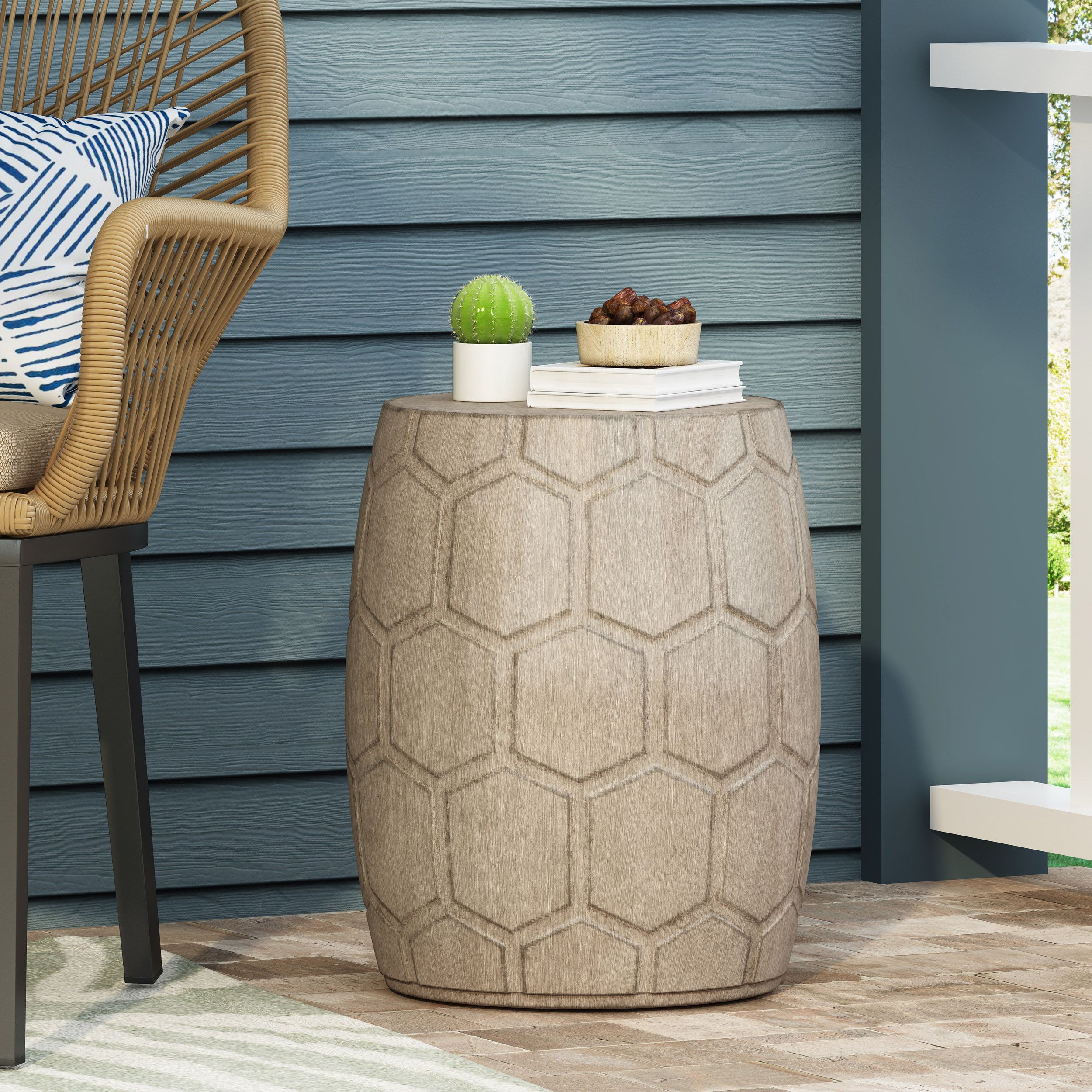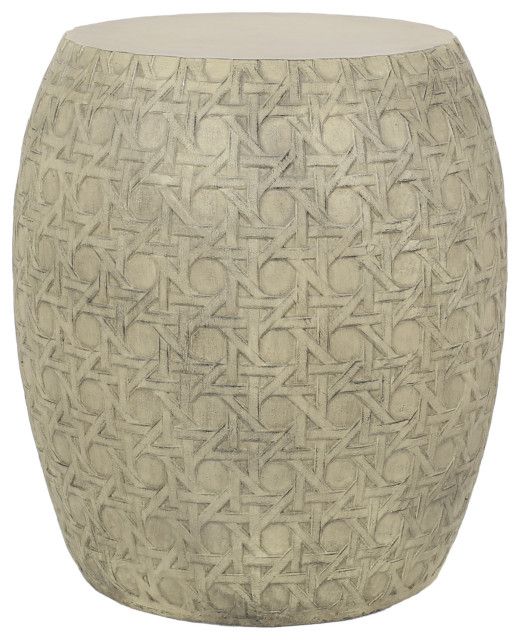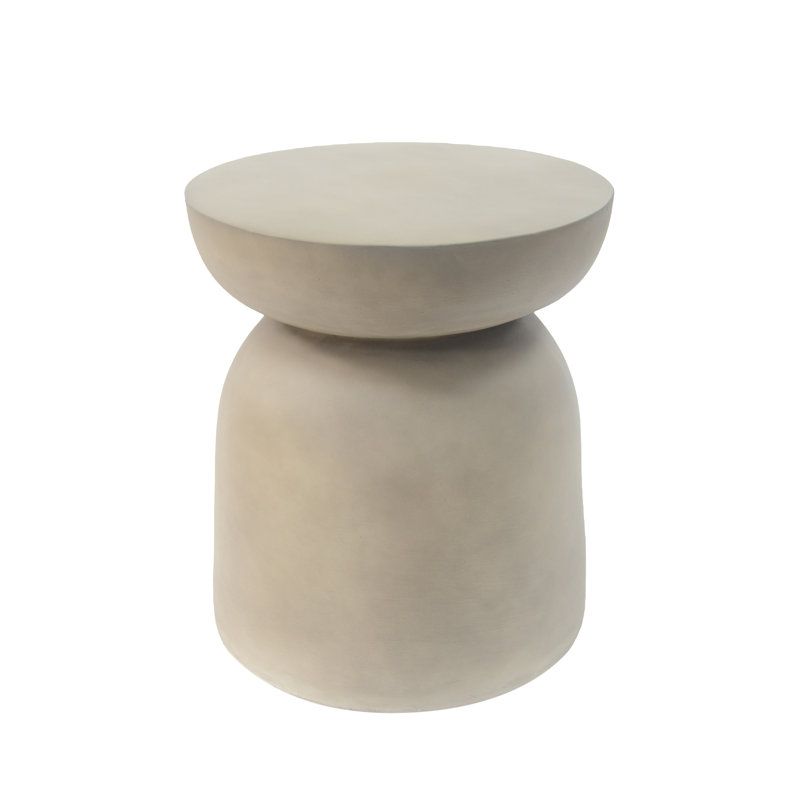
In the world of home furnishings, certain pieces just have a way of catching your eye and holding your attention. The Acorn Concrete Side Table is one of those items. It’s not just a place to set your cup of coffee or stack your latest reads; it’s a statement. But what exactly gives this particular table its unique character and enduring appeal? Let’s get into it.
You’ve probably seen it – that distinctive little table, often with a smooth, pebble-like form, that just feels right in a variety of settings. The Acorn Concrete Side Table has carved out a special niche for itself, and for good reason. It masterfully combines a material that feels both ancient and contemporary – concrete – with a design that’s both organic and strikingly modern. It’s a piece that sparks curiosity, and understanding its creation process truly unlocks an appreciation for its presence in your living space.
The Foundation: Why Concrete?
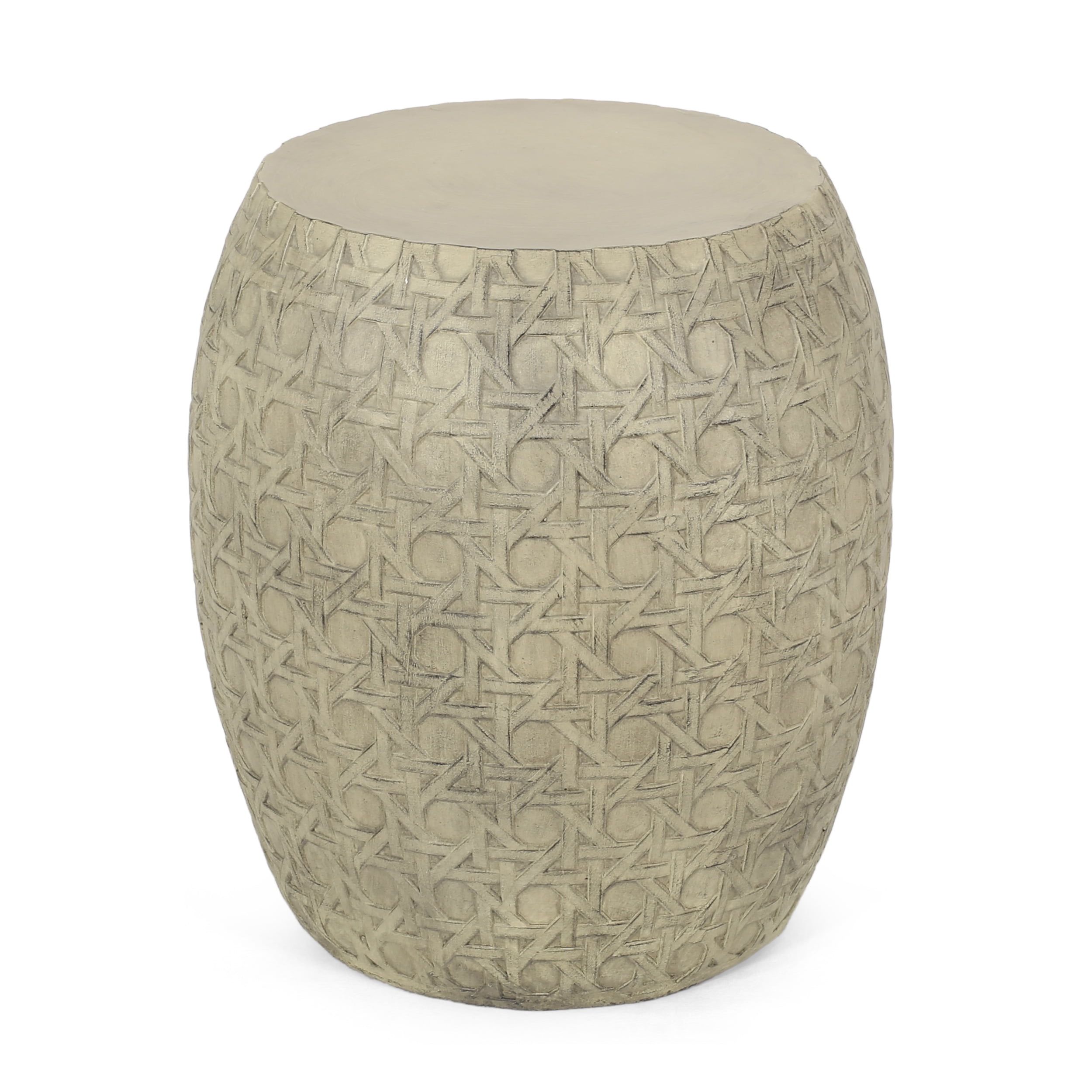
So, why concrete for a side table. It might sound a bit industrial or even heavy, but think again. Modern concrete used in furniture design is often a specially formulated mix, engineered for both strength and a surprisingly refined finish. Unlike the rough concrete you might imagine, furniture-grade concrete is typically a composite, incorporating fine aggregates and often reinforced with fibers. This allows for incredible detail and a smooth, tactile surface. It’s a material that’s incredibly durable, resistant to wear and tear, and can be molded into virtually any shape. This versatility is key to the Acorn’s design, allowing for those soft, rounded edges that give it its name.
The ‘Acorn’ Aesthetic: Form and Function
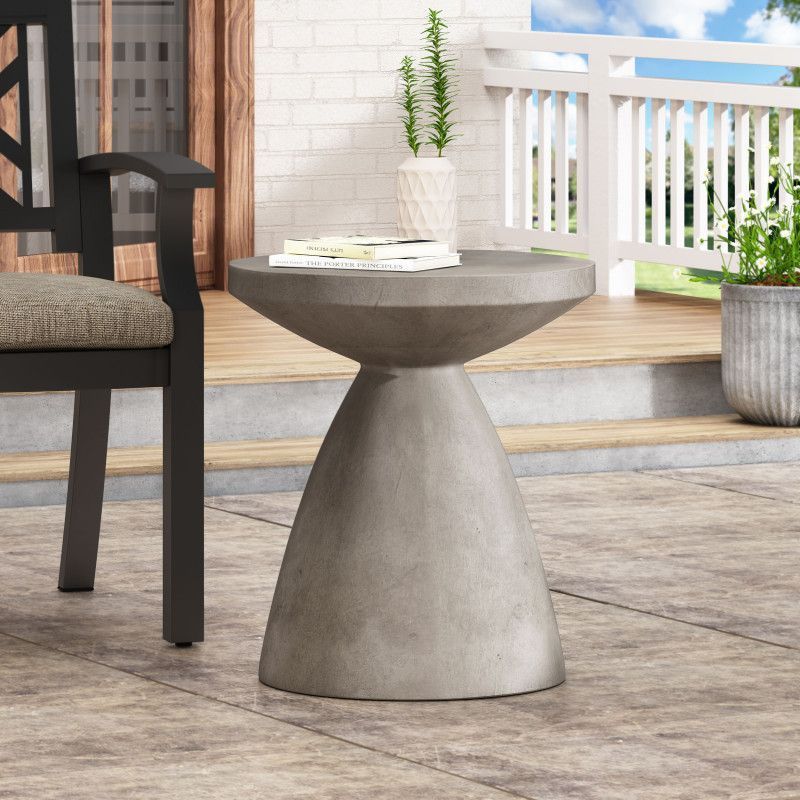
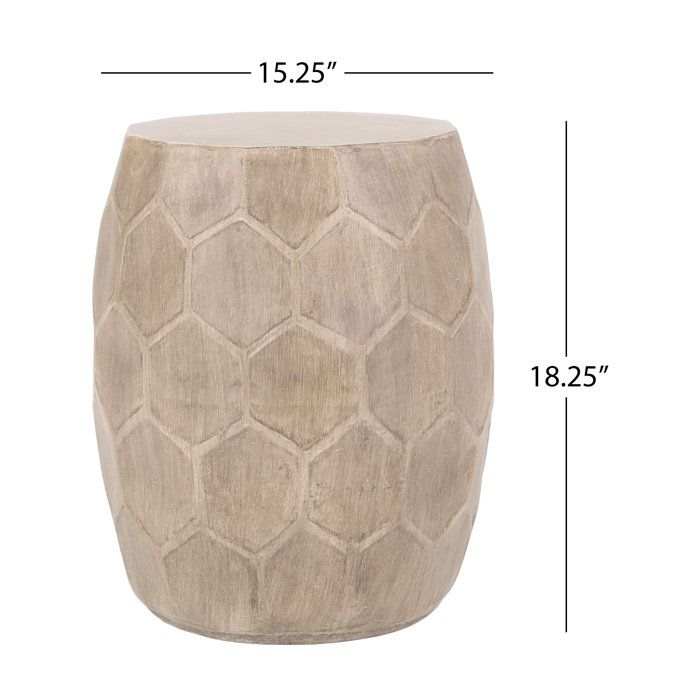
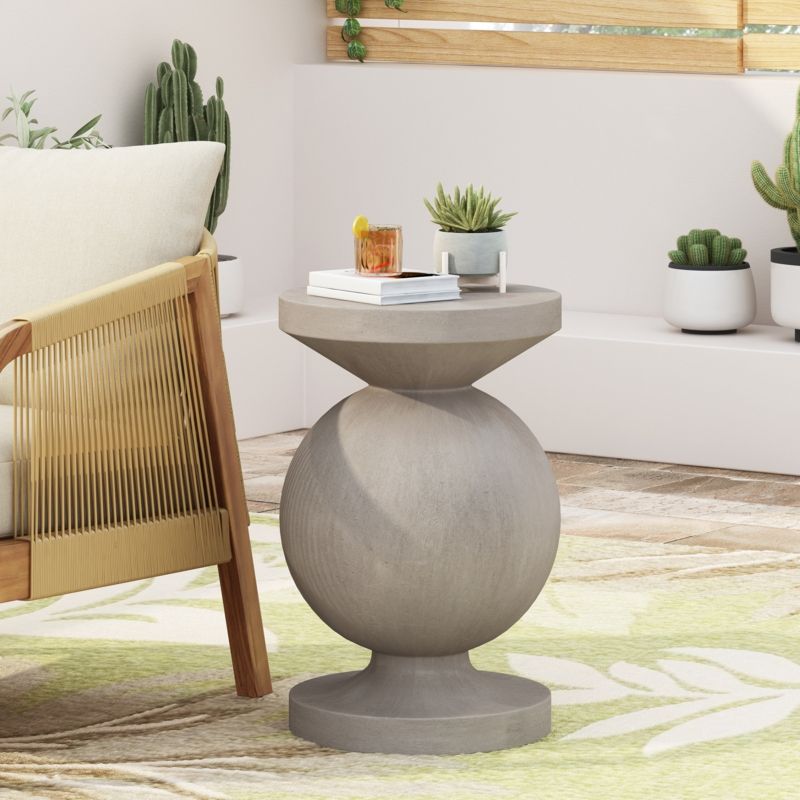
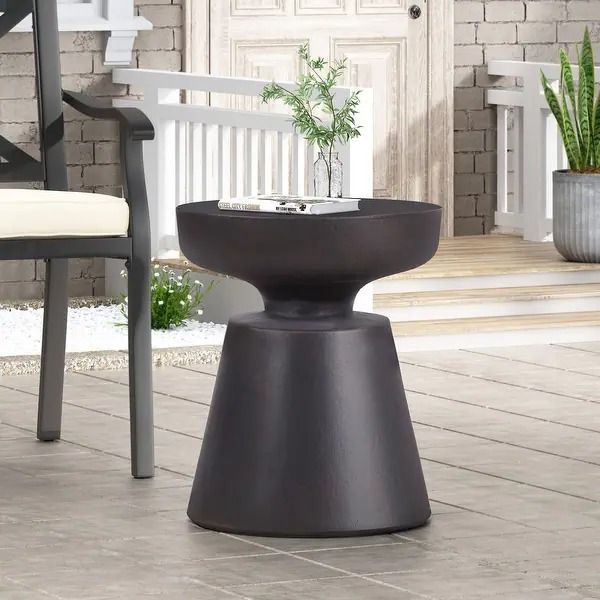
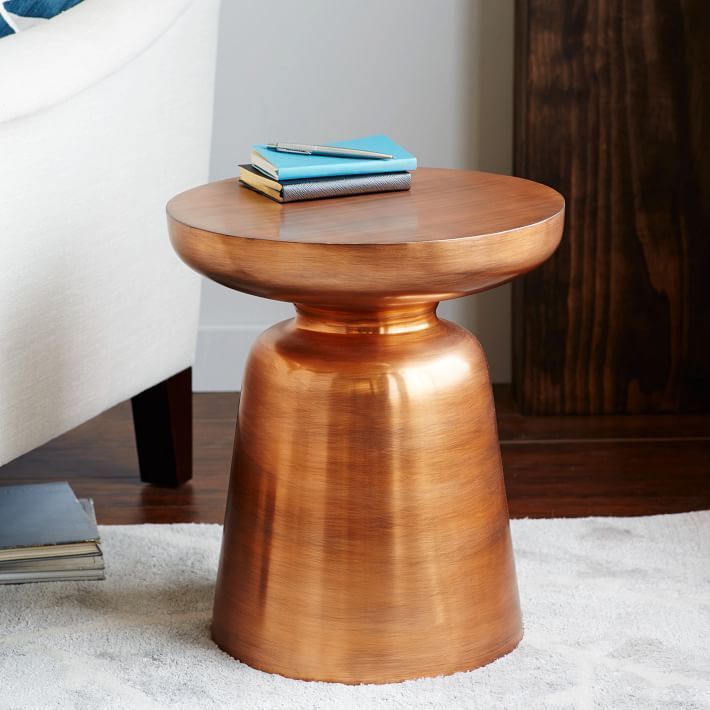
The ‘Acorn’ name isn’t just a cute label; it directly references the table’s shape. Think of the natural, rounded form of an acorn. This table often mimics that organic, bulbous shape, tapering towards the base. This isn’t accidental. The curved lines are pleasing to the eye and create a sense of softness, even with a material like concrete. It’s a design that feels grounded and stable, yet also light and airy. The proportions are usually kept compact, making it ideal for smaller spaces or as an accent piece alongside a sofa or armchair. It’s a perfect example of how form truly follows nature in design.
The Manufacturing Process: A Labor of Love
Creating an Acorn Concrete Side Table isn’t a simple assembly-line job. It involves a meticulous process. First, a high-quality mold is crafted, capturing every nuance of the intended shape. Then, the specialized concrete mix is carefully poured into the mold. This isn’t just dumping it in; it’s often vibrated to eliminate air bubbles, ensuring a solid, flawless finish. Once cured – which can take days – the piece is demolded. This is where the real artistry comes in. Each table is then hand-finished. This might involve sanding, polishing, and sealing to achieve that desired smooth texture and to protect the concrete. Sometimes, pigments are added to the mix for color, or the natural grey is embraced. This hands-on approach is what gives each table its subtle individuality.
Finishes and Variations: Personalizing Your Piece
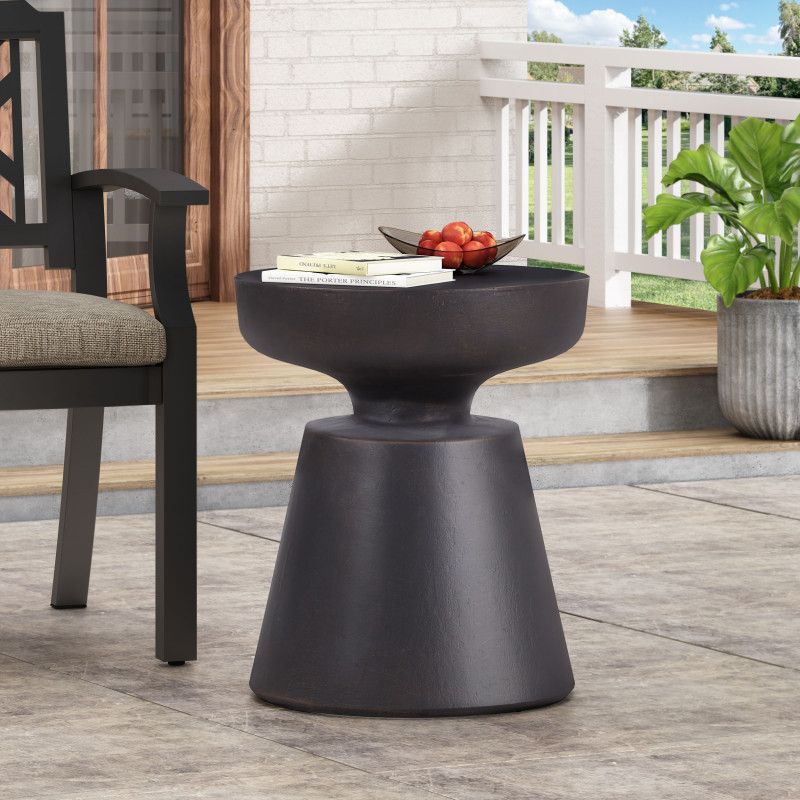
While the classic Acorn table might be a natural concrete grey, there’s a surprising range of finishes available. Some manufacturers offer tinted concrete, providing options in shades of white, charcoal, or even earthy tones. The surface finish itself can vary, from a matte, velvety feel to a polished, almost stone-like sheen. Sealants are crucial, not only for protection against stains and moisture but also to enhance the color and texture. When choosing an Acorn table, consider how the finish will complement your existing decor. A polished finish might lend a more modern, sleek vibe, while a matte finish can feel more organic and understated.
Durability and Care: Keeping Your Acorn Looking Its Best
One of the great advantages of a concrete side table is its remarkable resilience. It’s tough stuff. However, concrete is still porous, so proper care is important. Most Acorn tables come sealed, which provides a good level of protection. For everyday cleaning, a soft, damp cloth usually suffices. Avoid harsh chemicals or abrasive cleaners, as these can damage the sealant or even the concrete surface itself. Spills should be wiped up promptly to prevent staining. With just a little mindful attention, your Acorn Concrete Side Table will remain a beautiful and functional part of your home for years to come.
Style Integration: Where Does It Fit?
The beauty of the Acorn Concrete Side Table lies in its adaptability. It’s a chameleon in the design world. It works wonderfully in a minimalist or Scandinavian-inspired room, its clean lines and natural material fitting right in. In a more eclectic or bohemian space, it can act as a grounding element, its solidity providing a pleasing contrast to softer textures and patterns. For industrial-chic interiors, it’s a natural fit, enhancing the raw, honest feel of the space. You can even place it outdoors as a patio accent, provided it’s properly sealed and protected from extreme weather. It’s a versatile piece that can elevate many different interior styles.
The Acorn Concrete Side Table is more than just a trendy piece of furniture. It’s a testament to how thoughtful design, combined with innovative material use, can create something truly special. From the careful selection of concrete to the meticulous hand-finishing, each table carries a story of craftsmanship. Its organic form, combined with the inherent strength and versatility of concrete, makes it a durable and stylish addition to any home. It’s a piece that invites touch, adds texture, and brings a quiet sophistication to your living space. So, the next time you see one, you’ll know there’s a lot more going on than meets the eye.