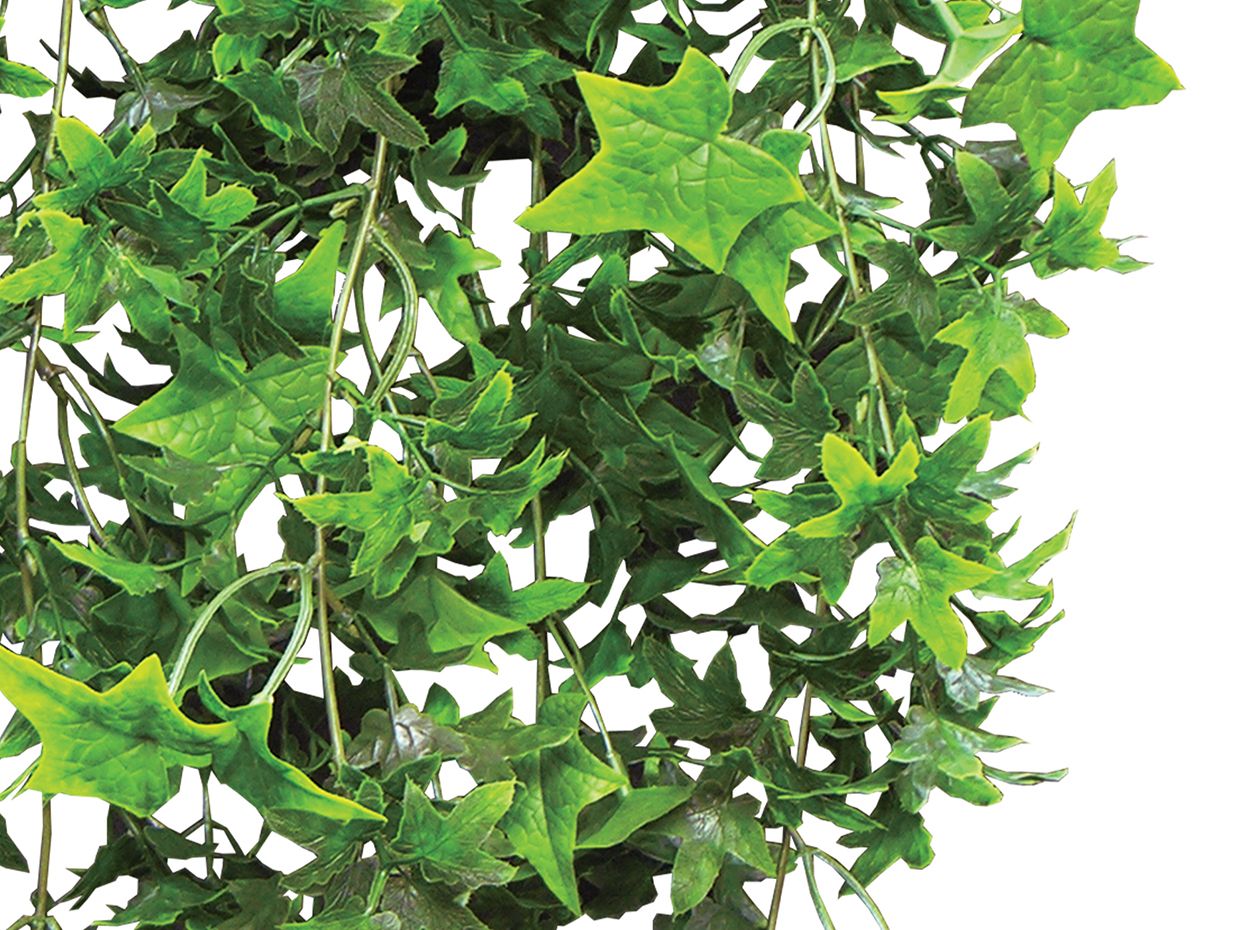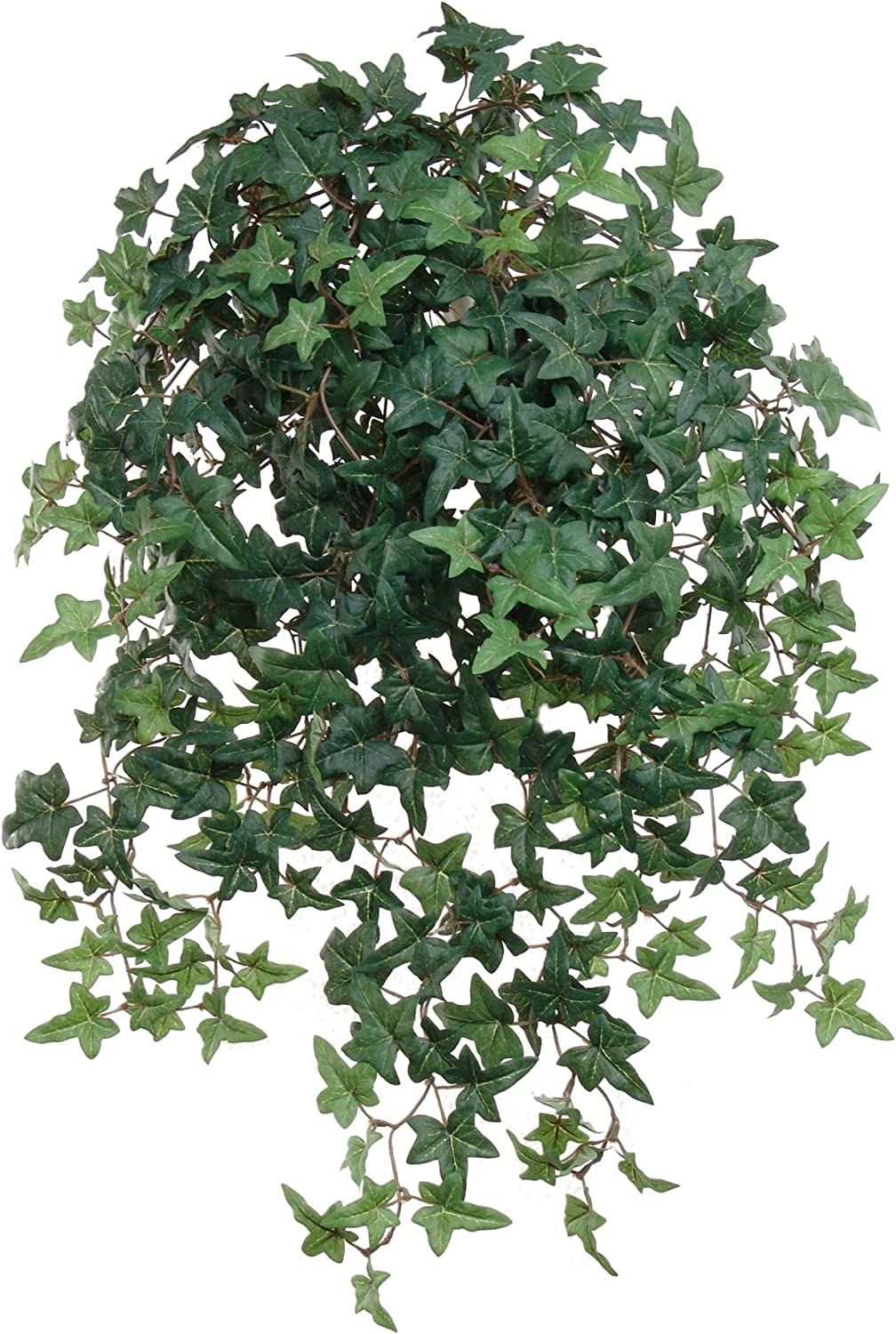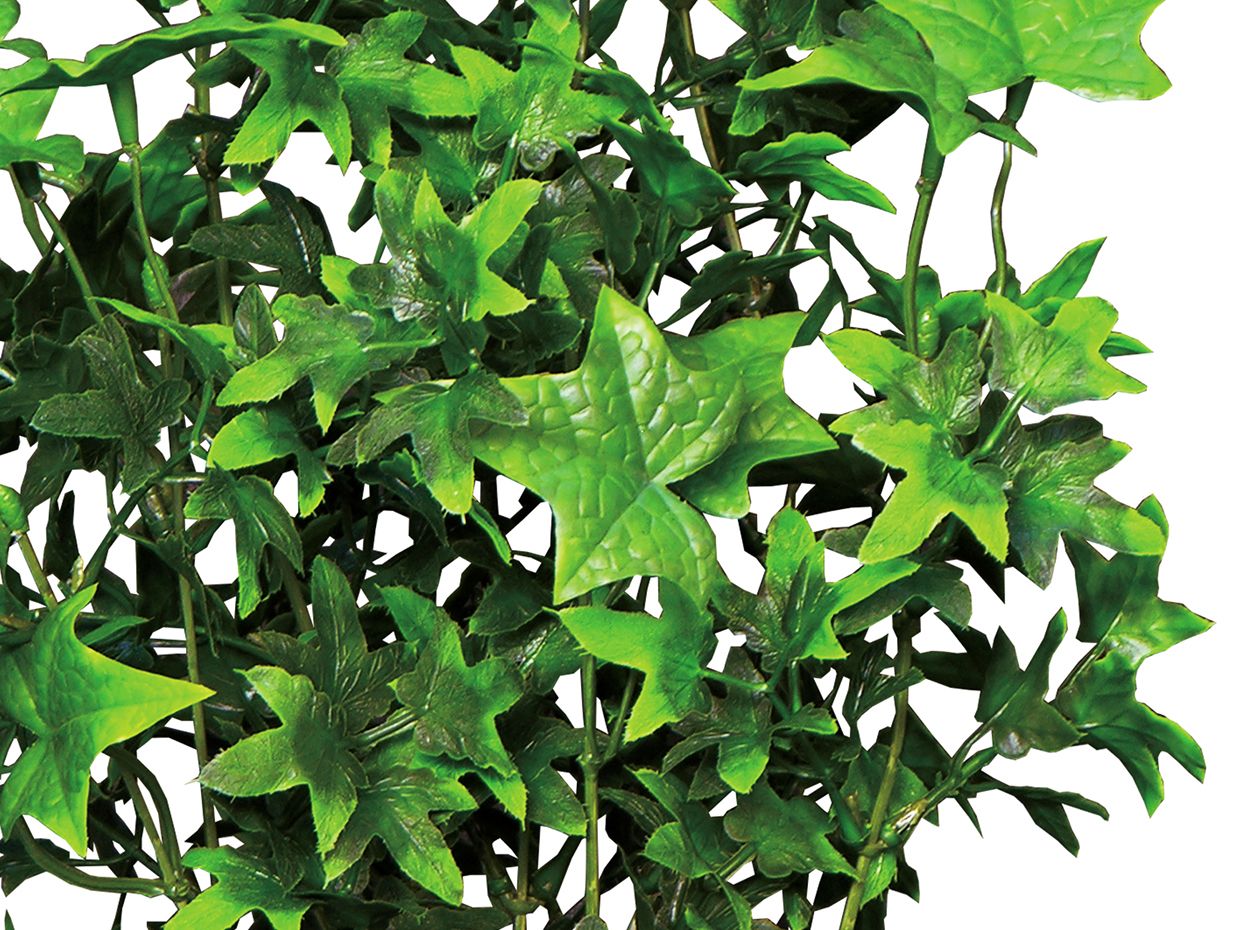
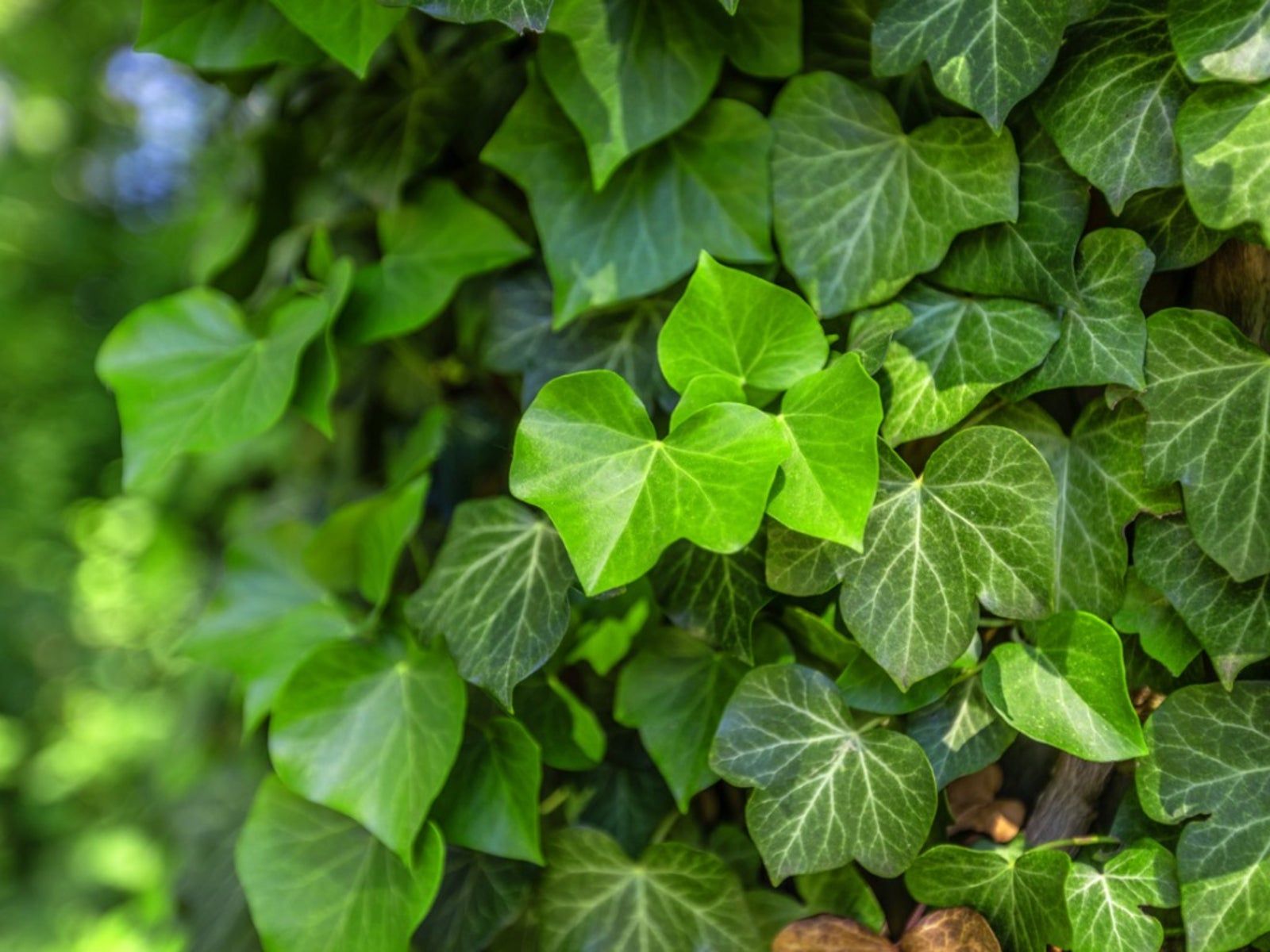
Silk English Ivy, a variation of the classic Hedera helix, is a plant that truly captivates with its lush, deep green foliage. Its leaves, often possessing a velvety texture, lend it the ‘silk’ moniker, evoking a sense of luxuriousness and refined beauty. This adaptable vine isn’t just pleasing to the eye; it’s also surprisingly resilient, making it a fantastic choice for both novice plant enthusiasts and seasoned gardeners. Whether you’re looking to add a touch of elegance to your indoor space or create a verdant cascade outdoors, understanding how to cultivate this plant is key to unlocking its full potential. Let’s delve into the world of Silk English Ivy and learn how to help it thrive.
There’s something undeniably captivating about a plant that can transform a simple space into a haven of green. Silk English Ivy, with its smooth, often dark green leaves that feel like fine velvet, is just that kind of plant. It’s a member of the Hedera family, known for its climbing and trailing abilities, and this particular cultivar brings an extra touch of sophistication. Many people are drawn to it because it’s not overly demanding, which is always a plus, right? It offers a beautiful, consistent green that can brighten up dim corners or add a naturalistic charm to hanging baskets and trellises. This guide is your go-to resource for understanding exactly what Silk English Ivy needs to flourish, from the moment you bring it home to years of enjoyment.
Choosing the Right Spot: Light and Location
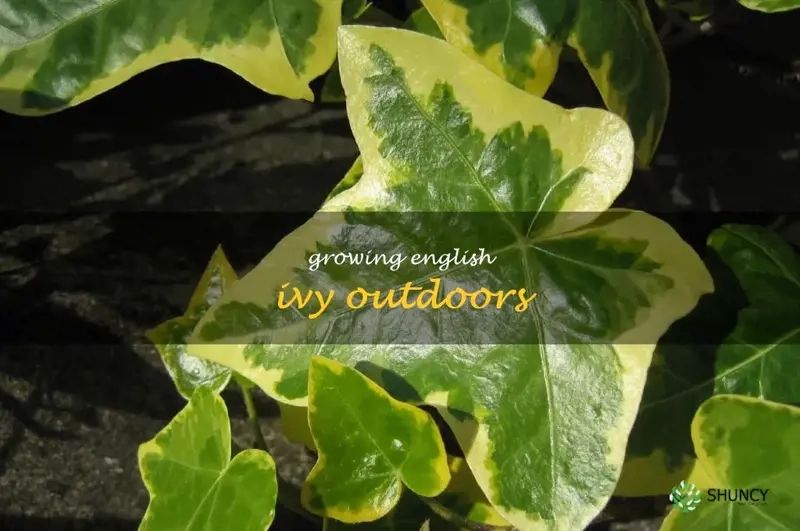
Silk English Ivy is pretty agreeable when it comes to light. It truly shines, in my experience, in bright, indirect sunlight. Think of a spot near a window that gets morning sun or is filtered by sheer curtains. Too much direct, harsh afternoon sun can scorch those lovely leaves, leaving them looking a bit sad and brown. But don’t shy away from a bit of shade. This plant can also tolerate lower light conditions, although its growth might be a bit slower and the leaf color might not be as intense. Outdoors, it’s similar. It prefers partial shade, especially in warmer climates. A location that gets dappled sunlight throughout the day is often ideal. When planting outdoors, consider its mature size and its climbing habit. Give it a sturdy support like a wall, fence, or trellis, and it will happily make its way up. For indoor pots, make sure the container has good drainage – soggy roots are a fast track to problems.
The Art of Watering: Finding the Balance
Watering is often where people get a little nervous, but with Silk English Ivy, it’s mostly about finding that sweet spot. The most common mistake? Overwatering. These plants prefer their soil to dry out slightly between waterings. What does that mean in practice? Stick your finger about an inch or two into the soil. If it feels dry, it’s time to water. If it feels moist, hold off. When you do water, give it a good soak until water runs out of the drainage holes. Then, make sure to empty any excess water from the saucer. Allowing the plant to sit in standing water is a recipe for root rot, and nobody wants that. During the winter months, when growth slows down, you’ll likely need to water less frequently. It’s always better to underwater slightly than to overwater, especially for indoor plants. You’ll start to get a feel for it after a while; the plant will often tell you what it needs by how its leaves look. Drooping can mean thirst, but also overwatering, so checking the soil is always the best first step.
Soil and Feeding: Nourishing Your Ivy
For soil, Silk English Ivy isn’t too fussy, but it does appreciate a well-draining potting mix. A standard houseplant mix is usually a good starting point. You can even amend it with a bit of perlite or sand to ensure good aeration and prevent waterlogging. If you’re planting outdoors, incorporate some compost into the soil to give it a nutrient boost and improve its structure. Feeding your Silk English Ivy is also quite straightforward. During the growing season, which is typically spring and summer, a balanced liquid fertilizer applied about once a month will do wonders. Look for a fertilizer that has roughly equal parts nitrogen, phosphorus, and potassium. Don’t overdo it; too much fertilizer can burn the roots. In fall and winter, when the plant’s growth naturally slows, you can reduce or even stop fertilizing altogether. It’s like giving your plant a little rest.
Pruning and Propagation: Shaping and Spreading
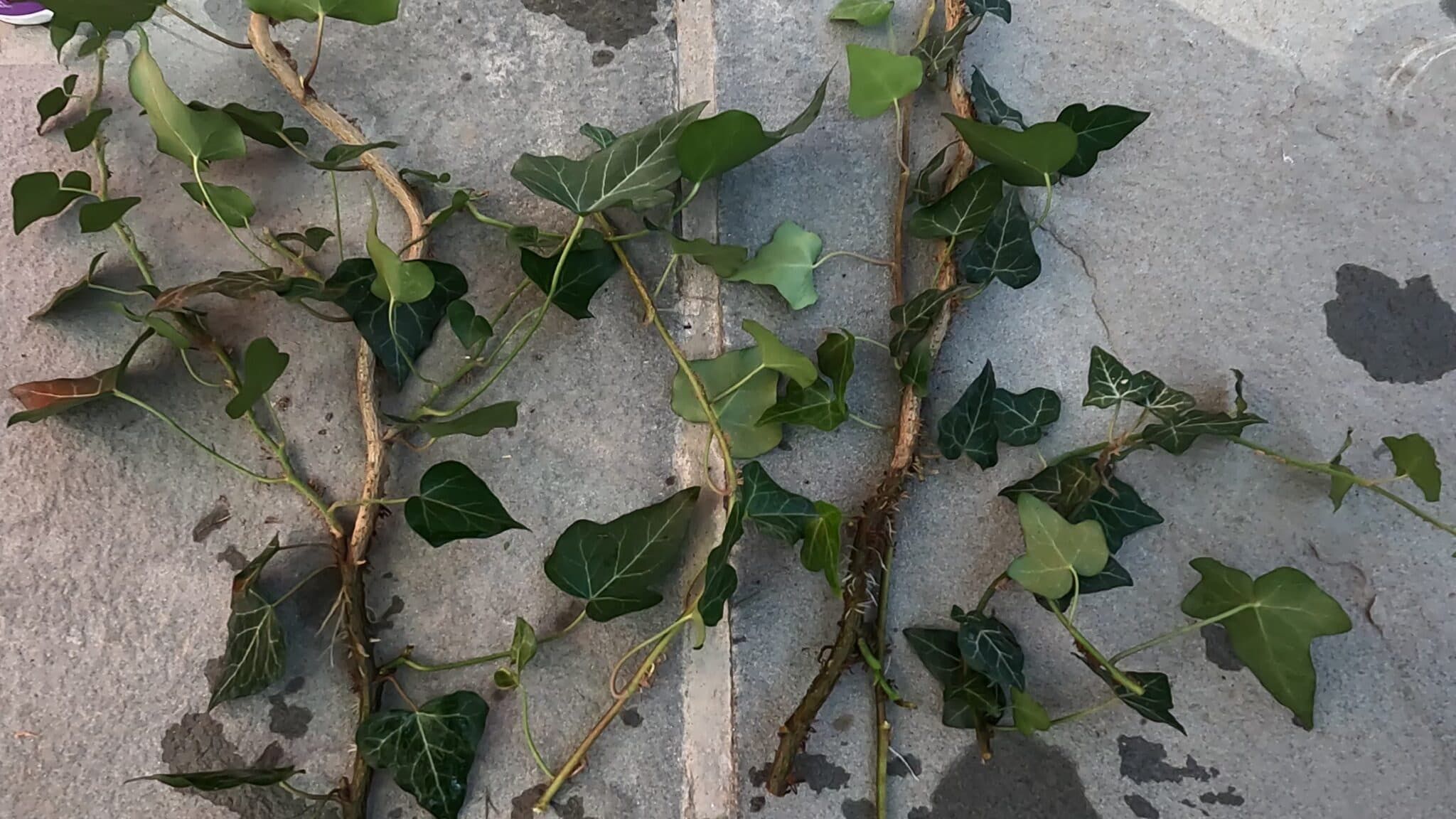
Pruning is your best friend when it comes to keeping Silk English Ivy looking its best and controlling its growth. If it starts to get leggy or overgrown, don’t hesitate to trim it back. You can use clean, sharp scissors or pruning shears. Cutting back stems encourages bushier growth and can even help the plant produce more of those beautiful, velvety leaves. Plus, the pieces you cut off are perfect for propagation. Want more Silk English Ivy? It couldn’t be easier. Take a stem cutting that’s about 4-6 inches long, making sure it has at least one leaf node (the little bump where a leaf attaches to the stem). Remove the lower leaves, and then place the cut end in a glass of water. Within a few weeks, you should see roots forming. Once the roots are a couple of inches long, you can pot the cutting in soil. It’s a really rewarding process to see a new plant grow from a simple cutting.
Common Pests and Problems: Keeping Your Ivy Healthy
While Silk English Ivy is generally a robust plant, it can occasionally encounter a few common issues. Pests like spider mites, mealybugs, and scale insects are the usual suspects. You might notice tiny webs, sticky residue on the leaves, or small cottony masses. The good news is that catching these early makes them much easier to manage. A gentle wipe-down with a damp cloth, or a spray of insecticidal soap or neem oil, can often do the trick. Make sure to isolate any affected plant to prevent pests from spreading to others. Regarding problems with the plant itself, yellowing leaves can sometimes indicate overwatering or poor drainage. Brown, crispy leaf edges are often a sign of underwatering or low humidity. If the plant is looking leggy and thin, it might need more light. By observing your plant and understanding its needs, you can address most problems before they become serious.
Versatile Uses for Silk English Ivy
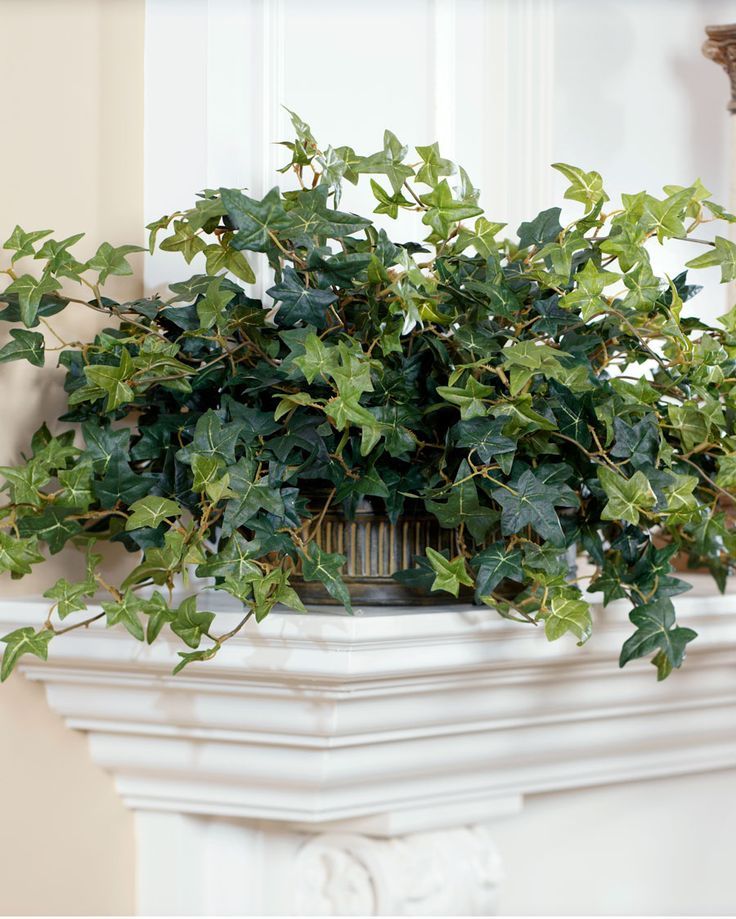
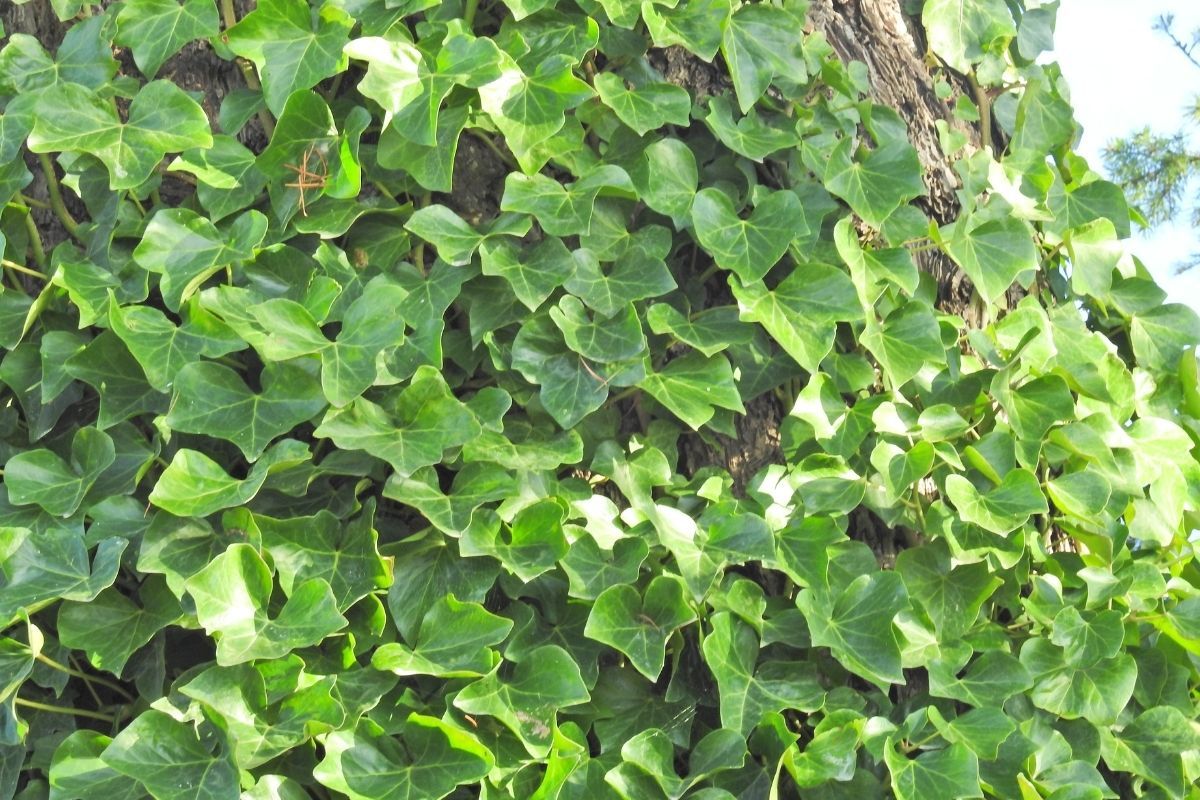
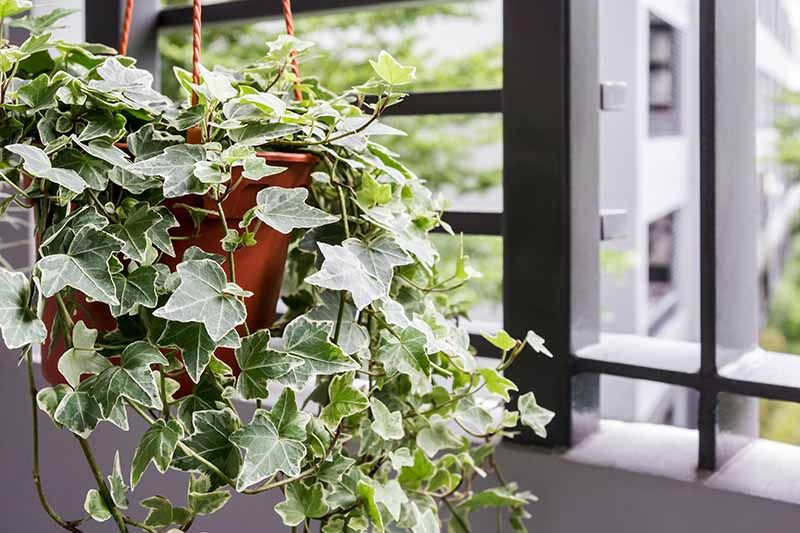
The beauty of Silk English Ivy lies not only in its appearance but also in its incredible versatility. Indoors, it’s a star performer in hanging baskets, allowing its vines to cascade gracefully. It can also be trained to climb a moss pole or a small trellis, adding vertical interest to your decor. Imagine it trailing down a bookshelf or softening the edges of a cabinet. Outdoors, it’s a fantastic ground cover, creating a lush, green carpet. It can also be used to cover walls, fences, or arbors, adding a classic, timeless appeal. Its dense foliage can even help to insulate buildings slightly. Whether you’re aiming for a formal garden look or a more wild, naturalistic feel, Silk English Ivy can adapt and enhance the beauty of your surroundings. It truly is a plant that can fit into almost any setting.
Cultivating Silk English Ivy is a journey that rewards patience and observation. With its velvety leaves and adaptable nature, it brings a touch of natural elegance to any space, indoors or out. By understanding its preferences for light, water, and soil, and by knowing how to manage the occasional pest or pruning need, you can ensure your Silk English Ivy thrives for years to come. It’s a plant that doesn’t ask for much but gives back so much in return – a consistent, beautiful presence that softens, uplifts, and beautifies. So go ahead, embrace the allure of this silken vine, and enjoy the lush greenery it brings to your life.
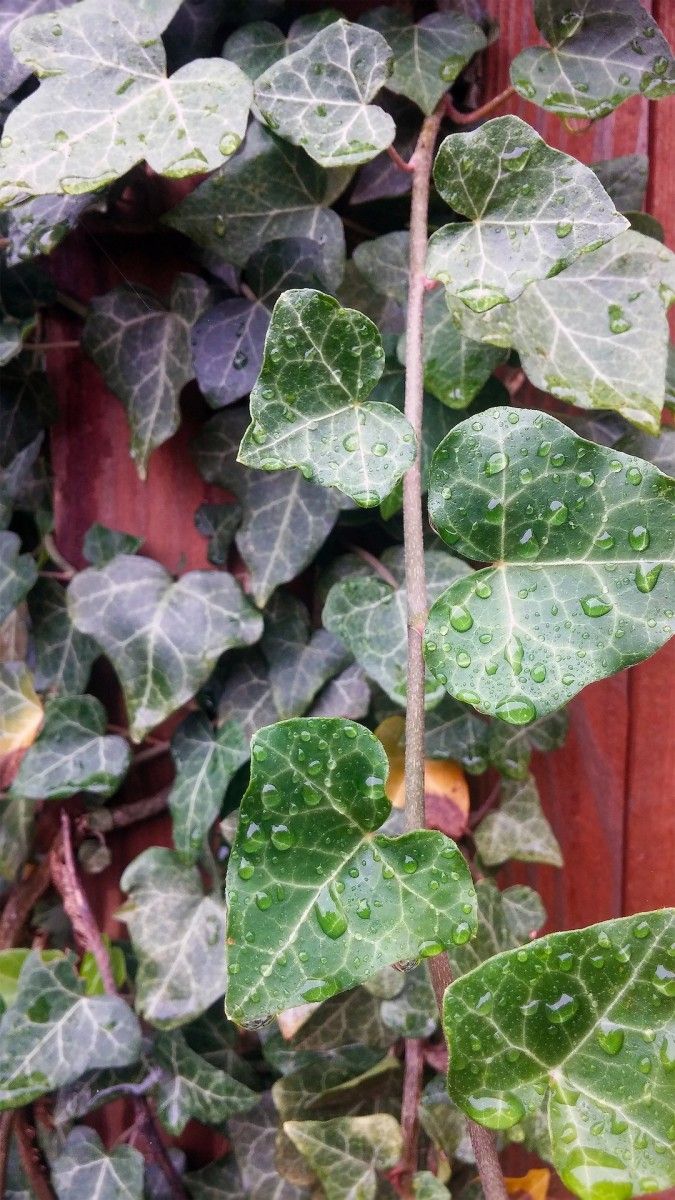
![English Ivy: Hedera Helix Indoor &Amp; Outdoor Care [Full Guide] in](https://dahomengarden.com/wp-content/uploads/2025/08/english-ivy-hedera-helix-indoor-amp-outdoor-care-full-guide-in.jpg)