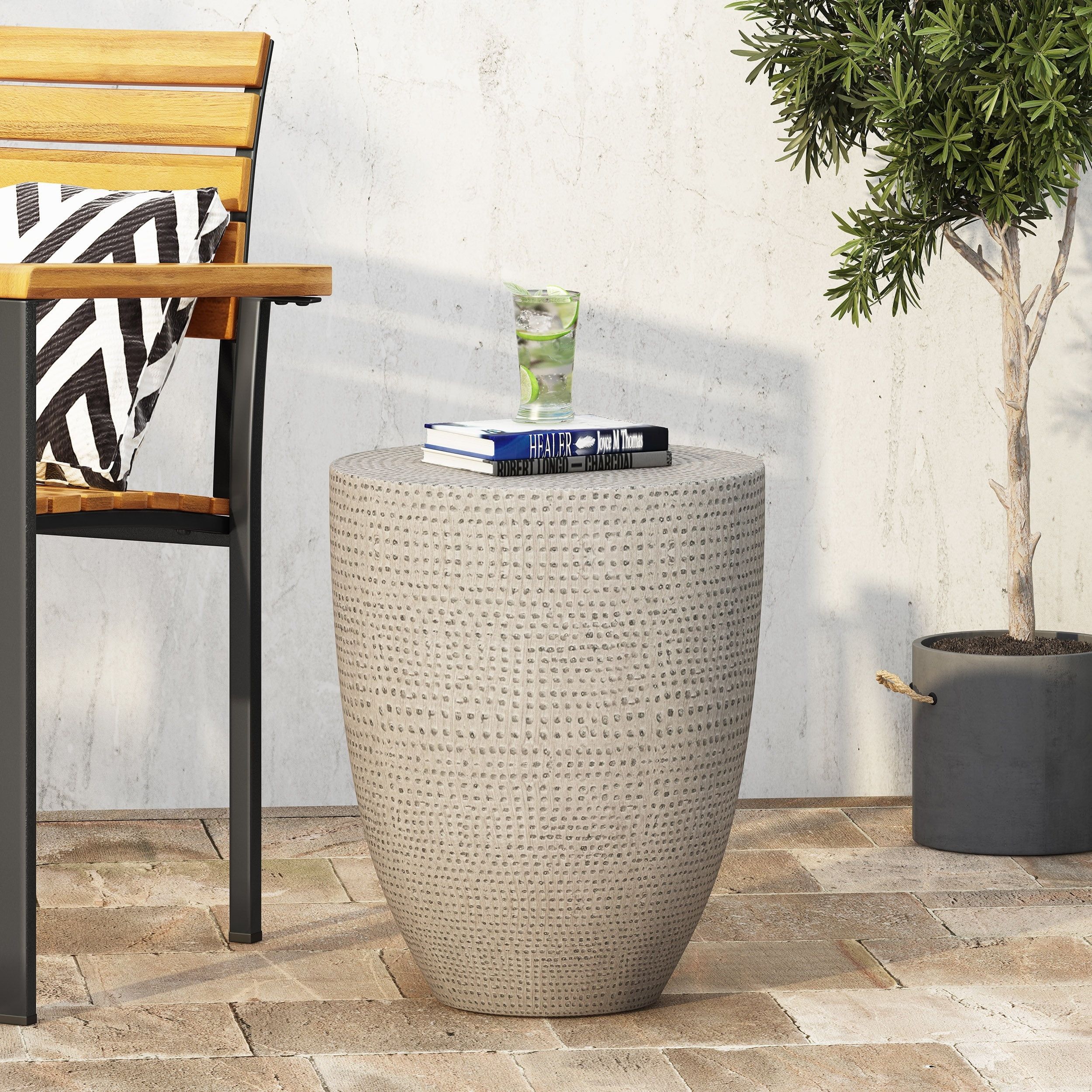
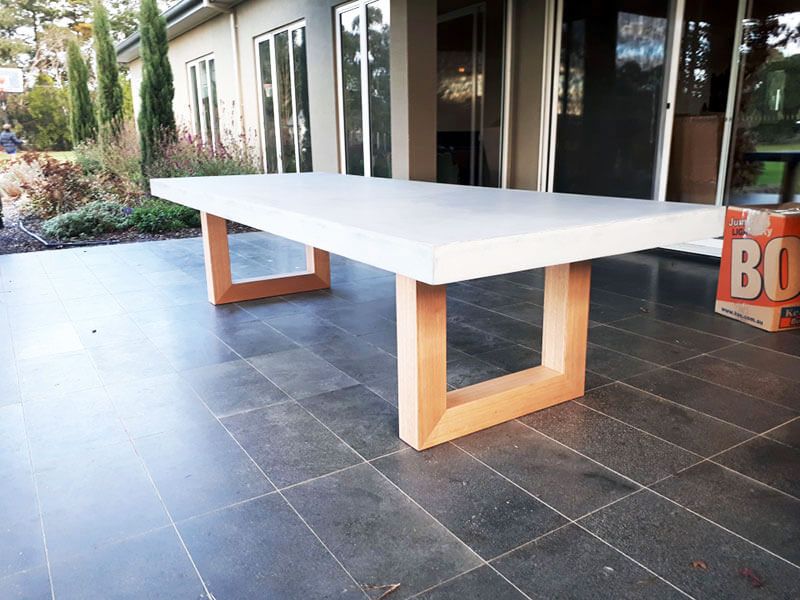
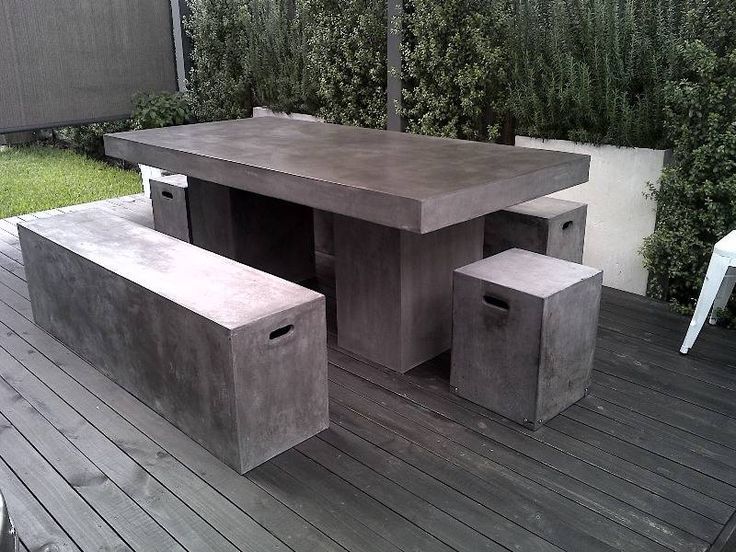
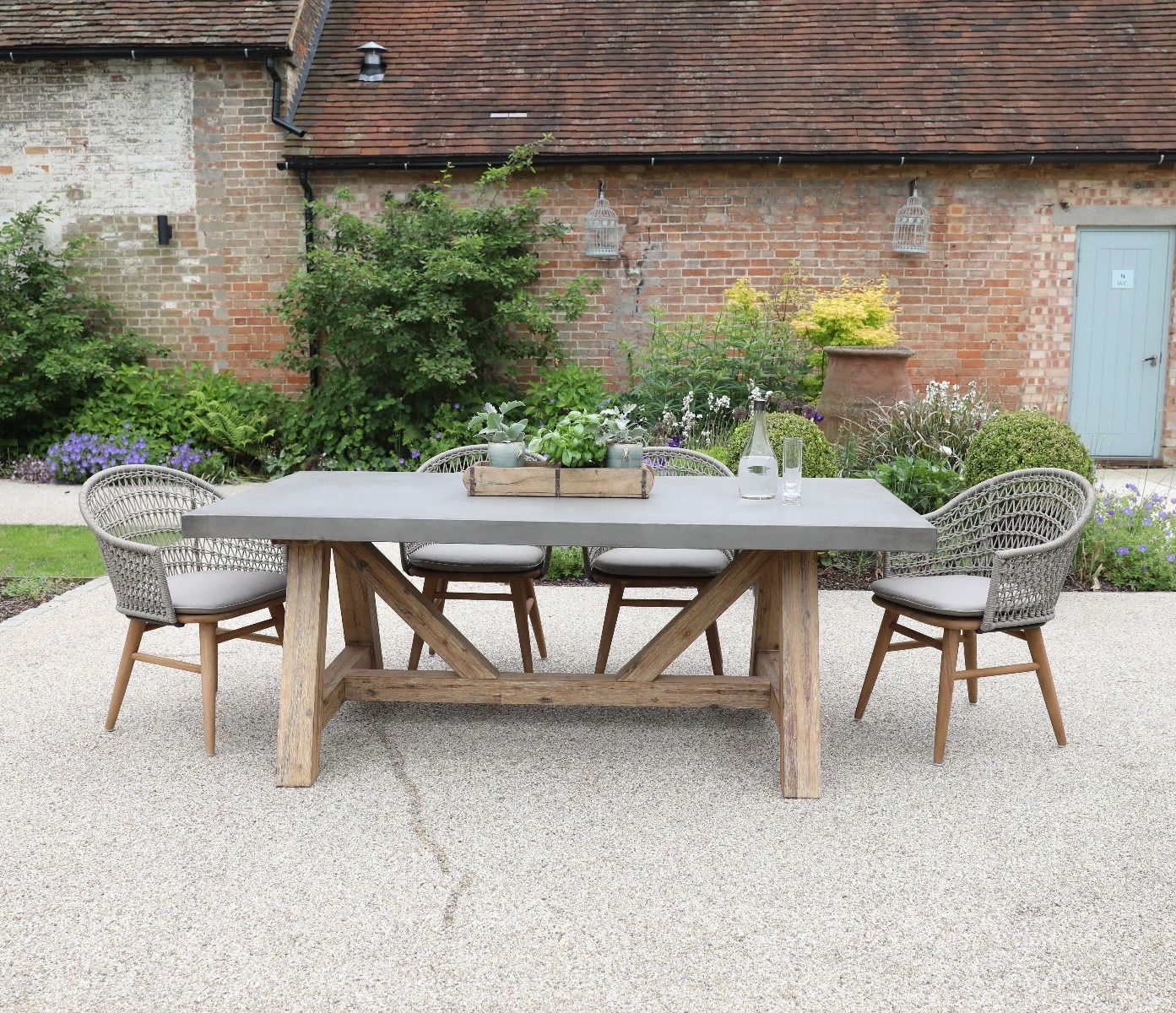
You might picture concrete as just rough sidewalks or imposing buildings, right? But think again. In the world of furniture, concrete has undergone a remarkable transformation. It’s shed its purely utilitarian image to become a material celebrated for its raw beauty, incredible strength, and surprisingly adaptable character. This shift isn’t just a fleeting trend; it’s a testament to thoughtful design and a growing appreciation for materials that promise to last.
When you think about furniture that lasts a lifetime, what comes to mind? Perhaps solid wood, or maybe well-crafted metal. Concrete probably isn’t the first material that springs to your lips. Yet, here we are, seeing concrete pieces pop up in stylish homes, chic cafes, and serene gardens everywhere. It’s a material that’s both ancient and incredibly contemporary. Its appeal lies in a fascinating blend of ruggedness and refinement, a combination that designers are increasingly harnessing to create pieces that are not only functional but also statement-making works of art. So, what’s the secret sauce behind concrete furniture’s growing popularity? Let’s dive in and uncover its enduring charm.
Unmatched Durability: Built to Withstand the Test of Time
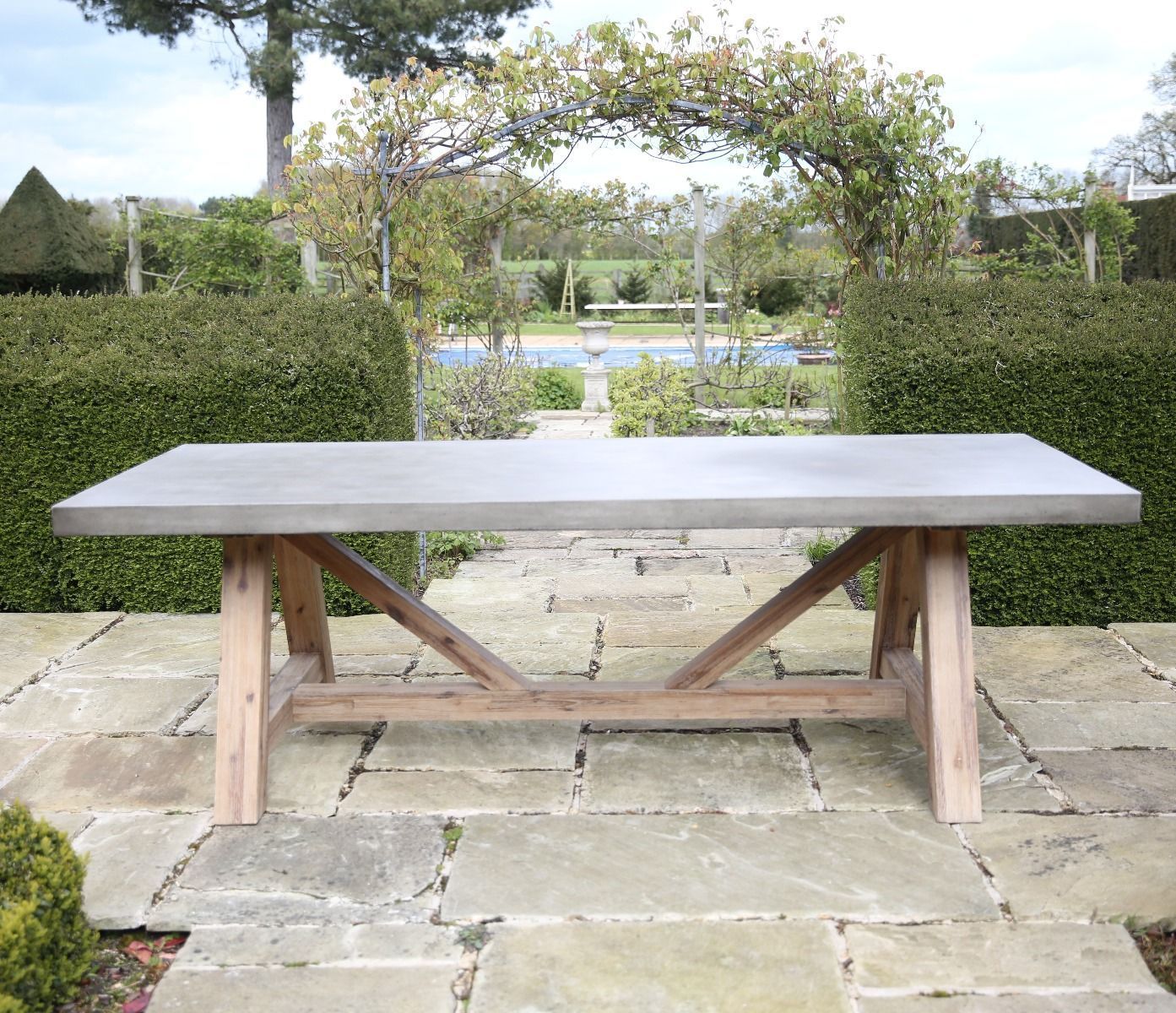
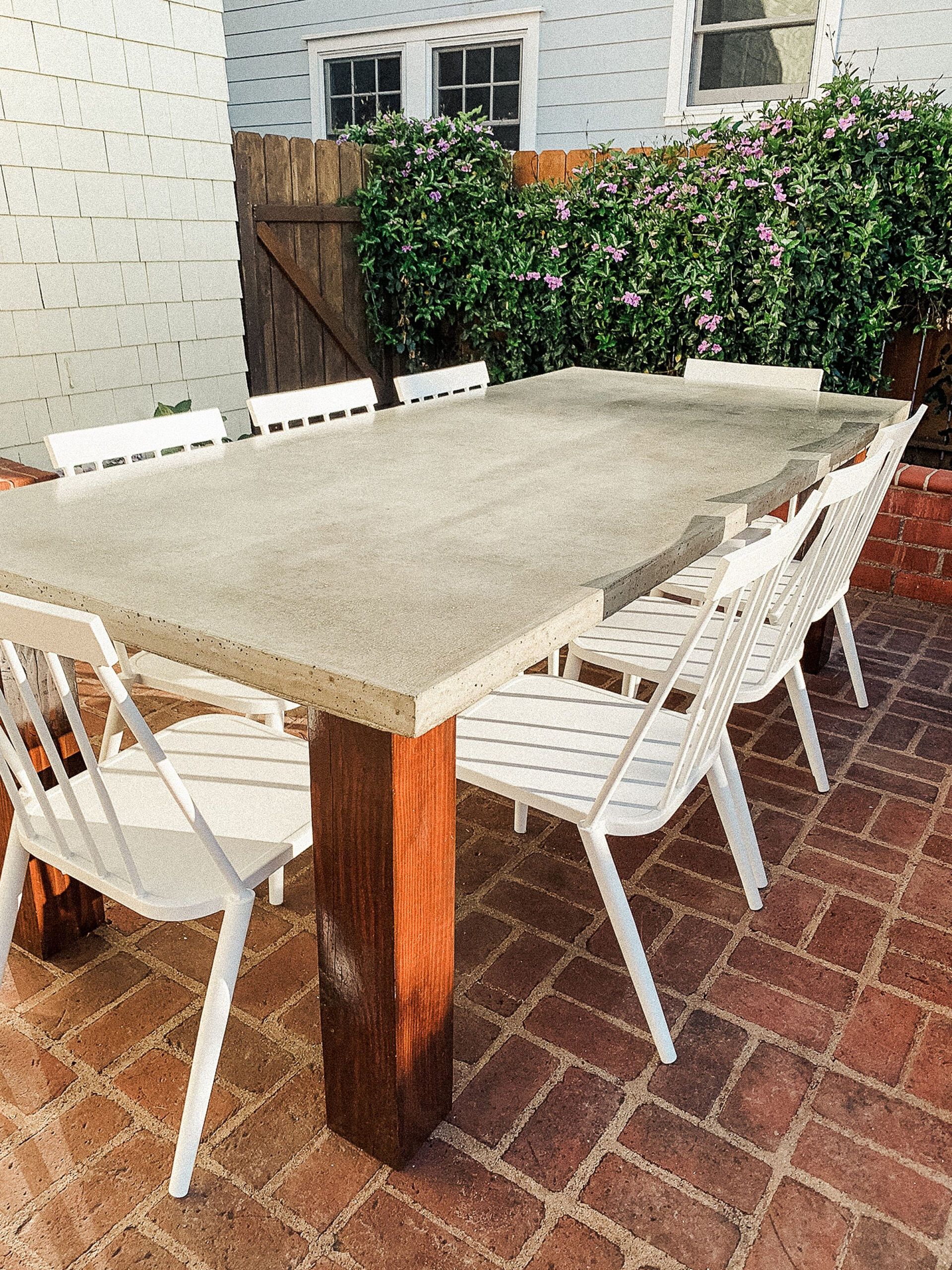
One of the most compelling reasons people gravitate towards concrete furniture is its sheer toughness. Unlike many other materials that can chip, warp, or degrade over time, concrete is inherently robust. It’s a material designed to endure. Think about bridges and skyscrapers; they’re built to last for centuries. This same inherent strength translates beautifully into furniture. Whether it’s a heavy dining table that can handle everyday wear and tear, or an outdoor bench braving the elements, concrete furniture offers a sense of permanence. It’s an investment piece that you can rely on, knowing it won’t let you down. This resilience is particularly appealing in high-traffic areas or for those who appreciate low-maintenance, long-lasting items.
Aesthetic Versatility: From Industrial Chic to Soft Minimalism
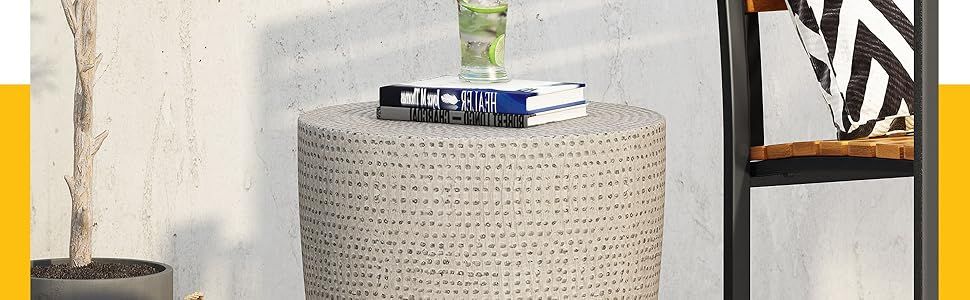
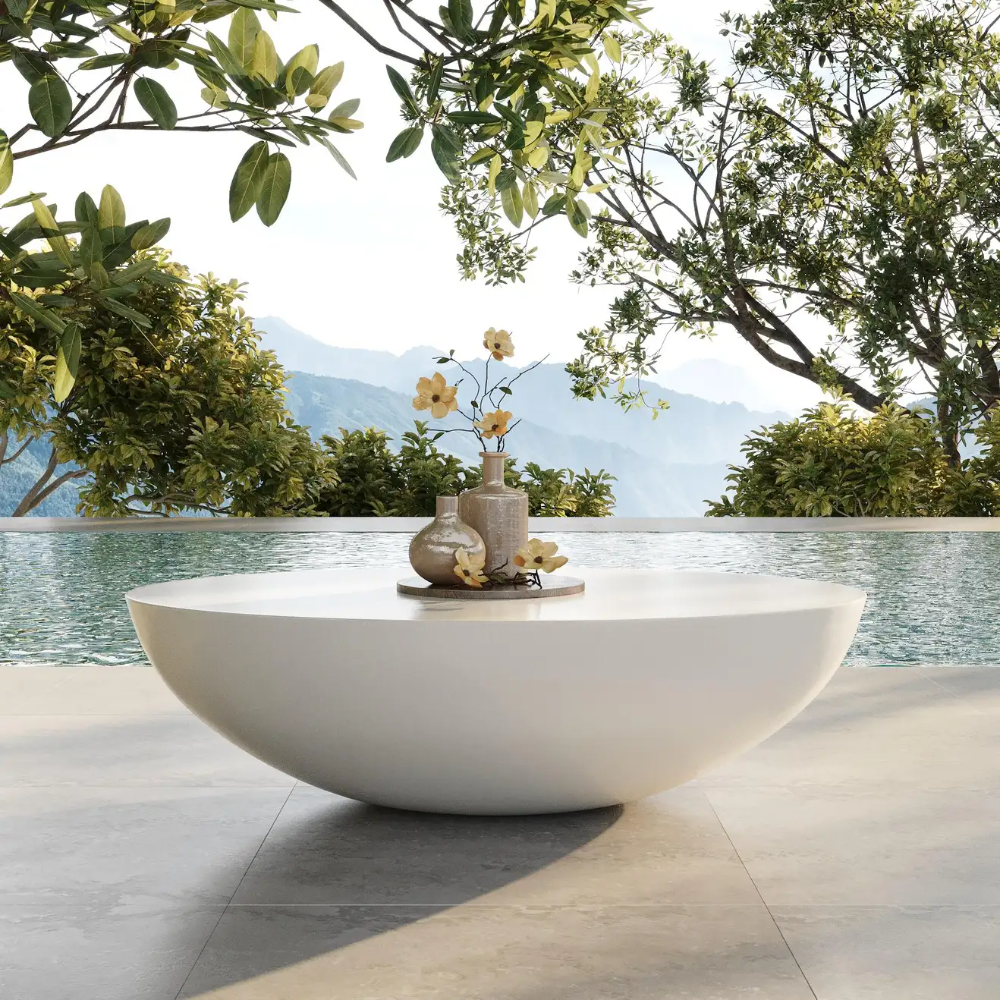
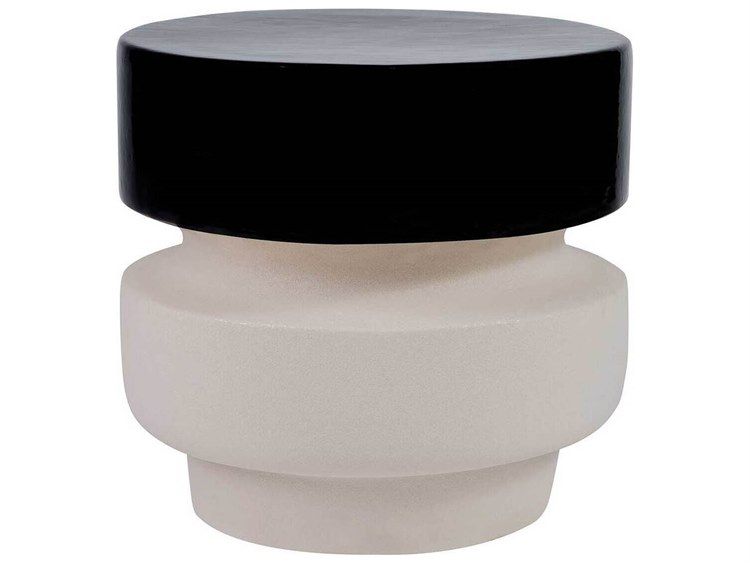
Don’t let its tough exterior fool you. Concrete furniture is surprisingly adaptable in terms of style. While it’s often associated with an industrial or minimalist aesthetic – think clean lines and a raw, unpolished finish – its potential goes much further. Designers are now casting concrete in various molds, creating pieces with softer edges, intricate patterns, and even vibrant colors by adding pigments during the mixing process. You can find sleek, modern coffee tables with smooth, polished surfaces, or rustic outdoor planters that complement a garden’s natural beauty. It can be smooth and polished to a near-glass finish, or left with its characteristic subtle texture. This adaptability means concrete can seamlessly integrate into a wide array of interior design schemes, from the ultra-modern to the more traditional, offering a unique textural contrast.
The Tactile Experience: A Unique Sensory Appeal
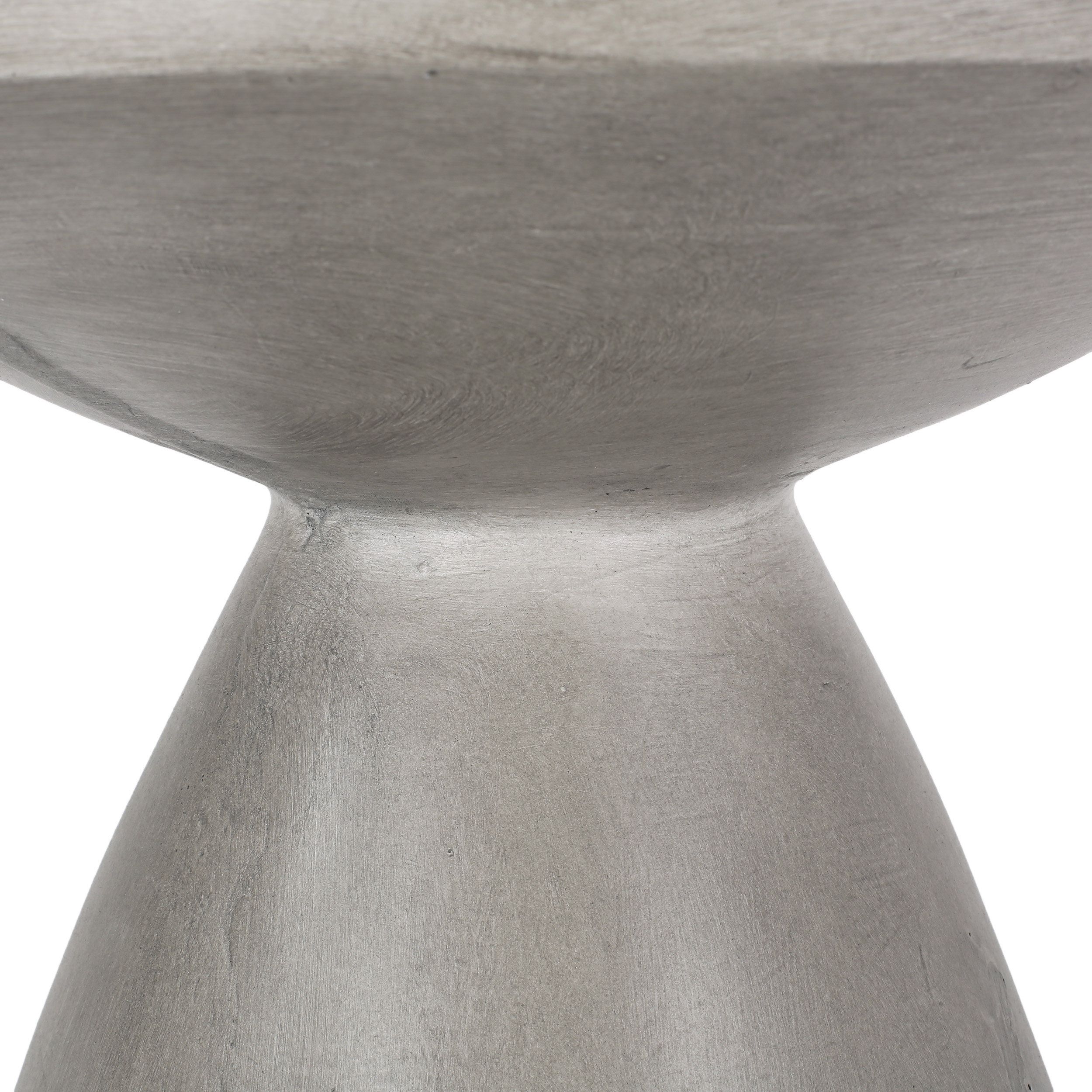
There’s something deeply satisfying about the feel of concrete. It’s cool to the touch, solid, and substantial. This tactile quality adds another layer to its appeal. Running your hand over a smoothly finished concrete surface can be quite grounding. It provides a sensory experience that materials like plastic or even some woods just can’t replicate. This grounding, earthy feel contributes to a sense of stability and calm in a space. It’s a material that invites interaction, offering a different kind of connection to the objects we surround ourselves with. For many, this tangible quality is a significant part of why they choose concrete.
Sustainability and Eco-Consciousness
When we talk about longevity, we’re not just talking about physical durability. We’re also talking about sustainability. Because concrete furniture is built to last for decades, even centuries, it inherently reduces the need for frequent replacements. This means less waste and a smaller environmental footprint over the long haul. Furthermore, many manufacturers are increasingly using recycled materials in their concrete mixes, and some are exploring lower-carbon cement alternatives. When you choose a piece of concrete furniture, you’re often opting for something that will remain a cherished item for generations, rather than ending up in a landfill after a few years. It’s a step towards more conscious consumption and a more sustainable way of furnishing our lives.
Practical Considerations: Maintenance and Placement
So, is concrete furniture all sunshine and smooth surfaces? Mostly, yes. However, like any material, it has its practicalities. While incredibly durable, concrete can be porous and susceptible to staining if not properly sealed. Most high-quality concrete furniture comes with a sealant, which is crucial for protecting it from spills and moisture. Regular dusting and occasional wiping down with a damp cloth are usually all that’s needed for routine care. For outdoor pieces, it’s still a good idea to check the sealant periodically, especially in harsh climates. And let’s not forget the weight. Concrete is heavy. This is part of its appeal for stability, but it also means you’ll want to think carefully about where you place it, as moving it can be a bit of a workout. But this heft also means it’s less likely to be knocked over, a definite plus with kids or pets around.
Creative Applications: Where Concrete Shines
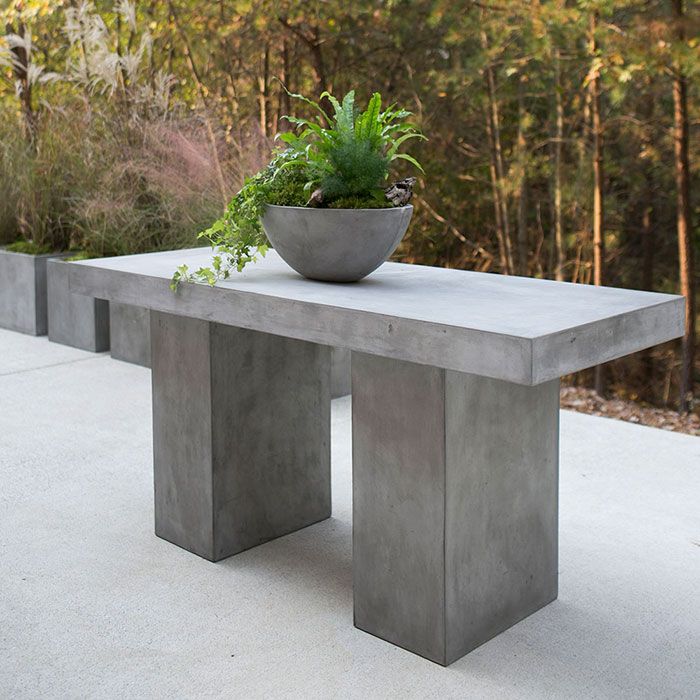
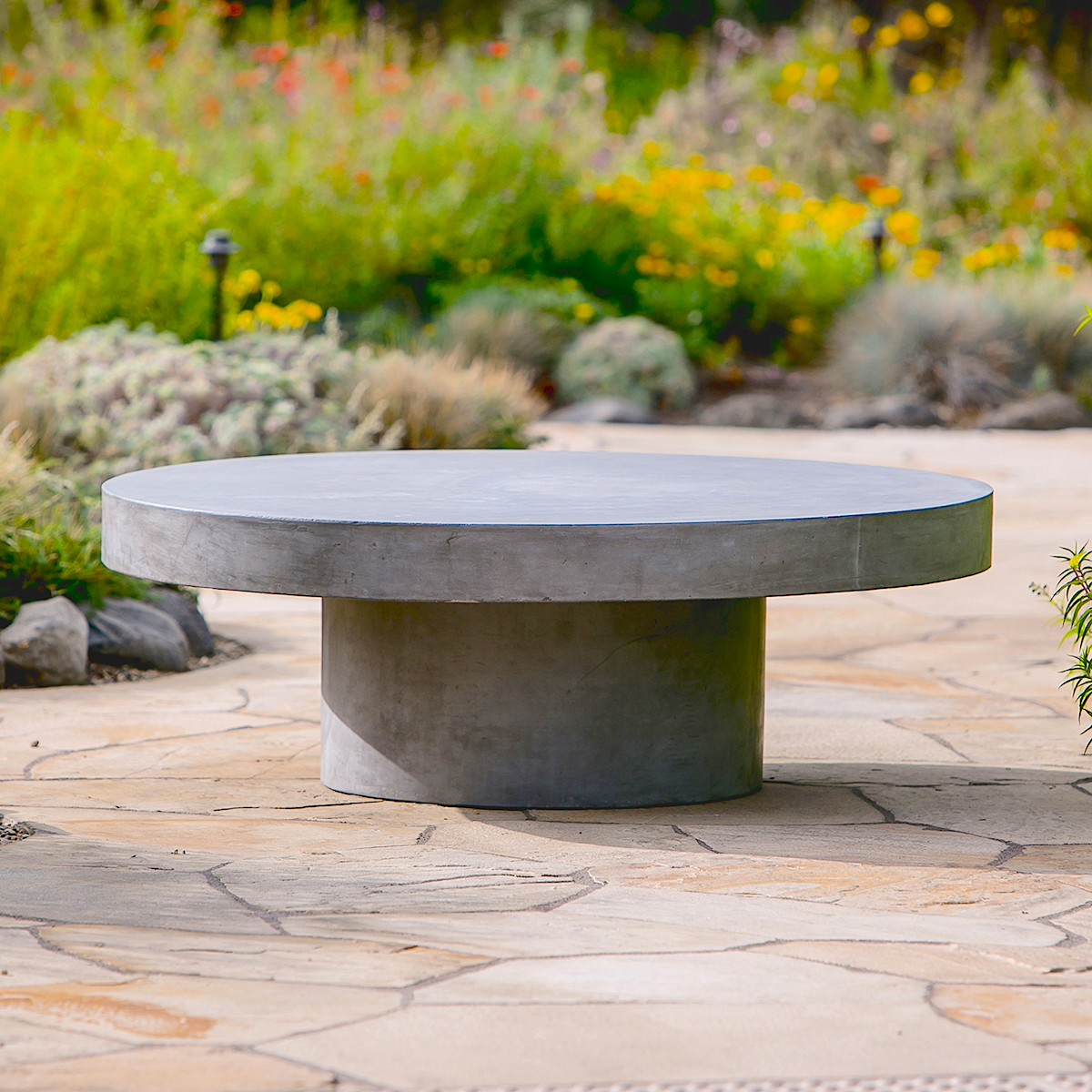
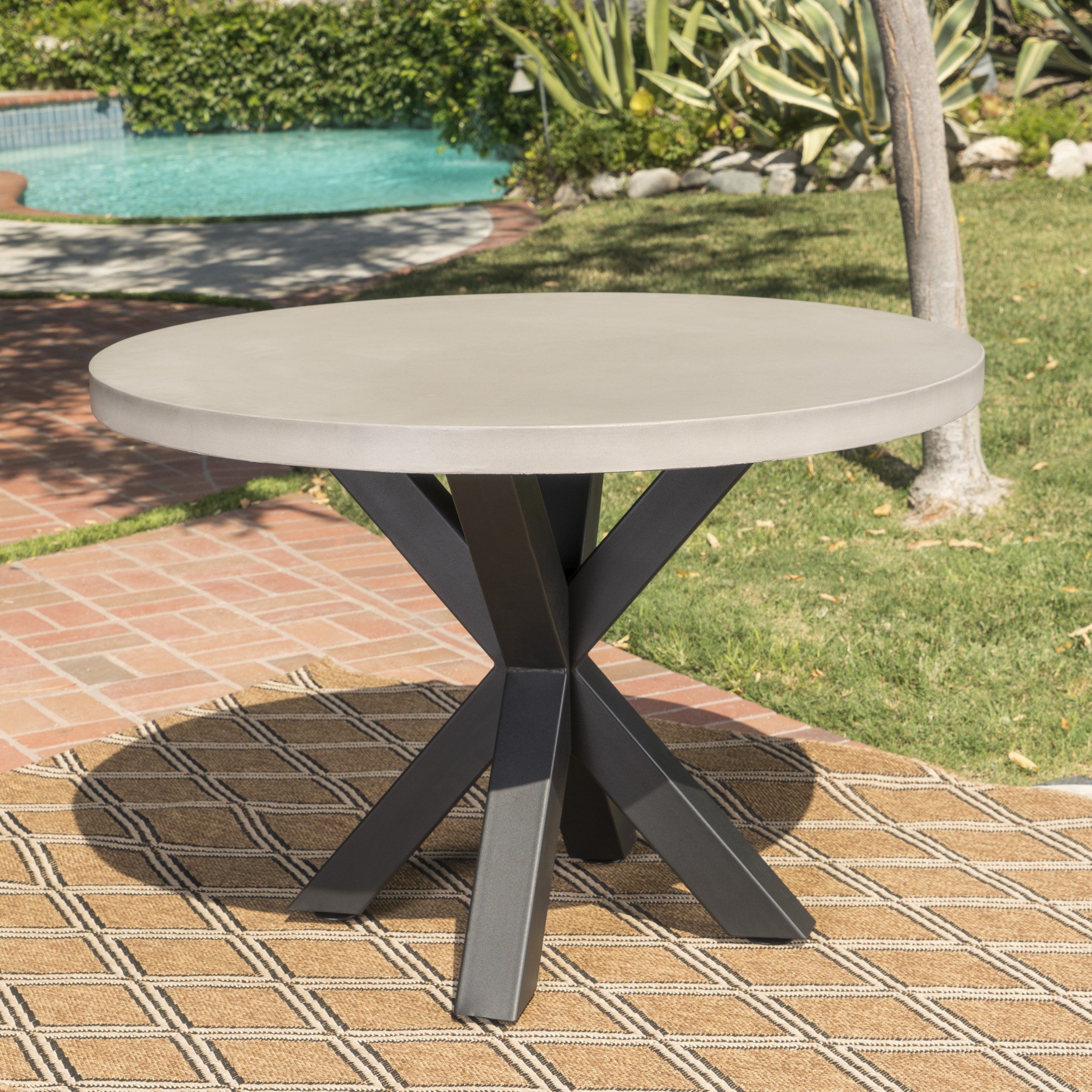
The versatility of concrete furniture means it can find a home in almost any setting. Picture a minimalist living room with a sleek, low-profile concrete coffee table as the centerpiece. Imagine a modern kitchen with concrete countertops and perhaps a matching island. For outdoor spaces, concrete benches, planters, and even dining sets can create a sophisticated and enduring look that blends beautifully with natural surroundings. It’s also a popular choice for commercial spaces – think cafes with concrete tabletops, or stylish office waiting areas with concrete reception desks. Its ability to be molded into various shapes and sizes, combined with its inherent strength, makes it a designer’s dream for creating unique and memorable pieces.
Concrete furniture has truly carved out its niche in the design world, and for good reason. It’s a material that marries incredible strength with surprising aesthetic flexibility. It offers a tactile, grounding experience and, with its inherent longevity, aligns with a more sustainable approach to living. While it demands a bit of thought regarding placement due to its weight, its durability and low maintenance make it a practical and rewarding choice. Whether you’re drawn to its raw, industrial charm or its potential for elegant, minimalist design, concrete furniture is more than just a trend; it’s a testament to enduring quality and a celebration of materials that are built to last, truly crafting longevity into our everyday spaces.