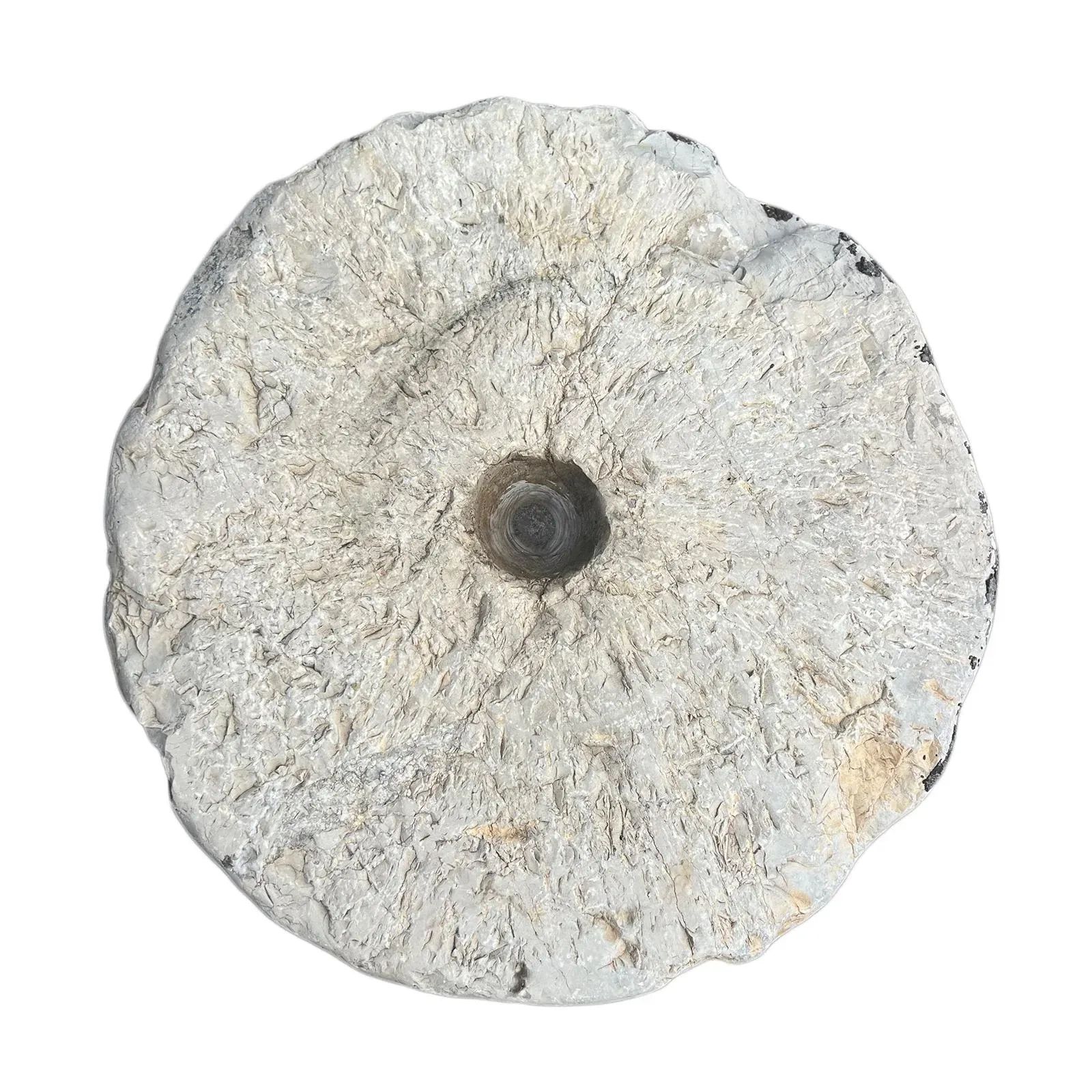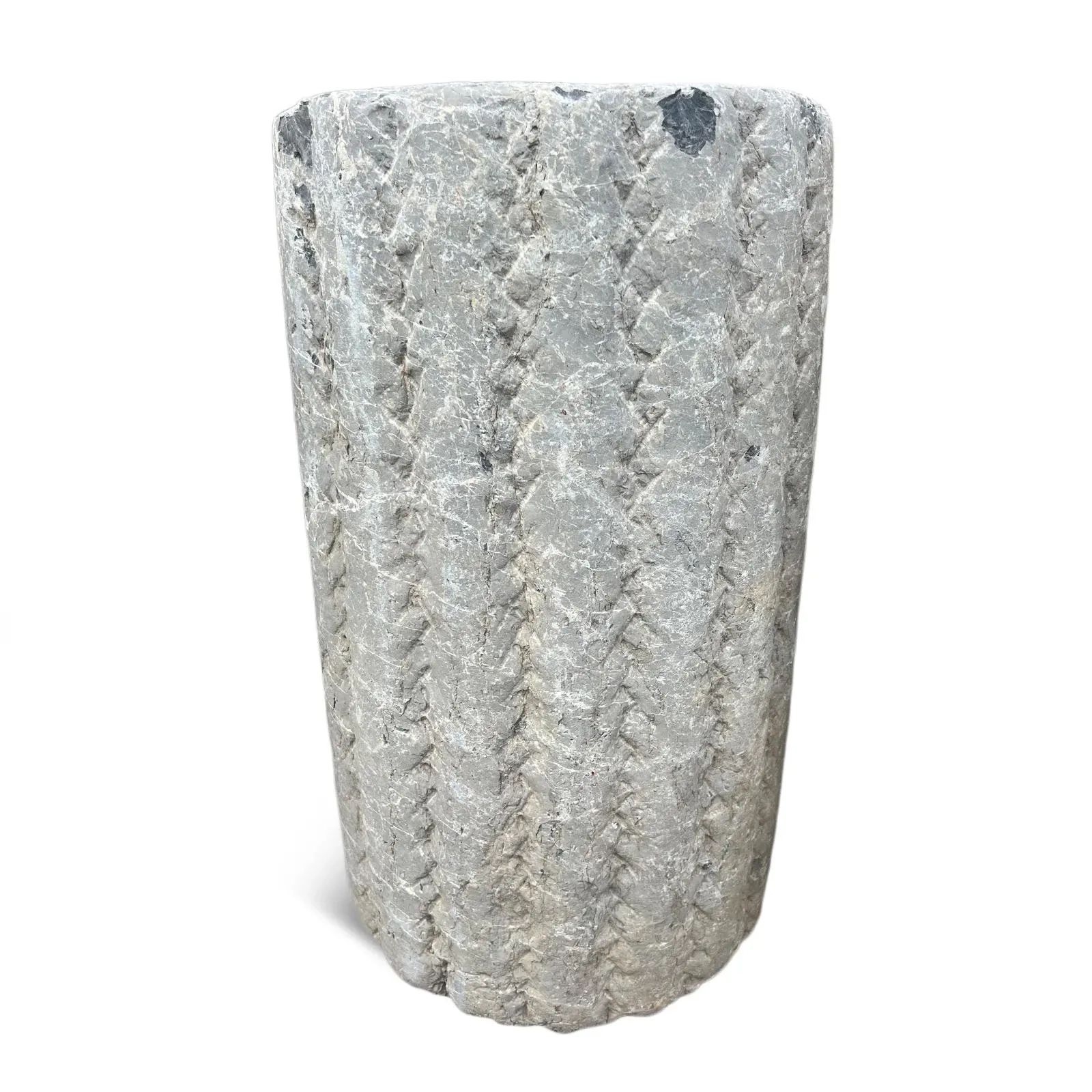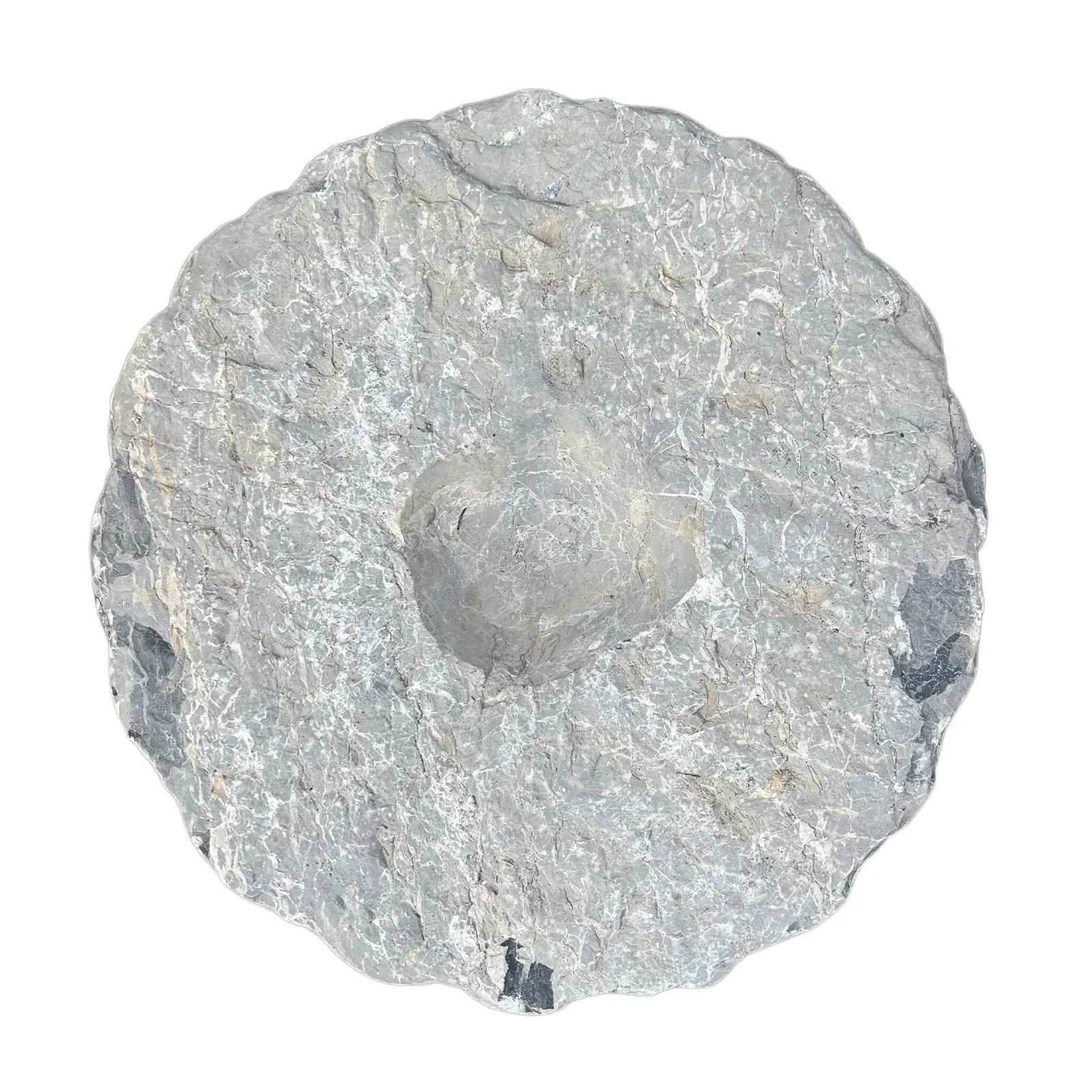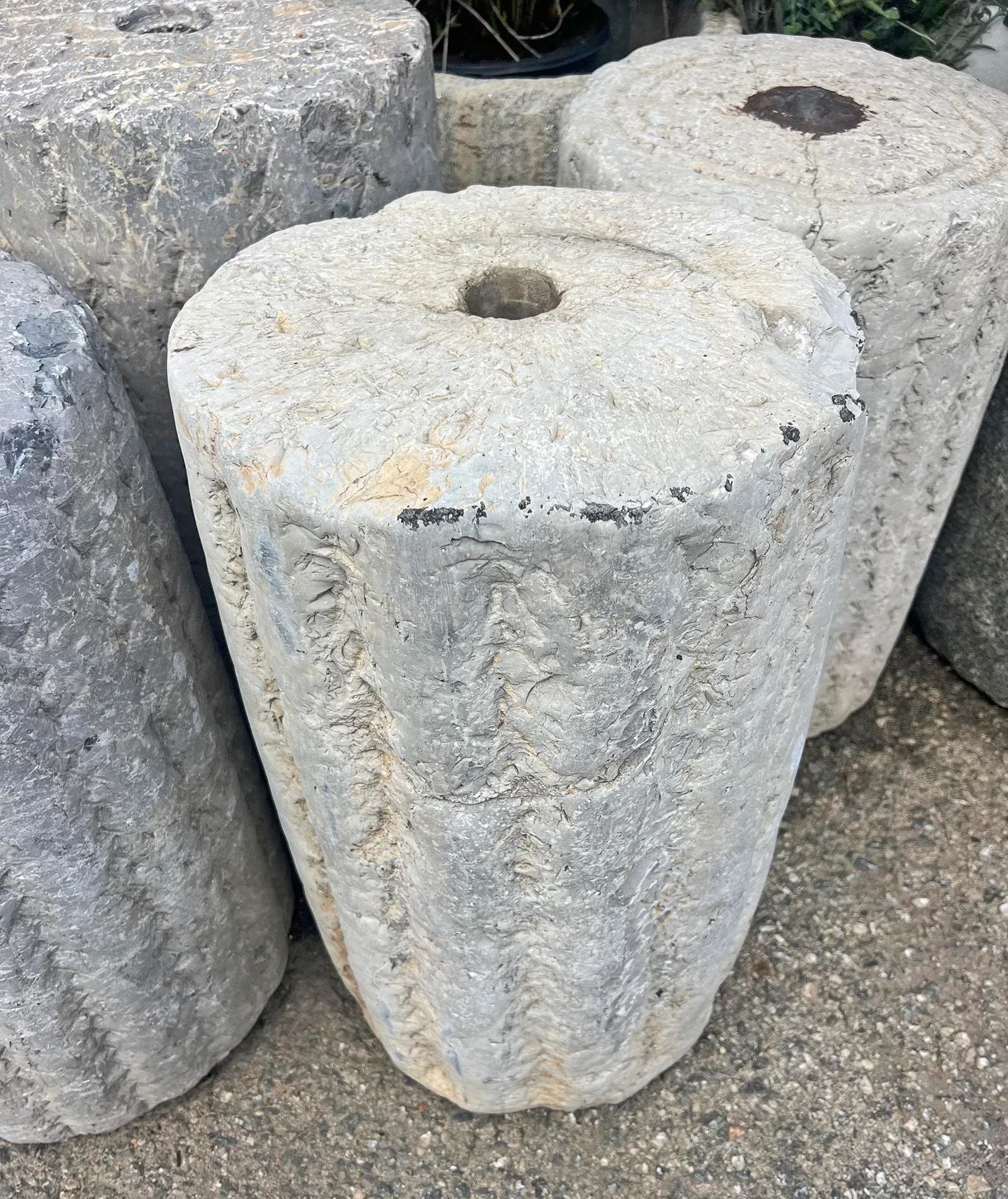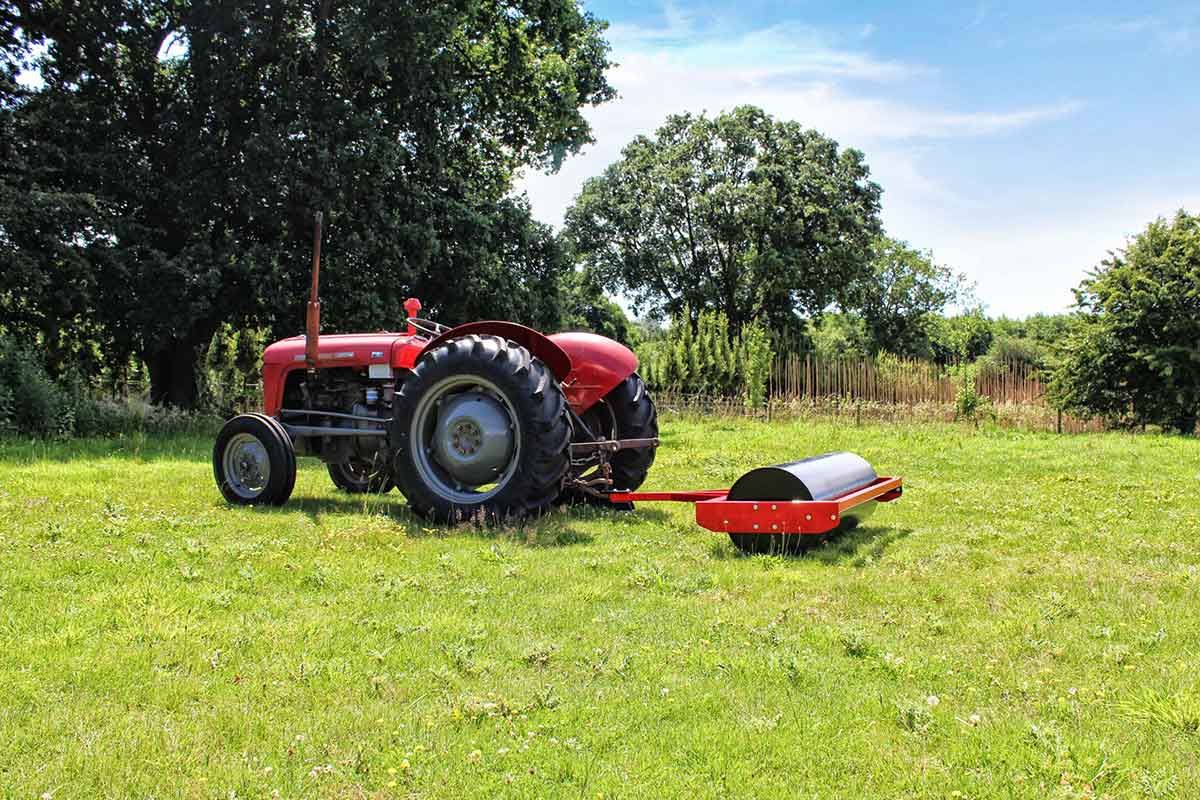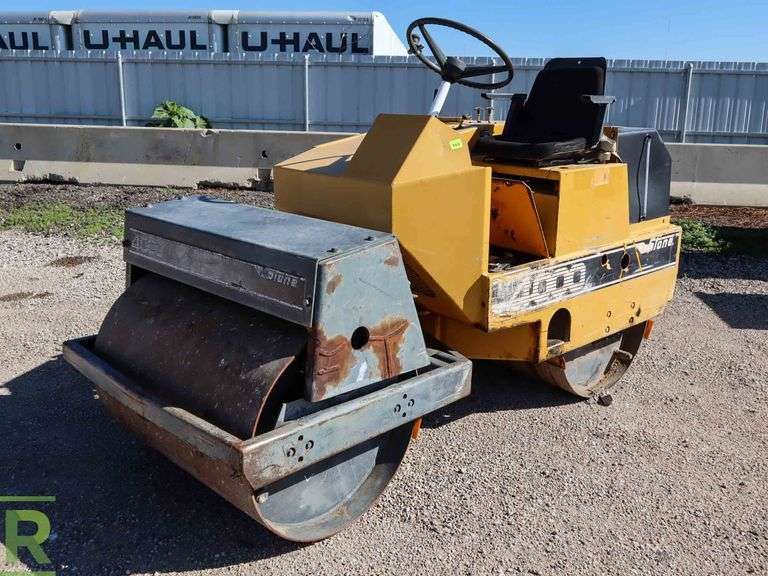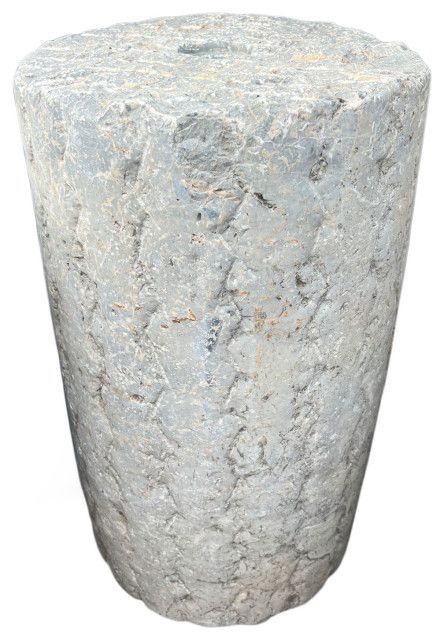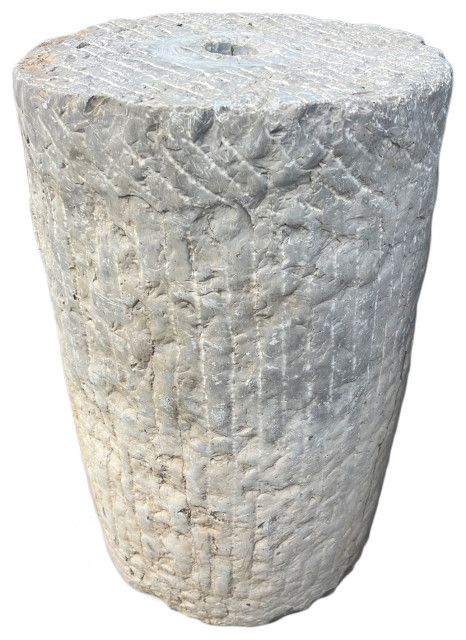
So, you’ve come across a vintage Mongolian field roller, perhaps at an auction, a flea market, or maybe it’s been gathering dust in a relative’s barn. These aren’t your everyday antiques, are they? They carry a weight of history, a story etched in their wood and metal. But how do you put a price on such a unique item? It’s not as simple as looking up a price guide for furniture, that’s for sure. This guide is here to help you navigate the fascinating world of appraising these remarkable pieces.
Appraising a consigned vintage Mongolian field roller is a unique endeavor. It’s about more than just assigning a monetary value; it’s about understanding the object’s journey, its craftsmanship, and its place in agricultural history. Whether you’re a collector looking to make a purchase, a seller aiming for a fair price, or simply curious about these fascinating tools, a solid appraisal can provide clarity and confidence. These rollers, used to flatten and prepare fields for planting, are often beautifully crafted, reflecting the ingenuity and resources of their time and region. Let’s dive into what makes these pieces tick and how to assess their worth.
Understanding the Mongolian Field Roller
Before we can appraise, we need to understand what we’re looking at. Mongolian field rollers, historically, were robust agricultural implements. Think of them as the ancestors of modern farming machinery, built for purpose and durability. They were typically constructed from sturdy local woods, often with heavy stone or metal components for added weight. The design would vary depending on the specific region and the type of soil they were intended for. Some might be simple log rollers, while others could have more elaborate mechanisms. Recognizing the basic function and typical construction is your first step in appreciating its value.
Key Factors in Valuation: Condition is King
The condition of your vintage Mongolian field roller is arguably the most significant factor influencing its worth. We’re talking about wear and tear, but also about preservation. Are there any major structural damages? Cracks in the wood, missing metal bands, or significant corrosion on any metal parts will naturally detract from its value. However, some signs of age and use can actually add character and authenticity, telling a story of its working life. Look for original finishes, intact joinery, and whether any repairs have been done sympathetically. A roller that has been well-maintained or carefully restored will command a higher price than one in a sorry state.
Historical Significance and Rarity
Is this roller a common design, or is it something truly exceptional? Rarity plays a huge role in the antique market. Perhaps this particular roller comes from a specific nomadic group, or it represents a transitional period in agricultural technology. Does it have any provenance? Knowing its history, where it came from, and who used it can dramatically increase its appeal and value. Documents, photographs, or even oral histories associated with the roller can be incredibly persuasive to a discerning collector. A roller with a documented lineage is often worth considerably more than an unknown specimen.
Materials and Craftsmanship
What is the roller made of, and how was it put together? The quality of the materials used and the skill evident in its construction are vital appraisal points. Were sturdy, high-quality hardwoods employed? Are there any intricate carvings or decorative elements, suggesting a more artisanal approach? The type and condition of any metalwork – iron bands, axles, or decorative fittings – also contribute. Expert craftsmanship, even in an agricultural tool, can elevate its status from a simple implement to a piece of functional art. Examine the joinery, the finish, and the overall structural integrity – these all speak to the skill of the original maker.
Market Demand and Comparable Sales
Even the most beautiful and well-preserved roller won’t fetch a high price if there’s no one looking to buy it. Market demand is a crucial, albeit sometimes fickle, element. Are there active collectors or institutions interested in Mongolian agricultural history or folk art? Researching recent sales of similar items is essential. Look at auction records, online marketplaces, and antique dealer inventories. Finding comparable sales – items that are as close as possible in terms of age, condition, rarity, and type – will give you a realistic benchmark for pricing. Don’t just look at asking prices; focus on what items actually sold for.
The Role of Provenance and Documentation
We touched on provenance earlier, but it deserves its own focus. Provenance is the history of ownership of an object. For vintage Mongolian field rollers, a clear and traceable history can significantly boost value. Did it belong to a notable historical figure? Was it part of a significant collection? Any documentation that supports its history – letters, invoices, photographs, or even expert testimonies – adds a layer of authenticity and desirability. This paperwork can transform a simple object into a historically significant artifact, making it much more attractive to serious buyers and increasing its appraised worth.
Appraising a consigned vintage Mongolian field roller is a blend of art and science. It requires careful observation, historical context, and an understanding of the market. By considering the condition, historical significance, materials, craftsmanship, and market demand, you can arrive at a well-reasoned valuation. Remember, the goal is to be fair and accurate, respecting the object’s past and its potential future. It’s a rewarding process, uncovering the stories and value held within these fascinating pieces of history.