Choosing the right decking material can feel like navigating a maze. There’s so much to think about – your budget, how much effort you want to put into maintenance, and of course, how it looks. This is where the comparison between acacia wood deck pavers and other options comes into play. Let’s explore the advantages, disadvantages, and everything else you need to know to make a smart choice that you’ll love for years to come, and keep your outdoor space looking fantastic. This guide is designed to help you cut through the clutter and find the perfect fit for your needs, so you can start enjoying your outdoor area sooner rather than later.
Outdoor living is a huge deal now, right? We all crave that perfect space to relax, entertain, or just soak up some sunshine. And a great deck is the foundation for all of that. When it comes to decking, you’ve got a ton of choices. But today, we’re zeroing in on a popular contender: acacia wood deck pavers. We’ll pit them against other choices, like composite decking, traditional wood, and concrete pavers, to give you the lowdown on what’s best for your unique needs and style, and to help you avoid any costly blunders. This isn’t just about what looks pretty; it’s about making a smart, long-term investment for your home and your lifestyle.
Acacia Wood Deck Pavers: The Good, the Bad, and the Beautiful
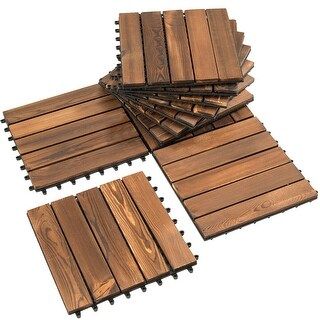
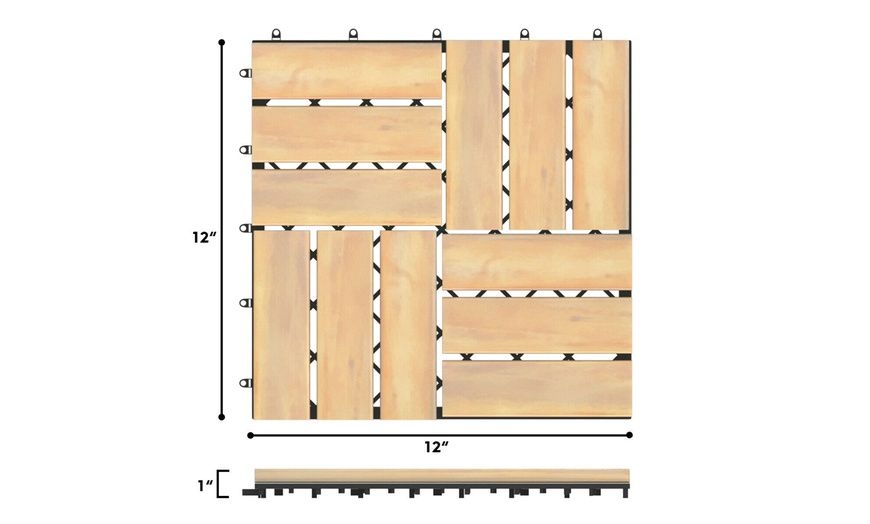
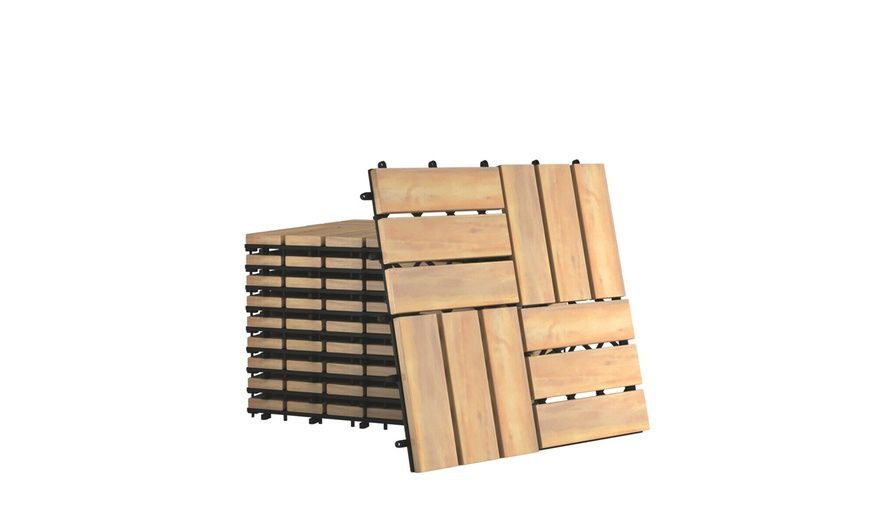
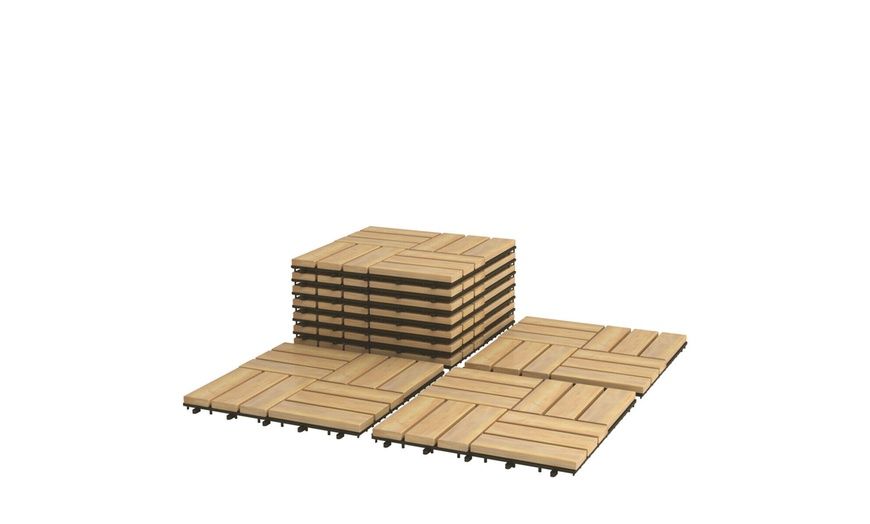
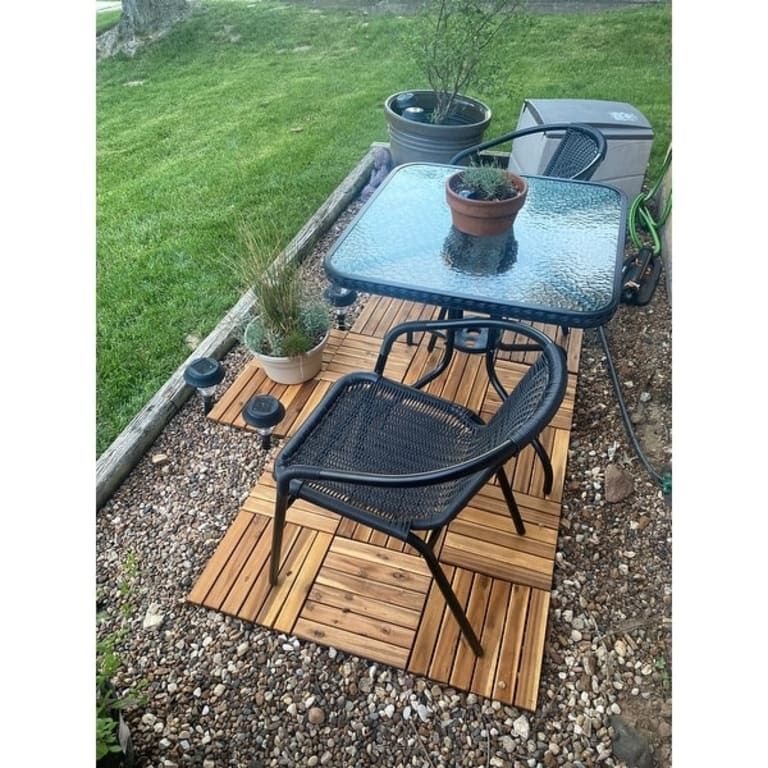
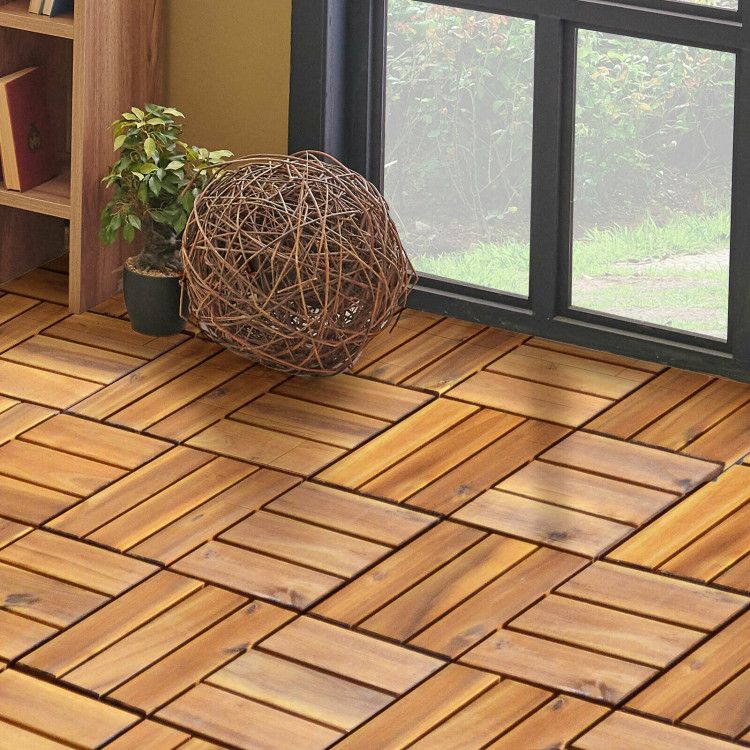
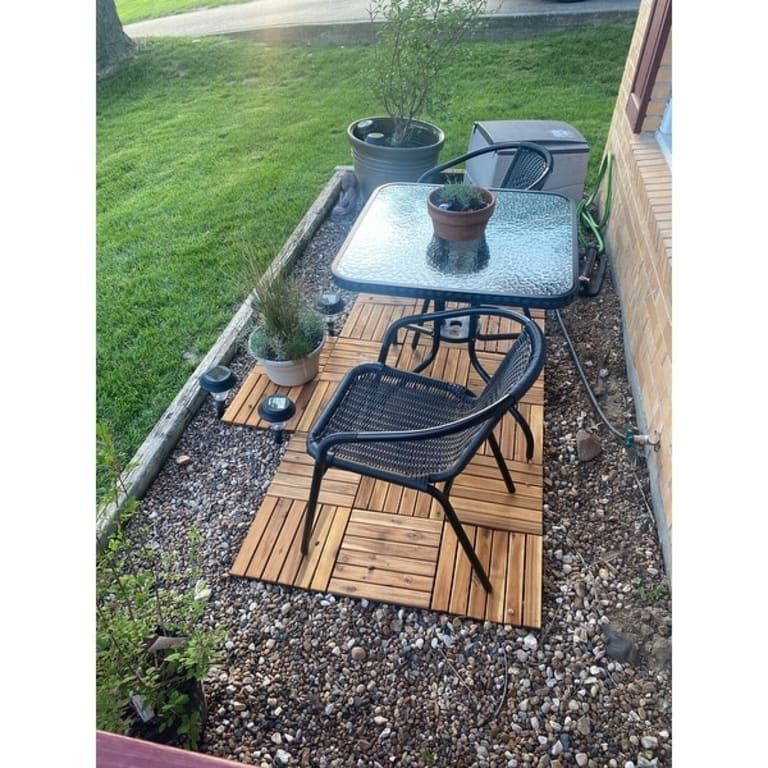
Acacia wood is a hardwood that’s known for its durability and natural beauty. Deck pavers made from acacia offer a warm, inviting look that can really elevate your outdoor space. They’re often pre-made in square or rectangular sections, which makes installation relatively straightforward, even for DIY enthusiasts.
Here are some of the key benefits:
- Natural Charm: Acacia has a rich, varied grain and warm tones that add a touch of elegance. It’s gorgeous.
- Durability: Acacia is naturally resistant to rot, decay, and insects, making it a long-lasting choice (though you will need to maintain it).
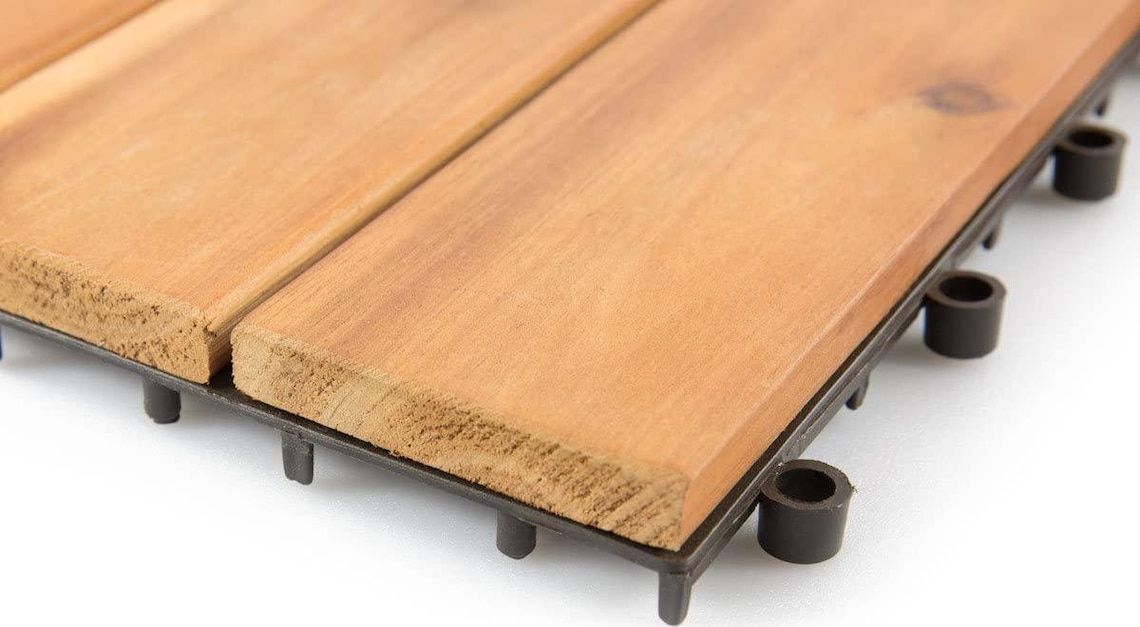
- Ease of Installation: Pavers are designed to click together, making installation much easier than traditional decking.
- Sustainable Option: Acacia is often sourced responsibly, making it a more eco-friendly choice, as long as you do your research.
Now, some downsides:
- Maintenance is Key: Acacia requires regular sealing, staining, or oiling to protect it from the elements and maintain its beauty. This can be a bit of a chore.
- Susceptible to Weather: While durable, acacia can still be impacted by harsh weather conditions, especially if not properly maintained. Extreme heat or cold can cause cracking or warping.
- Cost Considerations: Acacia can be more expensive than some other decking options, especially upfront. You need to factor in the cost of the pavers and the ongoing maintenance.
Example: I’ve seen a friend’s deck, made with acacia pavers, that was absolutely stunning when it was first installed. But, because they didn’t keep up with the maintenance, it started to look weathered and worn within a few years. A little bit of regular care could have made all the difference.
Composite Decking: Low-Maintenance, High-Tech
Composite decking is made from a blend of wood fibers and plastic, which gives it a lot of advantages, especially for people who don’t want to spend their weekends staining and sealing. It’s designed to be low-maintenance and resistant to rot, insects, and fading.
Here’s why it’s a popular pick:
- Low Maintenance: No staining or sealing is needed. Just a simple cleaning now and then.
- Durability: Composite is very resistant to the elements, and it won’t splinter, warp, or crack like some wood.
- Variety of Styles: You can find composite decking in a huge range of colors, styles, and textures, from traditional wood looks to more modern designs.
- Eco-Friendly: Some composite decking is made from recycled materials.
However, composite has its drawbacks:
- Cost: It can be more expensive than pressure-treated wood, and sometimes more expensive than acacia.
- Heat Retention: Composite decking can get hot to the touch in direct sunlight.
- Aesthetics: While it’s improved over the years, some people find that composite doesn’t have the same natural beauty as real wood. It can sometimes look a little too perfect or manufactured.
Example: My neighbor installed a composite deck a few years ago, and it still looks brand new. They haven’t had to do anything besides a quick wash with soap and water to keep it clean. They love it, and it’s a great example of the low-maintenance benefits.
Pressure-Treated Wood: The Classic Choice
Pressure-treated wood, typically pine or fir, is a budget-friendly and readily available option. It’s treated with chemicals to resist rot, decay, and insects, making it a durable choice for outdoor use.
Why pressure-treated wood is a good choice:
- Affordability: Generally the most budget-friendly option, especially upfront.
- Easy to Find: It’s available at most home improvement stores.
- Natural Look: It offers the classic look and feel of real wood.
But, there are some things to be aware of:
- Requires Maintenance: Pressure-treated wood needs to be stained or sealed regularly to protect it from the elements and prevent splitting or cracking. It’s more maintenance than composite.
- Susceptible to Weather: While treated, it can still be damaged by harsh weather conditions.
- Aesthetics: It can sometimes lack the premium look of acacia or composite.
Example: My aunt has a pressure-treated deck, and it’s held up well for years, but she’s very diligent about staining it every couple of years. It’s a testament to the fact that with the right care, it can last a long time.
Concrete Pavers: Solid and Versatile
Concrete pavers are a solid choice for decks, offering a wide range of design options and excellent durability. They come in various shapes, sizes, and colors, allowing for a lot of creativity in your outdoor space.
The pros of concrete pavers:
- Durability: Concrete is incredibly strong and can withstand heavy use and harsh weather.
- Low Maintenance: They require minimal upkeep. Cleaning is usually all that’s needed.
- Design Flexibility: You can create a variety of patterns and looks with different shapes and colors.
- Cost-Effective: Often more affordable than wood or composite.
The cons to think about:
- Appearance: Concrete can look a bit cold and industrial, though there are many decorative options available.
- Installation: Can be more labor-intensive to install than some other decking options, requiring a proper base and leveling.
- Can Crack: Concrete can crack over time, especially in areas with extreme temperature changes.
Example: I’ve seen some incredible patios made with concrete pavers, where they’ve used different colors and patterns to create stunning designs. The key is to choose a design you love and make sure the installation is done correctly.
Comparing the Costs: A Quick Breakdown
Let’s talk money. The cost of decking materials can vary quite a bit, so it’s important to factor this into your decision. Keep in mind that these are general estimates, and prices can change based on your location, the quality of the materials, and the complexity of your project.
- Pressure-Treated Wood: Generally the most budget-friendly option, especially upfront. But remember to add in the cost of stain or sealant over time.
- Concrete Pavers: Usually a mid-range cost option, offering good value for the money.
- Acacia Wood Deck Pavers: Can be more expensive than pressure-treated wood, but potentially less than some composite options. Factor in the cost of maintenance products.
- Composite Decking: Often the most expensive option upfront, but the low-maintenance aspect can save you money in the long run.
Important Note: Don’t just look at the initial cost. Think about the long-term costs of maintenance, repairs, and the lifespan of the materials. A slightly more expensive option initially might end up saving you money and headaches in the long run.
Making Your Final Decision: Finding the Right Decking for You
So, how do you choose? It all comes down to your specific needs, budget, and lifestyle. Here’s a quick guide to help you decide:
- If you want low maintenance and don’t mind the higher cost: Composite decking is a great choice.
- If you want a classic wood look on a budget: Pressure-treated wood is a solid option, but be prepared for maintenance.
- If you love the natural look of wood and are willing to put in the work: Acacia wood deck pavers can be a beautiful and durable choice.
- If you want a durable, versatile option with a lot of design possibilities: Concrete pavers are worth considering.
Actionable Tips:
- Get Samples: Before you commit, get samples of the different materials and see them in your space.
- Consider Your Climate: Choose materials that are well-suited to your local weather conditions.
- Research Installation: If you’re doing it yourself, make sure you understand the installation process. If you’re hiring a professional, get multiple quotes.
- Plan for Maintenance: Factor in the ongoing maintenance requirements of each material.
Final Thought: Take your time, do your research, and choose the decking material that best fits your needs and vision. It’s an investment that will improve your home and add to your enjoyment of outdoor living for years to come. And remember, there’s no one-size-fits-all answer – the best choice is the one that’s perfect for you.
Choosing the right decking material is a big decision, but hopefully, this guide has given you a clearer picture of the options, particularly when it comes to acacia wood deck pavers and their alternatives. Whether you prioritize low maintenance, budget-friendliness, or natural beauty, there’s a decking material out there that’s perfect for you. By carefully considering your needs, budget, and lifestyle, you can create an outdoor space that you’ll love for years to come, a place where you can relax, entertain, and make lasting memories. Now go forth and build your dream deck. And remember, the most important thing is to enjoy the process and the final result.