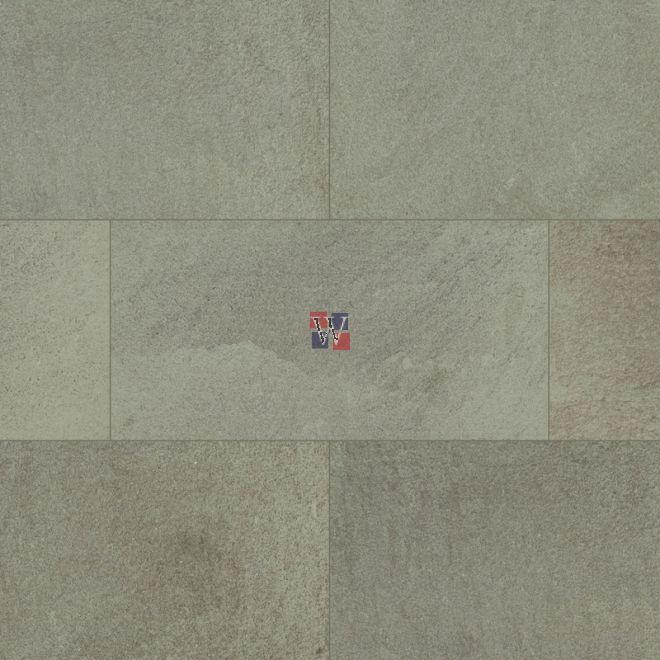
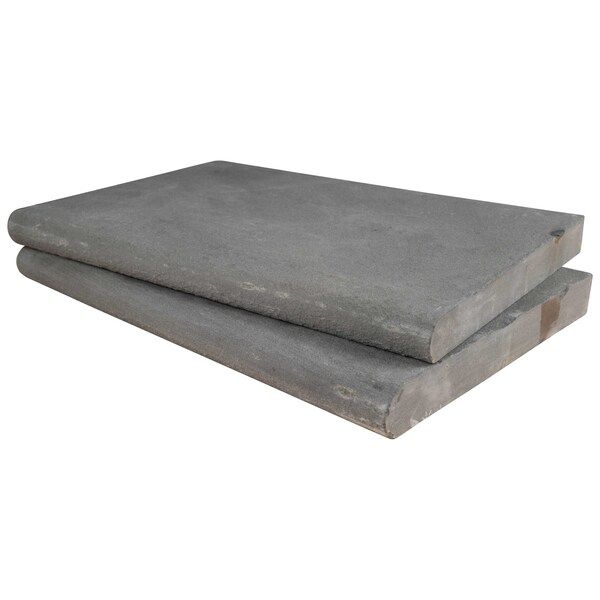
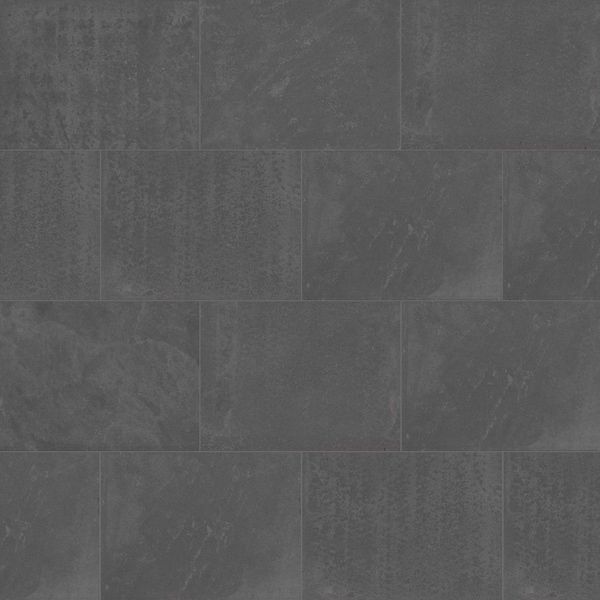
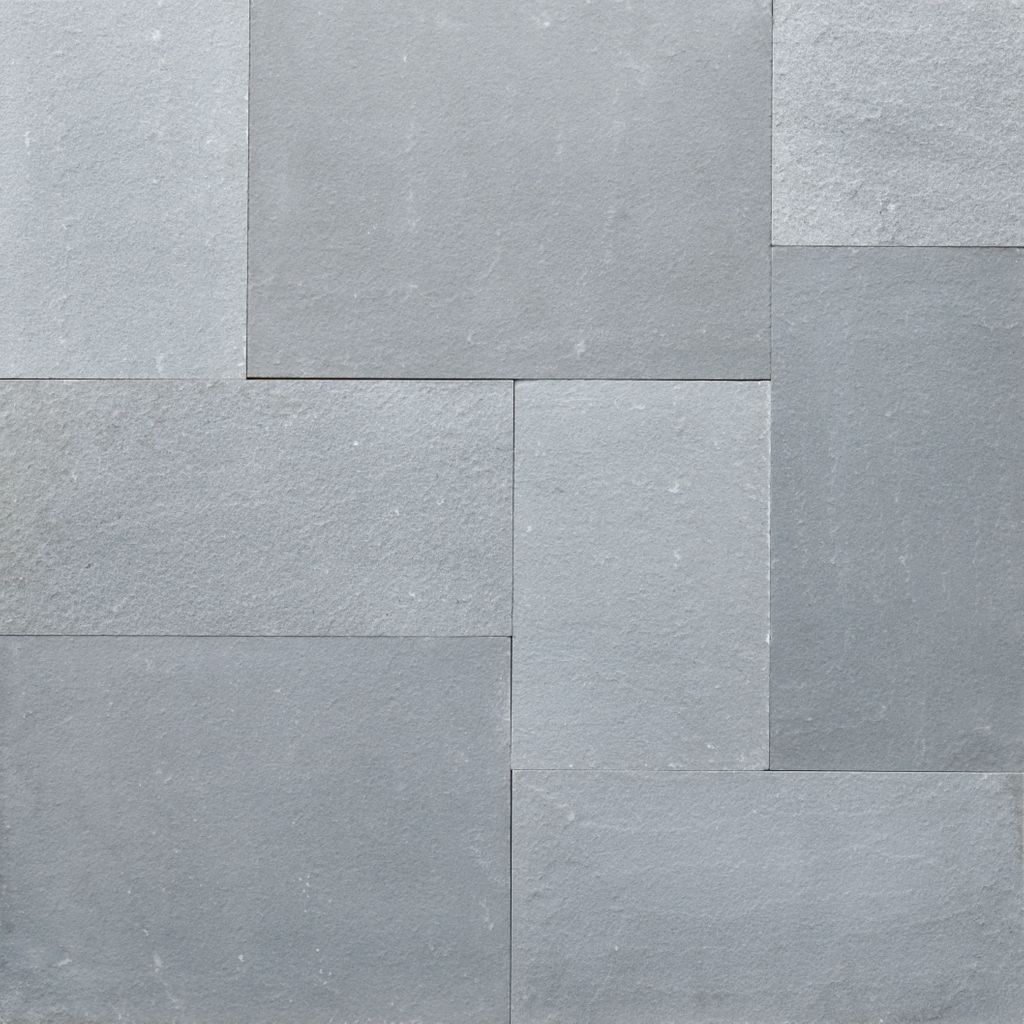
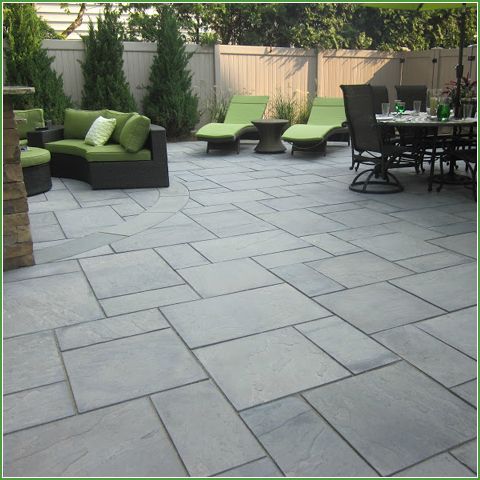
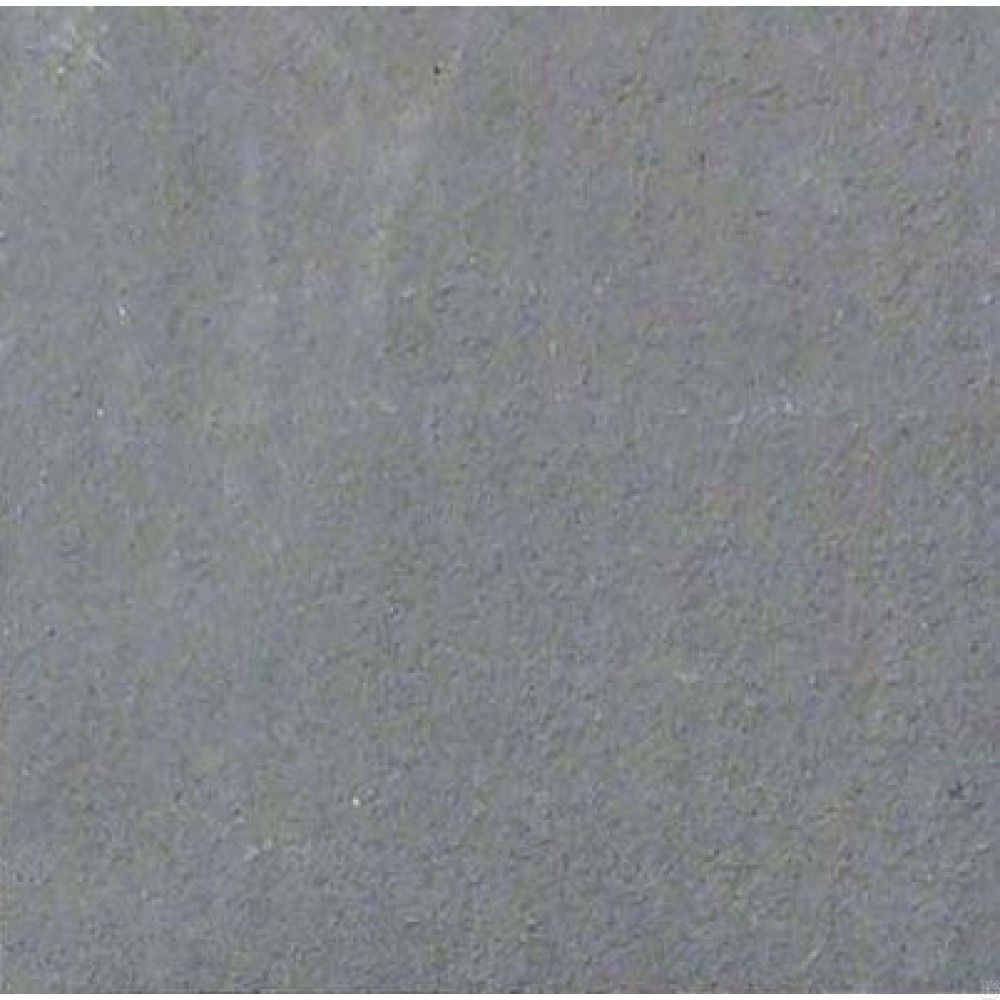
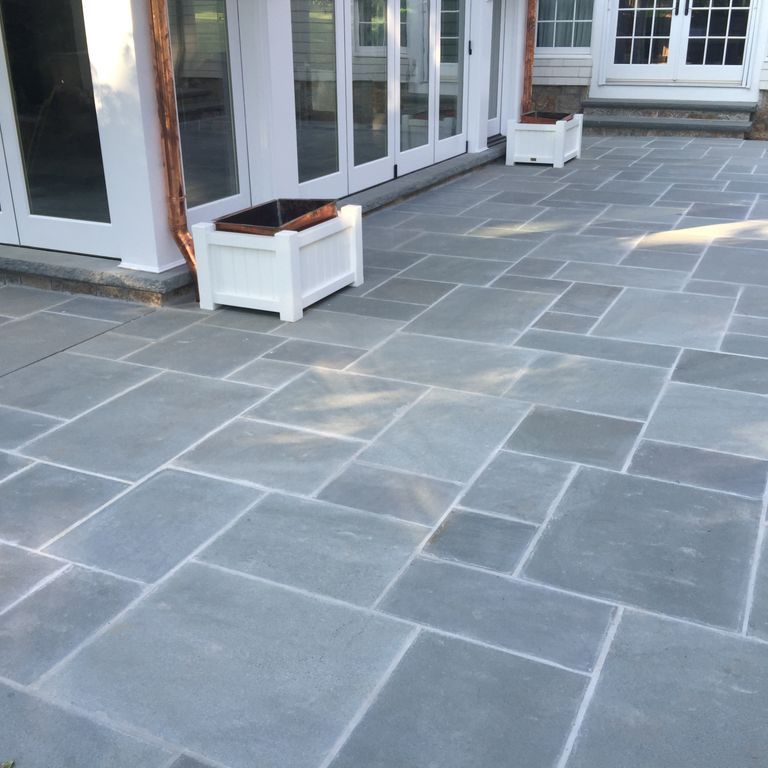
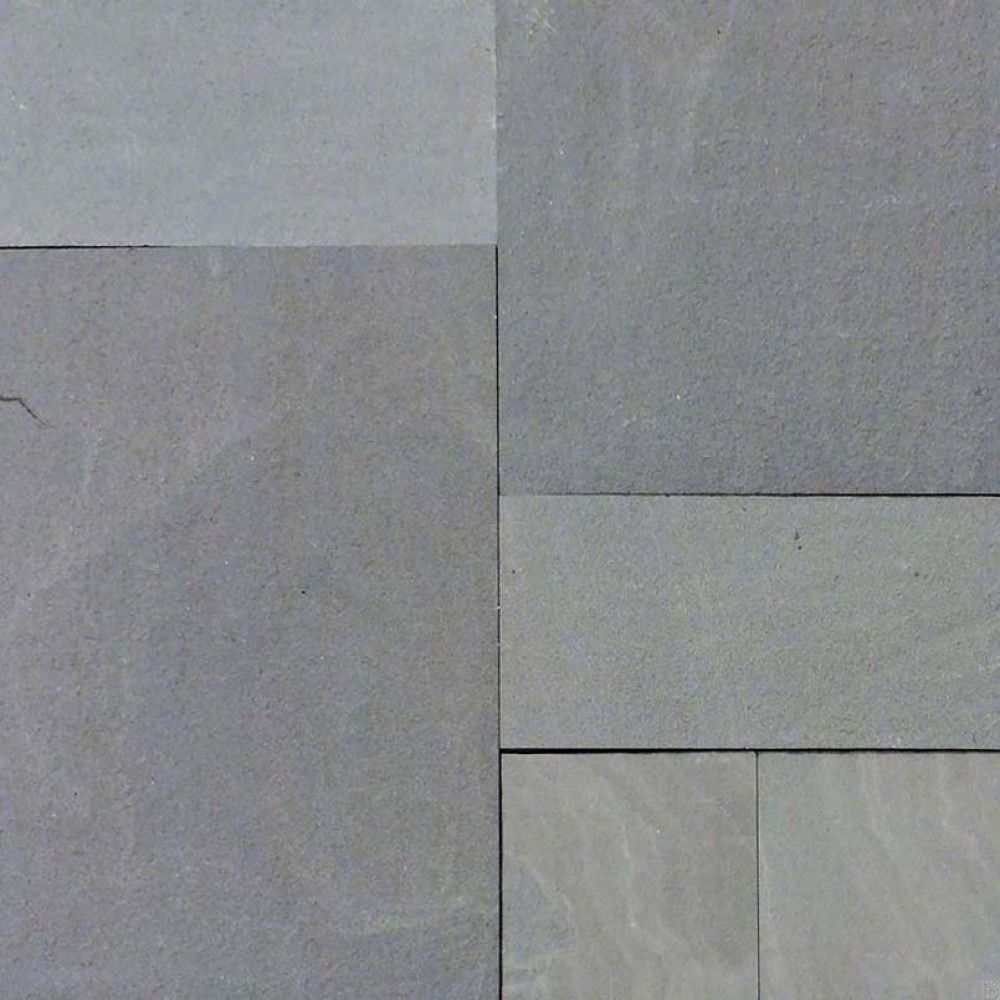
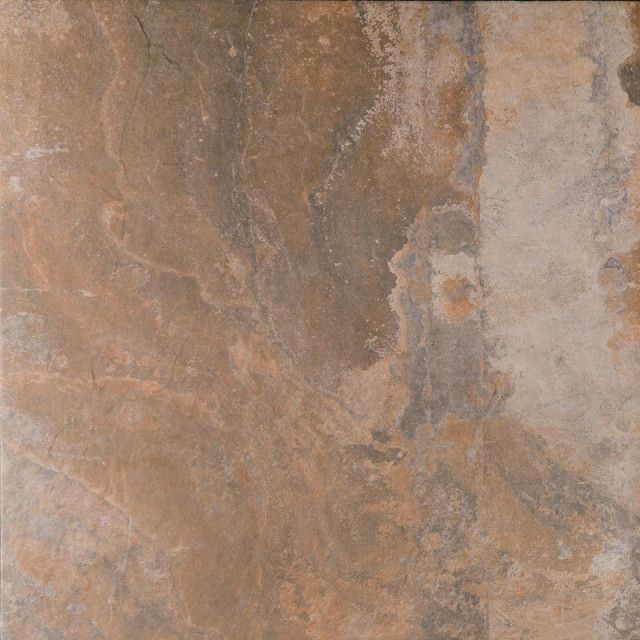
Mountain bluestone is a truly special material. Its rich colors, natural variations, and rugged durability make it a favorite for patios, walkways, and driveways. However, like any natural stone, bluestone requires a bit of tender loving care to look its best and withstand the test of time and the harshest weather conditions. This guide is your comprehensive resource for understanding how to maintain, protect, and preserve your mountain bluestone paved surfaces, ensuring they remain a stunning feature of your outdoor space for many years to come. We’ll cover everything from regular cleaning to the art of sealing, and even some tricks for dealing with those inevitable stains and wear-and-tear. And we’ll do it in a way that’s easy to understand, even if you’re new to the world of stone care.
Your mountain bluestone paving is an investment and a statement. It’s a feature that elevates your home’s aesthetic and adds significant value. Proper maintenance doesn’t just keep it looking beautiful; it also prevents costly repairs down the road. Ignoring your bluestone can lead to problems like weed growth, staining, cracking, and erosion. This guide will help you avoid those issues and enjoy your beautiful stone for years to come. We’ll explore the practical steps you can take, the products you might need, and the best practices to make the most of your investment. Plus, we’ll talk about some common mistakes to avoid, so you can sidestep any potential pitfalls. So, let’s get started, shall we?
Regular Cleaning: The Foundation of Bluestone Care
The most important thing you can do to keep your bluestone looking great is regular cleaning. This doesn’t have to be a huge chore; in fact, a simple routine can make a world of difference.
- Sweeping: This is your first line of defense. Sweep your bluestone surfaces regularly, ideally once or twice a week, to remove loose debris like leaves, dirt, and twigs. A stiff-bristled broom is ideal. And it’s important to sweep across the paver joints, so you can stop any weeds from growing.
- Water Rinse: Every month or so, give your bluestone a good rinse with water. A garden hose with a spray nozzle works perfectly. This will help remove any surface dirt that sweeping might have missed. Don’t use a pressure washer, unless you’re experienced with it (and know how to adjust the pressure for stone), as it can damage the stone’s surface.
- Mild Soap and Water: For tougher grime or stains, use a mild soap and water solution. Dish soap is often a good choice, but avoid anything with harsh chemicals, bleach, or ammonia. Scrub gently with a soft brush, and rinse thoroughly. A lot of people make the mistake of using harsh chemicals without realizing the damage they’re causing.
Dealing with Stains: Tackling the Common Culprits
Spills and stains are inevitable, but don’t panic. The key is to act quickly and use the right approach. Here are some common stain types and how to handle them:
- Oil and Grease: Sprinkle the stain with an absorbent material like cat litter, cornstarch, or baking soda. Let it sit for several hours (or overnight), then sweep it up. You may need to repeat this process. For stubborn stains, you can try a poultice made from the absorbent material and a solvent like mineral spirits. Always test in an inconspicuous area first.
- Rust: Rust stains can be tricky. You can try a commercial rust remover designed for stone. Follow the product’s instructions carefully. Be sure to test it in a small area first to ensure it doesn’t damage the bluestone. And, be very careful with these products, they can be powerful.
- Organic Stains (Leaves, Mold, Mildew): These are often easier to remove. A mild soap and water solution, along with a bit of elbow grease, usually does the trick. For stubborn mold or mildew, you can use a diluted bleach solution, but be sure to rinse thoroughly afterwards. And again, test in an area that’s not very easy to see first.
Pro Tip: The sooner you address a stain, the easier it will be to remove. Don’t let spills sit for long.
Sealing Your Bluestone: Protecting Your Investment
Sealing your bluestone is a crucial step in preserving its beauty and durability. A good sealant will protect the stone from stains, water damage, and the damaging effects of the sun. Here’s what you need to know:
- Types of Sealants: There are two main types of sealants: penetrating sealers and surface sealers. Penetrating sealers soak into the stone and provide protection from within. Surface sealers create a protective layer on top of the stone. Penetrating sealers are generally preferred for their natural look and breathability. Surface sealers can change the appearance of the stone, making it look glossy.
- Application: Before applying any sealant, make sure your bluestone is clean and completely dry. Follow the manufacturer’s instructions carefully. Usually, you’ll apply the sealant with a sprayer, roller, or brush. You may need to apply multiple coats.
- Reapplication: Sealant doesn’t last forever. The frequency of reapplication depends on the sealant you use, the amount of foot traffic, and the weather conditions. Generally, you should reseal your bluestone every 1-3 years. Check the sealant’s product information for specific recommendations.
Important Note: Always test the sealant in an inconspicuous area before applying it to the entire surface. This will help you ensure it doesn’t change the stone’s appearance or cause any unwanted effects. And, make sure you are working in a well-ventilated area, and wear appropriate safety gear.
Dealing With Weeds: Keeping Your Paving Weed-Free
Weeds can be a persistent problem in any paved area, and bluestone is no exception. They can sprout between the pavers, detracting from the appearance of your stone and potentially causing damage. Here’s how to keep those weeds at bay:
- Preventative Measures: The best way to deal with weeds is to prevent them in the first place. When installing your bluestone paving, make sure to use a good base material and proper jointing material. This will make it harder for weeds to take root. Consider using polymeric sand in the joints, as it hardens and resists weed growth.
- Manual Removal: For small weeds, manual removal is often the best approach. Pull the weeds by hand, making sure to get the entire root. A weeding tool can be helpful. Do this regularly to stop the weeds from spreading.
- Herbicides: If manual removal isn’t enough, you can use herbicides. Choose a herbicide specifically designed for use on stone. Apply it carefully, following the product’s instructions. Be careful not to get herbicide on any plants you want to keep. And remember that herbicides are best used as a last resort.
Safety First: Always wear gloves and eye protection when handling herbicides.
Winter Care: Protecting Your Bluestone During Cold Months
Winter weather can be harsh on bluestone. Freezing and thawing cycles can cause the stone to crack, and the use of de-icing salts can damage the surface. Here’s how to protect your bluestone during the winter:
- Remove Snow and Ice: Use a plastic shovel or a snow blower with a rubber blade to remove snow and ice. Avoid using metal shovels, as they can scratch the stone.
- De-Icing Salts: If you need to use de-icing salts, choose a product that’s specifically designed for use on stone. Avoid products containing chlorides, as they can be damaging. Consider using sand for traction instead.
- Preventative Sealing: Make sure your bluestone is properly sealed before winter arrives. This will help protect it from water damage caused by freezing and thawing.
- Regular Inspections: Inspect your bluestone regularly throughout the winter for any signs of damage, such as cracking or flaking. Address any issues promptly to prevent them from worsening.
Important Reminder: Never use salt on new bluestone surfaces, as it can cause damage.
Common Mistakes to Avoid
Even with the best intentions, it’s easy to make mistakes when caring for your bluestone. Here are some common pitfalls to steer clear of:
- Using Harsh Chemicals: Avoid using harsh cleaners, bleach, or ammonia. These can damage the stone’s surface and strip away any sealant.
- Using Pressure Washers Incorrectly: Pressure washers can be helpful, but they can also cause damage if used incorrectly. Always use the lowest pressure setting and hold the nozzle at a safe distance from the stone.
- Neglecting Sealing: Skipping the sealing process is a common mistake. Sealing is essential for protecting your bluestone from stains and water damage.
- Ignoring Small Problems: Don’t ignore small problems like weeds or minor stains. Addressing these issues promptly will prevent them from becoming bigger, more costly problems.
- Using the Wrong Tools: Using the wrong tools, like metal shovels or abrasive brushes, can scratch and damage the stone. Always use tools that are specifically designed for use on stone.
By avoiding these mistakes, you can ensure that your bluestone paving remains a beautiful and enduring feature of your home.
Maintaining mountain bluestone paving is a rewarding endeavor. It requires a little effort, but the results – a stunning and durable outdoor space – are well worth it. By following the tips and advice in this guide, you can keep your bluestone looking its best, protect it from damage, and enjoy its beauty for many years to come. Remember that regular cleaning, stain removal, and proper sealing are the keys to long-term success. And don’t be afraid to ask for professional help if you’re unsure about any aspect of the maintenance process. With a little care, your mountain bluestone will become a cherished part of your home, creating a welcoming and beautiful outdoor space for you and your loved ones. Now go out and enjoy your beautifully maintained bluestone. You’ve earned it. And, just one more thing, remember to take time to relax and appreciate the beauty that surrounds you.