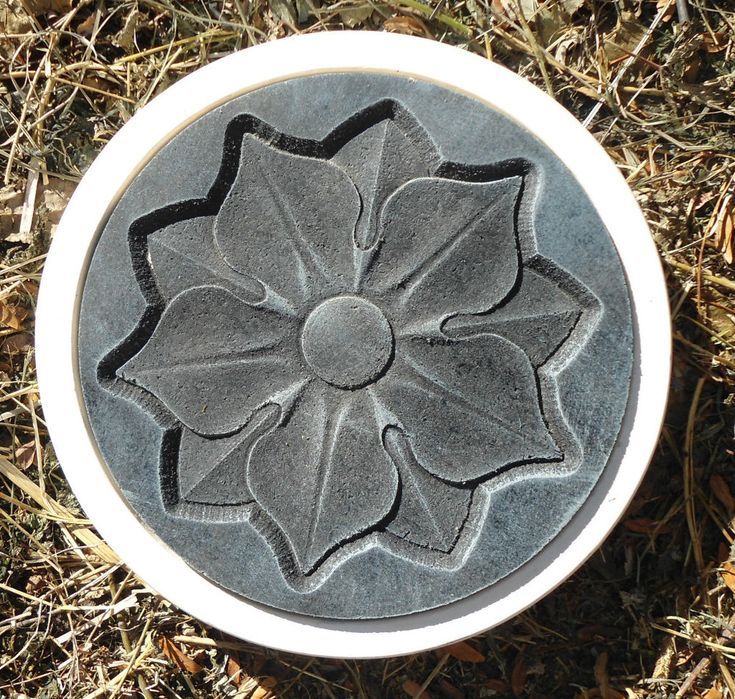
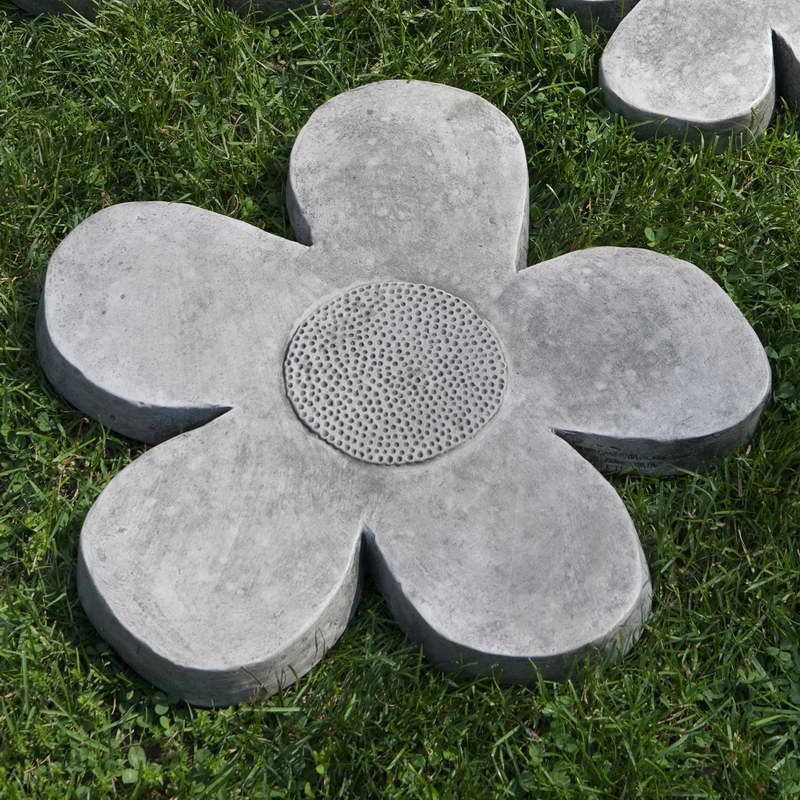
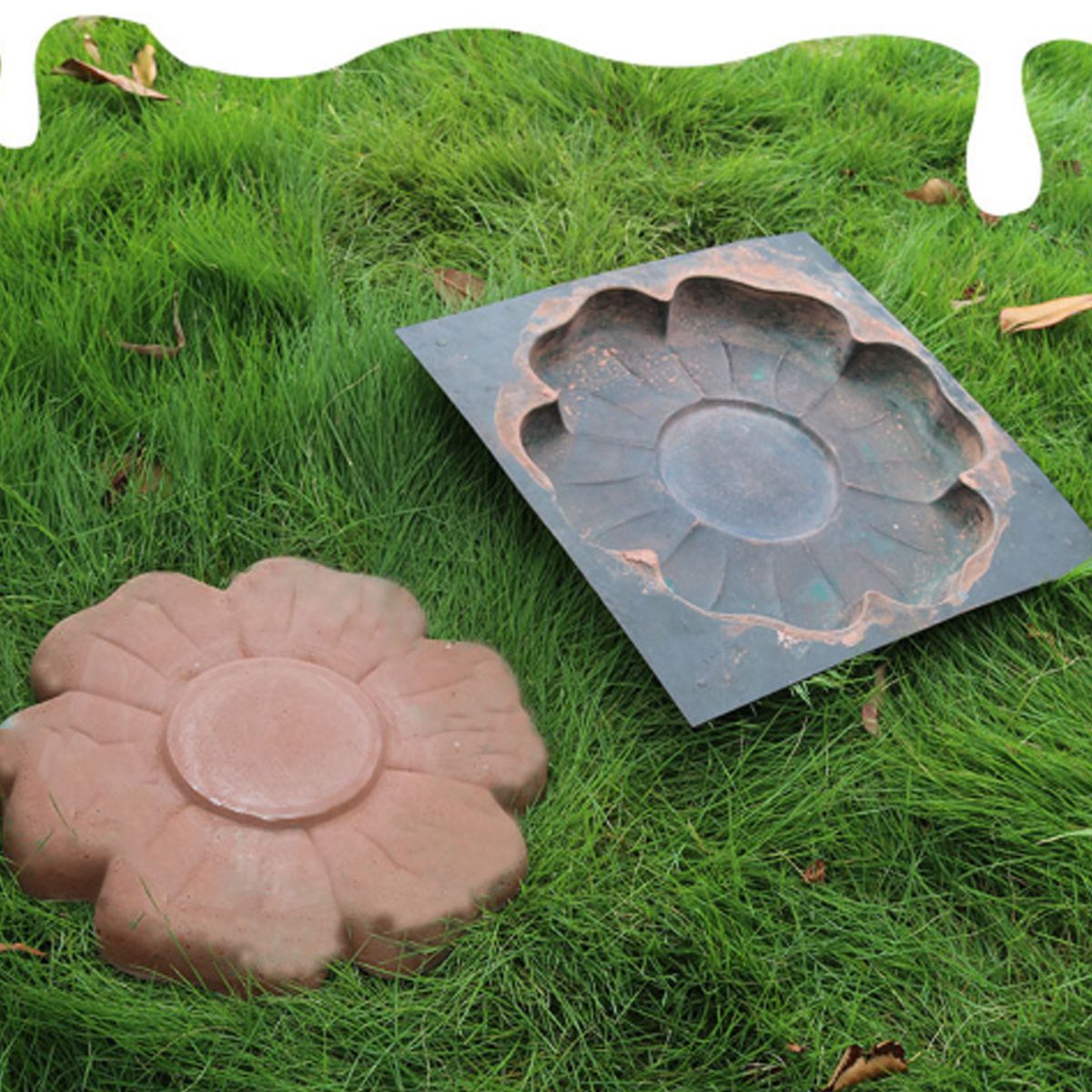
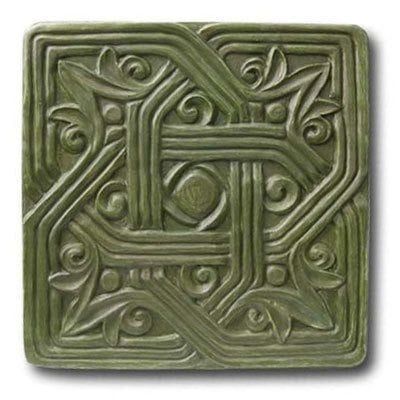
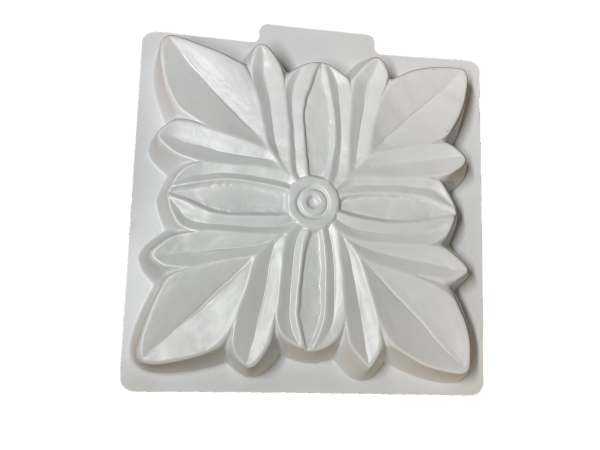
Hey everyone, it’s your pal, the gardening guru! Today, we’re diving into a super fun project: crafting gorgeous Gothic flower stepping stones for your garden. But, before we get our hands dirty, we need to talk about something super important – picking the RIGHT materials. Choosing the correct stuff is the secret sauce to making stepping stones that not only look amazing but also stand the test of time, weathering the elements, and looking fantastic for years to come. Get ready to learn how to transform your garden path into a stunning Gothic wonderland.
I’ve seen it all in my years of gardening adventures: beautiful stepping stones that crumble after a single winter, and others that stay strong through thick and thin. The difference? The materials. Picking the right stuff is key. It’s the difference between a short-lived project and a lasting piece of art for your outdoor space. We’re going to explore the best materials to use, the pros and cons of each, and some practical advice to help you make the best choices for your particular project. Let’s get started, shall we?
Concrete: The Workhorse Material
Concrete is the go-to for a reason. It’s durable, relatively cheap, and can be shaped into almost any form. It also gives you a lot of design freedom.
- Pros: Super strong, resists weather well, readily available, and you can adjust it with dyes and aggregates.
- Cons: Can crack if not mixed correctly, requires some skill to work with, and can be heavy to move around.
My Tip: When using concrete, always use a good concrete mix (not just the pre-mixed stuff). Add fiber reinforcement to reduce cracking, and cure it properly for at least a week after pouring. A good cure is the key to longevity.
Choosing the Right Concrete Mix and Additives
Not all concrete is created equal. For stepping stones, I always recommend a high-strength concrete mix. This means it has a higher cement content, making it more resistant to cracking and wear.
- Fiber Reinforcement: Adding fiber mesh to your concrete mix is a game-changer. It helps prevent cracking by distributing stress throughout the stone. Available in various materials, such as polypropylene or steel.
- Aggregates: The type of aggregate (the small rocks and sand in the concrete) also matters. Avoid using aggregates that absorb water.
Example: I once used a concrete mix with pea gravel for a set of stepping stones. They looked great, but the pea gravel absorbed water and eventually led to spalling (the surface flaking off). I’ve since switched to a granite aggregate, and the difference is amazing.
The Charm of Natural Stone: Elegance and Durability
Natural stone, like slate, granite, or flagstone, offers a timeless look and incredible durability. Each piece is unique, and they bring a touch of natural elegance to your garden.
- Pros: Beautiful, incredibly tough, long-lasting, and adds a touch of class.
- Cons: Can be expensive, heavy to handle, and may require some cutting or shaping. Depending on your climate, some stones can be more susceptible to weathering and the freeze-thaw cycle.
My Experience: I love using slate for my Gothic flower stepping stones. The dark, smooth surface really complements the intricate flower designs. Just make sure to choose a stone that’s thick enough to withstand foot traffic, at least 1.5 inches is best for this, and seal it properly to protect it from the elements.
Working with Natural Stone: Tips and Tricks
Working with natural stone can be a bit more challenging than concrete, but the results are well worth it.
- Choosing the Right Stone: Look for stones that are relatively flat and even. This will make it easier to create a level surface.
- Cutting and Shaping: You may need to cut or shape your stones to fit your desired design. Use a wet saw with a diamond blade for clean cuts.
- Sealing: Sealing your natural stone is essential to protect it from water damage and staining. Choose a high-quality stone sealant and apply it according to the manufacturer’s instructions.
Pro Tip: Always wear safety glasses and a dust mask when cutting or shaping natural stone. The dust can be harmful to your lungs.
Resin-Based Materials: Lightweight and Versatile
Resin-based materials, like epoxy resin, offer a lightweight and versatile alternative to concrete and stone. They’re great for creating intricate designs and adding color and visual interest.
- Pros: Lightweight, easy to mold, can be colored with pigments, and allows for very intricate designs.
- Cons: Can be less durable than concrete or stone, may be susceptible to UV damage, and can be more expensive.
Important Note: If you choose to use resin, be sure to use a UV-resistant resin to prevent yellowing and degradation from sunlight. Also, consider adding a hardener to increase the durability.
Finishing Touches: Sealing, Painting, and Weatherproofing
Once your stepping stones are made, it’s time to finish them with some extra protection.
- Sealing Concrete and Stone: Use a concrete or stone sealer to protect against water damage and staining. This will extend the life of your stepping stones and keep them looking beautiful.
- Painting and Coloring: If you’ve used concrete, you can paint or stain it to add color and detail. Use exterior-grade paints and sealers.
- Weatherproofing: For added protection, consider using a weatherproofing sealant, especially if you live in an area with harsh weather conditions.
Remember: Always let your stepping stones cure or dry completely before applying any sealers or paints. Patience is the key to a long-lasting finish.
So there you have it, my friends! The lowdown on choosing the perfect materials for your Gothic flower stepping stones. Remember, the right materials are the foundation of a beautiful and durable garden feature. With a bit of planning, some hard work, and the right materials, you can create stepping stones that will be the pride of your garden for years to come. Go forth, get creative, and transform your garden into a Gothic paradise. Happy crafting, and happy gardening. I can’t wait to see what you all create. Feel free to share your projects with me. Until next time, stay inspired, stay creative, and keep those gardens growing.