Travertine paving has been a loved material for centuries, and for good reason. Its earthy beauty, durability, and versatility make it a fantastic choice for patios, walkways, and driveways. This article will dig into the world of travertine, exploring its unique characteristics, diverse styles, and how you can use it to create stunning outdoor areas. We’ll cover everything from understanding the stone’s natural properties to practical tips for installation and upkeep. Get ready to be inspired. And, prepare to fall in love with travertine, if you haven’t already.
Imagine walking through the ancient Roman Colosseum or strolling along the sun-drenched piazzas of Italy. What do these places have in common? Travertine. This natural stone, formed over millennia by the deposit of calcium carbonate in hot springs or limestone caves, has been a symbol of elegance and strength for ages. Its unique character, marked by natural pitting and veining, gives it a distinct charm that’s hard to replicate. The textures found within each stone are truly one-of-a-kind. Let’s explore this remarkable material and see why it continues to captivate us today.
Unveiling the Characteristics of Travertine
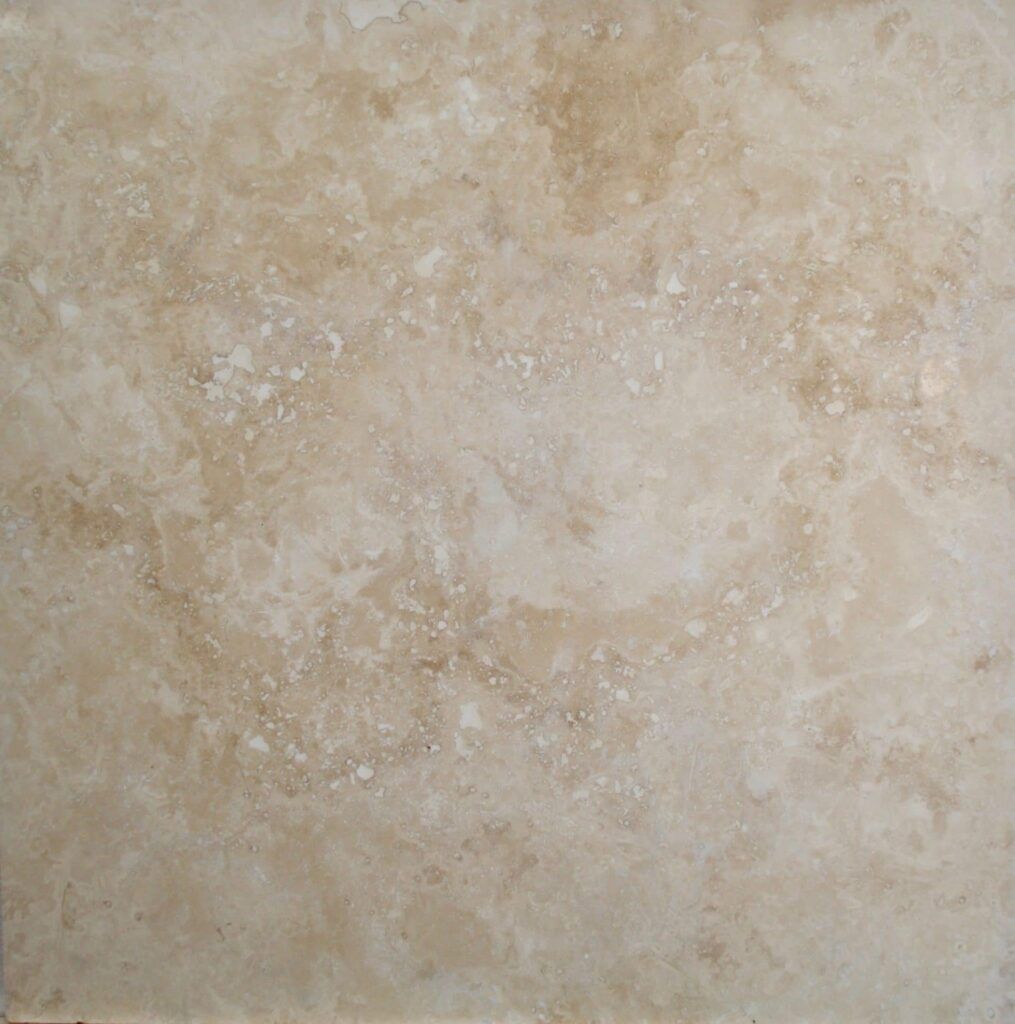
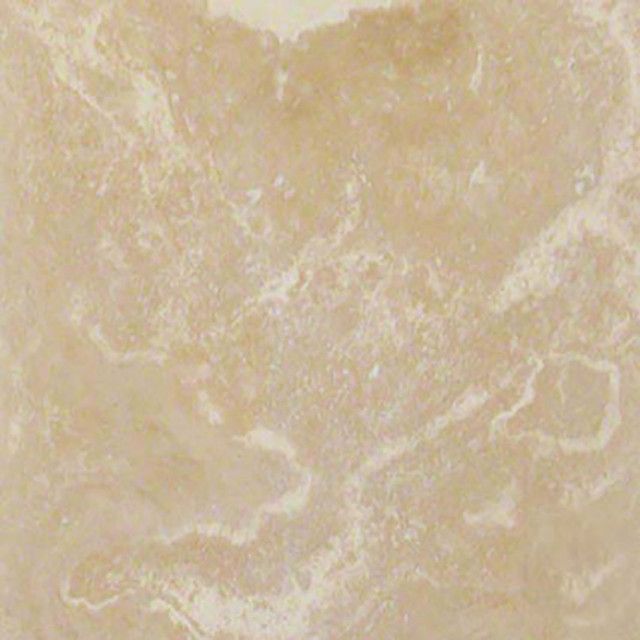
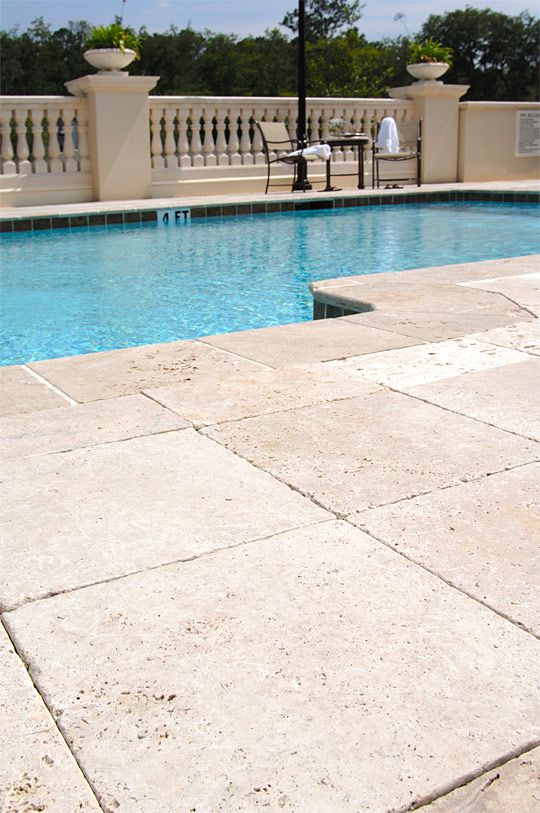
Travertine is more than just a pretty face; it’s a practical choice too. Its porous nature gives it excellent slip resistance, making it ideal for pool decks and areas that might get wet. It’s also incredibly heat-resistant, staying cool underfoot even in the hottest weather. The natural variations in color – from creamy whites and golds to warm tans and reddish browns – provide a rich visual texture that adds depth and interest to any outdoor space. But the best part? Each piece of travertine is unique, meaning your paving will be as one-of-a-kind as you are.
Here’s a quick rundown of key characteristics:
- Durability: Strong and long-lasting, perfect for high-traffic areas.
- Slip Resistance: Porous surface provides good grip, even when wet.
- Heat Resistance: Stays cool in the sun.
- Aesthetic Appeal: Wide range of colors and unique veining patterns.
- Eco-Friendly: A natural material that’s often quarried sustainably.
Exploring the Different Travertine Styles
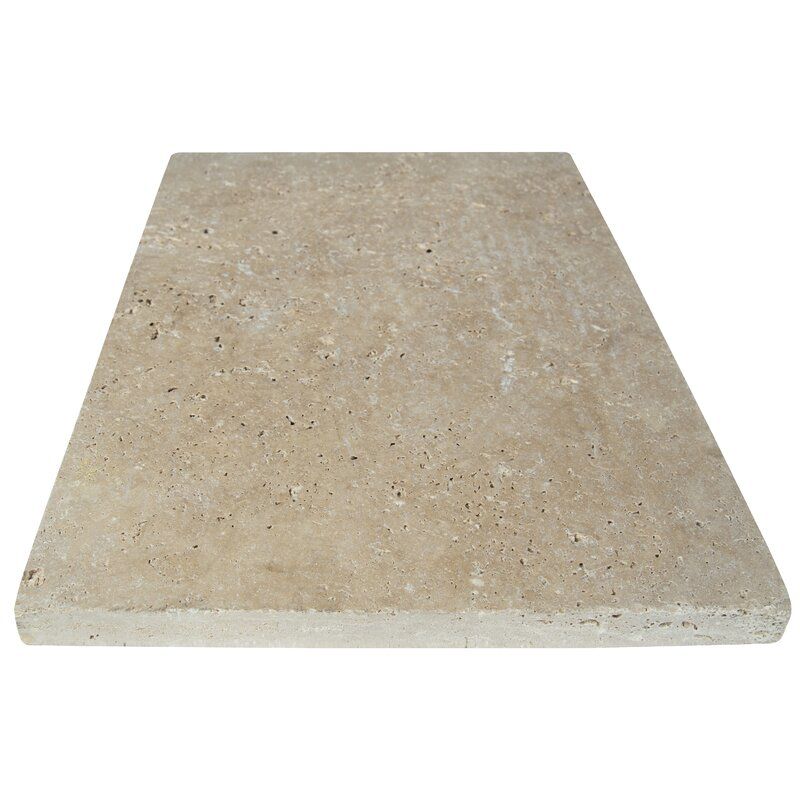
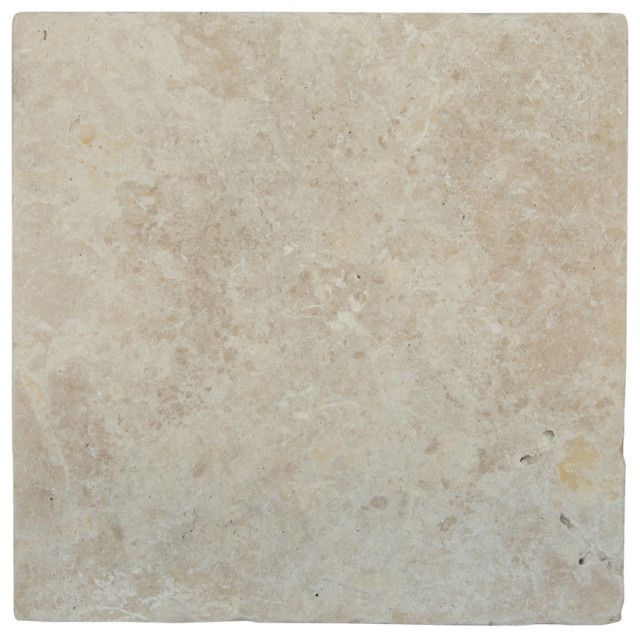
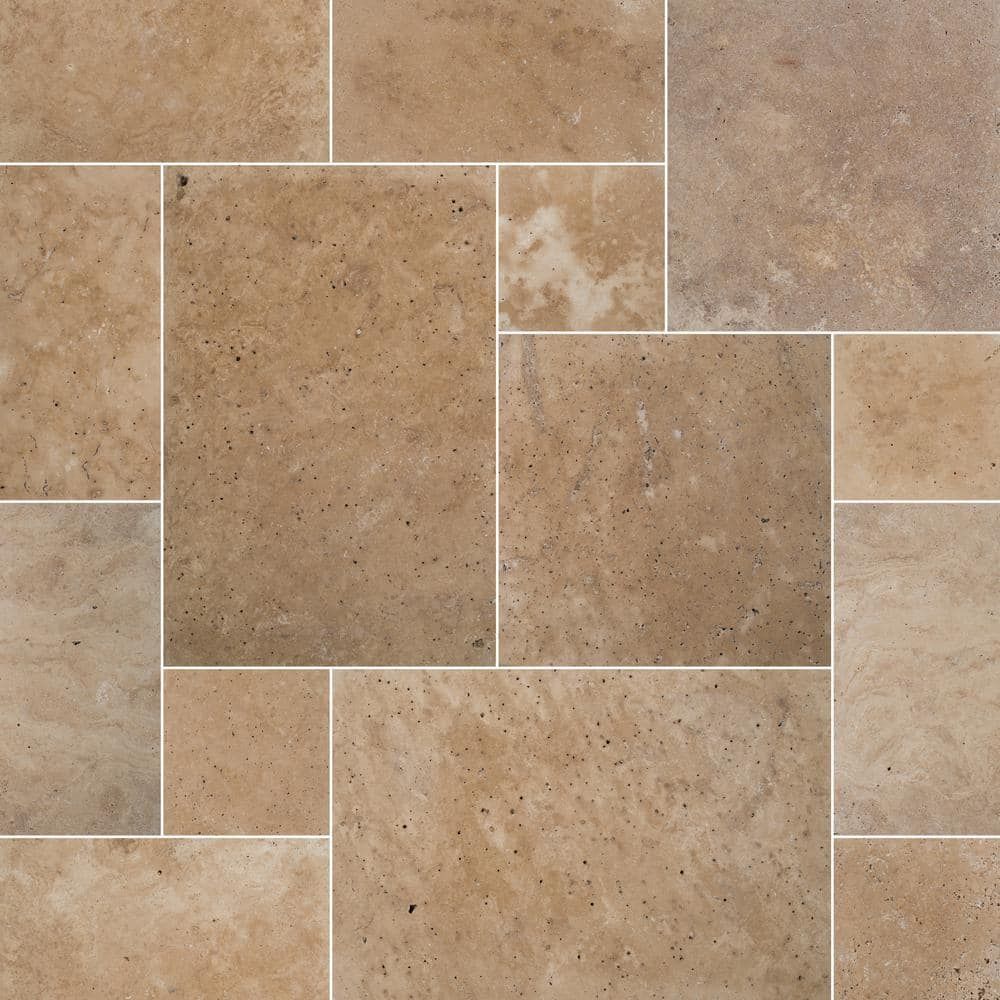
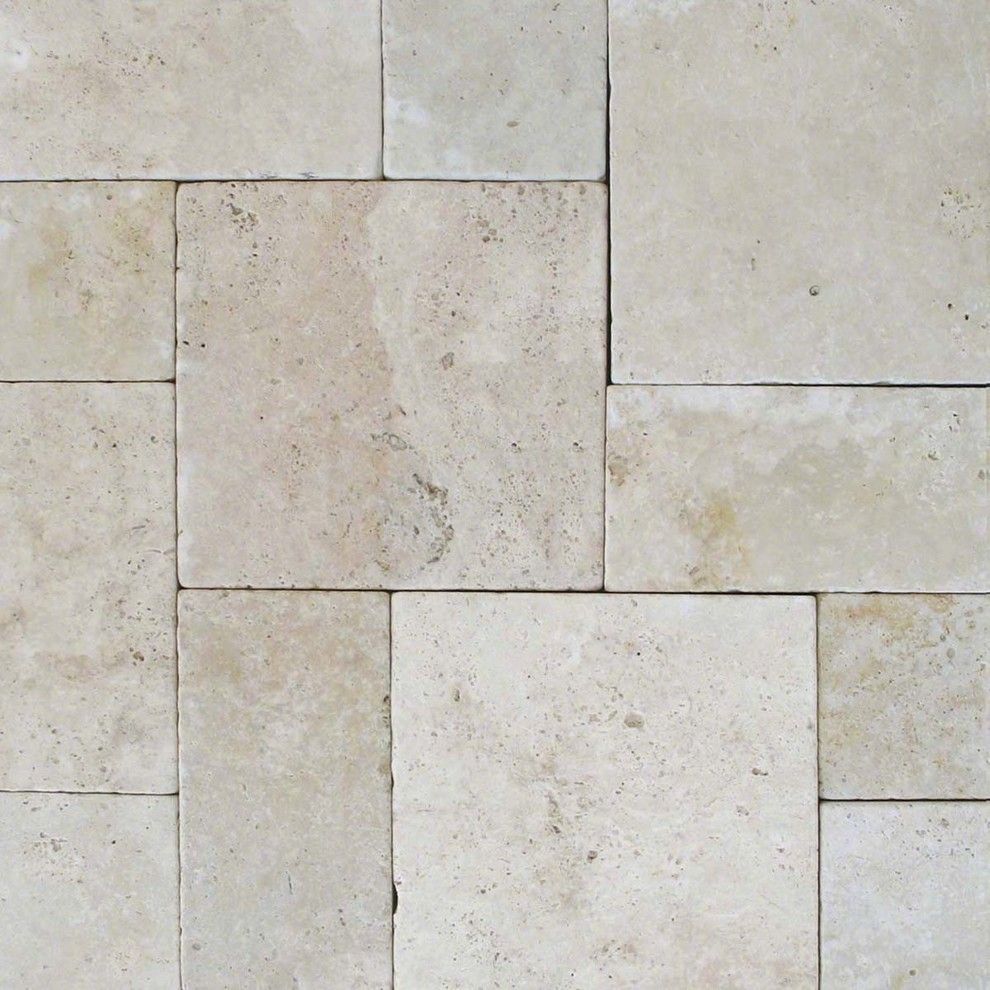
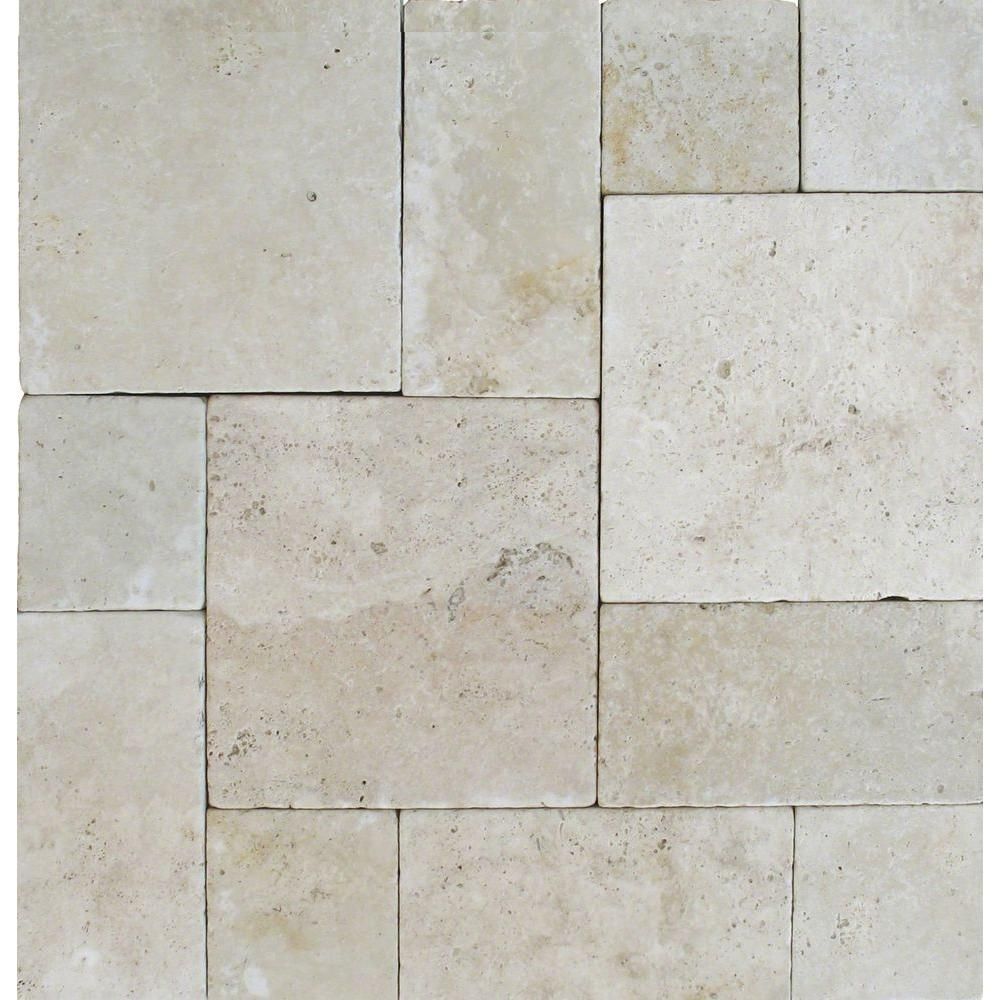
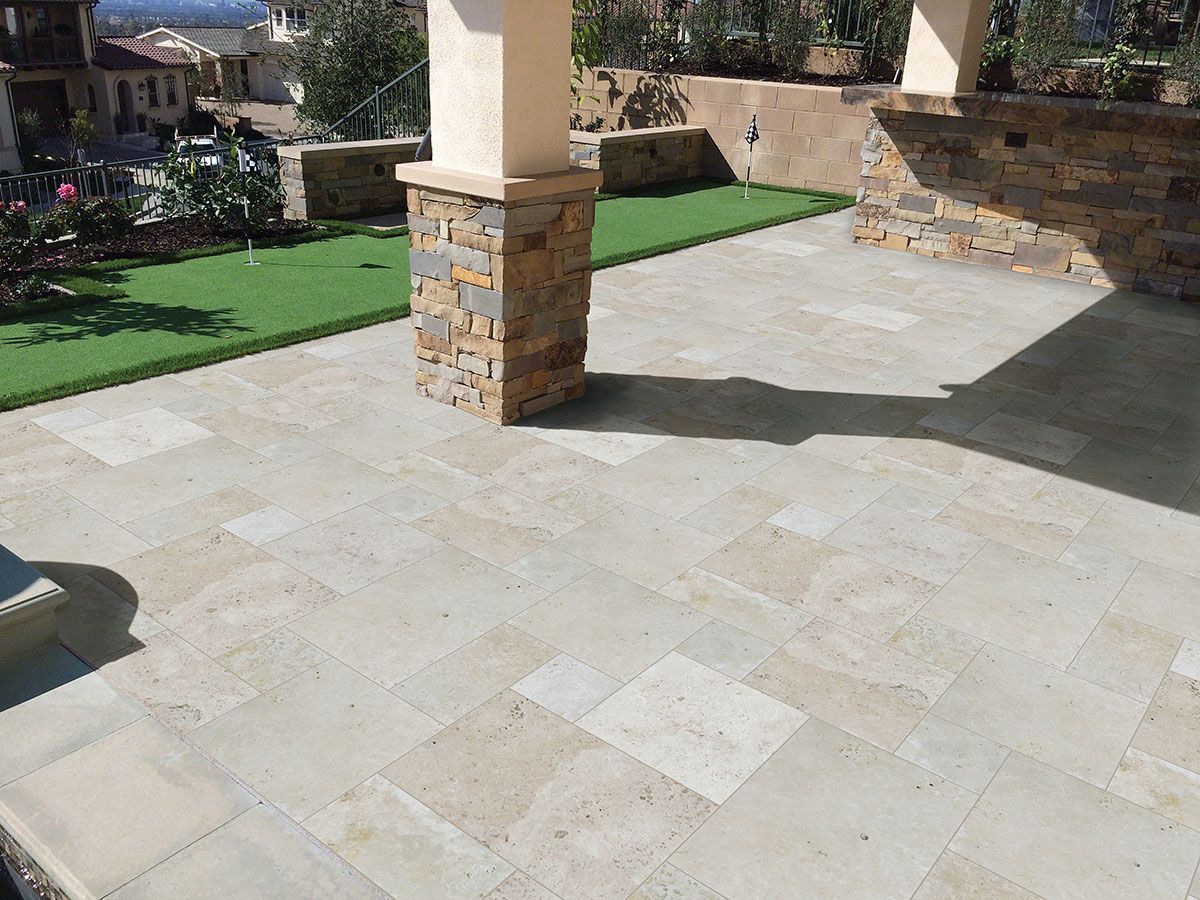
Travertine comes in a variety of finishes, each offering a different aesthetic. There’s the classic honed finish, with a smooth, matte surface that shows off the stone’s natural colors. Then, there’s the tumbled finish, which has a slightly aged appearance and is known for its soft, rounded edges. This gives it a charming, rustic vibe. Filled and unfilled travertine refer to whether the holes, or pits, are filled with a grout-like material. Filled travertine has a smoother surface, while unfilled travertine retains more of its natural texture. The chiseled edge gives a more rugged, textured feel. The style you choose will depend on the overall look you want to achieve. Do you want something sleek and modern, or something more traditional and cozy? The possibilities are endless, and the right choice can significantly impact the vibe of your outdoor space. Don’t forget about the pattern, either. The most common are the running bond, the herringbone, and the random pattern. Each pattern will change the overall look and feel of the space.
Travertine in Action: Real-World Examples
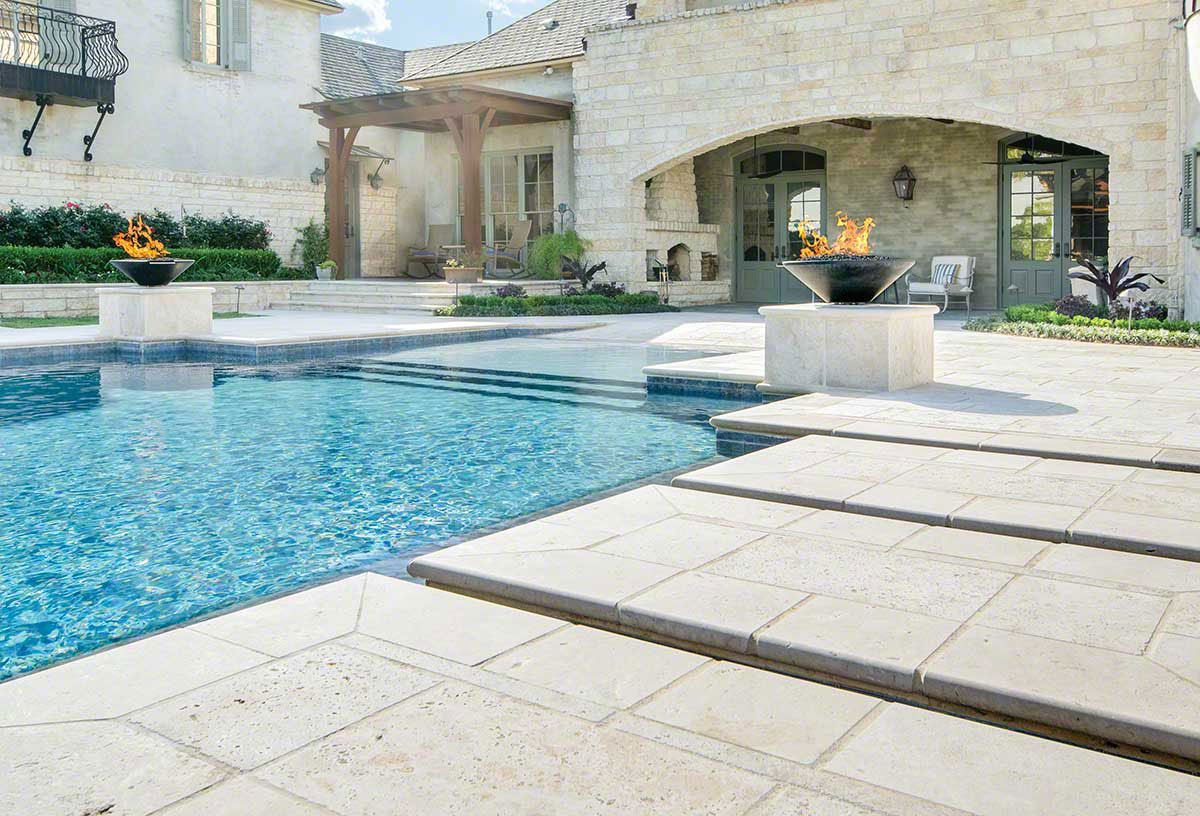
Let’s look at some ways travertine can be used. Imagine a sprawling patio paved with tumbled travertine, the warm tones complementing a cozy outdoor fireplace. Picture a sleek, modern pool deck with honed travertine, the smooth surface reflecting the sunlight and the water. Think about a winding walkway of chiseled-edge travertine that leads you through a lush garden, the rough texture contrasting beautifully with the greenery. I saw a home in the Tuscan countryside that used travertine for the entire courtyard; it was breathtaking, and the stone has aged beautifully over time. I have also seen it used in more modern settings, where it lends a sense of calm and elegance. The key is to think about the style of your home, the overall design of your outdoor space, and the atmosphere you want to create.
Installation and Maintenance: Keeping Your Travertine Beautiful
Proper installation is key to ensuring your travertine paving lasts for years to come. It’s generally best to hire a professional, as they have the experience and equipment to prepare the sub-base correctly and ensure proper drainage. But, if you’re a DIY enthusiast, do your research and follow the manufacturer’s instructions carefully. Regular maintenance is also essential. Seal your travertine to protect it from stains and weathering. Clean spills promptly to prevent absorption. Avoid harsh chemicals; use mild soap and water to clean the surface. Sweep regularly to remove dirt and debris. With a little care, your travertine paving will retain its beauty and charm for decades. And remember, the natural variations in the stone are part of its beauty; embrace them.
Selecting the Right Travertine: A Few Tips
Before you dive in, consider these factors.
- Color: Choose a color that complements your home’s exterior and the surrounding landscape. Lighter colors can make a space feel bigger and brighter, while darker colors add warmth and sophistication.
- Finish: Consider the desired look and feel. Honed is sleek, tumbled is rustic, and chiseled is more textured.
- Size and Pattern: Different sizes and patterns can create different visual effects. Larger tiles can make a space feel more expansive, while smaller tiles can add detail and interest.
- Source and Quality: Buy from a reputable supplier to ensure you’re getting high-quality travertine. Ask about the quarry it’s from – some sources are known for producing more durable and beautiful stone.
- Budget: Travertine prices can vary depending on the quality, finish, and source. Set a budget before you start shopping and stick to it.
Taking these things into account will help you find the perfect travertine for your project.
Beyond Paving: Creative Uses for Travertine
Travertine’s appeal stretches beyond just paving. It’s also a great option for other outdoor elements. Consider travertine for:
- Wall Cladding: Create a stunning feature wall or add texture to your home’s exterior.
- Outdoor Kitchens: Build a beautiful and durable countertop or backsplash.
- Fountains and Water Features: The natural beauty of the stone adds a touch of elegance to any water feature.
- Planters and Garden Accents: Use travertine to create stylish planters or decorative elements in your garden.
The versatility of travertine makes it a fantastic choice for various outdoor projects, letting you create a cohesive and beautiful design throughout your space. Let your imagination run wild, and see how you can incorporate this amazing material into your outdoor living area.
Travertine is more than just a paving material; it’s a statement of style, a connection to history, and an investment in your home’s beauty and value. Its natural beauty, durability, and versatility make it a great choice for any outdoor project. By understanding its characteristics, exploring different styles, and following proper installation and maintenance practices, you can enjoy the enduring appeal of travertine for many years. So, go ahead, embrace the timeless beauty of travertine and transform your outdoor space into a haven of elegance and charm. You won’t regret it. I hope this guide has given you a better understanding of travertine paving and inspired you to consider it for your next project. Happy paving.