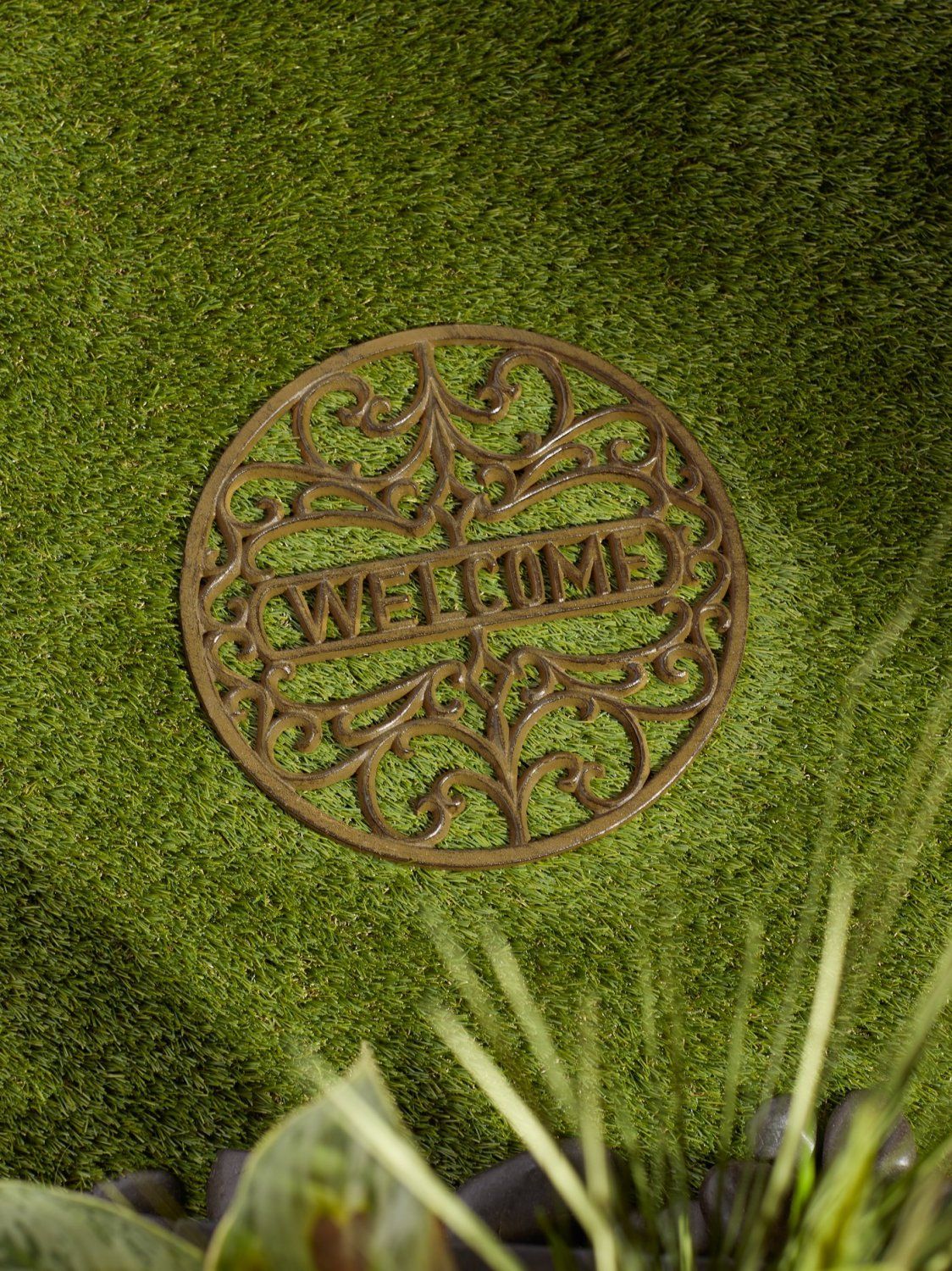
Hey everyone, it’s great to be back sharing my passion for outdoor spaces! Today, we’re diving deep into the creative world of stepping stone and brick designs. These aren’t just paths; they’re a way to add character, functionality, and a touch of magic to your garden, yard, or any outdoor area. Get ready to unlock some amazing ideas, and let’s get started.
Think about your favorite outdoor spaces. What makes them feel welcoming, enjoyable, and like a place you want to linger? Frequently, it’s the little details – the carefully chosen plants, the comfortable seating, and, perhaps most importantly, the pathways that guide you through the area. Stepping stones and brick designs are a fantastic way to define spaces, add visual interest, and create a sense of flow. They can be both practical and beautiful, leading you on a journey of discovery right in your own backyard. Whether you’re dreaming of a rustic cottage garden, a modern minimalist space, or something in between, there’s a perfect stepping stone or brick design waiting for you to discover.
Stepping Stones: A Flexible Friend
Stepping stones offer incredible versatility. They are easy to install, can be adapted to various terrains, and come in a vast array of materials, shapes, and sizes.
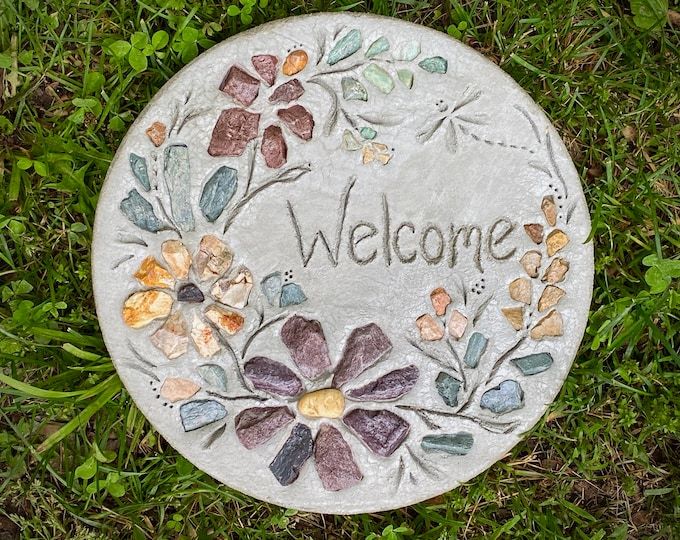
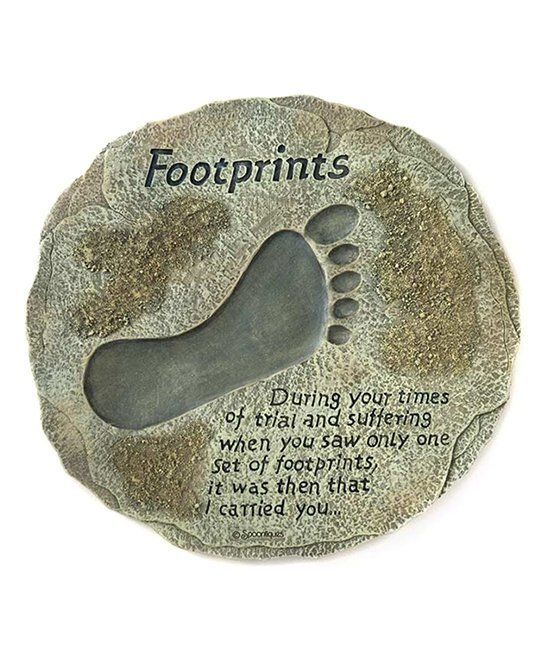
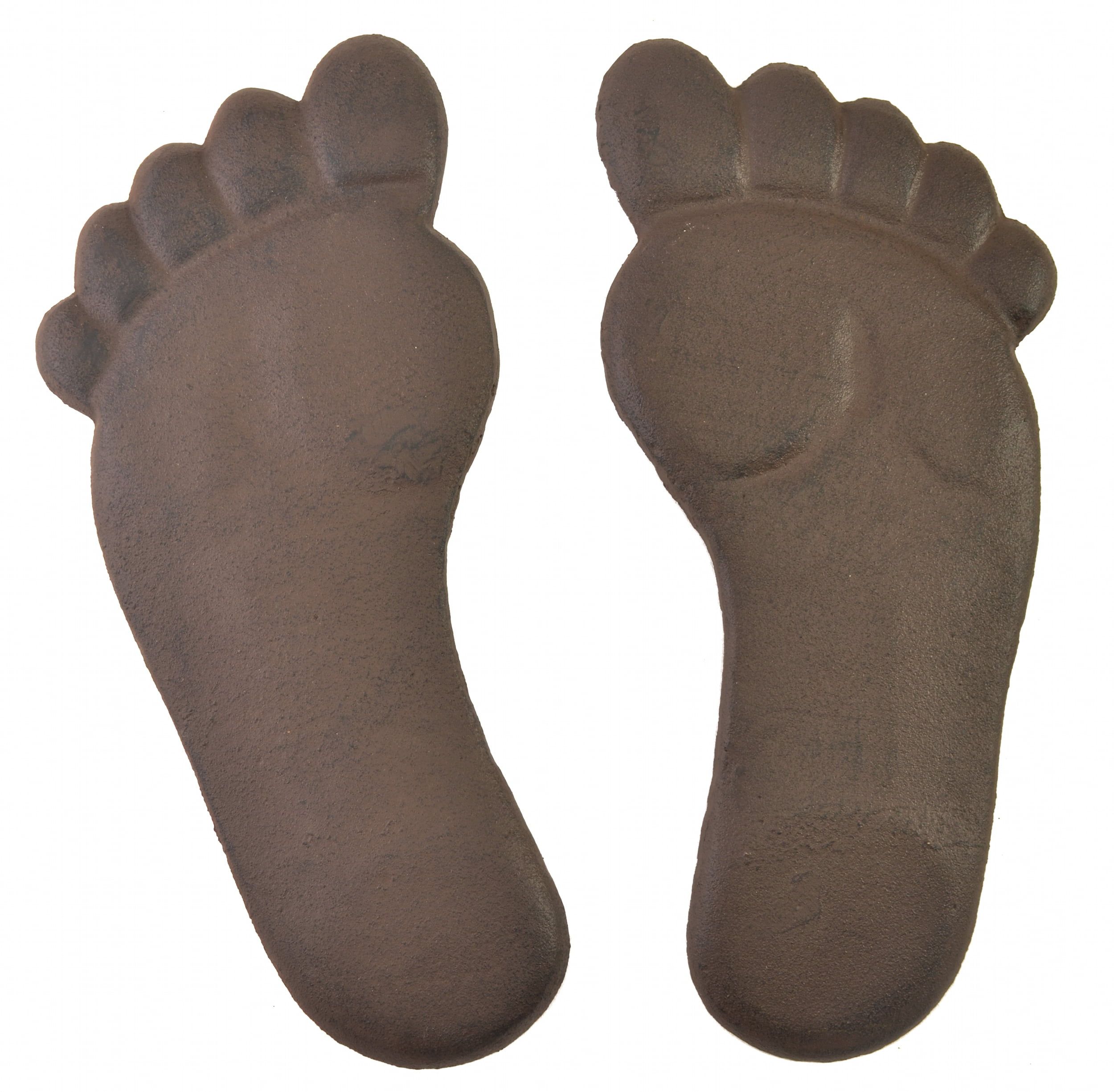
- Material Matters: Think about natural stone like flagstone or slate for a classic, durable look. Concrete stepping stones are a budget-friendly option with lots of design choices. And if you are feeling creative, try using reclaimed materials like old bricks or even large, flat river rocks.
- Design Ideas: Lay stepping stones in a straight line for a formal feel, or stagger them for a more casual, organic vibe. Consider incorporating gravel, mulch, or ground cover between the stones for extra visual appeal and to help with drainage. Don’t be afraid to vary the spacing between stones to create a rhythm that suits your space and how people will use it.
- Practical Tip: Always make sure your stepping stones are level. Dig out the soil to the correct depth, add a layer of gravel for drainage, and then carefully set each stone. A spirit level is your best friend here.
Bricks: Timeless Charm and Durability
Bricks bring a timeless charm and enduring strength to any outdoor area. They’re a solid choice for paths, patios, and even small walls. The great thing about bricks is they offer a wide range of layouts, each with its own unique look.
- Brick Types: Clay bricks are the classic choice, offering excellent durability and a warm, natural color. Concrete bricks are another good option, often more affordable and available in many colors and textures. Reclaimed bricks add a touch of history and character.
- Laying Patterns: The pattern you choose can dramatically alter the look of your brick pathway. Common patterns include running bond (offset rows), herringbone (angled bricks), basketweave (square blocks of bricks), and stacked bond (straight rows). The choice depends on the aesthetic you want and the amount of time, and effort you are willing to put in.
- Installation: Prepare the base carefully with a layer of compacted gravel to help with drainage. Then, lay your bricks, using sand to fill the gaps. You can use a brick saw or angle grinder with a masonry blade to cut bricks to fit.
Mixing & Matching: Creating Unique Designs
Don’t feel limited to using just one type of material. In fact, mixing stepping stones and bricks can create some truly stunning and unique designs.
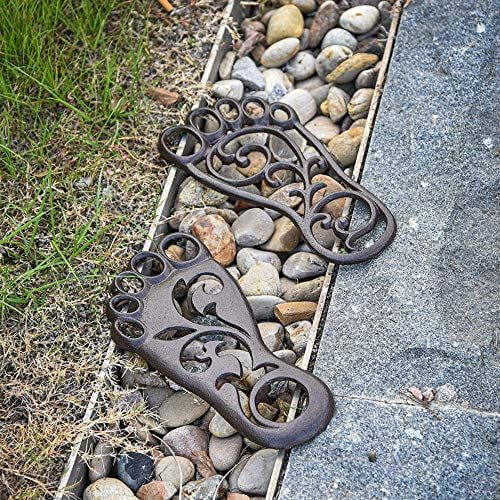
- Path Edging: Use bricks to edge a stepping stone pathway. This defines the space and adds a clean, finished look.
- Accent Features: Incorporate a small brick patio or seating area as a focal point along your stepping stone path.
- Creative Combinations: Experiment with different materials. For example, you could use large, irregular flagstones with brick accents to create a more organic feel. The key is to balance the colors, textures, and shapes to create a cohesive design.
Planning Your Pathway: Key Considerations
Before you start digging, take some time to plan your pathway.
- Functionality: Consider how the pathway will be used. Will it connect different areas of your yard? Will it be used for walking, or will it also serve as a driveway?
- Scale & Proportion: Make sure the pathway is in proportion to the space. A very wide path in a small garden might look out of place, while a narrow path in a large yard could get lost.
- Sun & Shade: Think about the amount of sunlight your pathway will receive. Darker materials can absorb heat, while lighter materials reflect it.
- Drainage: Proper drainage is crucial to prevent water from pooling. Sloping the pathway slightly will help water to run off.
- Budget: The cost of materials and labor can vary widely. Set a budget before you begin and stick to it.
Adding Personal Touches & Enhancing the Experience
Make your pathway truly your own by adding personal touches and enhancing the experience.
- Plantings: Incorporate plants along the path to soften the edges and add visual interest. Consider plants that offer different textures, colors, and heights.
- Lighting: Add lighting to your pathway for safety and to create a magical ambiance in the evening. Solar-powered lights are a great option.
- Decorations: Place decorative elements along the path, such as small sculptures, pots with flowers, or even a bird bath.
- Seating Areas: Include seating areas along your path, like a bench or a small bistro set, to encourage relaxation and enjoyment of the space.
Maintenance and Care: Keeping Your Pathways Beautiful
Once your pathway is in place, proper maintenance will help keep it looking its best for years to come.
- Weed Control: Regularly remove weeds that grow between the stones or bricks. You can use a weed killer, or pull them by hand.
- Cleaning: Sweep or hose down your pathway regularly to remove dirt and debris. For stubborn stains, you can use a mild detergent and a scrub brush.
- Sealing: Consider sealing your brick or stone pathway to protect it from the elements and prevent staining. Follow the manufacturer’s instructions.
- Repair: Inspect your pathway regularly for any damage, such as cracked bricks or uneven settling. Repair any issues promptly to prevent them from getting worse.
Troubleshooting Common Pathway Problems
Even with careful planning, things can sometimes go wrong. Here are some common problems and how to address them.
- Settling: If your pathway is settling unevenly, it may be due to poor compaction of the base. You might need to lift the stones or bricks, re-compact the base, and re-lay them.
- Weeds: Persistent weed growth can be a sign of poor drainage. Improve drainage by adding more gravel and ensuring the pathway has a slight slope.
- Staining: Stains from leaves, oil, or other substances can be difficult to remove. Act quickly to clean spills, and consider using a sealant to protect the surface.
- Cracked Bricks/Stones: Cracks can be caused by freezing and thawing, heavy use, or poor-quality materials. Replace cracked bricks or stones as soon as possible.
So, there you have it – a comprehensive guide to stepping stone and brick designs! I hope this has inspired you to transform your outdoor spaces. Remember, the most important thing is to have fun and let your creativity shine. Experiment with different materials, patterns, and designs until you find something that truly reflects your personal style. And don’t be afraid to get your hands dirty – the satisfaction of creating a beautiful and functional pathway is well worth the effort. Happy building, everyone! I can’t wait to see what you create. Post your progress pics and tag me – I’d love to see them! And finally, don’t ever be afraid to try something new, even if it’s a bit out of your comfort zone. You might just surprise yourself.