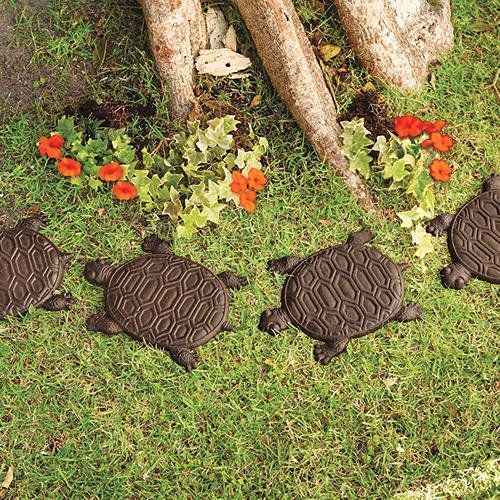
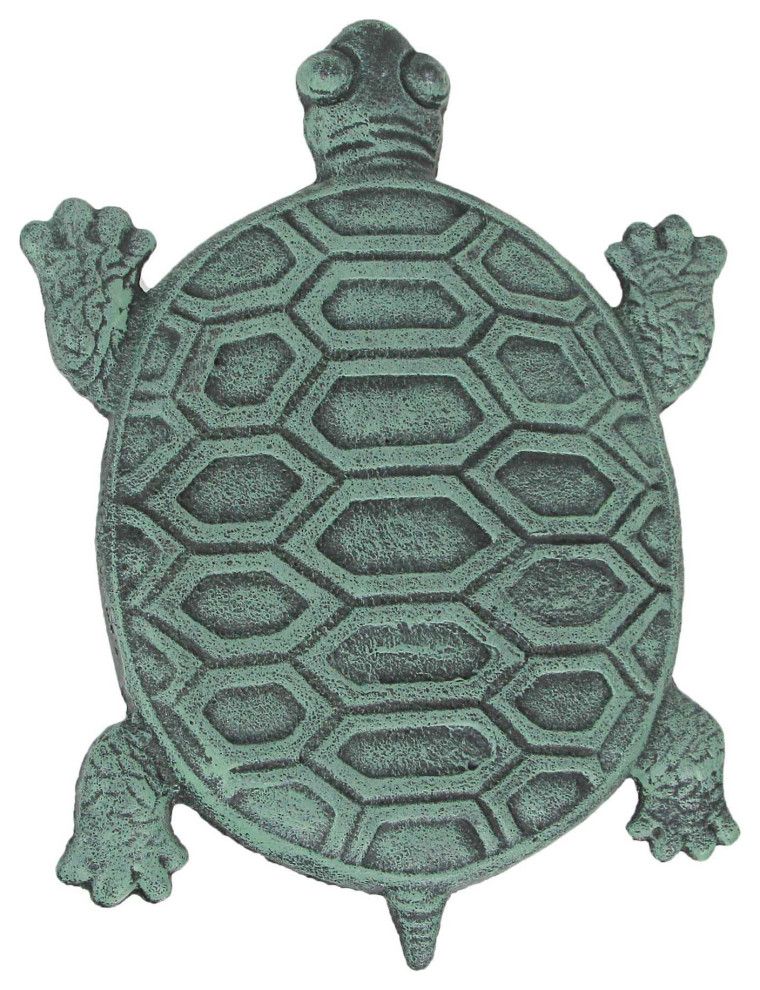
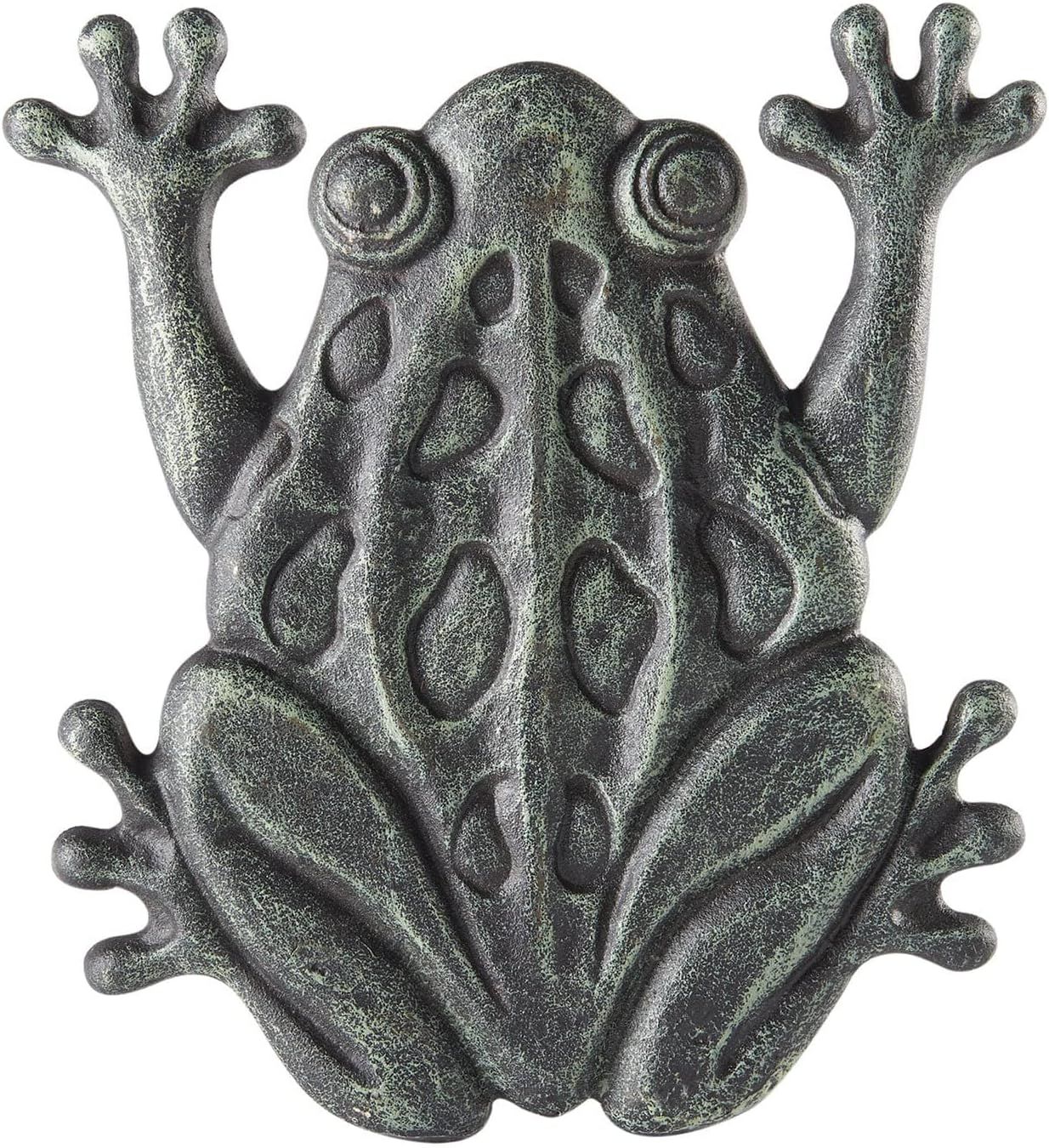
Hey, garden lovers. Let’s face it, a garden isn’t just about plants; it’s about creating an experience. And what better way to guide people (and your own wandering feet) through your green haven than with beautiful stepping stones? They’re not only practical, providing a pathway through your plants, but they also add a unique aesthetic touch. This piece is all about helping you pick the right stepping stones for your garden, so you can craft a space that’s truly captivating. We’ll explore everything from materials to styles, and I’ll share some of my favorite design tips along the way. Get ready to transform your outdoor space into something amazing.
Stepping stones are more than just a way to avoid muddy shoes. They’re a design element that can dramatically impact the overall feel of your garden. Think about it: a strategically placed stone path can lead the eye, define different areas, and add a touch of personality. Choosing the right ones, however, can feel a bit overwhelming. There are so many materials, shapes, and styles to consider. Don’t worry though; this guide will break it all down, making the process simple and fun. We’ll cover everything you need to know to make informed choices and build a stone path that complements your garden’s unique charm.
Material Matters: Picking the Perfect Stone
The material of your stepping stones is a huge deal, affecting both the look and the longevity of your path. Here are some of the most popular options:
- Natural Stone: This is the real deal, and it includes things like flagstone, slate, granite, and limestone. Each type has its own look, and they all bring a certain rustic beauty. They’re generally durable, and they age gracefully. However, they can be a bit more expensive than other options.
- Concrete: Concrete stepping stones are a budget-friendly and versatile choice. They come in a wide array of shapes, sizes, and colors, and you can even find ones that mimic the look of natural stone. They are easy to install. The downside is that they may not be as durable as some natural stones, and they can crack in freezing temperatures.
- Brick: Classic and charming, brick stepping stones offer a warm, inviting feel. They’re relatively inexpensive, and you can often find reclaimed bricks for a sustainable touch. Brick can be prone to chipping, so pick a sturdy type.
- Gravel, Pebble, and Wood: You can get really creative with these. They are more for decoration. They’re great for creating a natural, organic feel. They require more upkeep and are not always the best for high-traffic areas.
Choosing the right material depends on your personal style, your budget, and the amount of wear and tear your path will receive. Think about the overall look you’re going for and how much maintenance you’re willing to do.
Shape and Size: Finding the Right Fit
The shape and size of your stepping stones have a big impact on the overall aesthetic. Consider these points:
- Shapes: Round stones create a soft, flowing feel, while square or rectangular ones offer a more structured and modern look. Irregularly shaped stones, like flagstone, add a natural, organic touch. Experiment with different shapes to find what works best with your garden’s style.
- Sizes: Larger stones tend to look more formal, while smaller stones can create a more casual vibe. Consider the scale of your garden and the width of your path. You want enough space between the stones for comfortable walking, but not so much that the path feels disjointed.
- Spacing: The gap between your stones is crucial. Usually, 12-18 inches is a good starting point. This allows for comfortable steps, and it also lets the plants grow in between, softening the look of the path. Adjust the spacing based on the size of your stones and your personal preference.
Think about the overall design of your garden. A formal garden might benefit from uniform, square stones, while a more relaxed, natural garden might be perfect for irregularly shaped flagstone.
Style and Design: Matching Your Garden’s Vibe
Your stepping stones should complement the existing style of your garden. Here are some ideas:
- Modern Garden: Clean lines and geometric shapes work well. Concrete or smooth, square stones are a great choice. Keep the colors neutral and the design minimalist.
- Cottage Garden: Embrace a more rustic and charming look. Use irregularly shaped stones, brick, or gravel. Allow plants to spill over the edges of the path for a soft, romantic feel.
- Japanese Garden: Focus on natural materials and a sense of tranquility. Use natural stone, carefully placed. Consider incorporating moss and other plants to create a serene atmosphere.
- Mediterranean Garden: Choose warm-toned stones and terracotta accents. Brick or flagstone can work well. Add fragrant herbs and colorful flowers to complete the look.
Remember, the goal is to create a cohesive and harmonious design. Your stepping stones should feel like they belong in your garden, not like they were just plopped down.
Installation Tips: Laying the Foundation
Proper installation is key to ensuring that your stepping stones look amazing and last for years. Here are some crucial tips:
- Plan Your Path: Before you start digging, map out your path. Use a hose, rope, or spray paint to mark the route. Consider the flow of traffic and the focal points of your garden.
- Prepare the Ground: Dig down a few inches and remove any grass, weeds, and debris. Compact the soil to create a stable base.
- Add a Base Layer: For added stability and drainage, add a layer of gravel or crushed stone. This will help prevent the stones from shifting.
- Set the Stones: Place the stones, ensuring they are level and at the desired spacing. You might need to adjust the base layer to get them just right.
- Fill the Gaps: Fill the gaps between the stones with gravel, soil, mulch, or plants. This will help to stabilize the stones and add visual interest.
- Consider Drainage: Make sure your path has good drainage. This will prevent water from pooling and damaging your stones. Slope the path slightly, or create drainage channels.
Taking the time to install your stepping stones correctly will pay off in the long run. A well-installed path will look great and require less maintenance.
Adding the Finishing Touches: Plants, Lighting, and More
Once your stepping stones are in place, it’s time to add the finishing touches to really elevate your garden. Here’s how:
- Planting: Plant groundcover between your stones. This adds softness and creates a natural look. Consider moss, thyme, or creeping phlox. Choose plants that can tolerate foot traffic.
- Lighting: Add pathway lights to illuminate your path at night. This not only enhances the aesthetic but also improves safety. Solar lights are a great, low-maintenance option.
- Accessories: Add decorative elements along your path, such as small statues, pots, or water features. These details will add personality and make your garden feel even more inviting.
- Maintenance: Regularly sweep your path to remove debris and prevent weeds from growing. If necessary, clean your stones with a mild detergent and water. With proper care, your stepping stones will look beautiful for years to come.
These finishing touches will transform your stepping stone path from functional to fantastic. They are what make your garden truly your own and a place you want to spend time.
Examples of Amazing Stepping Stone Paths
Let’s get inspired. Here are a few examples of fantastic stepping stone paths to get your creative juices flowing:
- The Flagstone Forest Path: Imagine a winding path made of large, irregular flagstones, leading through a dense forest of ferns and shade-loving plants. The stones are spaced far enough apart to allow the lush greenery to spill over, creating a magical, immersive experience.
- The Modern Concrete Walkway: Picture a sleek, modern garden with a pathway of smooth, gray concrete stones. The stones are perfectly square and evenly spaced, creating a sense of order and calm. Low-growing ornamental grasses and minimalist planters flank the path, adding a touch of elegance.
- The Cottage Garden Adventure: Envision a charming cottage garden with a path of reclaimed brick stepping stones. The stones are slightly uneven, and the gaps between them are filled with thyme and other fragrant herbs. Roses and other climbing plants cascade over the path, creating a romantic and inviting atmosphere.
These are just a few examples to get you going. The possibilities are endless. The best part is, you get to design your own path!
Choosing the right stepping stones for your garden is a fun and rewarding project. By considering the material, shape, style, and installation tips, you can create a pathway that’s both beautiful and functional. Remember to take your time, plan your design, and have fun. Your garden is a canvas, and your stepping stones are the brushstrokes that will bring your vision to life. So, get out there, explore your options, and start building the stone path of your dreams. You’ll be amazed at the transformation. I can’t wait to see what you create. Happy gardening, everyone, and and remember to enjoy the journey.