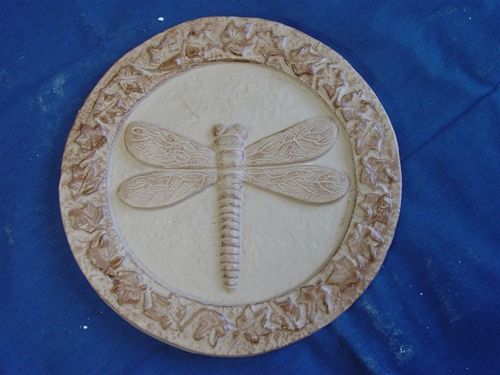
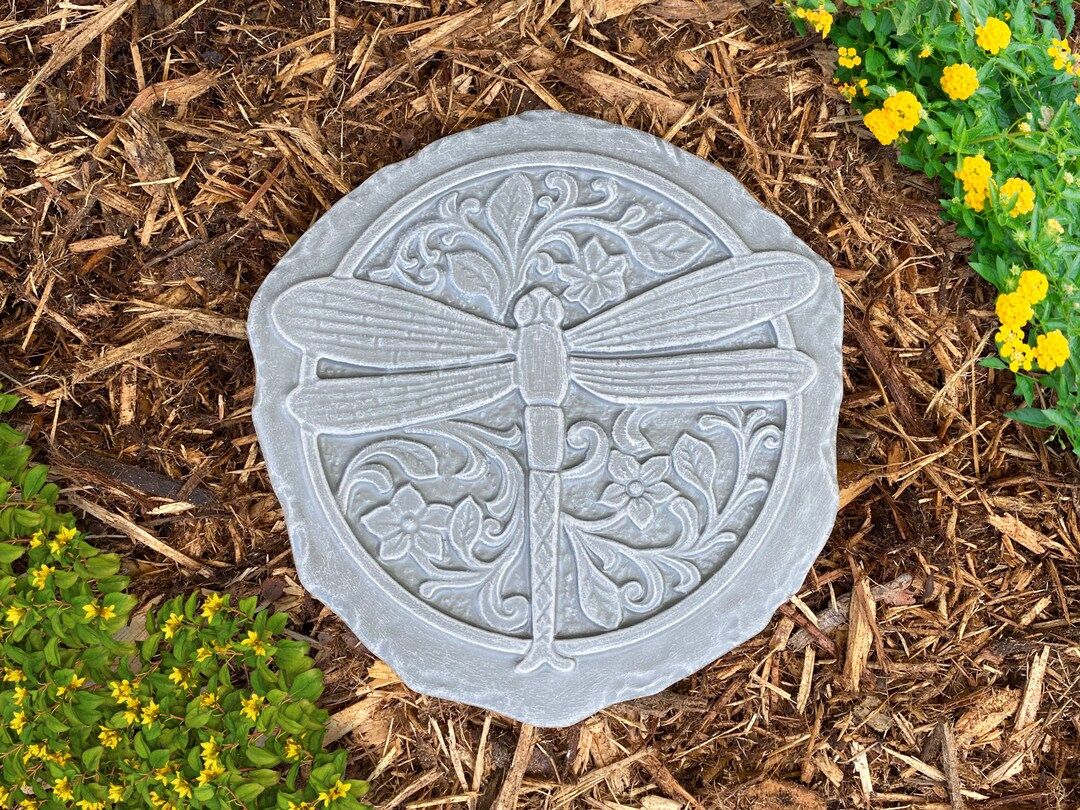
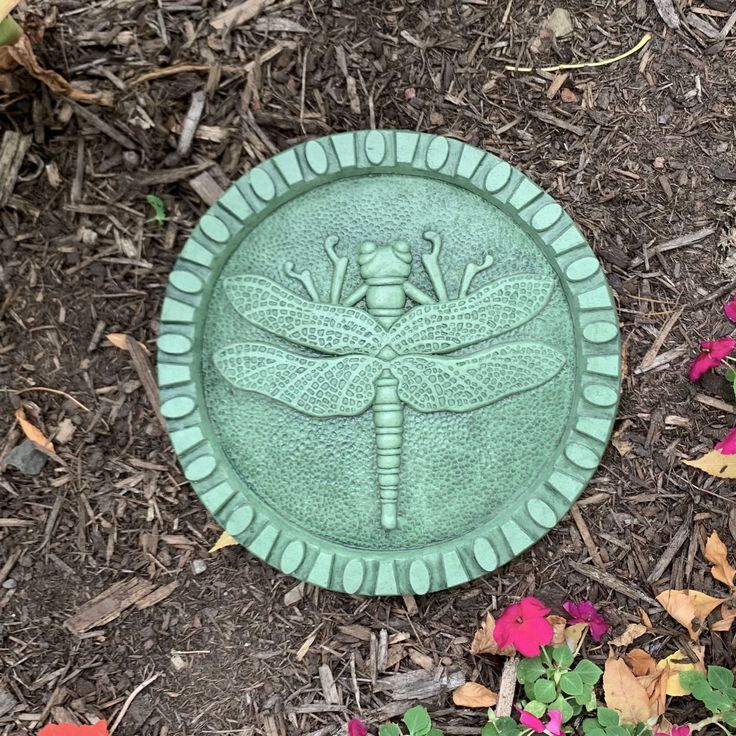
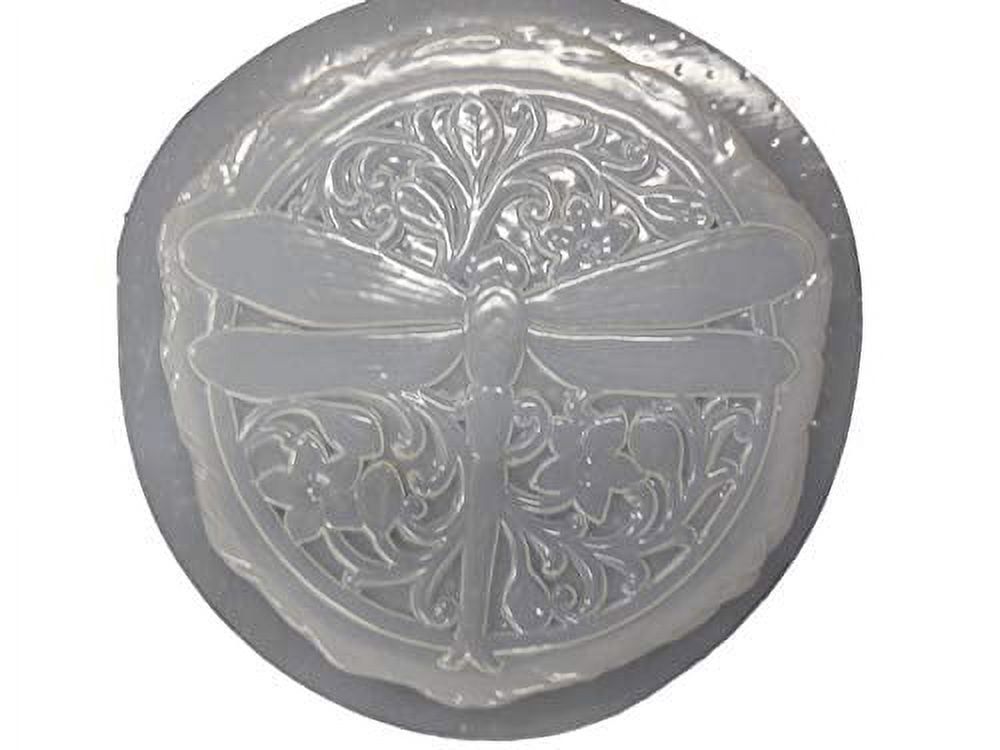
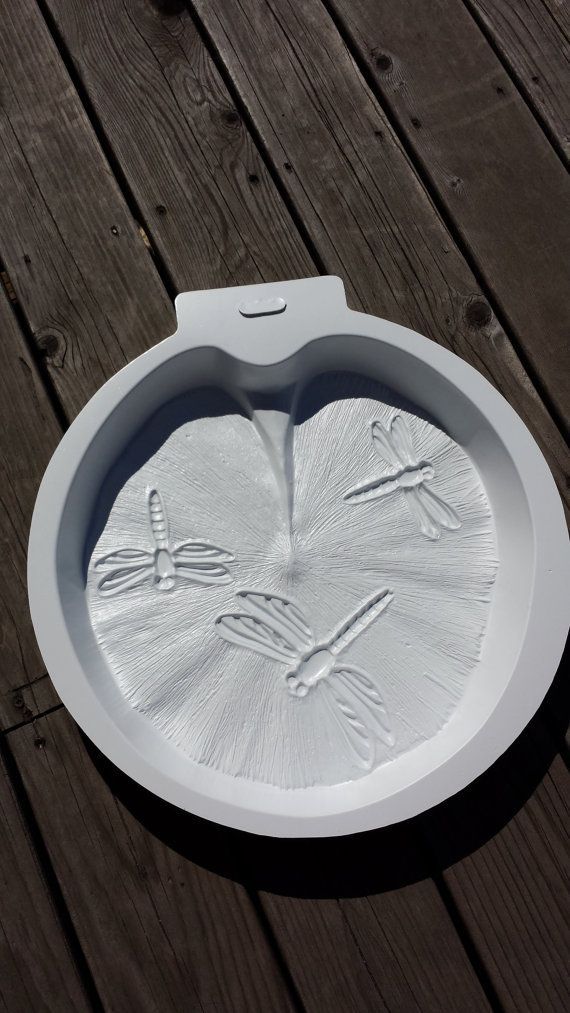
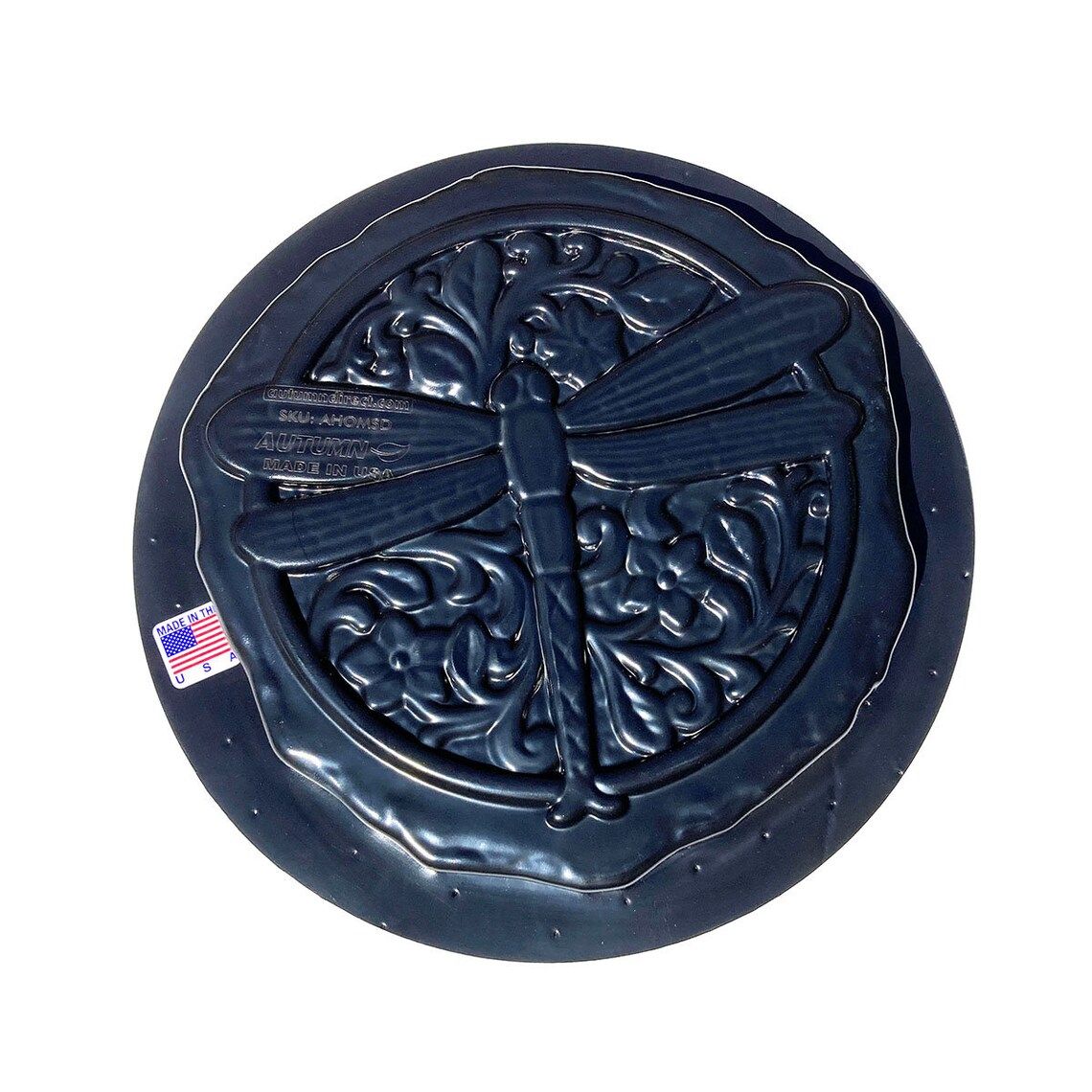
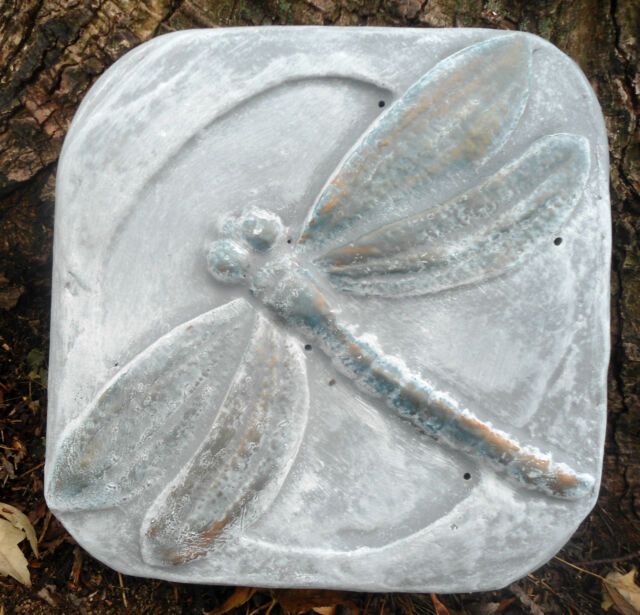
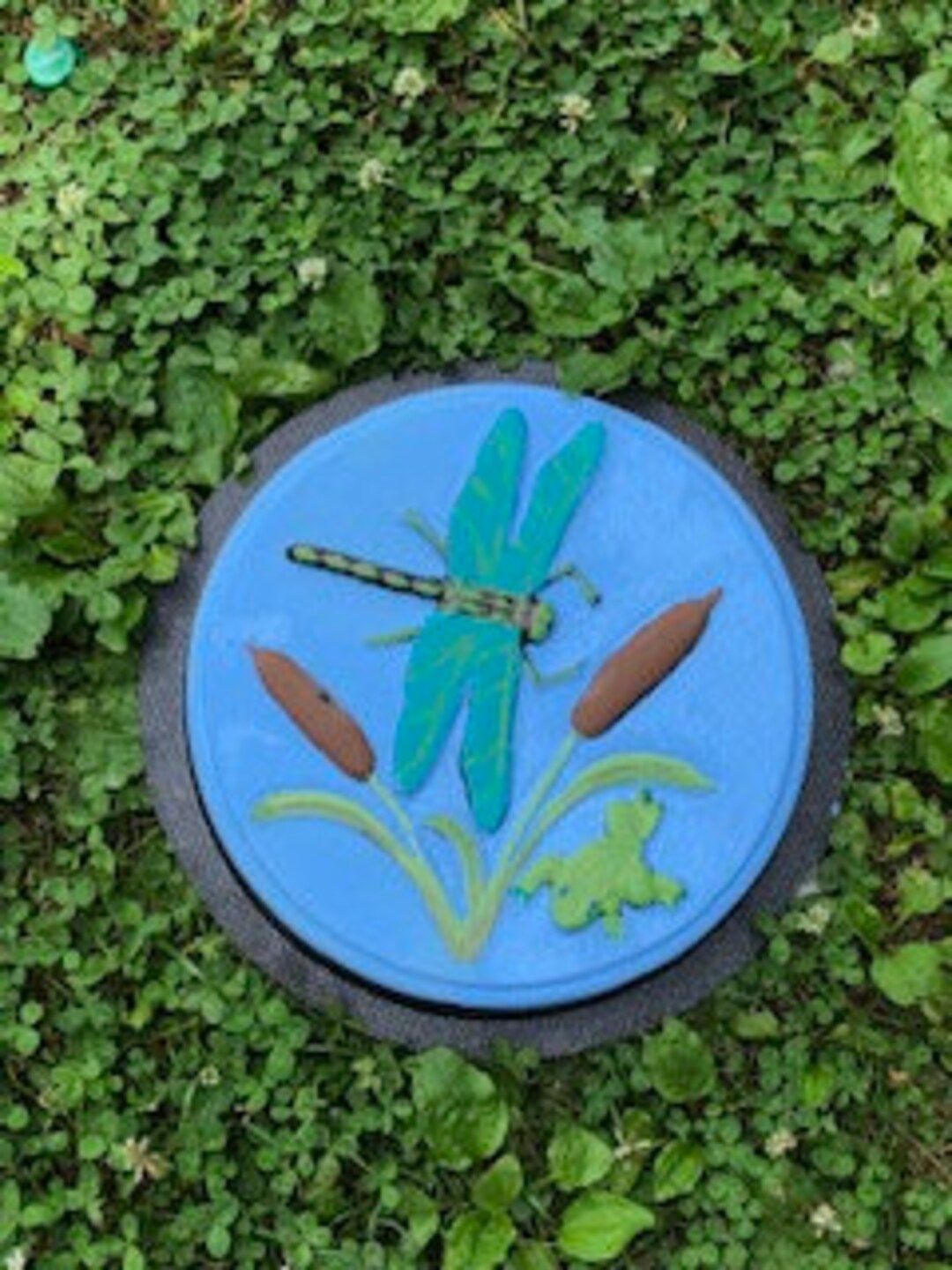
Dragonfly stepping stones are a captivating addition to any garden, but getting them just right can sometimes feel like a puzzle. Fear not, fellow crafters and garden enthusiasts. This guide is your key to unlocking the secrets of successful dragonfly stepping stone mold projects. We’ll delve into the most frequent issues, offer practical solutions, and provide you with the knowledge you need to create stunning, durable stepping stones that will be the envy of your neighborhood. Prepare to transform your outdoor spaces one elegant dragonfly at a time. And, and let’s be real, a little bit of frustration is part of the fun, right?
Dragonflies, with their delicate wings and mesmerizing flight, symbolize transformation and joy. Incorporating them into your garden through stepping stones not only adds aesthetic appeal but also creates a path that invites exploration and reflection. But, the journey from a mold to a finished stepping stone can be fraught with a few common issues. Air bubbles, cracking, and uneven surfaces are just a few of the hurdles you might encounter. Don’t worry though. This article will walk you through the most common challenges and provide you with the tools and techniques to overcome them. Let’s get started.
Problem 1: Air Bubbles and How to Evict Them
Air bubbles are the bane of any concrete casting project, and dragonfly stepping stones are no exception. These tiny pockets of air can weaken your stone and create unsightly surface imperfections.
The Culprit: Trapped air during the mixing or pouring process.
The Fix:
- Proper Mixing: Mix your concrete thoroughly, ensuring all dry ingredients are fully moistened. Avoid over-mixing, which can also trap air.
- Gentle Pouring: Pour the concrete slowly and steadily into the mold, allowing it to flow and fill all the nooks and crannies of the dragonfly design.
- Vibration: Gently tap the mold on a hard surface or use a vibrator tool (even a sander with no paper on it will work) to release trapped air bubbles and make the concrete settle properly.
- Tapping and Prodding: Use a thin tool, like a popsicle stick or a knitting needle, to carefully prod the concrete around the edges and details of the dragonfly, helping to dislodge any stubborn air pockets.
Problem 2: Cracking – The Enemy of Longevity
Cracking is a serious issue that can compromise the durability of your stepping stones. It can happen at various stages, from the curing process to the final placement in your garden.
The Culprit: Rapid drying, improper mix ratios, and insufficient reinforcement.
The Fix:
- Curing Properly: Keep your stepping stones moist during the curing process. Cover them with plastic sheeting or burlap and mist them with water regularly, especially in hot, dry weather. Curing allows the concrete to gain strength slowly, and prevents cracks.
- Correct Mix Ratio: Use the recommended water-to-concrete ratio (usually found on the concrete mix packaging). Too much water can weaken the concrete; too little can make it difficult to work with.
- Reinforcement: Add reinforcement materials like wire mesh or fiberglass fibers to the concrete mix to enhance its tensile strength and prevent cracking.
- Control Joints: If you’re creating very large stepping stones or plan to add a lot of detailing, consider adding control joints (shallow grooves) to the surface. These will allow the concrete to crack in a controlled manner, preventing unsightly and random cracks.
Problem 3: Uneven Surfaces and Imperfect Details
Achieving a smooth, detailed finish is key to creating beautiful dragonfly stepping stones. Uneven surfaces and poorly defined details can be frustrating and detract from the overall aesthetic.
The Culprit: Inadequate mold preparation, improper concrete consistency, and poor pouring technique.
The Fix:
- Mold Preparation: Before pouring the concrete, clean your mold thoroughly and apply a release agent (like mold release spray or a light coating of vegetable oil). This will make it easier to remove the finished stone and help prevent sticking.
- Concrete Consistency: The consistency of your concrete mix should be similar to that of thick pancake batter. It should be able to flow easily into the mold, but not be so thin that it separates or runs out.
- Pouring Technique: Pour the concrete in a slow, steady stream, ensuring it fills all the detailed areas of the mold. Use a trowel or other tool to carefully spread the concrete and eliminate any air pockets.
- Leveling: Once the mold is full, use a level to ensure the surface is even. You can also gently tap the mold to help the concrete settle and distribute evenly.
Problem 4: Mold Damage and Longevity
Dragonfly stepping stone molds, especially those crafted from flexible materials, can endure wear and tear over time. Proper care is crucial to extending their lifespan and ensuring consistent results.
The Culprit: Rough handling, improper cleaning, and exposure to extreme temperatures.
The Fix:
- Gentle Removal: When removing the finished stepping stone from the mold, do so carefully. Avoid excessive force or bending, which can damage the mold, especially if it’s made from silicone or other flexible materials.
- Cleaning: Clean your mold thoroughly after each use. Use warm water and a mild soap to remove any concrete residue. Avoid harsh chemicals or abrasive cleaners, as these can damage the mold’s surface.
- Storage: Store your molds in a cool, dry place, away from direct sunlight and extreme temperatures. This will help prevent warping or other damage.
- Mold Release: Always use a mold release agent before pouring concrete. This will help protect the mold and make it easier to remove the finished stone.
Problem 5: Color and Finish Fiascoes
Adding color and a beautiful finish can elevate your dragonfly stepping stones from functional to artistic. However, mistakes in this area can be disheartening.
The Culprit: Using the wrong type of colorant, applying it incorrectly, or using a finish that doesn’t protect the stone.
The Fix:
- Colorants: Use concrete-safe colorants, like concrete dyes or pigments. Avoid using paints or other materials that aren’t designed for outdoor use, as they can fade or peel.
- Mixing Color: If you’re mixing color into the concrete, make sure to mix it thoroughly to achieve an even color distribution. You can also add color to the surface after the concrete has set.
- Sealing: Seal your finished stepping stones with a concrete sealant to protect them from the elements and enhance their color. Choose a sealant that is specifically designed for outdoor use.
- Experiment: Before you commit to a large batch, experiment with different color combinations and finishing techniques. This will help you to fine-tune your approach and achieve the desired results.
Problem 6: Getting the Right Concrete Mix
The type of concrete you use is pivotal. Using the wrong mix can lead to all sorts of problems.
The Culprit: Using the incorrect type of concrete mix.
The Fix:
- Choose the Right Concrete: Always use concrete that is designed for outdoor use. This will typically be a mix with a higher compressive strength. Read the packaging carefully, and choose a concrete mix that is appropriate for your specific project.
- Read the Instructions: Always follow the manufacturer’s instructions for mixing and using the concrete.
- Consider Additives: Additives can improve the workability of your concrete. Plasticizers, for example, make the concrete more fluid, and air-entraining agents can make the concrete more resistant to freeze-thaw cycles.
Creating dragonfly stepping stones is a rewarding project that combines creativity with hands-on craftsmanship. While challenges may arise, remember that each one is a learning opportunity. By understanding these common issues and implementing the solutions outlined above, you’ll be well on your way to crafting beautiful, durable stepping stones that will bring a touch of magic to your garden. So, embrace the process, experiment with different techniques, and enjoy the transformation from raw materials to a stunning piece of art. Happy crafting, and may your dragonflies flutter through your garden for years to come. Remember to share your creations, and don’t be afraid to ask for help. The crafting community is a supportive one, and we’re always here to help each other succeed. And that’s the truth.