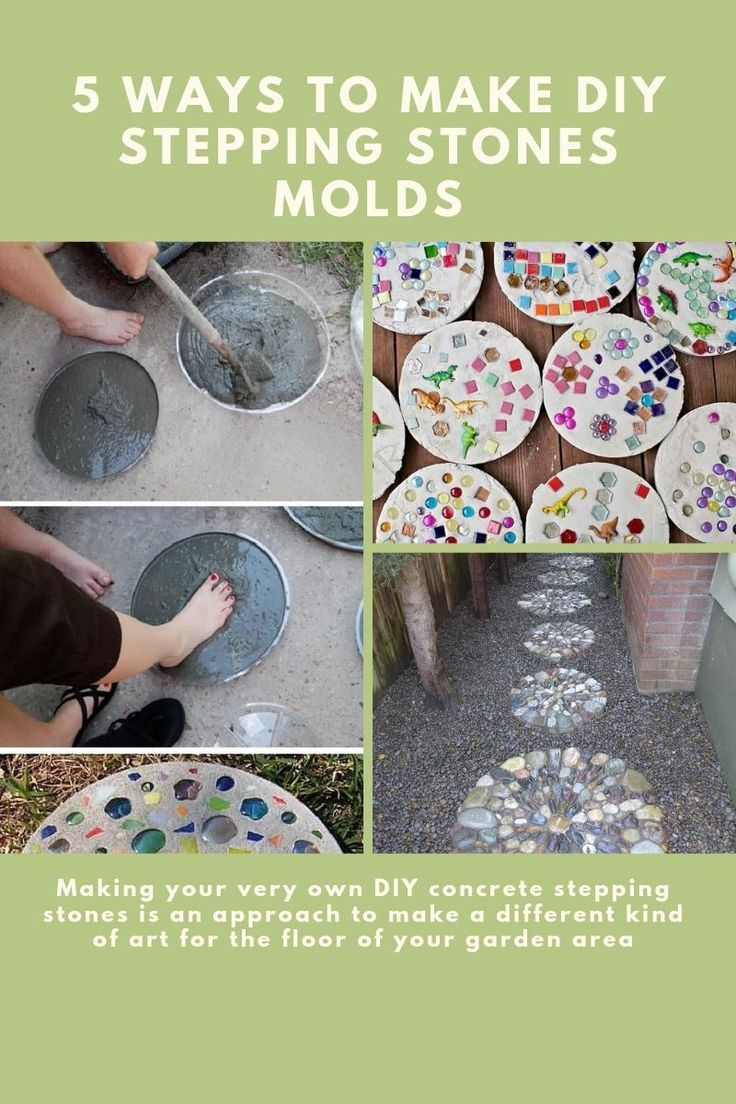
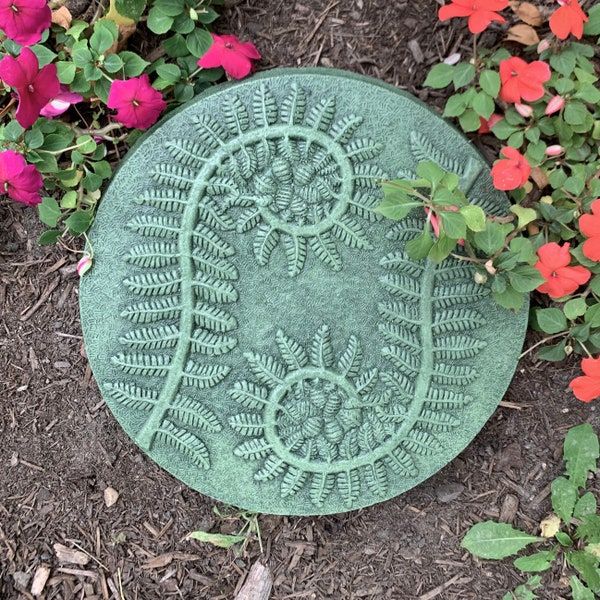
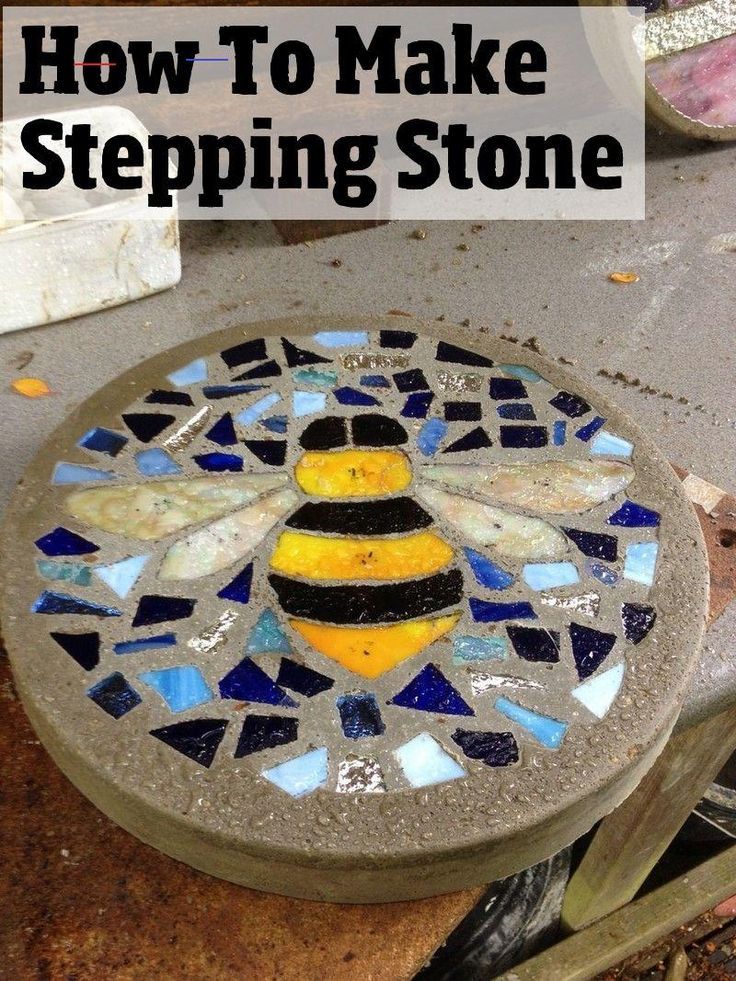
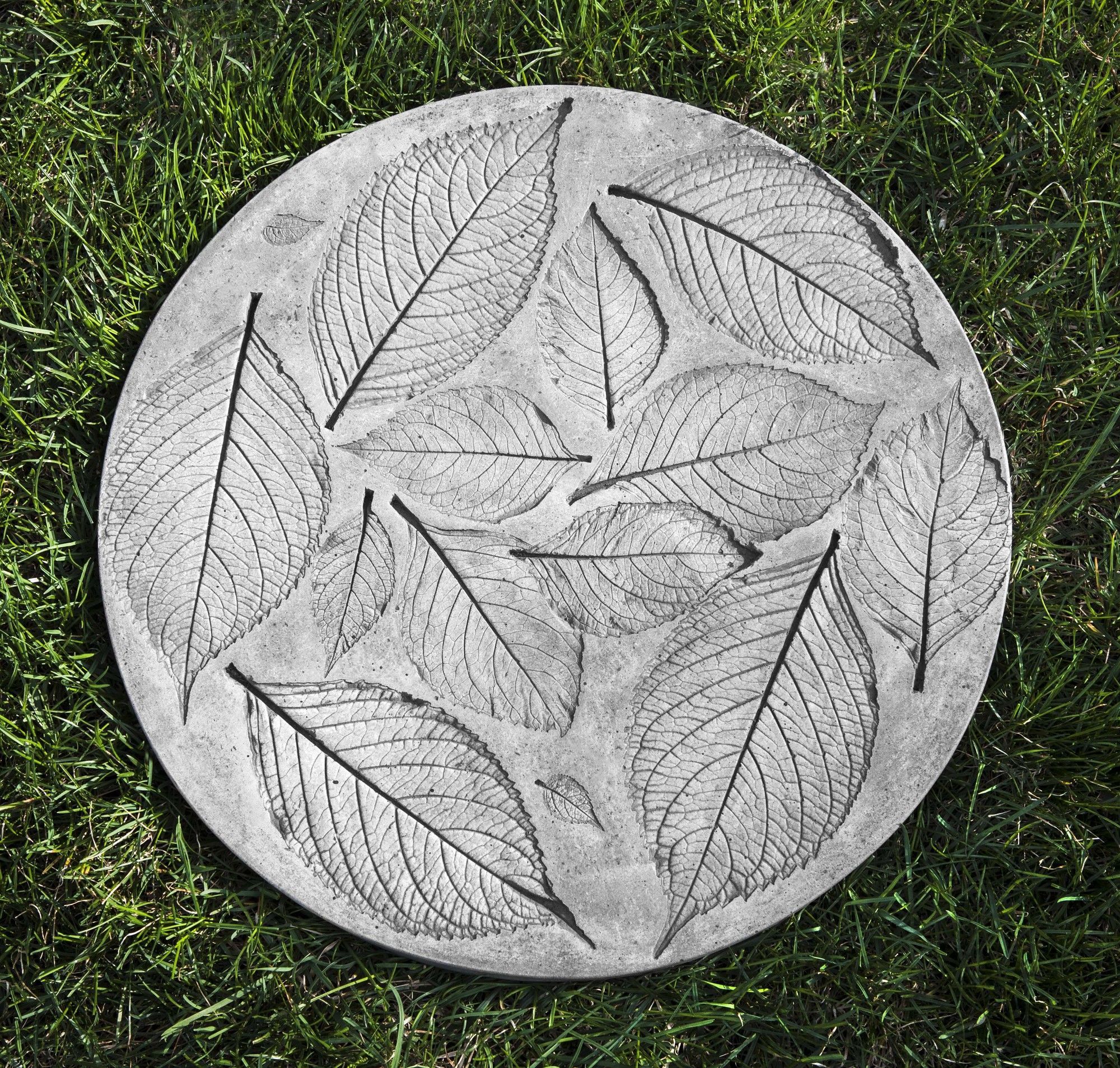
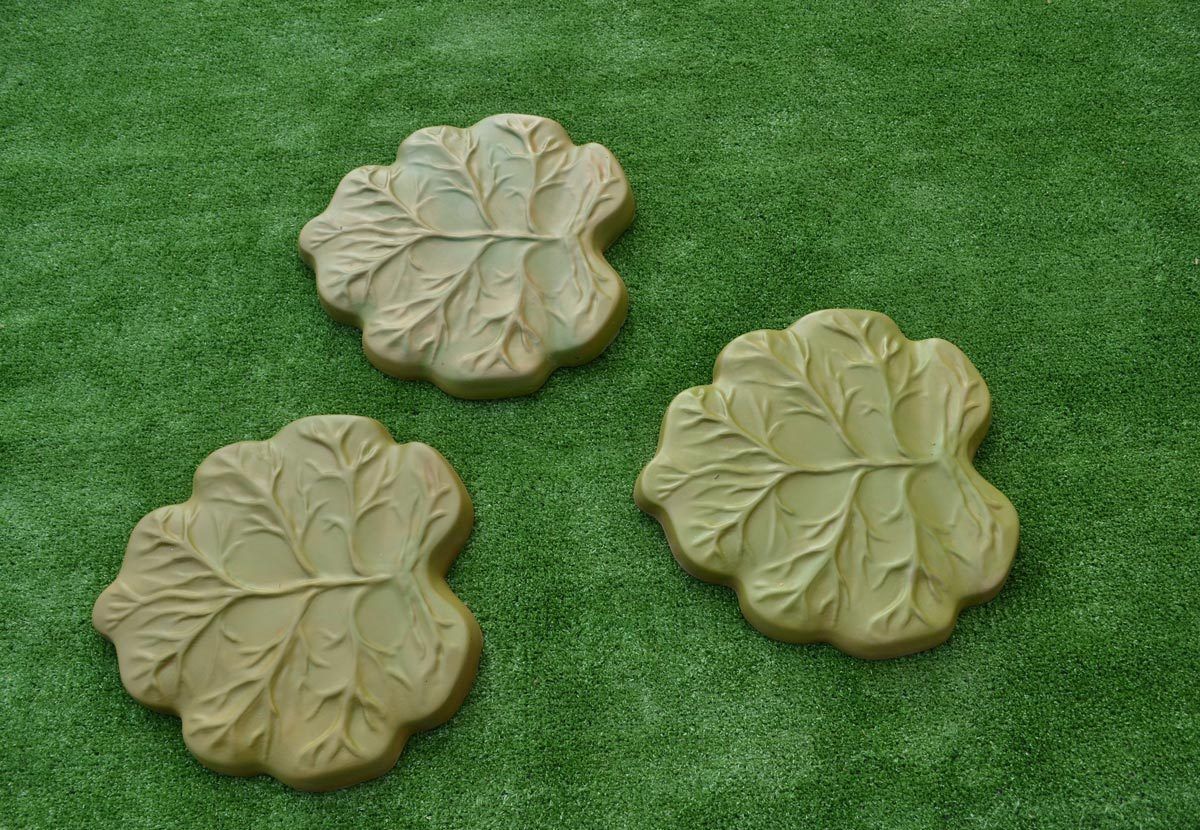
Welcome, fellow garden enthusiasts and DIY devotees. I’m thrilled to share my knowledge and experience in the realm of crafting stepping stones, specifically those charming fern-imprinted beauties. Building your own stepping stones can be a deeply satisfying project. It’s a chance to bring a touch of nature into your landscape, one carefully placed stone at a time. But to truly savor the satisfaction of a well-done project, you need to get the basics right – and that starts with choosing the right materials, particularly for your fern molds. This isn’t just about aesthetics; it’s about longevity and the enjoyment your garden will bring for years to come. Let’s dive in.
Stepping stones, when properly designed, are more than merely functional pathways; they’re artistic statements that add character and charm to any outdoor space. The fern-imprint design is especially popular, offering a touch of natural beauty and rustic appeal. However, the durability of these stepping stones hinges on the material you use for your molds. This guide will walk you through the best material choices, helping you avoid common pitfalls and ensuring your stepping stones stand the test of time and weather, and maybe even the test of a few rambunctious grandkids. We’ll explore the pros and cons of different materials, providing you with the insights needed to make informed decisions and create stepping stones that will bring pleasure for many seasons.
Concrete: The Workhorse Material
Concrete is the classic choice for stepping stones, and for excellent reasons. It’s relatively inexpensive, readily available, and incredibly strong. The key to success with concrete lies in the mix. A high-quality concrete mix, with a good proportion of cement, sand, gravel, and water, is vital. You can buy pre-mixed concrete, which simplifies the process, or mix your own, giving you more control over the final composition.
Why Concrete for Fern Molds?
- Durability: Concrete is inherently tough, resisting cracking and chipping if properly mixed and cured.
- Versatility: It can be cast into any shape, making it perfect for fern molds of various sizes and designs.
- Affordability: Concrete is one of the most budget-friendly options.
Tips for using Concrete:
- Curing is crucial: Proper curing (keeping the concrete moist for several days) is essential for strength. Cover your stepping stones with plastic sheeting to retain moisture.
- Reinforcement: Consider adding wire mesh or rebar to the concrete mix for extra strength, especially for larger stepping stones or those in high-traffic areas.
- Sealing: Once cured, seal your stepping stones to protect them from the elements and stains. There are many different sealers for concrete, and you can look for the one that is best for your needs.
Rubber Molds: Flexible and Fern-Friendly
Rubber molds have gained traction recently. Their flexibility makes them ideal for complex designs, and they are especially well-suited for fern stepping stones. The ability of rubber molds to flex and release the finished stone without damage to the delicate fern imprint is a significant advantage. The downside is that quality rubber molds can be more expensive. However, the ease of use and the excellent results often justify the investment.
Advantages of Rubber Molds:
- Easy Release: The flexibility of rubber allows for easy removal of the stepping stone without damaging the fern impression.
- Detailed Designs: Rubber molds can capture intricate details, resulting in beautifully defined fern imprints.
- Reusable: A good quality rubber mold can be used many times.
Things to keep in mind:
- Mold Preparation: Before pouring concrete, lightly coat the rubber mold with a release agent (like mold release spray) to ensure the concrete doesn’t stick.
- Vibration: Vibrate the mold (gently tap it or use a vibrating table) after pouring the concrete to remove air bubbles and ensure a smooth finish.
Plastic Molds: A Budget-Conscious Alternative
Plastic molds are another option and often more affordable than rubber molds. They are typically made from durable plastic and can be re-used. However, plastic molds can be less flexible than rubber molds, making it a little harder to take the stepping stone out without damaging the edges.
Benefits of Plastic Molds:
- Cost-Effective: They are generally cheaper than rubber molds.
- Easy to find: Plastic molds are readily available at most home improvement stores.
- Variety: You can find plastic molds in many different shapes and sizes.
Things to consider:
- Durability: Plastic molds may not last as long as rubber molds. They can crack or break over time, especially if not stored carefully.
- Release Agent: As with rubber molds, you may need to use a release agent to make it easier to remove the stepping stones.
Wooden Molds: A Rustic Approach
Wooden molds offer a more rustic aesthetic, but they require more careful construction and preparation. You can build your own wooden molds from plywood or purchase pre-made wooden forms. The key is to ensure the wood is sealed to prevent water absorption, which can cause the wood to warp or damage the mold over time.
Advantages of Wooden Molds:
- Customization: You can easily create molds in any shape and size.
- Rustic Charm: Wooden molds can impart a unique, handcrafted look to your stepping stones.
Potential drawbacks:
- Water Damage: Wood is susceptible to water damage; proper sealing is essential.
- Less Durable: Wooden molds may not be as durable as plastic or rubber molds and may require more maintenance and care.
Considerations for Fern Placement and Material Compatibility
The type of fern you use and how you place it in your mold can affect the final outcome. Consider the size and shape of the fern, the texture of its leaves, and how well it will press into the concrete. Experiment with different ferns to find the ones that give you the best results. Also, ensure the material you choose for your mold is compatible with the concrete mix. Some materials may react with the concrete or make it difficult to release the finished stepping stone.
Key tips:
- Drying the Fern: Gently dry the fern before placing it in the mold to prevent it from rotting and staining the concrete. You can press the fern between sheets of paper or use a low-heat setting on a dehydrator.
- Mold Release: Always use a mold release agent, especially with rubber and plastic molds, to make it easier to remove the stepping stones.
- Experimentation: Don’t be afraid to experiment with different fern types and concrete mixes to achieve the look you desire. Sometimes, the most beautiful results come from trying something new.
Long-Term Care and Maintenance
Once your stepping stones are complete, proper care and maintenance will ensure they last for years. Seal the concrete regularly to protect it from the elements and prevent staining. Clean the stones with mild soap and water to remove dirt and debris. Inspect them periodically for cracks or damage, and repair them promptly. This proactive approach will keep your stepping stones looking their best and ensure they continue to enhance your garden’s beauty. Remember, a little maintenance goes a long way in preserving the beauty and longevity of your creations. With proper care, your fern stepping stones will become cherished features of your landscape for many years to come. And don’t forget to enjoy the fruits of your labor – take a moment to admire your handiwork and the beauty it brings to your outdoor space. That’s the real reward of a successful DIY project.
Selecting the right material for your fern mold is the foundation for creating beautiful, durable stepping stones. Whether you choose the reliability of concrete, the flexibility of rubber, the budget-friendliness of plastic, or the rustic charm of wood, understanding the pros and cons of each option is key. By carefully considering these factors and following the tips provided, you can craft stepping stones that not only enhance the aesthetic appeal of your garden but also withstand the test of time. So, gather your materials, get ready to get your hands dirty, and embark on this rewarding journey. The art of durable stepping stones awaits, and the beauty you create will be a testament to your skill and passion. You’ve got this. Happy crafting and happy gardening.