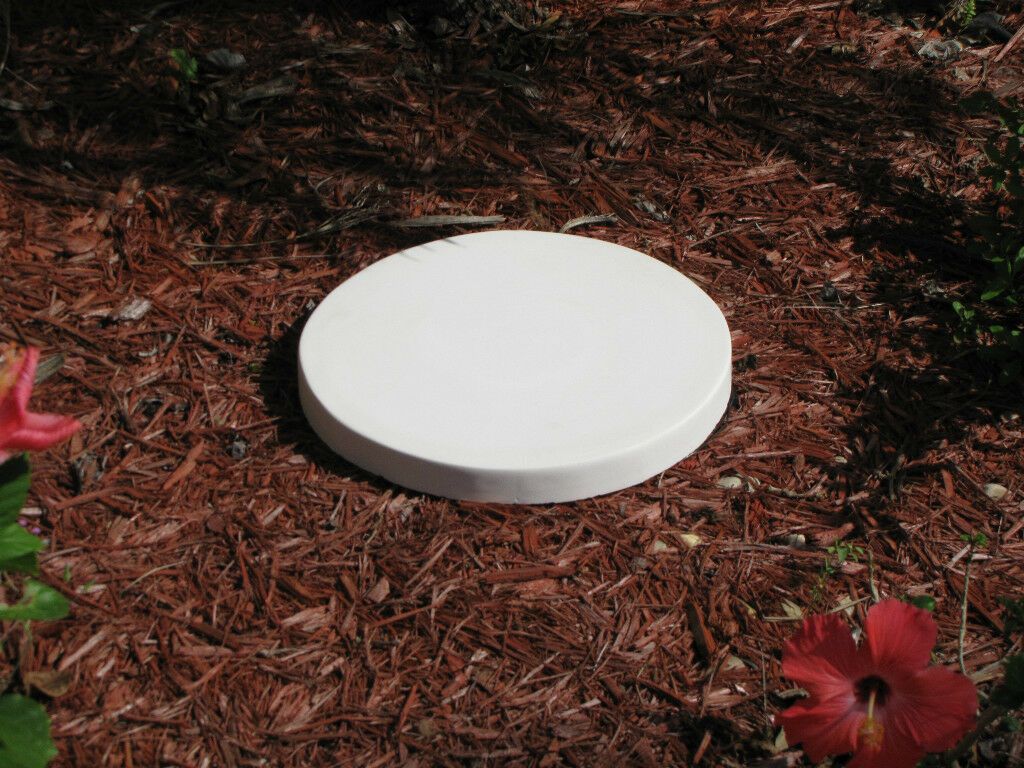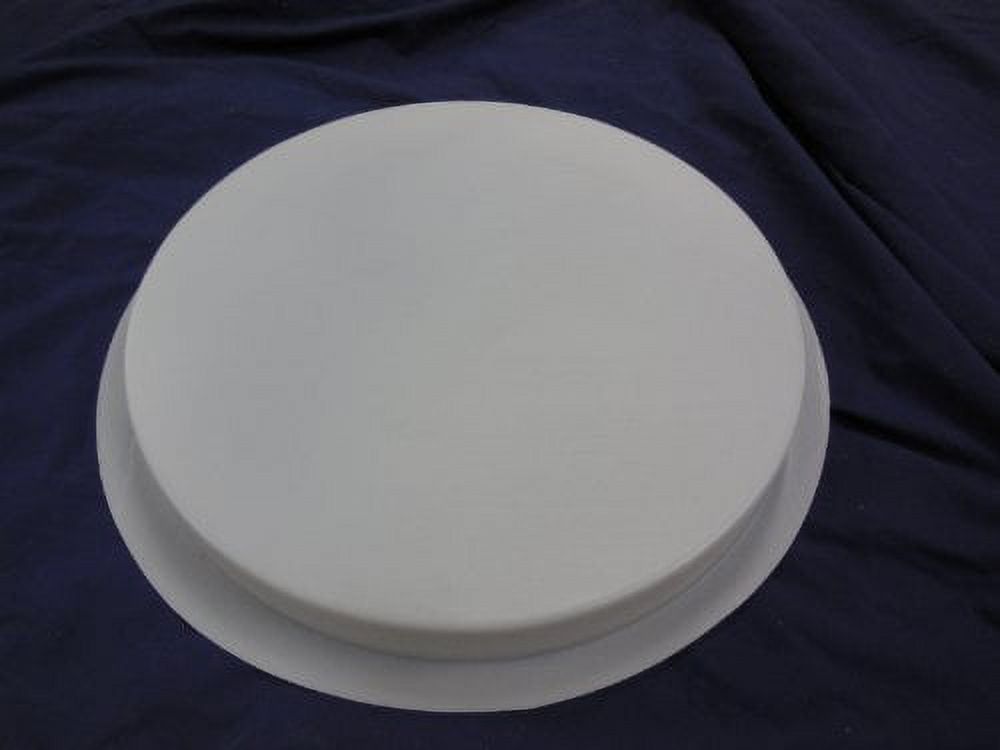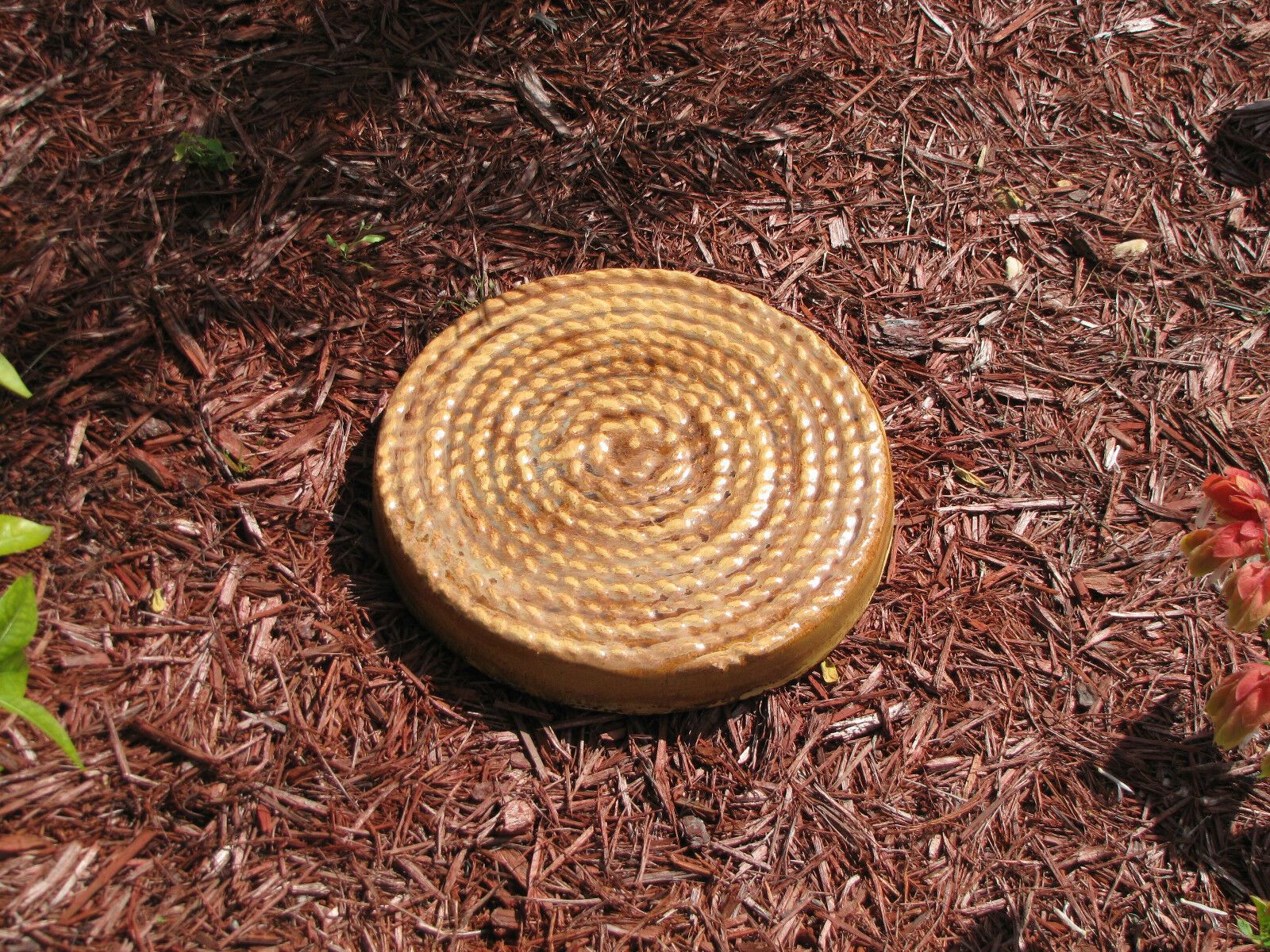
Hey everyone, it’s your friendly neighborhood garden guru here! Today, we’re diving deep into a topic that’s fundamental for any stepping stone enthusiast: choosing the right materials for your plain round stepping stone molds. I get asked about this all the time, and it’s a crucial first step. Selecting the correct stuff isn’t just about aesthetics; it directly affects the durability, the ease of use, and the overall lifespan of your creations. Get this right, and you’ll be enjoying those beautiful, round stepping stones for years to come. Get it wrong, and well, let’s just say you might find yourself re-doing things sooner than you’d like. So, grab your gardening gloves, and let’s get started.
Before we even think about concrete mixes, colors, or designs, we need to focus on the molds themselves. A good mold is the unsung hero of any stepping stone project. And the materials you use to make those molds are paramount. They directly impact the final product’s appearance, how easy it is to remove the stone, and how many times you can reuse the mold. There are a few very common materials, each with its own set of pros and cons. We’ll look at them all, so you can decide what’s best for your needs.
Plastic: The Workhorse of Stepping Stone Molds
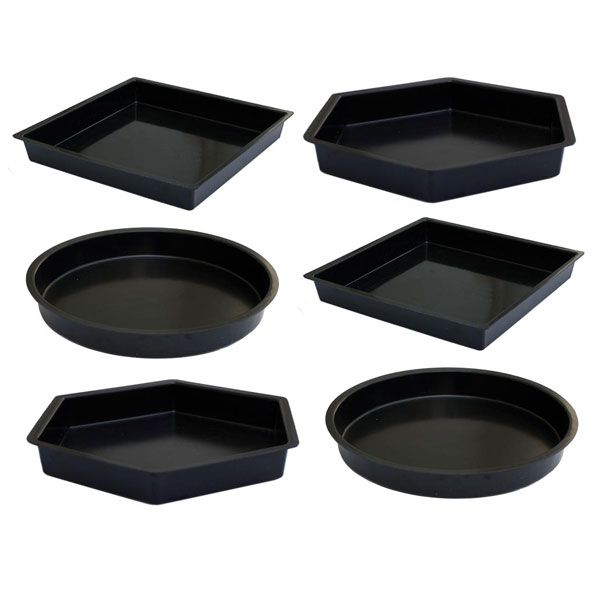
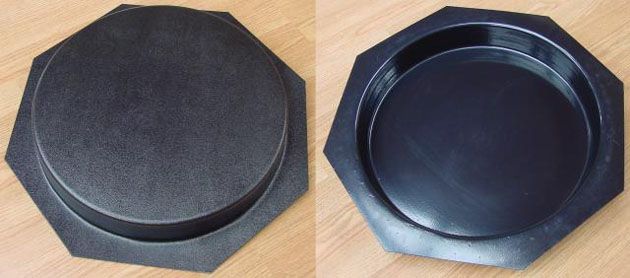
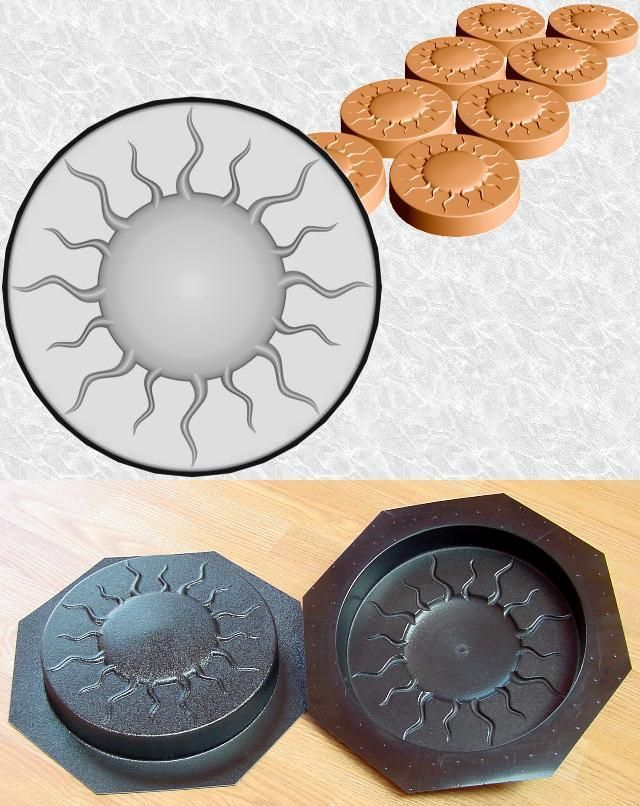
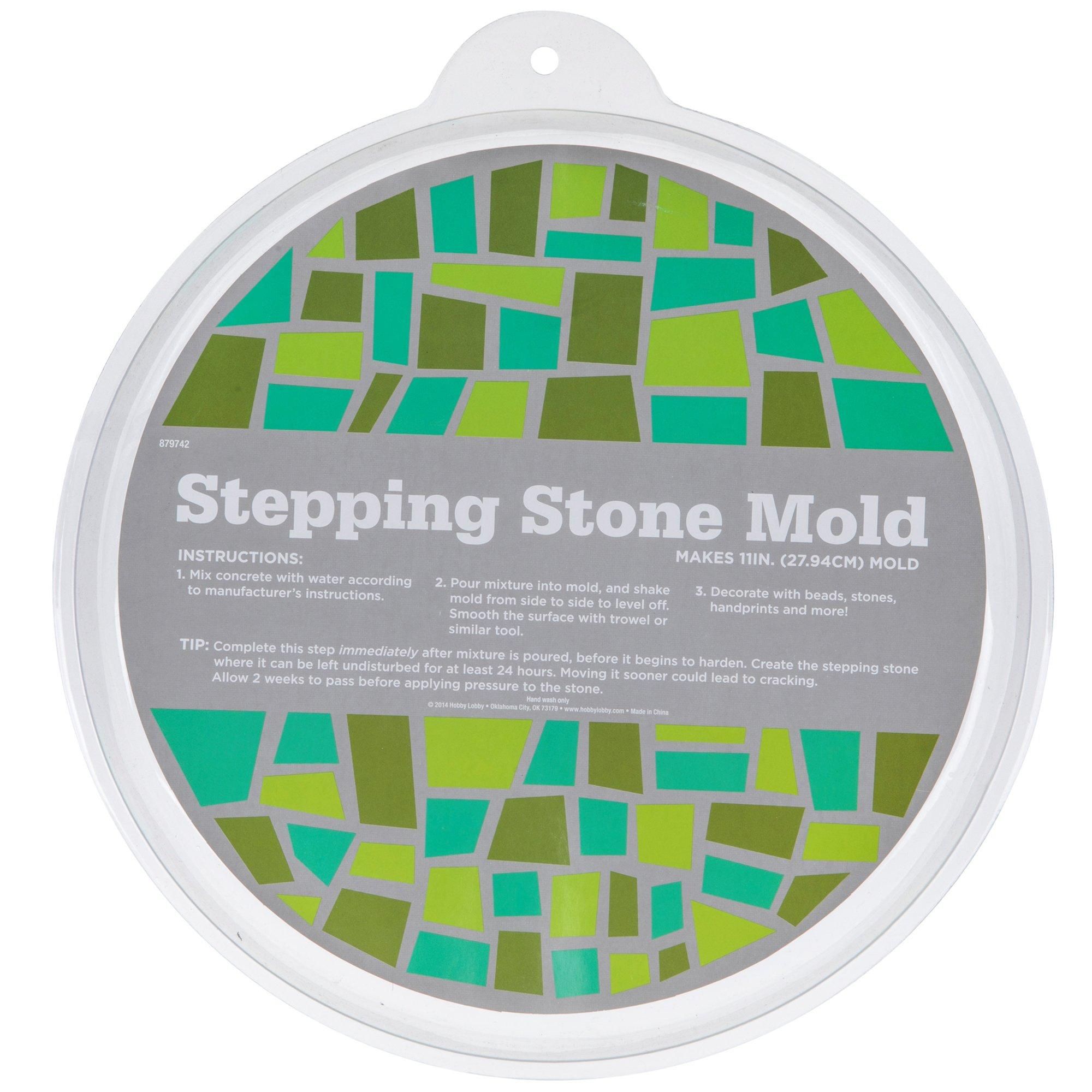
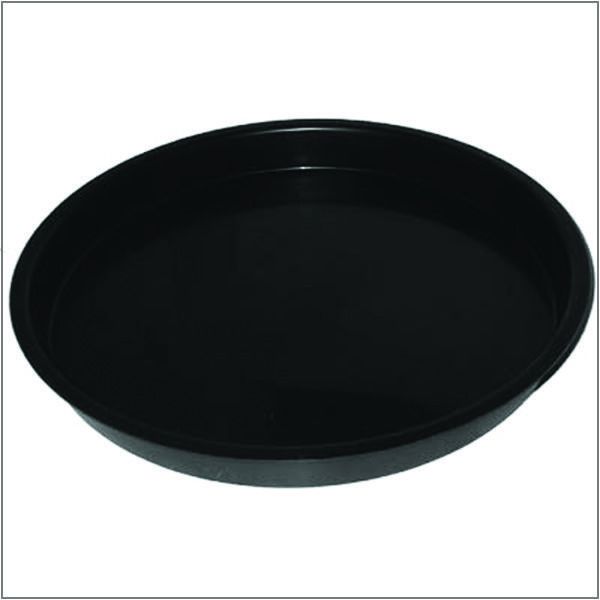
Plastic molds are, without a doubt, the most popular choice. They’re readily available, usually very affordable, and super easy to work with. You can find them at nearly any garden supply store, and they come in a vast range of shapes and sizes.
Pros:
- Affordability: Plastic molds are generally budget-friendly.
- Ease of Use: They’re simple to clean, and the stepping stones often pop right out.
- Availability: Widely accessible both online and in stores.
- Variety: Huge selection of designs.
Cons:
- Durability: Plastic can crack or warp over time, especially if exposed to extreme temperatures or rough handling.
- Lifespan: Not as long-lasting as some other materials; repeated use can degrade them.
- Detail: The level of detail you can achieve might be limited compared to other mold types.
Example: I have a friend who started out using plastic molds. She loved how easy they were to get started with, but she found herself replacing them every season. She eventully switched to a more durable material when she stepped up her stepping stone game.
Rubber: Flexible and Feature-Rich
Rubber molds offer a fantastic mix of flexibility and detail. They’re generally made from flexible rubber compounds. This flexibility makes them ideal for designs with intricate patterns and undercuts (areas where the stone curves inward).
Pros:
- Detail: Excellent for capturing fine details, resulting in a more professional finish.
- Durability: Rubber tends to be more durable than plastic, lasting longer with proper care.
- Ease of Release: The flexibility makes it easier to remove the finished stepping stones without damage.
Cons:
- Cost: Generally more expensive than plastic molds.
- Availability: May not be as readily available as plastic molds, and you might need to look at specialty shops or online retailers.
- Storage: Can take up more space and require careful storage to prevent distortion.
Example: A client of mine wanted some stepping stones with a really detailed leaf pattern. We tried plastic, but the leaves kept getting broken. We switched to a rubber mold, and the results were stunning. It’s all about choosing the right tool for the job!
Silicone: The Premium Choice
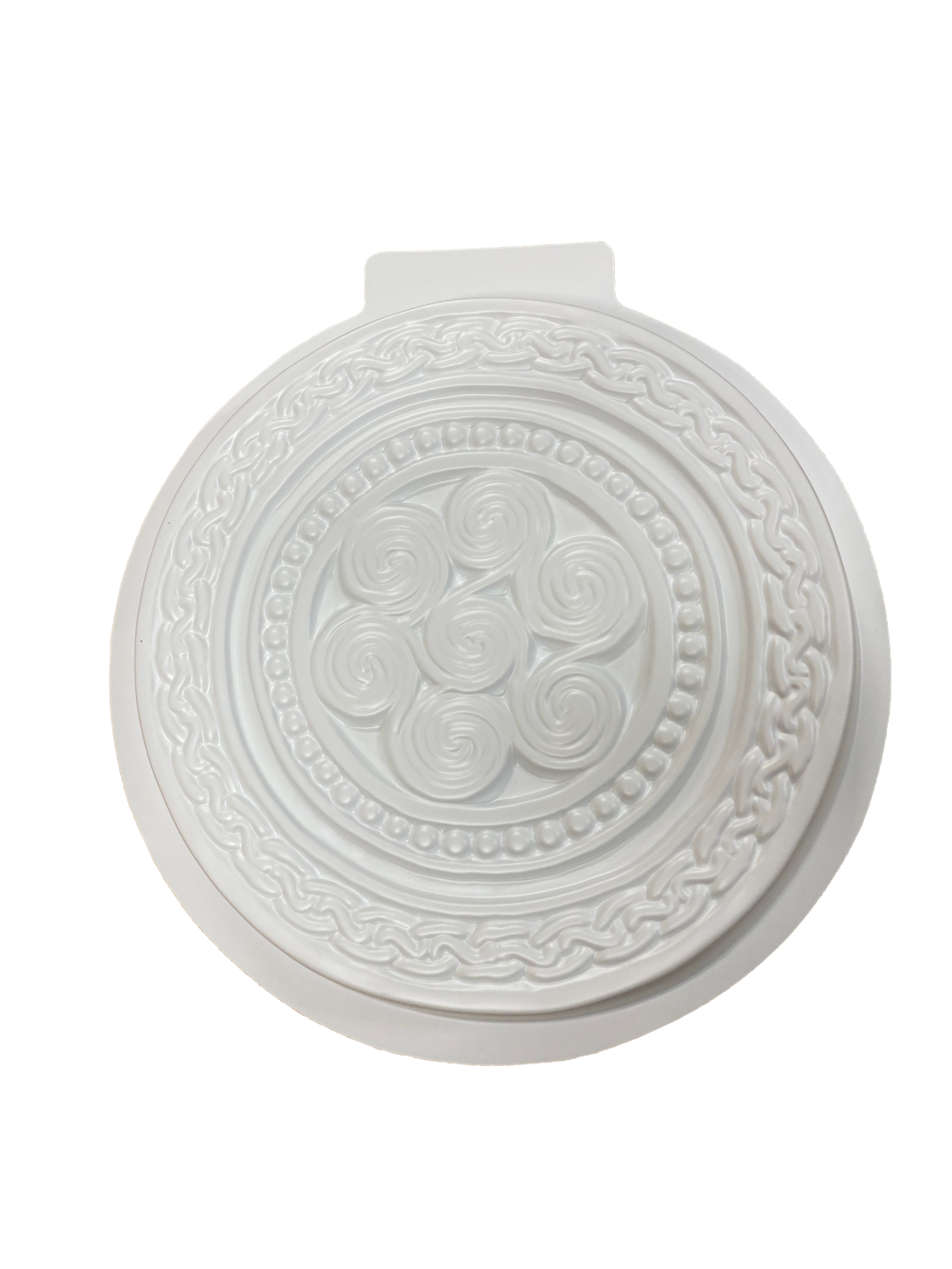
Silicone molds represent the top-tier option. They are incredibly flexible, durable, and capable of producing incredibly detailed designs. Silicone molds are also often food-grade, making them safe for use with food-safe concrete mixes if you’re into that kind of thing.
Pros:
- Exceptional Detail: Silicone molds can capture the finest details, giving your stepping stones a very high-end look.
- Durability: They’re extremely long-lasting and can withstand repeated use.
- Easy Release: The flexibility of silicone makes it very easy to remove the stones without any issues.
- Versatility: Can handle a wide range of materials, from concrete to resin.
Cons:
- Cost: The most expensive mold option.
- Availability: May require some searching to find the right size or design.
Example: I used a silicone mold to create a set of stepping stones for my own garden, featuring a delicate floral pattern. They’ve weathered multiple seasons, and still look brand new. The initial investment was worth it for the quality and durability.
Wood: A DIY Option (and Considerations)
You can build your own molds from wood, especially for plain round stepping stones. This is a great option if you have some DIY skills and want to save money.
Pros:
- Cost-Effective: Can be very inexpensive, especially if you have scrap wood available.
- Customization: Allows for complete control over the shape and size of your stepping stones.
Cons:
- Labor-Intensive: Requires time and effort to construct the molds.
- Durability: Wood can warp or rot over time, and it’s not as easy to clean as other materials.
- Release: You may need to line the mold with plastic or apply a release agent to prevent the concrete from sticking.
Tip: If you opt for wooden molds, consider using treated wood to resist moisture damage, and always seal the wood to prevent leaking.
Metal: Industrial Strength and Longevity
Metal molds, usually made from steel or aluminum, are the heavy-duty choice. They’re incredibly durable and can withstand years of use. However, they’re not as common for home DIY projects.
Pros:
- Durability: Extremely long-lasting and resistant to wear and tear.
- Precision: Can produce very precise shapes.
Cons:
- Cost: Typically the most expensive option, often used in industrial settings.
- Weight: Can be heavy and difficult to handle.
- Availability: Not as readily available as other materials, and may require specialized ordering.
Note: Metal molds are often used for mass production or in professional settings.
Important Considerations: Shape, Size, and Your Needs
Beyond the material itself, think about the shape and size of your stepping stones, and what the stones will be used for. A very large, heavy stepping stone might be better suited to a more rigid mold. Are you making just a few for your own garden, or do you plan to make many to sell? These factors will influence your decision.
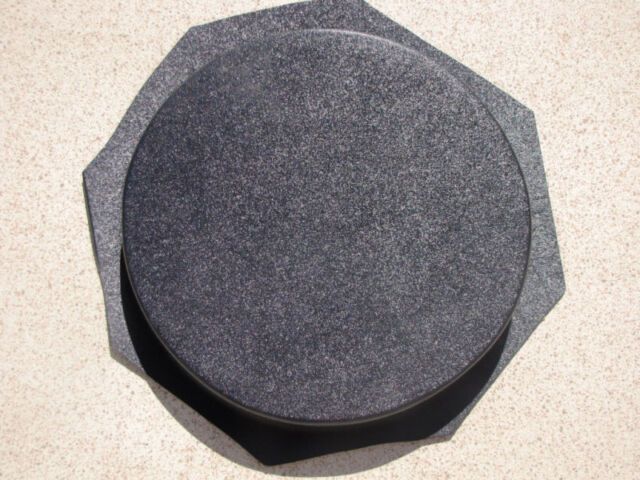
- Shape: For plain round stepping stones, any of the materials we discussed can work well, but the flexibility of rubber or silicone might be especially helpful for achieving a clean release.
- Size: Smaller stones might be fine with plastic, but larger stones benefit from the sturdiness of rubber, silicone, or metal.
- Re-usability: If you plan to make many stepping stones, durability becomes a key factor, and you might want to lean towards rubber, silicone, or metal.
Tip: Always consider how easy the mold is to clean. Cleaning is crucial, regardless of the material you choose, as it helps prevent cross-contamination and ensures the longevity of your molds.
So there you have it, the lowdown on choosing the right materials for your plain round stepping stone molds. There’s no single ‘best’ material; the ideal choice depends on your budget, your desired level of detail, and how often you plan to use the mold. Plastic is great for beginners and those on a budget, rubber and silicone offer a step up in quality, and metal caters to industrial needs. Remember to consider the factors that are most important to you, and don’t be afraid to experiment. Happy stepping stoning, everyone. I can’t wait to see what you create. And always, happy gardening.