Ever stepped into the shower only to find weak water pressure? It’s more common than you think, and it’s usually fixable. Whether it’s a new installation or something that’s developed over time, there are simple steps you can take to keep your shower delivering that satisfying blast of water.
Water pressure in the shower isn’t just about comfort – it’s about function. When your shower pressure drops, it can turn a relaxing soak into a frustrating experience. But here’s the thing: most pressure issues aren’t disasters requiring expensive plumbing work. They’re often manageable problems with straightforward solutions. Think of it like a car engine – if it’s running rough, it’s usually something simple that needs attention rather than a complete overhaul. The key is knowing what to look for and how to address it before it becomes a bigger issue.
Understanding Water Pressure Basics
Before diving into fixes, it helps to understand what makes water pressure tick. Your shower’s water pressure depends on several factors. First, there’s the main water supply – if your home’s water line is too small or clogged, you’ll get less pressure no matter what. Then there’s the showerhead itself. Older models or those with mineral buildup can restrict flow significantly. You might also have a pressure-reducing valve somewhere in your system that’s set too low. Sometimes, it’s simply the pipes between your water source and shower that are causing the problem. These are all things you can investigate and potentially fix yourself. For example, if you notice your shower pressure drops when other fixtures are running, that’s a classic sign of insufficient water supply rather than a shower-specific issue.
Common Causes of Low Shower Pressure
Low pressure in the shower happens for many reasons, and most of them are preventable. One major culprit is mineral deposits building up inside your showerhead. Hard water contains calcium and magnesium that leave behind residue over time. This can block the tiny holes in your showerhead, reducing water flow dramatically. Another frequent cause is a clogged aerator – that little screen or filter at the end of your showerhead that mixes air with water. If it gets gunked up, it’ll choke off the flow. Pipe corrosion also plays a role, especially in older homes where galvanized pipes may have developed rust and scale. You might also be experiencing pressure loss due to changes in your home’s water system, such as new fixtures or pipe replacements that altered the flow dynamics. Some people even have their water pressure set too low by design, either accidentally or intentionally. The key is identifying which one is affecting you specifically.
Simple Maintenance Techniques
Maintenance is your first line of defense against pressure problems. Regular cleaning of your showerhead can make a huge difference. Remove it from the pipe and soak it in white vinegar for about thirty minutes to dissolve mineral deposits. A quick brush with a toothbrush can remove stubborn buildup. Don’t forget to check your water heater – if it’s old or malfunctioning, it might affect overall pressure. Also, pay attention to any changes in water pressure across different fixtures in your home. If only the shower is affected, it’s probably isolated to that area. But if multiple fixtures are having issues, it could indicate a larger problem with your home’s plumbing system. Many homeowners find they can solve their pressure problems with just a monthly inspection routine.
When to Call a Professional
While many pressure issues are DIY-friendly, some situations call for expert help. If you’ve tried basic maintenance and still have poor pressure, it’s time to consider a plumber. Signs that you need professional attention include sudden drops in pressure, inconsistent flow patterns, or if you notice unusual noises coming from your pipes. A plumber can inspect your entire water system, including checking for hidden leaks or damaged pipes. Sometimes, the issue lies deep within your home’s infrastructure, like a failing pressure-reducing valve or a collapsed pipe that requires specialized tools to locate. It’s worth noting that if your neighbors are experiencing similar issues, it might be a municipal water supply problem rather than something local to your home. In such cases, contacting your water utility company is the right move.
Prevention Strategies
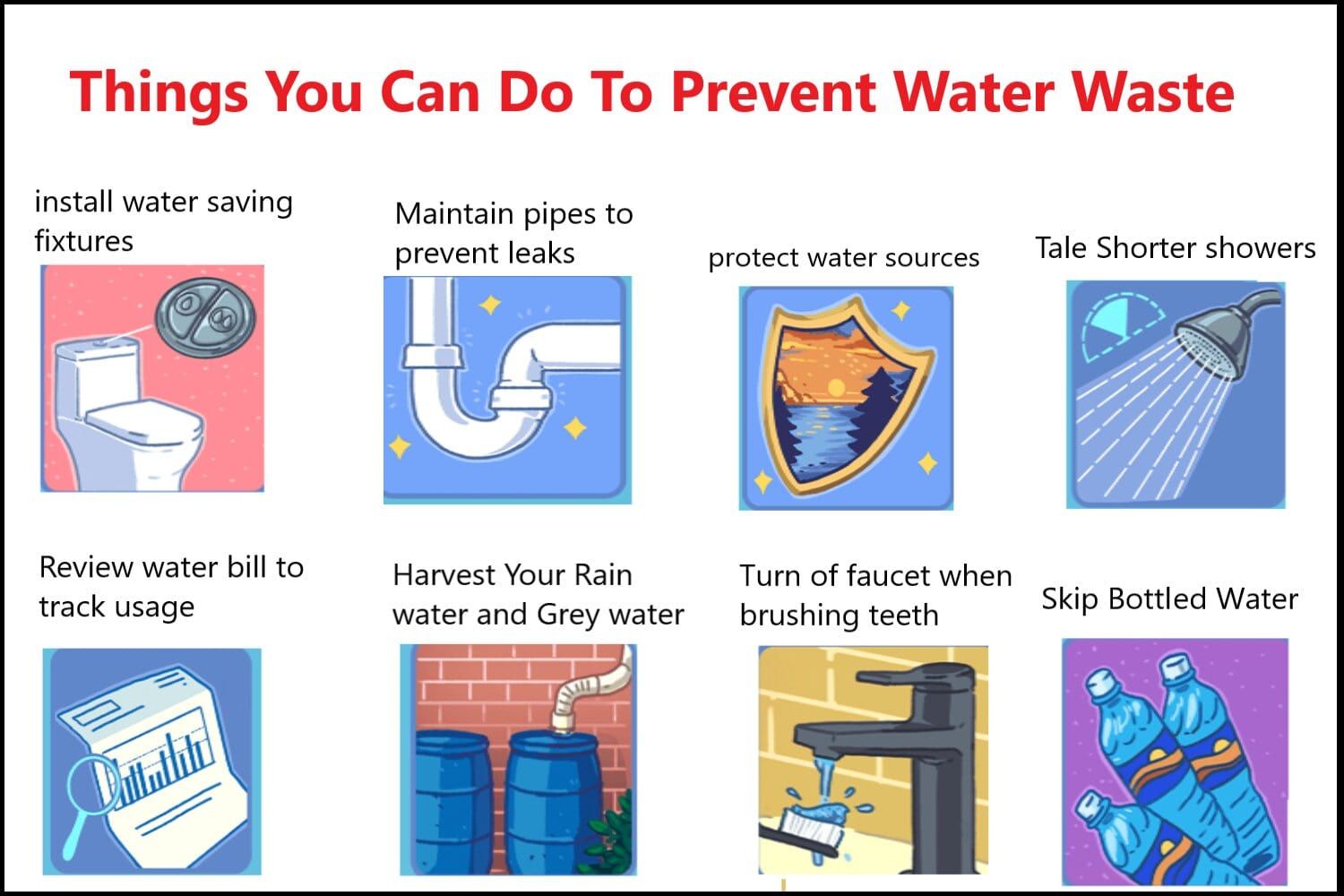
Prevention beats cure, and this couldn’t be truer when it comes to shower pressure. Start by installing a water softener if you live in an area with hard water – this prevents mineral buildup in the first place. Consider upgrading to a high-efficiency showerhead that’s designed to resist clogging. Regularly test your water pressure using a simple gauge, which can alert you to changes before they become major problems. Keep track of when you last serviced your plumbing – a yearly check-up can catch potential issues early. Some people even install pressure-balancing valves to maintain steady flow even when other fixtures are used. Making these proactive moves can save you from the frustration of sudden pressure loss and the cost of emergency repairs.
Quick Fixes for Immediate Relief
Sometimes you need a fast solution. If you’re in a hurry and your shower pressure is terrible, try these immediate fixes. Turn off all other water sources in the house – this concentrates water flow to your shower. Check that your showerhead isn’t blocked by debris or hair. If you have a diverter, make sure it’s fully engaged. Try turning your shower to its highest setting for a few seconds to clear any air pockets. You can also temporarily remove and clean your showerhead while the water is still running. These temporary measures won’t solve the root problem, but they can provide relief until you can address the underlying issue. Remember, if you’re dealing with a persistent problem, these tricks are just band-aids on a deeper wound.
Maintaining good shower pressure doesn’t require a master’s degree in plumbing. With a bit of awareness, regular maintenance, and knowing when to seek help, you can keep your showers flowing smoothly. Most pressure issues stem from simple causes like mineral buildup or clogged components, which means they’re usually fixable without calling a professional. The key is staying observant and taking action early. Whether it’s a quick cleaning or a more involved system check, addressing these problems head-on will ensure that your daily shower routine remains as enjoyable as it should be. After all, nobody wants to waste precious morning time dealing with a disappointing shower experience.