Picture this: you’re washing dishes, your faucet running at full blast, when suddenly you notice something odd. The water seems to be flowing like a waterfall instead of a gentle stream. What if I told you there’s a simple solution that could cut your water usage by up to 50%? It’s not some high-tech gadget or expensive system. It’s right there on your sink, waiting to be installed.
Every day, millions of gallons of water flow down our drains without a second thought. Yet many of us never consider how much we’re actually using or how we might be conserving more. Imagine walking into a kitchen and seeing every faucet equipped with a small device that makes water flow more efficiently. That’s exactly what aerators do – they’re tiny devices that mix air with water to create a steady, powerful stream while dramatically reducing water consumption. These aren’t just fancy gadgets for environmentally conscious homeowners. They’re practical solutions that make sense for anyone looking to save money and protect our planet’s precious resources.
What Exactly Are Faucet Aerators?
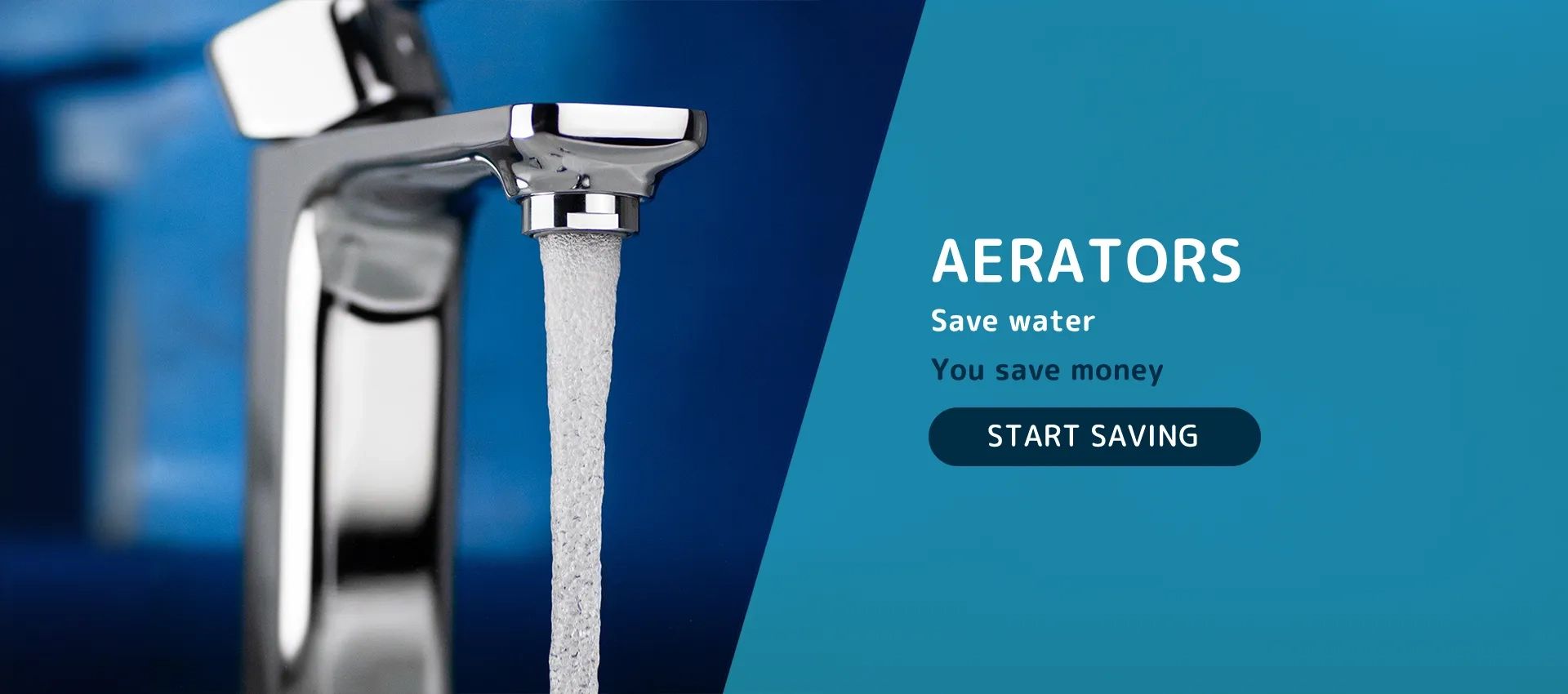
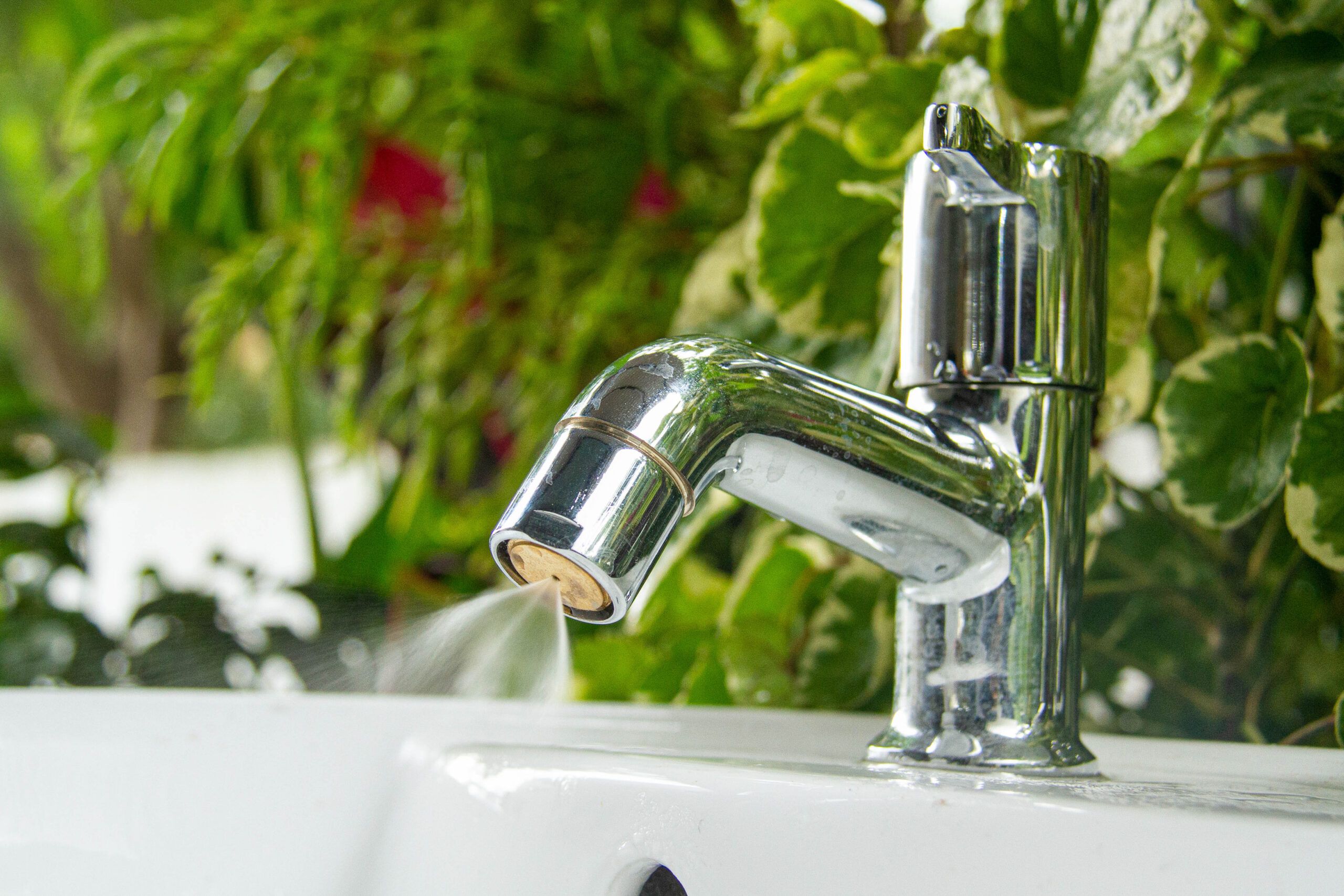
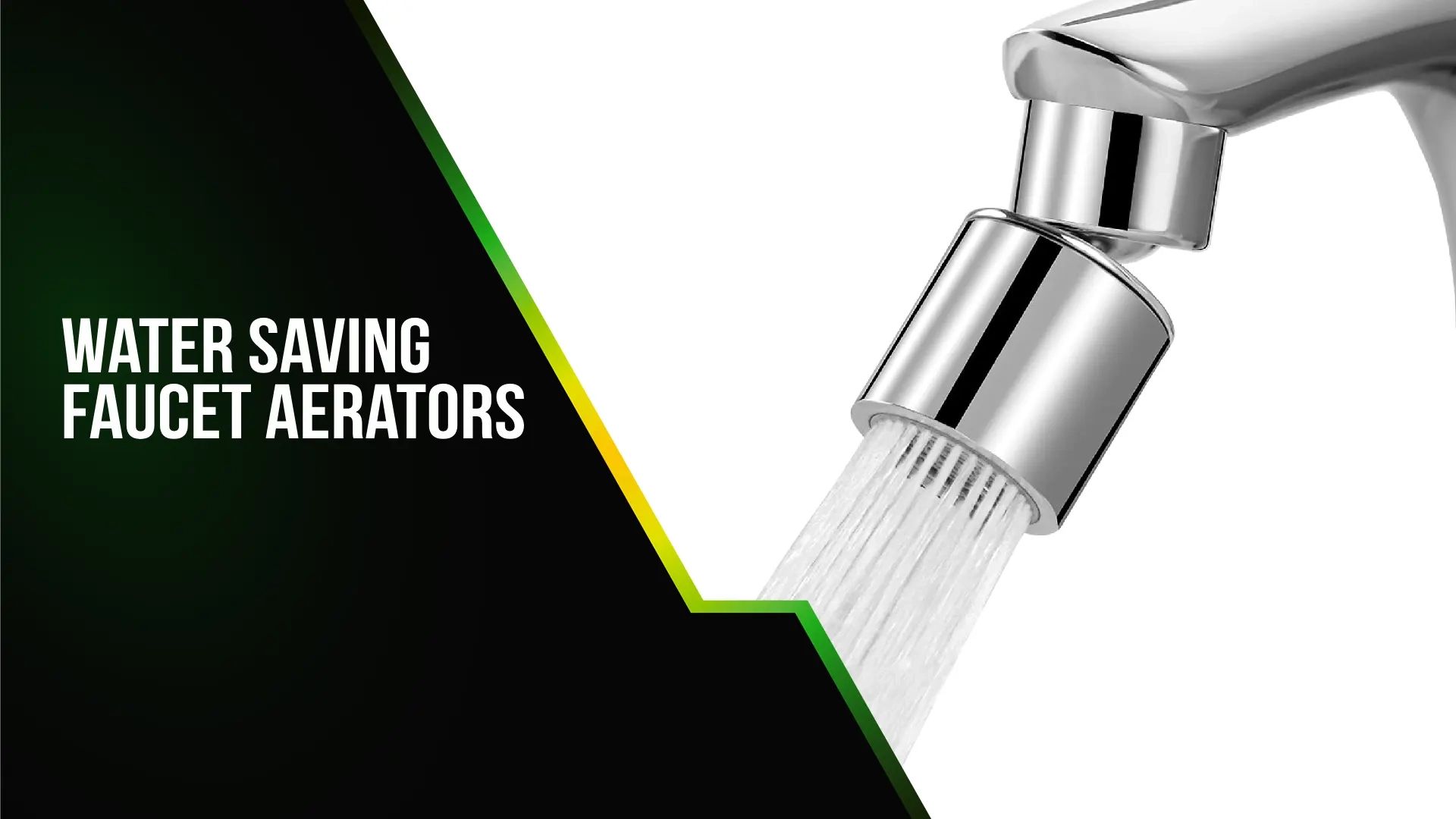
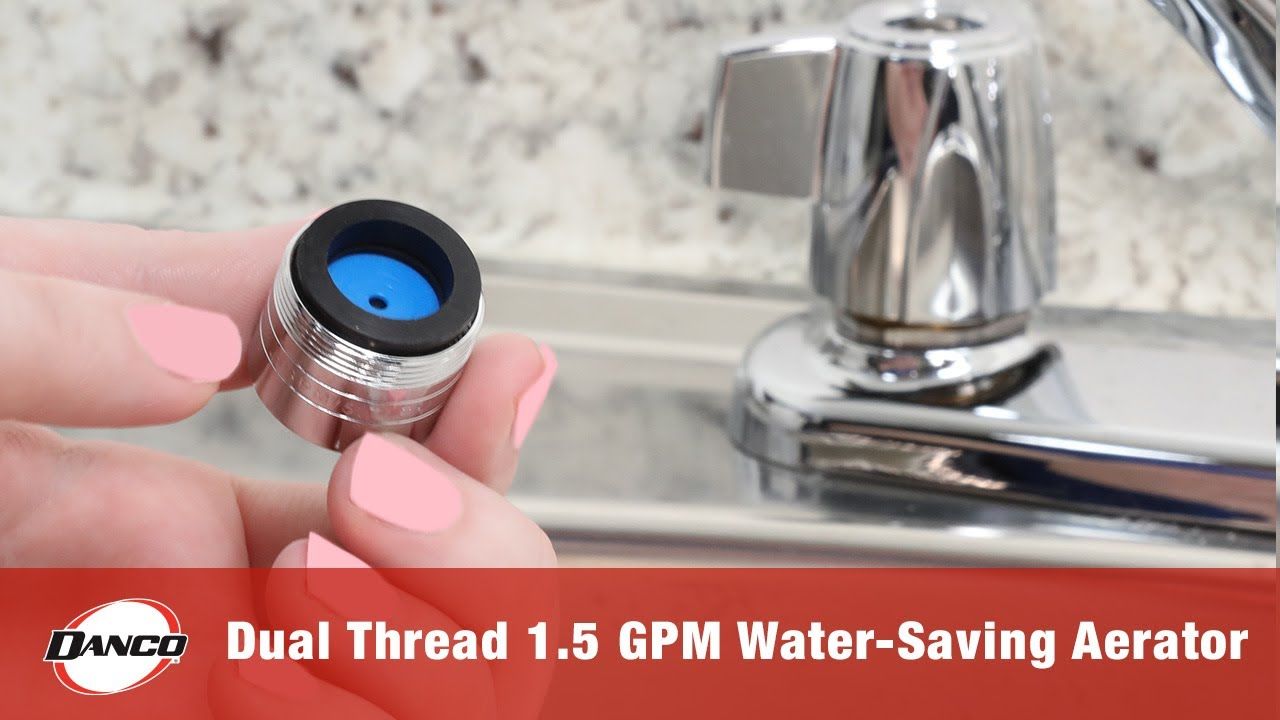
Aerator is the name given to that small, often overlooked component that sits at the tip of your faucet. Think of it as a filter that transforms your water flow. These little devices work by mixing air with water before it reaches your sink. This mixture creates a consistent spray pattern that feels just as strong as a regular stream but uses significantly less water. The technology isn’t new – it’s been around for decades – but it’s still one of the most cost-effective ways to improve water efficiency in homes and businesses. You can find aerators in various styles and sizes, from basic models to premium options with special features like adjustable flow rates or self-cleaning mechanisms.
The Real Impact on Water Usage
Here’s where things get interesting. A standard faucet without an aerator typically flows at 2.2 gallons per minute. When you install a low-flow aerator, that drops to about 1.5 gallons per minute. That may sound like a small difference, but it adds up quickly. If you use your kitchen faucet for 10 minutes each day, you’re using 22 gallons daily without an aerator versus just 15 gallons with one. Over a month, that’s nearly 200 gallons saved. Consider a family of four using faucets for 45 minutes total each day. Without aerators, they’re wasting about 300 gallons monthly. With aerators, that number drops to roughly 200 gallons. The math speaks for itself, and the savings are substantial.
Cost-Effective Water Conservation
The best part? Aerators are incredibly affordable. Most cost between $2 and $15, depending on quality and features. You might think that’s a small amount compared to the potential savings, but let’s break it down. If your water bill averages $50 monthly and you save 100 gallons of water, that’s roughly $2.50 saved each month. For a household with six faucets, that’s $15 saved monthly. Over a year, that’s $180 in savings. Many utility companies offer rebates for installing water-efficient fixtures, which can offset the initial cost even faster. Plus, they last for years, so the investment pays dividends well beyond the first year.
Easy Installation Process
Installing aerators is remarkably simple. Most come with instructions that require no special tools. You’ll typically unscrew the old aerator (if present) and screw on the new one. Some models have threading that requires a wrench, but even those are straightforward. The process takes about five minutes per faucet. Many people do it themselves during a quick home maintenance session. For those who prefer professional installation, it’s usually a quick job that costs under $20 per faucet. The time investment is minimal, but the return on investment is substantial. You don’t need to be a plumber to handle this task – it’s designed for homeowners to tackle easily.
Types of Aerators Available
Not all aerators are created equal. There are several types to choose from based on your needs:
• Standard aerators: These are basic models that reduce flow rate effectively.
• High-performance aerators: These provide excellent water pressure while maintaining low flow.
• Adjustable aerators: These let you control the flow rate according to your preference.
• Self-cleaning aerators: These prevent mineral buildup and clogging.
• Low-flow aerators: Designed specifically for maximum water conservation.
Each type offers different benefits, so choosing depends on your priorities. If you want maximum water savings, go with low-flow options. If you prioritize water pressure, look for high-performance models. The variety ensures everyone can find something suitable for their situation.
Environmental Benefits Beyond Savings
The environmental impact extends far beyond personal savings. Every gallon of water conserved means less strain on local water supplies, especially important during droughts. It also reduces the energy needed to heat water, which cuts down on greenhouse gas emissions. When you install aerators throughout your home, you’re participating in a larger movement toward sustainable living. Think about it – if every household in your city installed aerators, the collective impact would be enormous. It’s a small change that creates ripple effects across communities and ecosystems. You’re not just saving money; you’re helping preserve natural resources for future generations.
The next time you turn on a faucet, take a moment to appreciate the simple innovation that’s already working for you. Aerators represent one of the most accessible ways to improve water efficiency in your home. They’re affordable, easy to install, and deliver measurable results. Whether you’re trying to reduce your monthly bills, contribute to environmental protection, or simply make smart choices about resource use, aerators offer a straightforward path forward. The truth is, you don’t need to overhaul your entire plumbing system to make a meaningful impact. Sometimes the smallest changes create the biggest differences. Why not start with something as simple as a faucet aerator? You’ll likely be surprised by how much water you save – and how much you’ll enjoy the process of making your home more efficient.