Picture this: you’re standing in your garden, surrounded by lush greenery, healthy soil, and thriving plants. No plastic containers, no synthetic fertilizers, just pure, natural growth. It’s possible, and it’s better for you, your family, and our planet. This isn’t just a dream – it’s a realistic, achievable way to garden that’s both environmentally friendly and incredibly rewarding.
Every year, millions of tons of plastic end up in our landfills, and much of it comes from gardening practices we take for granted. From plastic pots to synthetic fertilizers, from pesticide sprayers to mulch bags, our gardens often contribute to environmental problems rather than solving them. But what if you could grow your garden without adding to this plastic burden? What if you could create a thriving ecosystem that works with nature instead of against it? That’s exactly what sustainable gardening aims to accomplish – creating beautiful, productive gardens while protecting the environment.
Why Plastic-Free Gardening Matters
The problem with plastic in gardening goes far beyond just littering. When you use plastic pots, they often end up in landfills after just a few seasons. These items can take hundreds of years to decompose, leaching chemicals into soil and water systems along the way. Many plastic products also contain harmful substances like BPA or phthalates that can affect plant health and even enter the food chain. Think about it – you’re trying to grow healthy food, but using materials that might harm the very earth that nourishes your plants. It’s like trying to build a house with bricks that slowly poison the foundation. The good news is that there are many alternatives that work just as well, if not better. Sustainable gardening isn’t just about avoiding plastic – it’s about creating a system that supports natural processes and biodiversity. When you choose eco-friendly options, you’re not just helping the planet today, but you’re also setting up future generations to have access to healthy soil and clean growing conditions. Plus, many of these methods actually cost less over time, save you from buying replacement containers, and often produce better results because they work with nature’s rhythms rather than against them.
Smart Container Alternatives
Let’s start with something simple but impactful: containers. Plastic pots are everywhere, but they’re not the only option. Consider repurposing old items you already have around the house. Mason jars, glass bottles, and even old buckets can make excellent planters when properly prepared. For larger projects, wooden planters offer a beautiful, biodegradable alternative. They’ll weather naturally over time, adding character to your garden while eventually returning to the earth. You can also try fabric pots made from breathable materials that promote healthy root development. These are especially great for vegetables and herbs. Another creative approach is to build raised beds using untreated lumber or even recycled materials like old pallets. The key is to ensure whatever you use is safe for plants and won’t leach harmful substances. For those who prefer traditional pots, look for options made from terracotta, ceramic, or even recycled materials. Many companies now offer biodegradable pots made from coconut coir or paper that break down naturally over time. Some gardeners swear by their homemade planters made from recycled milk jugs or even old tires, though the latter requires careful consideration of potential chemical leaching. The beauty of these alternatives is that they often provide better drainage and air circulation than plastic containers, leading to healthier plants overall.
Natural Soil Amendments and Fertilizers
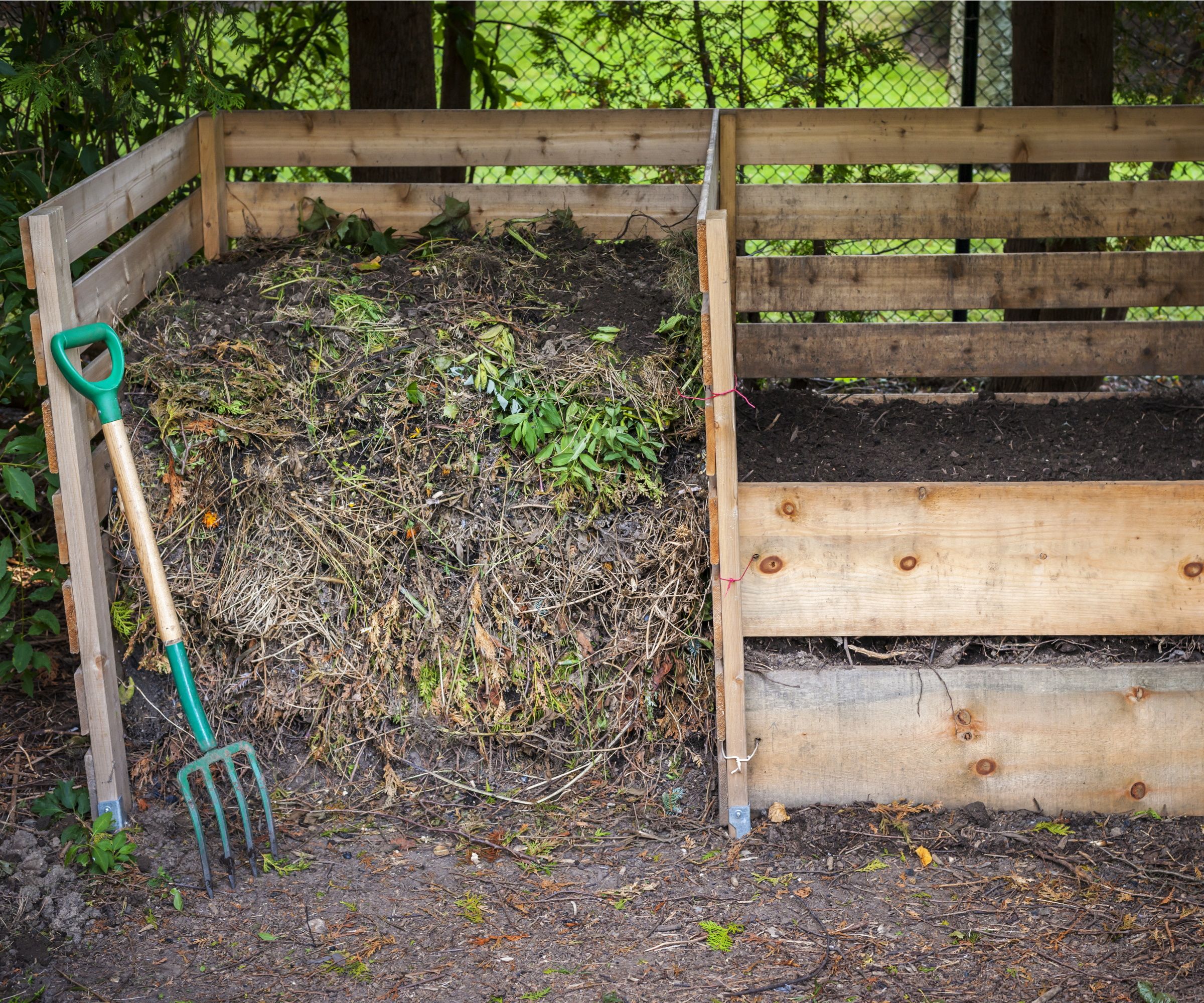
Plastic packaging for fertilizers and soil amendments is another major source of waste in gardening. But guess what? You can create rich, fertile soil right in your backyard using simple, natural ingredients. Composting is perhaps the most powerful tool in sustainable gardening. Kitchen scraps, yard waste, and organic matter can be transformed into nutrient-rich compost that feeds your plants naturally. Start small with a simple pile or bin, and watch how it grows. Other natural options include aged manure, compost tea, and organic fertilizers made from natural minerals. Coffee grounds, eggshells, and banana peels can all be used directly in your garden or compost pile. These additions provide essential nutrients while improving soil structure. Many gardeners find success with seaweed-based fertilizers or kelp meal, which are readily available in natural food stores. For those who want to get really creative, consider making your own organic fertilizer using ingredients like fish emulsion or bone meal. These natural approaches not only reduce plastic packaging waste but also create healthier soil ecosystems that support beneficial microorganisms and insects. The result is often more resilient plants that require fewer external inputs and produce better yields.
Water Conservation Strategies
Water efficiency is crucial in sustainable gardening, and it’s where plastic irrigation systems often come into play. Traditional plastic hoses and sprinklers can be replaced with much more efficient alternatives. Rain barrels are a fantastic investment – they collect rainwater that you can use during dry periods without relying on municipal water supplies. Many gardeners find that simply installing a basic rain barrel saves hundreds of gallons of water each season. Drip irrigation systems, whether made from recycled materials or built DIY, deliver water directly to plant roots where it’s needed most. This method reduces waste and helps prevent fungal diseases that can occur with overhead watering. Mulching plays a huge role in water conservation too. Organic mulches like straw, wood chips, or shredded leaves help retain moisture in the soil, reducing the frequency of watering needed. Some gardeners even use unconventional materials like crushed eggshells or coffee grounds as mulch. The key is choosing materials that will decompose naturally and add nutrients to the soil. Watering early in the morning or late in the evening minimizes evaporation, making every drop count. You can also install a simple timer on your hose to prevent overwatering, which is one of the biggest problems gardeners face. These strategies not only conserve water but also help plants develop deeper root systems that are more drought-resistant over time.
Pest Control Without Chemical Sprays
One of the biggest challenges in sustainable gardening is managing pests without resorting to plastic spray bottles filled with synthetic pesticides. The good news is that nature provides many solutions. Companion planting is a classic technique where certain plants are grown together to naturally repel pests. Marigolds, for instance, are famous for keeping nematodes away from tomato plants. Basil planted near tomatoes can help ward off aphids and flies. Herbs like rosemary and thyme are excellent natural pest deterrents. Beneficial insects also play a crucial role. Attracting ladybugs, lacewings, and praying mantises can help control aphid populations naturally. You can do this by planting flowers like cosmos, dill, or fennel that provide nectar and habitat for these helpful creatures. Physical barriers like row covers made from natural materials can protect crops without using plastic. Handpicking pests is surprisingly effective for small gardens, and it’s satisfying to see the results. Natural sprays made from ingredients like neem oil, garlic, or soap can be effective against many common garden pests. These are usually available in reusable bottles, and many gardeners make their own using simple ingredients from their kitchen. The key is to observe your garden regularly and address problems before they become serious. Often, the best pest management is prevention through healthy soil, proper plant spacing, and diverse plantings that confuse pests and encourage beneficial insects.
Building Long-Term Sustainability
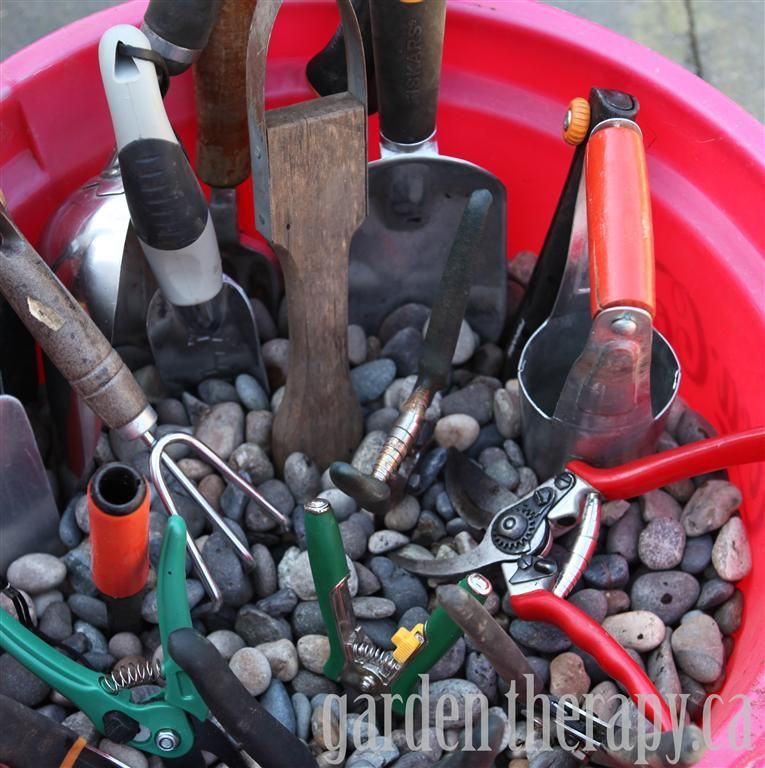
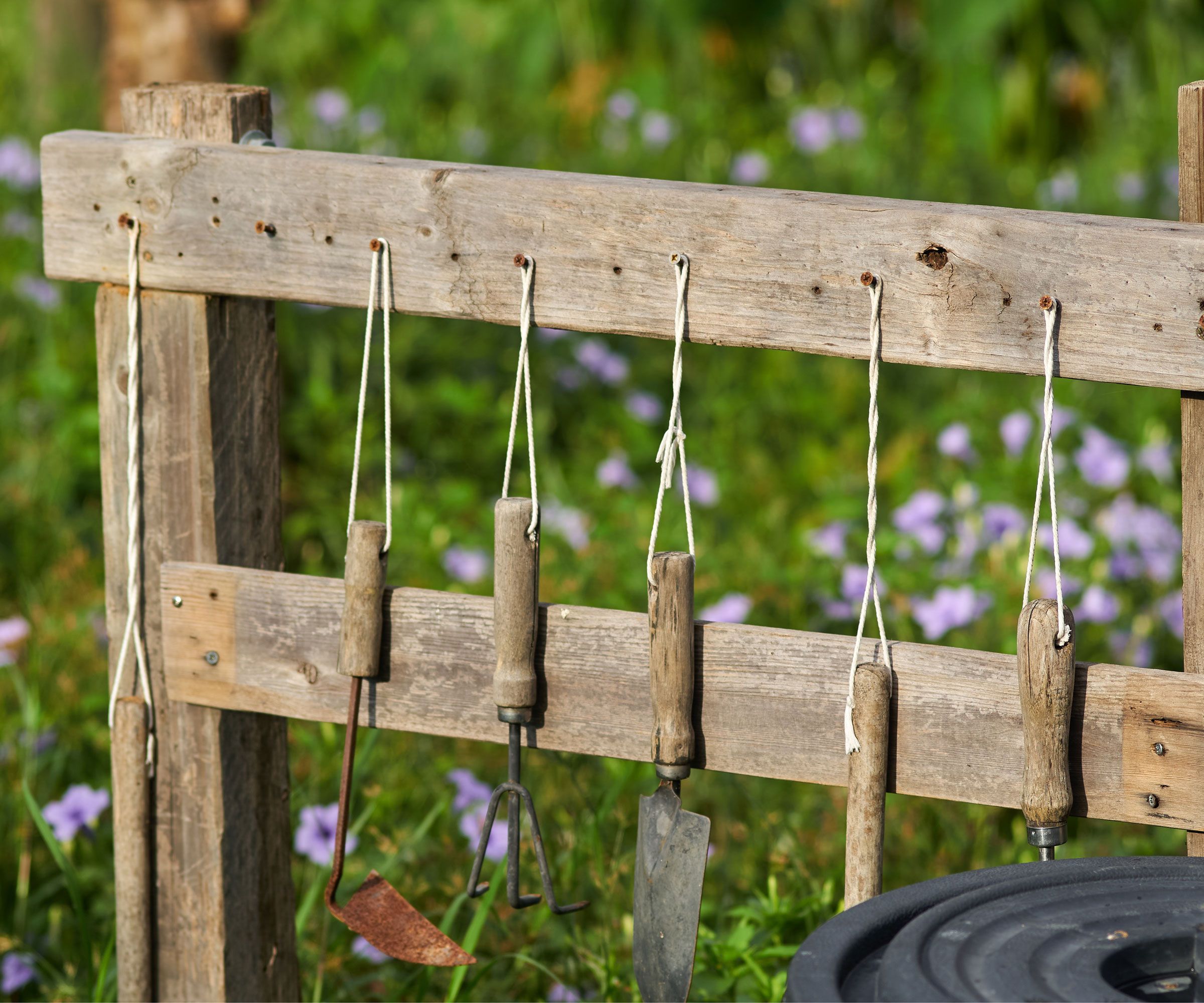
Creating a truly sustainable garden is about thinking beyond individual actions and considering the bigger picture. Start by planning your garden with long-term sustainability in mind. Choose plants that are well-suited to your local climate and soil conditions, which means they’ll need fewer inputs and be more resilient. Save seeds from your best plants each year, creating a living collection that adapts to your specific growing conditions over time. This practice reduces reliance on commercial seed companies and their plastic packaging. Practice crop rotation to maintain soil health and prevent disease buildup. This ancient technique helps break pest cycles and keeps soil nutrients balanced naturally. Consider creating a small composting system that fits your space and lifestyle. Even a small bin in a corner of your yard can make a big difference. Invest in quality tools made to last rather than cheap plastic ones that need replacing every few years. Many gardeners find that their best tools are often decades old and still working perfectly. Finally, remember that sustainable gardening is a journey, not a destination. It’s okay to experiment, make mistakes, and learn from them. The most important thing is starting somewhere and building gradually toward a more eco-friendly approach. Your garden will become a reflection of your values, and that’s something worth celebrating.
Sustainable gardening without plastic waste isn’t just an idealistic dream – it’s a practical reality that’s becoming more accessible every day. By making thoughtful choices about containers, soil amendments, water usage, pest management, and long-term planning, you can create a garden that thrives while protecting the environment. The beauty of this approach is that it often leads to healthier plants, lower costs, and a deeper connection to the natural world. Every small step you take toward sustainability matters. Whether it’s using a repurposed container, composting kitchen scraps, or simply choosing organic fertilizers, you’re contributing to a larger movement toward environmental responsibility. The garden you create today will not only feed your family and beautify your space, but it will also serve as a model for others in your community. So roll up your sleeves, get your hands dirty, and start building that plastic-free garden that will benefit you, your family, and the planet for years to come. After all, isn’t that what gardening is all about?