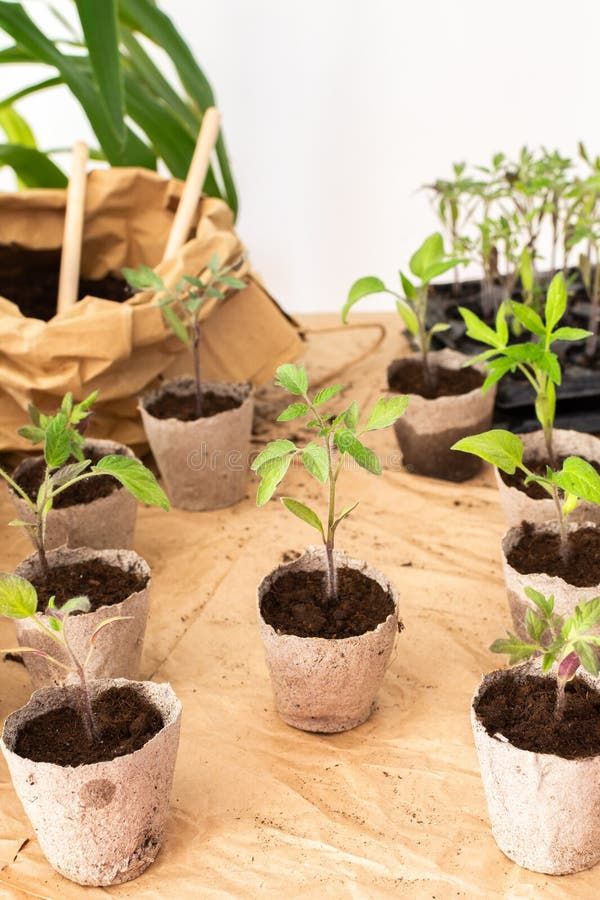
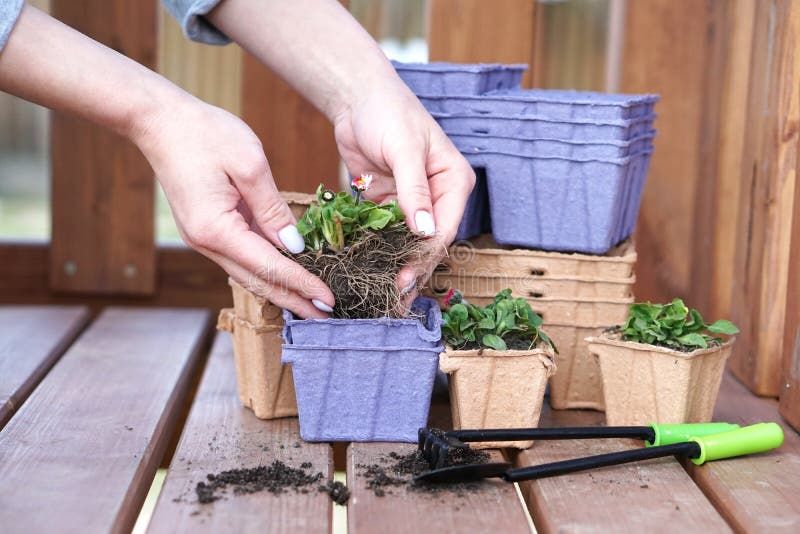
Picture this: you’re standing in your garden, seedlings poking through the soil, ready to grow into beautiful plants. But wait – what if those little containers they’ve been growing in could disappear into the earth instead of ending up in a landfill? That’s exactly what biodegradable seedling trays promise to deliver.
Gardening isn’t just about nurturing plants – it’s also about taking care of our planet. Every year, millions of plastic seedling trays end up in landfills, contributing to the growing problem of plastic pollution. But there’s good news. Innovative gardeners and environmentalists have found ways to make gardening more sustainable without sacrificing plant health or growth outcomes. These solutions involve replacing traditional plastic trays with biodegradable alternatives that naturally break down when planted in the ground. It’s a small change with big implications for both gardeners and the environment.
Why Traditional Plastic Trays Are a Problem
Plastic seedling trays have dominated the gardening world for decades. They’re cheap, durable, and convenient. But they come with a hidden cost. These trays typically last for one or two growing seasons before they’re discarded. In the United States alone, over 1 billion plastic seedling trays are thrown away each year. That’s a staggering number.
The environmental toll is significant. Plastic trays take hundreds of years to decompose, and during that time, they can leach harmful chemicals into soil and groundwater. When they do finally break down, they fragment into microplastics that contaminate ecosystems. Many gardeners never even consider what happens to these trays after use. It’s easy to forget that every item we buy and discard has an environmental footprint.
What Makes a Tray Truly Biodegradable
Not all biodegradable trays are created equal. The key is understanding what materials are used and how they break down. True biodegradable trays are made from organic matter like peat moss, coconut coir, or recycled paper products. These materials naturally decompose within months when exposed to soil conditions.
Some common materials include:
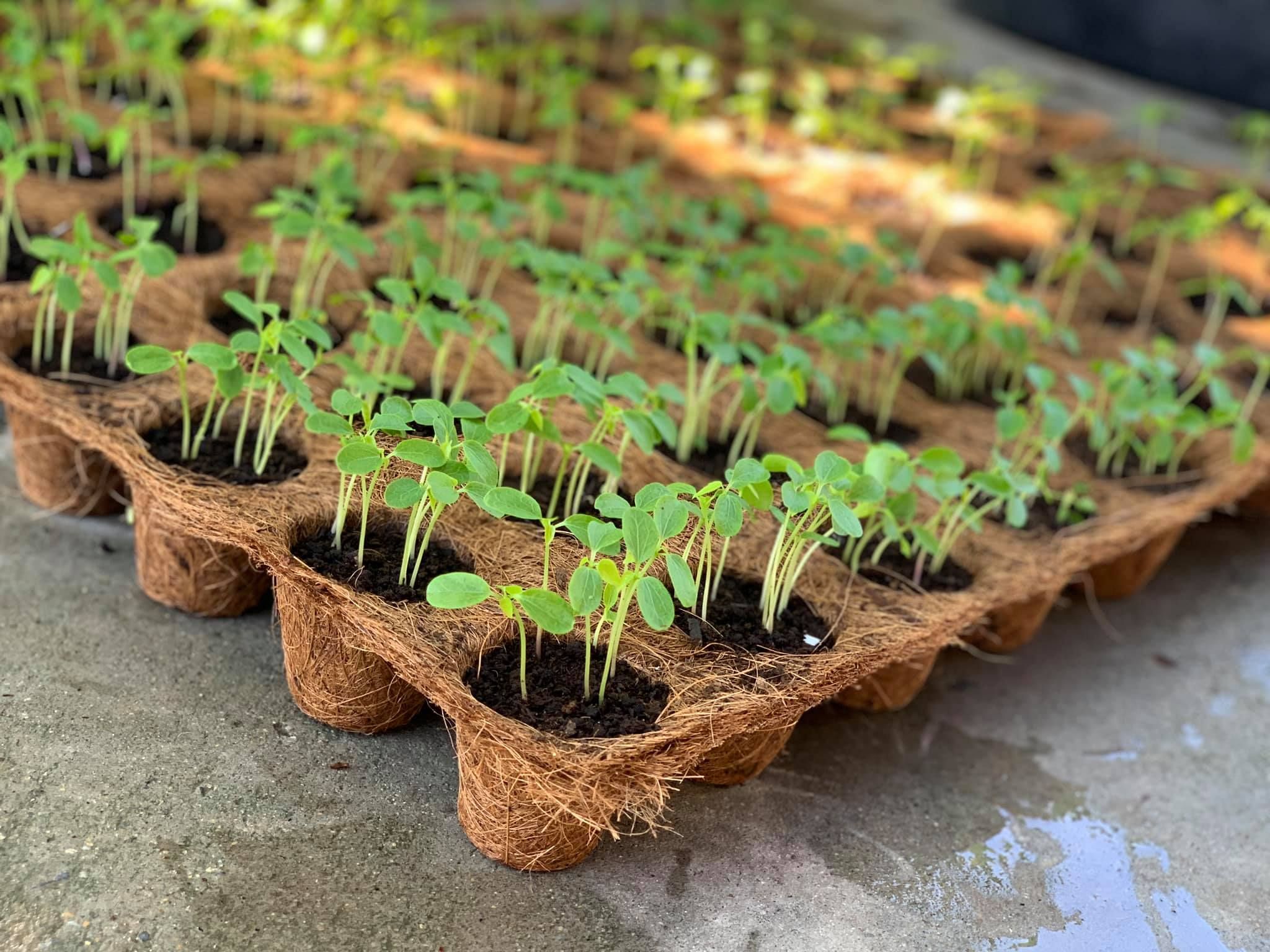
• Coconut coir – derived from coconut husks, very durable yet fully compostable
• Peat moss – renewable resource that breaks down quickly
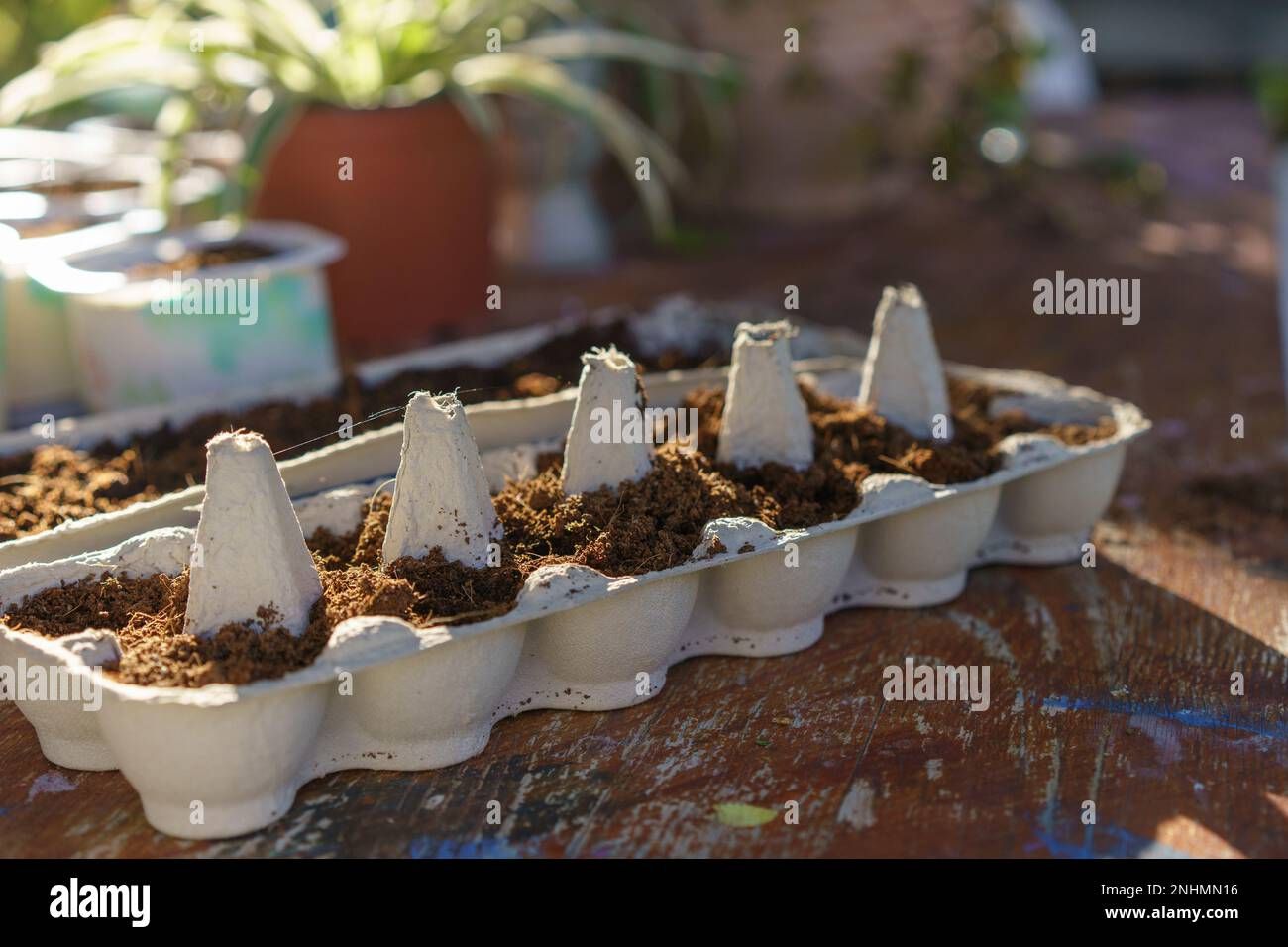
• Recycled newspaper – turned into strong, biodegradable sheets
• Wheat straw – agricultural waste repurposed into trays
• Starch-based plastics – made from corn or potato starch
These alternatives aren’t just better for the environment – they often provide better conditions for seedling growth too. The organic materials naturally feed the developing roots as the tray breaks down.
Real-World Benefits for Gardeners
Let’s talk about what happens when gardeners actually switch to biodegradable trays. The advantages go beyond just being environmentally friendly.
First, there’s less mess and cleanup involved. You don’t have to carefully remove seedlings from trays and transplant them into larger pots. The entire tray can go directly into the ground, saving hours of work.
Second, many gardeners report better root development. Since the trays break down naturally, roots aren’t restricted by plastic walls and can spread out more freely. This leads to stronger, healthier plants.
Third, there’s a noticeable reduction in transplant shock. When you move a seedling from a plastic tray to soil, it experiences stress. With biodegradable trays, that transition is seamless.
Many experienced gardeners swear by these trays, especially for starting seeds indoors. The process becomes simpler, faster, and more satisfying.
Popular Types of Biodegradable Trays Available
The market for biodegradable seedling trays has exploded in recent years. Here are some of the most popular options:
• Peat moss trays – traditional and reliable, though some environmentalists question peat harvesting practices
• Coconut coir trays – increasingly popular due to their sustainability and excellent water retention properties
• Recycled paper trays – made from post-consumer waste, very affordable
• Wheat straw trays – made from agricultural byproducts, excellent for large-scale operations
• Starch-based trays – newer technology, very promising for commercial use
Each type offers different benefits. Some are better suited for indoor seed starting, while others work well for outdoor planting. Price ranges vary significantly, from budget-friendly paper trays to premium coconut coir options. Most garden centers now carry several varieties.
How to Choose the Right Biodegradable Tray for Your Needs
Choosing the right biodegradable tray depends on several factors:
Consider your climate – trays that break down quickly may not be ideal in dry climates
Think about your garden size – small home gardens might prefer paper trays, while larger operations might need more durable options
Look at your budget – while initial costs might be higher, the savings from reduced labor and better plant health often make up for it
Check compatibility with your existing setup – some trays work better with specific seed starting systems
Most importantly, don’t overlook the quality of the product. Look for trays that are sturdy enough to hold soil and water without breaking apart prematurely. The material should be free from harmful chemicals that could affect plant growth. Reading reviews from other gardeners can be incredibly helpful.
Tips for Successful Transition to Biodegradable Trays
Switching to biodegradable trays requires a few adjustments to your usual gardening routine:
Start small – try one tray type first to see how it works for your specific plants
Keep extra trays on hand – they tend to break down faster than plastic ones, so you may need more
Water appropriately – some biodegradable materials absorb water differently than plastic
Plant carefully – make sure the trays are completely buried when planting to prevent animals from digging them up
Don’t expect immediate results. It takes time to get used to the new system, but most gardeners find the benefits outweigh the learning curve. Many gardeners also discover they save money over time, as they no longer need to purchase replacement trays each season.
Biodegradable seedling trays represent more than just a trendy eco-friendly option – they’re a practical solution that makes gardening better for everyone. Whether you’re a seasoned gardener or someone just starting out, switching to these alternatives can improve your results while protecting the environment. The investment in better trays pays off in healthier plants, less time spent on cleanup, and a cleaner planet. Plus, it’s satisfying to know that every seedling you grow will eventually become part of the earth rather than another piece of plastic waste. The future of gardening is looking greener, one tray at a time.