In 2025, gardeners across the globe are turning away from traditional chemical solutions and embracing a new era of sustainable gardening. It’s not just a trend—it’s a fundamental shift in how we approach our outdoor spaces. The rise of eco-friendly hand weeders represents more than just a tool change; it’s a movement toward environmental consciousness and personal health awareness.
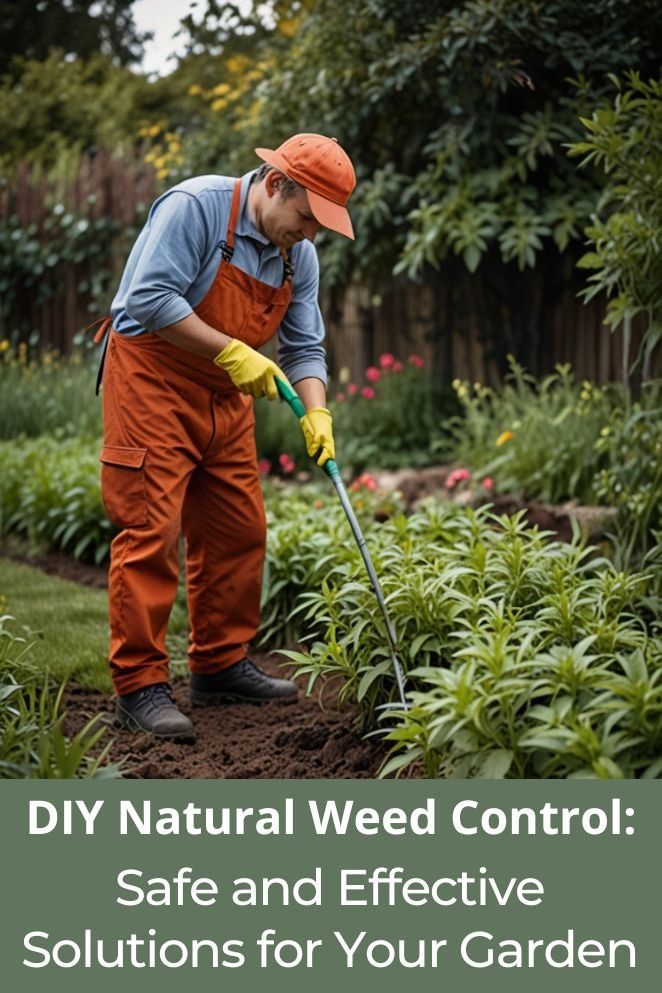
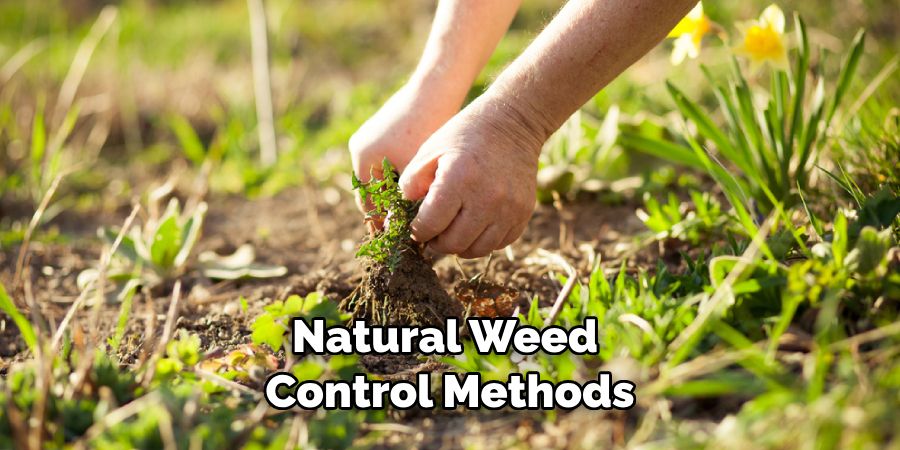
Picture this: a sunny morning in late spring, and you’re kneeling in your garden, gently pulling weeds by hand. No harsh chemicals, no noisy machinery, just pure connection with nature. This scene might seem like a throwback to simpler times, but it’s actually at the heart of a major gardening revolution happening right now. As we move deeper into 2025, something remarkable is happening in the world of gardening—people are discovering that they don’t need expensive machines or dangerous chemicals to keep their gardens thriving. Instead, they’re finding that simple, eco-conscious tools like hand weeders offer a better way forward. These aren’t just garden accessories anymore; they’re symbols of a broader cultural shift toward sustainability and mindful living. What started as a niche interest is now becoming mainstream, driven by practical benefits, environmental concerns, and a desire for healthier outdoor experiences.
What Makes a Hand Weeder Eco-Friendly?
Eco-friendly hand weeders aren’t just about being made from sustainable materials—they’re about reducing environmental impact throughout their entire lifecycle. Traditional weeders often come with plastic handles that end up in landfills, or they’re made from metals that require energy-intensive manufacturing processes. The most environmentally conscious hand weeders use recycled materials, biodegradable components, and designs that minimize waste. Some manufacturers are using bamboo, which grows rapidly and requires minimal resources, while others incorporate recycled aluminum or even reclaimed wood. The real magic happens when these tools are designed for longevity, reducing the need for frequent replacements. A well-made eco-friendly weeder can last decades, whereas conventional plastic versions might break after a few seasons. Think about it—every time you use an eco-friendly weeder instead of spraying chemicals, you’re making a choice that protects soil health, water systems, and local wildlife habitats. The environmental footprint of these tools extends far beyond their immediate use. They don’t release harmful fumes, they don’t contribute to microplastic pollution, and they don’t require toxic manufacturing processes. Plus, many are designed to be easily repairable, extending their useful life even further.
The Health Benefits of Chemical-Free Gardening
One of the biggest reasons people are switching to eco-friendly hand weeders is the health advantages they offer. Chemical herbicides, despite their popularity, have been linked to various health concerns including respiratory issues, skin irritation, and even more serious long-term effects. When you’re working in your garden regularly, you’re constantly exposed to these substances through inhalation and skin contact. Imagine spending hours each week tending to your plants, only to potentially be exposing yourself and your family to harmful chemicals. Eco-friendly hand weeders eliminate this risk entirely. By removing weeds manually, you avoid direct contact with glyphosate, atrazine, and other synthetic compounds that have raised eyebrows among health professionals. The benefits extend beyond personal safety. When you’re not using chemicals, you’re also protecting beneficial insects, birds, and other wildlife that depend on healthy garden ecosystems. Many gardeners report feeling more energetic and less fatigued after switching to chemical-free methods. The absence of strong smells and chemical residues means a more pleasant gardening experience. Plus, there’s something deeply satisfying about knowing that the food you grow isn’t contaminated by artificial substances. The health benefits compound over time—fewer chemical exposures mean better overall wellness for gardeners and their families.
Cost-Effectiveness Over Time
While eco-friendly hand weeders might cost a bit more upfront, they offer significant savings over time. Consider this: a high-quality eco-friendly weeder costs around $20 to $40, compared to $5 to $10 for basic plastic alternatives. But here’s where it gets interesting—the eco-friendly version typically lasts 10 to 15 years, while cheaper options often need replacement every 2 to 3 years. That’s a massive difference in long-term costs. When you factor in the ongoing expenses of chemical treatments, soil amendments, and equipment maintenance, the math becomes even clearer. Chemical herbicides need regular reapplication, and soil health can deteriorate over time due to chemical exposure. Eco-friendly weeders don’t require these additional costs. They also reduce the need for expensive lawn care services since you can maintain your garden more effectively. For those with larger properties, the investment pays off quickly. Imagine saving hundreds of dollars annually on chemical treatments while also protecting your garden’s ecosystem. The economic benefits extend to reduced healthcare costs too. Fewer chemical exposures often mean fewer health-related expenses. Plus, many eco-friendly tools come with warranties and are built to be repairable, adding another layer of cost-effectiveness. The initial price tag might seem steep, but when you look at the total cost of ownership over several years, the savings become obvious.
Environmental Impact and Soil Health
The environmental impact of traditional gardening methods goes far beyond what meets the eye. Chemical herbicides don’t just target unwanted plants—they disrupt entire ecosystems. They can contaminate groundwater, harm beneficial microorganisms in soil, and affect pollinators like bees and butterflies. Eco-friendly hand weeders work with nature rather than against it. When you pull weeds by hand, you’re actually helping soil health by avoiding chemical disruption. The soil microbiome—the community of beneficial bacteria, fungi, and other organisms—remains intact. These microorganisms are crucial for nutrient cycling, water retention, and plant health. Studies show that chemical treatments can reduce beneficial soil organisms by up to 80% within a few months. In contrast, manual weeding preserves and even enhances soil biodiversity. The process also prevents soil erosion, which is a major concern in many areas. When chemicals wash away during rain, they often carry topsoil with them. Manual weeding keeps the soil structure intact. Additionally, eco-friendly weeders often have designs that minimize soil compaction, allowing better air and water penetration. This leads to healthier root development and stronger, more resilient plants. The environmental benefits stack up quickly—better air quality, cleaner waterways, and healthier wildlife habitats all result from choosing sustainable gardening practices.
Design Innovations and User Experience
Modern eco-friendly hand weeders have undergone remarkable transformations in recent years. Designers are focusing on ergonomics, comfort, and efficiency to make these tools more appealing than ever before. The handles are now crafted with better grip materials that reduce hand fatigue during extended use. Some models feature adjustable length settings, allowing gardeners to customize the tool for their height and reach. Innovative blade designs improve cutting efficiency while reducing the force needed to remove stubborn weeds. Many newer models incorporate features like anti-slip grips, shock absorption, and lightweight materials that make them comfortable to use for hours. The integration of sustainable materials hasn’t compromised performance either. Recycled aluminum blades maintain sharpness comparable to traditional steel, while bamboo handles provide durability and natural aesthetics. Some manufacturers are even experimenting with bio-based plastics that are compostable at the end of their lifecycle. User feedback has driven improvements in everything from the angle of the blade to the weight distribution. These enhancements make eco-friendly weeders more enjoyable to use than their predecessors. The learning curve is minimal, and the satisfaction of using a tool that aligns with your values adds an extra dimension to gardening. Modern designs also consider storage and portability, making them suitable for both small patios and large gardens.
Community and Cultural Shift
The rise of eco-friendly hand weeders reflects broader changes in how society views environmental responsibility. This isn’t just about individual gardening choices—it’s part of a larger cultural movement toward sustainability. Community gardens, urban farming initiatives, and neighborhood green spaces are increasingly adopting chemical-free approaches. This creates a ripple effect, influencing neighbors and friends to reconsider their own gardening practices. Social media platforms showcase successful chemical-free gardens, inspiring others to make similar changes. Local gardening clubs often organize workshops focused on eco-friendly techniques, creating networks of support and knowledge sharing. The cultural shift extends to children too—families are teaching their kids about sustainable practices early, fostering environmental consciousness. Schools are incorporating these practices into their curricula, showing students how small actions can have big impacts. The growing availability of organic seeds and natural soil amendments makes the transition easier for newcomers. This community aspect makes the change feel less isolating and more like joining a supportive group. Gardening becomes more than just a hobby—it’s a form of activism and environmental stewardship. The shared commitment to eco-friendly practices strengthens social bonds while creating positive environmental outcomes. People are discovering that their individual choices contribute to larger collective movements for change.
Practical Tips for Getting Started
Making the switch to eco-friendly hand weeders doesn’t have to be overwhelming. Start by identifying your specific needs—do you have a small patio garden or a large yard? Different tools may suit different situations. Begin with one or two quality weeders rather than buying everything at once. Look for tools with good reviews and consider the warranty offered. Many garden centers now stock eco-friendly options, so take advantage of in-person consultations. Learn proper techniques for effective manual weeding—timing is crucial. Early morning or evening work when weeds are more tender. Focus on removing the entire root system rather than just the visible portion. Consider seasonal variations in your area—some weeds are easier to pull during certain times of year. Invest in good gloves to protect your hands during the process. Keep your tools clean and maintained to ensure they continue working effectively. Remember that manual weeding takes more time initially, but becomes more efficient with practice. The key is consistency rather than perfection. Over time, you’ll develop a rhythm and technique that works for your specific garden conditions. Don’t be discouraged if some weeds prove particularly stubborn—the process itself builds strength and endurance in your gardening skills.
The rise of eco-friendly hand weeders in 2025 represents more than just a gardening trend—it’s a testament to human ingenuity and environmental awareness. As we face increasing challenges around climate change, soil degradation, and chemical contamination, the simple act of choosing sustainable tools can make a meaningful difference. These hand weeders embody a philosophy that values long-term thinking over short-term convenience. They remind us that sometimes the best solution is the most natural one. Whether you’re a seasoned gardener or someone just starting out, the benefits of eco-friendly hand weeders are clear: better health, environmental protection, cost savings, and a deeper connection with the earth. The movement toward sustainable gardening practices shows no signs of slowing down. As technology continues to evolve and new innovations emerge, we can expect even more sophisticated eco-friendly tools that make gardening easier and more enjoyable. The future of gardening looks green, and hand weeders are leading the charge toward a more sustainable, healthier way of growing our food and nurturing our outdoor spaces. Every garden that uses eco-friendly methods contributes to a larger ecological restoration effort. It’s a beautiful reminder that small changes in our daily lives can have profound impacts on the world around us.