Think about it – you’ve just installed a new shower, everything looks perfect, but then you notice a small drip. It might seem like a minor issue, but it could lead to bigger problems down the road. The secret to keeping your bathroom dry and leak-free lies in choosing the right sealing materials for your shower connections.
Water damage is one of the most common and costly issues homeowners face. A single poorly sealed connection can lead to mold growth, structural damage, and expensive repairs. That’s why understanding how to select the right sealing materials for your shower connections matters more than you might think. Whether you’re doing a DIY installation or working with a professional, getting this right from the start makes all the difference. We’ll walk through everything you need to know about choosing materials that will keep your shower watertight for years to come.
Understanding Shower Connection Types
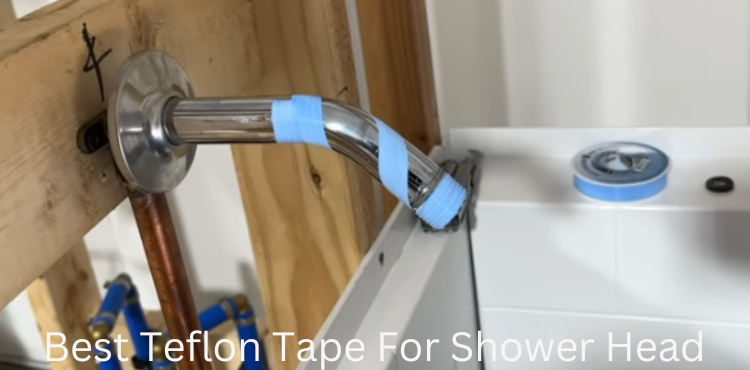
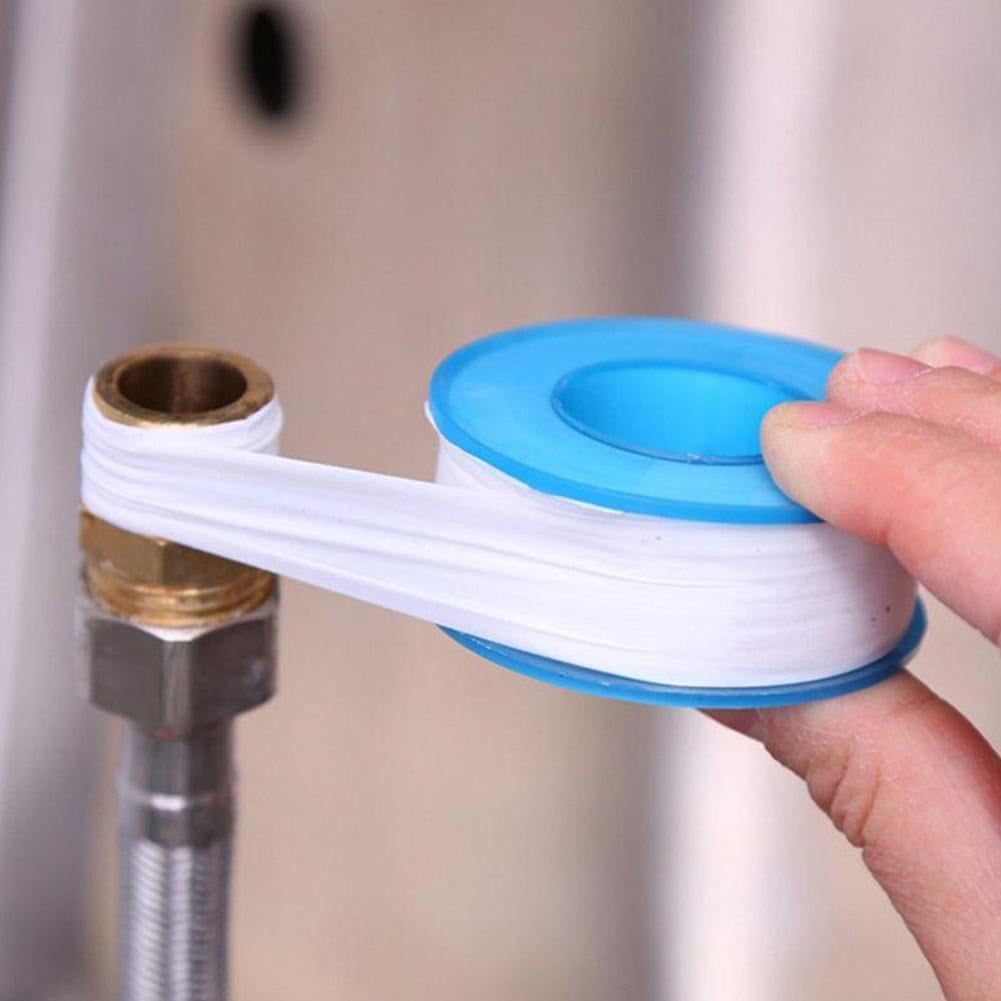
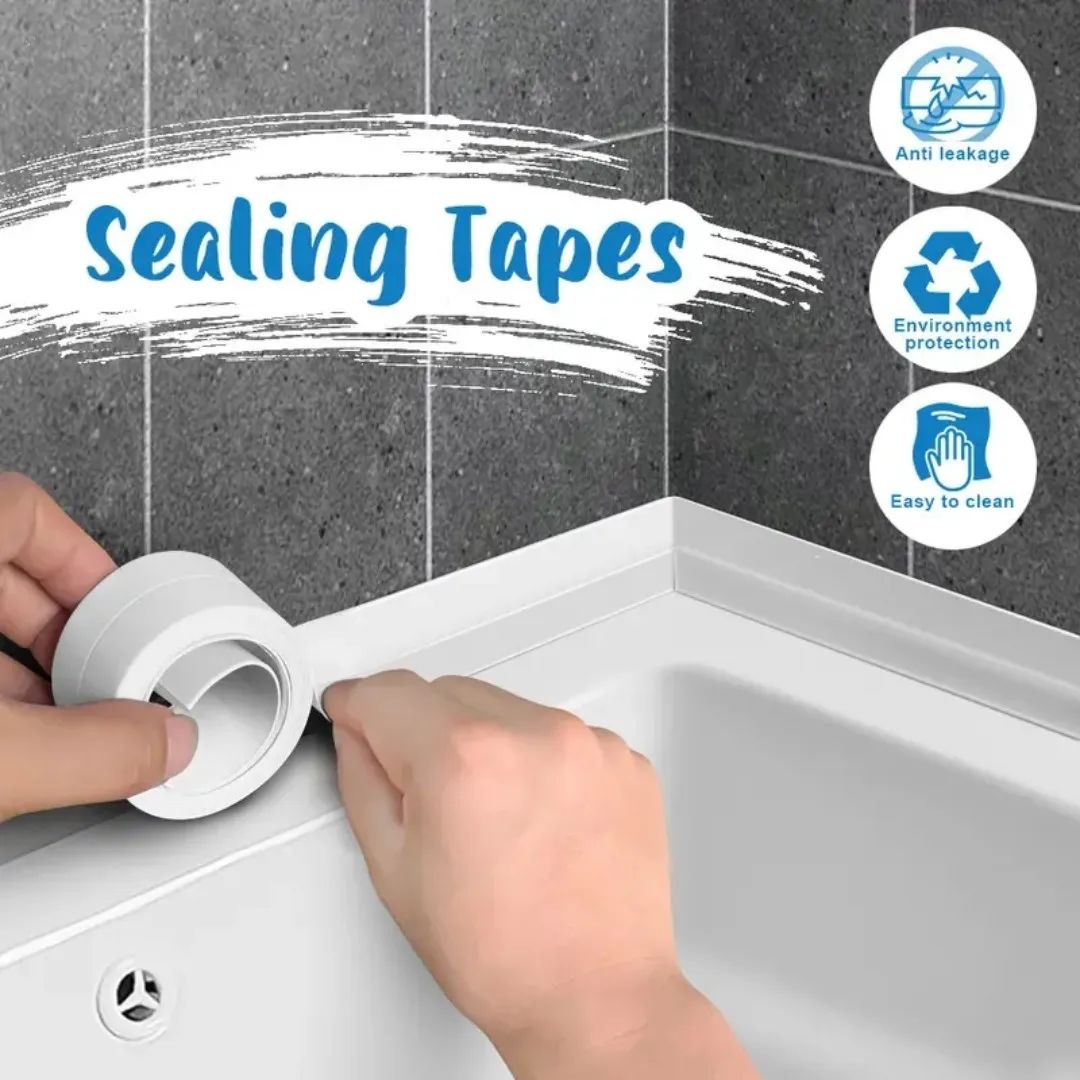
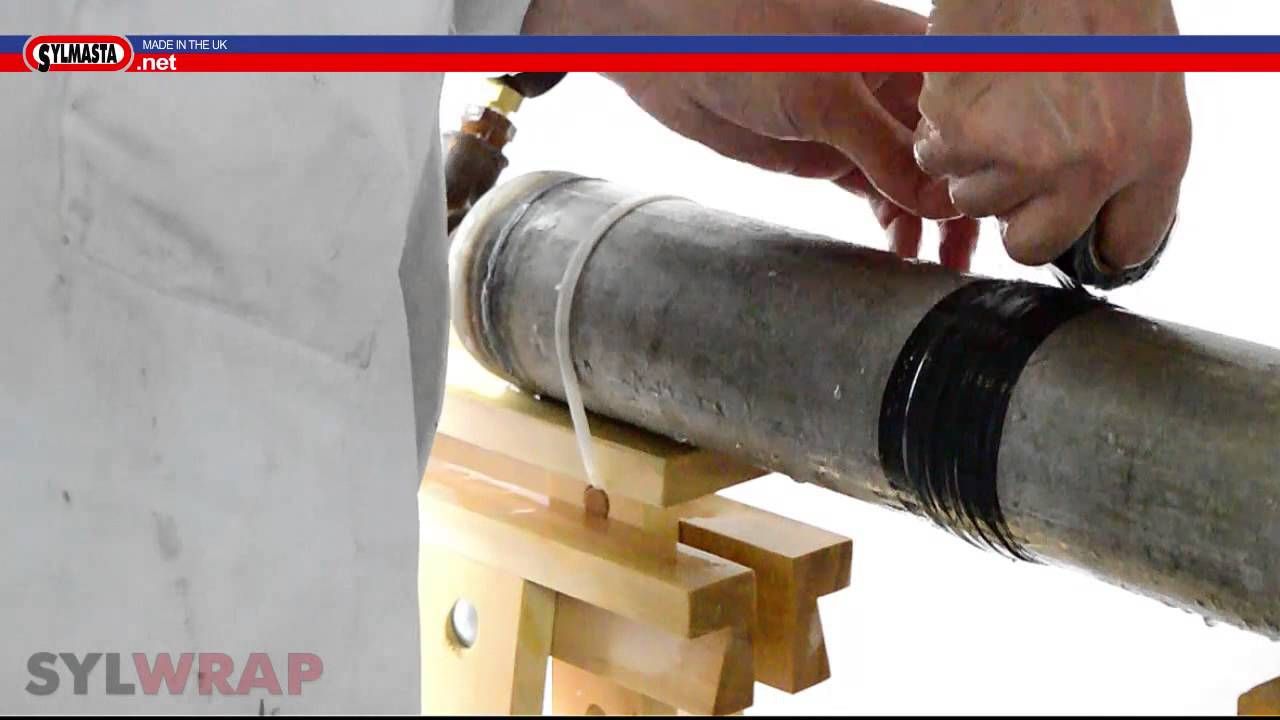
Before diving into materials, it’s important to recognize what types of connections you’re dealing with. There are several key areas where sealing is crucial. The main connections include pipe fittings, tile joints, and fixtures like faucets and showerheads. Each requires different approaches. For instance, pipe connections often need a combination of tape and paste, while tile gaps might call for flexible sealants. Understanding these differences helps determine which materials will work best for your specific situation. Some connections are more prone to movement due to temperature changes, which affects material selection significantly.
Key Material Categories Explained
Shower sealing materials fall into several broad categories, each with its own strengths. Silicone-based sealants are incredibly popular because they’re waterproof, flexible, and long-lasting. They work well in high-moisture environments and can handle temperature fluctuations. But they’re not always the best choice for all applications. Polyurethane sealants offer excellent adhesion and durability, though they take longer to cure. Acrylic sealants are easier to paint over and clean, making them ideal for visible areas. Each type has pros and cons, and knowing when to use which one can save you from future headaches. Consider the environment, surface type, and expected lifespan when making your decision.
Essential Properties to Consider
Not all sealants are created equal, and certain properties matter more than others. Flexibility is crucial because showers experience constant expansion and contraction from heat and cold. If a sealant is too rigid, it will crack and fail. Water resistance is self-explanatory but worth emphasizing – no one wants to deal with a leaking shower. Adhesion quality determines whether the sealant will stay put over time. Some materials bond better to metal, others to ceramic, and some to both. Durability and UV resistance are also important factors, especially if your shower gets direct sunlight. You should also consider the material’s ability to resist mildew and bacteria growth, particularly in humid environments.
Common Mistakes to Avoid
Many people make simple but costly errors when choosing shower sealing materials. One major mistake is using the wrong product for the job. Using regular caulk in a place that needs silicone can lead to failure within months. Another common error is skipping proper surface preparation. Clean surfaces are essential for good adhesion. Some folks rush the process, applying sealants before the area is completely dry, which causes poor bonding. Not allowing enough curing time before using the shower is another frequent oversight. Additionally, many people don’t account for movement in the structure, leading to cracked seals. Choosing cheaper materials for critical connections is also a mistake – it’s better to invest properly upfront rather than pay for repairs later.
Application Techniques for Best Results
The right material is only half the battle – proper application is equally important. Start by thoroughly cleaning the area to remove soap scum, dirt, and old sealant. Use a scraper to remove any loose material, then wipe with alcohol or a suitable cleaner. Apply the sealant in a smooth, continuous bead rather than multiple thin layers. For best results, apply slightly more than needed and smooth it out with a wet finger or tool. Let it cure according to manufacturer instructions, typically 24 hours for most products. Some areas require a second coat for complete protection. Remember that pressure from the showerhead or tile can affect how well the sealant holds. Don’t forget to test the seal after installation before full use.
Maintenance and Longevity Tips
Even the best sealants need care to last. Regular cleaning prevents buildup that can compromise the seal. Check for signs of wear periodically, especially around high-stress areas like pipe connections. Minor touch-ups can extend life significantly. If you notice any cracking or peeling, address it quickly before water gets behind the seal. Keep humidity levels manageable with proper ventilation. Some sealants benefit from annual inspection and reapplication. Always follow manufacturer recommendations for maintenance schedules. A proactive approach to sealant care means fewer surprises and less expensive repairs down the road.
Choosing the right shower connection sealing materials isn’t just about preventing leaks – it’s about protecting your investment and ensuring comfort for years to come. The key is matching the material to the specific application, understanding the environment, and following proper procedures. Take time to research your options, prepare surfaces correctly, and apply materials carefully. Don’t skimp on quality for the sake of saving money. A little extra effort upfront saves you from major problems later. When you do it right, your shower will remain watertight and your peace of mind will be well worth the attention to detail. Remember, the best sealant is the one that fits your specific needs perfectly.