Picture this: you’re in the middle of your morning routine, needing to use the restroom, and suddenly… nothing happens. The handle goes down, but the water stays put. It’s frustrating, right? This common household issue can happen to anyone, anywhere. But here’s the good news – most toilet flushing problems have simple solutions that you can tackle yourself without calling a plumber.
There’s something deeply unsettling about a toilet that simply won’t flush. It’s not just about inconvenience – it’s about basic functionality that we all rely on every single day. Whether you’ve just moved into a new place, or you’ve been dealing with this problem for months, understanding why your toilet won’t flush can save you time, money, and a lot of stress. This isn’t just about fixing a broken fixture; it’s about getting back to normalcy when your bathroom seems to be conspiring against you. Let’s explore the various reasons behind this frustrating issue and how to address them effectively.
The Most Common Culprits Behind Toilet Flushing Problems
Let’s start with the basics. When a toilet refuses to flush, it’s usually because something is blocking the path for water to flow properly. Think of it like trying to pour water through a straw with a paper clip stuck in it. The blockage could be anywhere in the system, from the bowl itself to the pipes leading away from your toilet. Sometimes it’s something obvious like a foreign object, other times it’s more subtle issues that build up over time. The key is recognizing the signs early and acting quickly before the problem gets worse.
Clogged Pipes or Drainage Issues
One of the biggest offenders is a clog somewhere in the drainage system. This can happen for several reasons:
• Hair, soap, and other debris building up in the pipes
• Excessive amounts of toilet paper or feminine products
• Objects accidentally dropped into the bowl
• Mineral deposits from hard water
These blockages can prevent water from flowing out properly, causing the toilet to either not flush at all or to flush weakly. If you notice slow drainage in other fixtures too, like your sink or shower, you might be dealing with a more serious plumbing issue that affects your entire home’s drainage system. In such cases, you’ll want to call in professional help sooner rather than later.
Faulty Flapper or Chain Problems
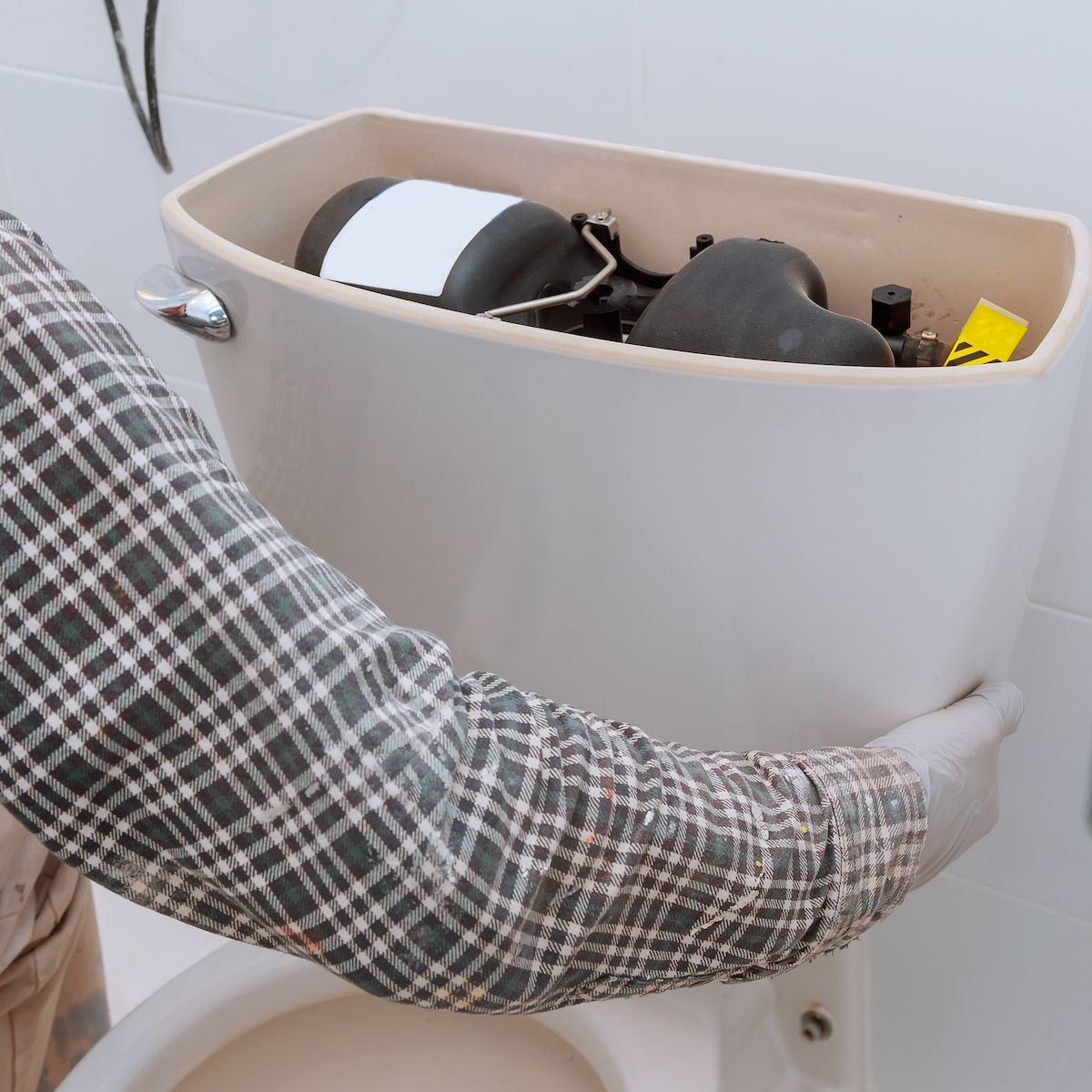
The flapper is essentially the toilet’s gatekeeper. It sits at the bottom of the tank and controls whether water flows from the tank into the bowl. When this little rubber piece wears out or gets misaligned, it can cause all sorts of problems.
• A flapper that’s too old or damaged might not seal properly
• Chains that are too long or too short can interfere with the flapper’s movement
• Debris caught under the flapper preventing it from closing completely
You’ll often hear a constant running sound or see water continuously dripping from the tank into the bowl. These are telltale signs that your flapper needs attention. It’s one of those fixes that can be done in minutes with a few simple tools.
Issues With the Fill Valve
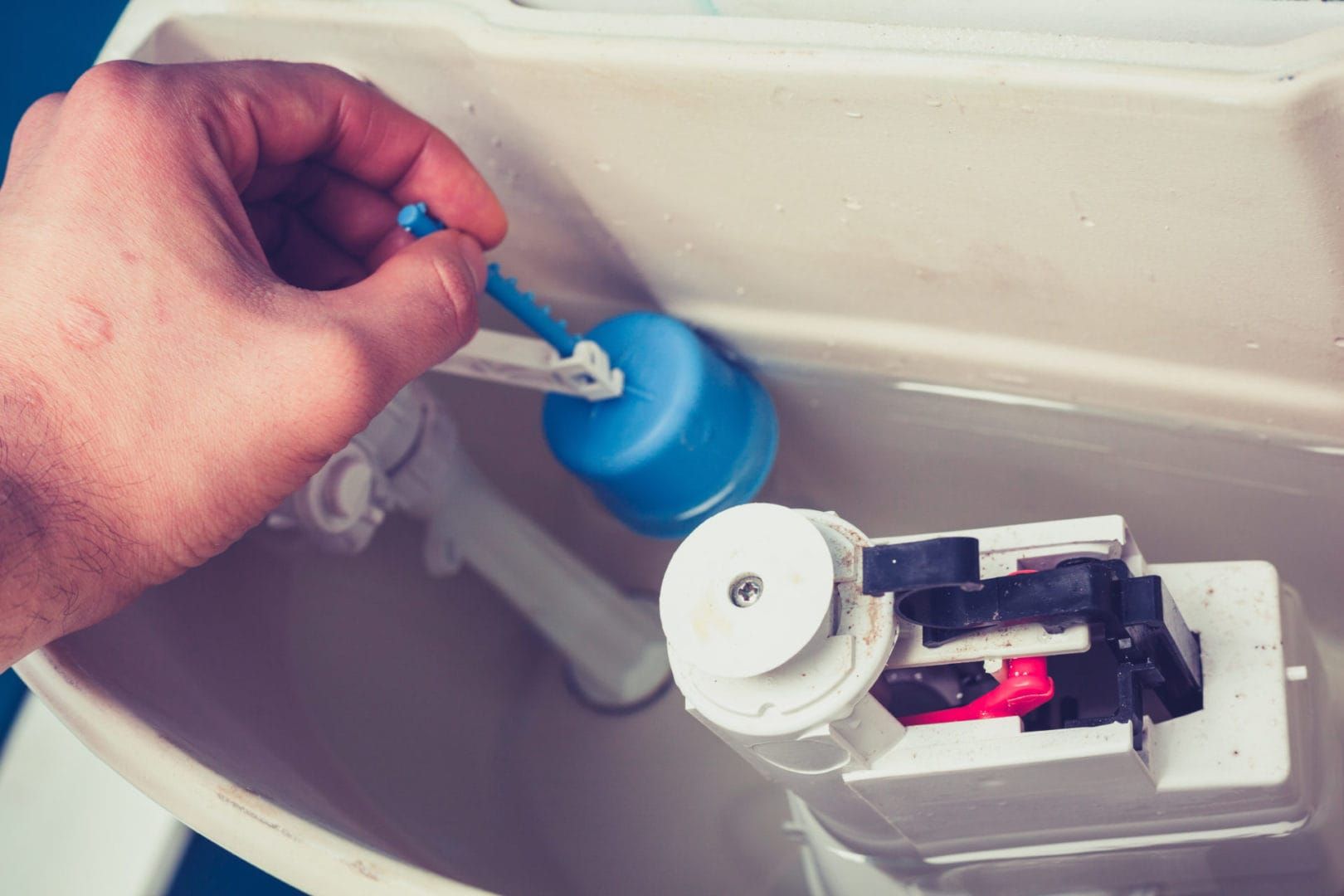
The fill valve is responsible for refilling the tank after each flush. If it’s malfunctioning, your toilet might not have enough water pressure to flush effectively. Common problems include:
• A valve that’s stuck open or closed
• Water level set too low
• Internal parts wearing out over time
When the fill valve isn’t working correctly, you might notice that the toilet fills up slowly, or the water level in the tank is consistently too low. This can result in weak flushes or no flush at all. Sometimes, adjusting the float mechanism can solve the problem, but sometimes replacement is necessary.
Water Level Problems That Affect Flushing
Water levels in your toilet tank play a crucial role in proper flushing. If there’s too little water, there won’t be enough force to clear the bowl effectively. Conversely, if there’s too much, it might overflow or cause other issues.
• The water level should typically be about an inch below the overflow tube
• Low water levels often mean the float isn’t rising properly
• High water levels can cause continuous running or water waste
Adjusting water levels is usually straightforward, but it requires careful attention to ensure you don’t overcompensate. You can often adjust the float mechanism directly or modify the water level using the adjustment screw on the fill valve.
When to Call a Professional Plumber
While many toilet problems can be fixed with some DIY effort, there are situations where professional help is essential:
• Persistent clogs that keep returning
• Water pressure issues affecting multiple fixtures
• Signs of major pipe damage or leaks
• Electrical problems with tank components
• Structural issues with the toilet base or floor connection
If you’ve tried basic troubleshooting and nothing works, or if you’re noticing unusual sounds, smells, or visible damage, it’s time to bring in the experts. They have specialized tools and experience to diagnose and fix complex issues that might be hidden from view.
Dealing with a toilet that won’t flush can be incredibly frustrating, but most problems are solvable with some basic knowledge and a little elbow grease. From simple adjustments to more involved repairs, understanding how your toilet works can save you both time and money. Remember, when you’re facing a persistent issue or feel unsure about tackling a repair yourself, don’t hesitate to seek professional help. Your bathroom shouldn’t be a source of daily stress, and with the right approach, you can quickly restore normal function. The next time you encounter this problem, you’ll be better prepared to handle it with confidence and ease.