Imagine this: you’re planting seeds in small containers, watching them sprout, and then naturally returning those containers to the earth when they’re no longer needed. No plastic waste, no complicated cleanup, just nature working its magic. This isn’t science fiction – it’s happening right now in gardens across the country. Compostable seedling trays are quietly transforming how we grow plants, one tiny container at a time.
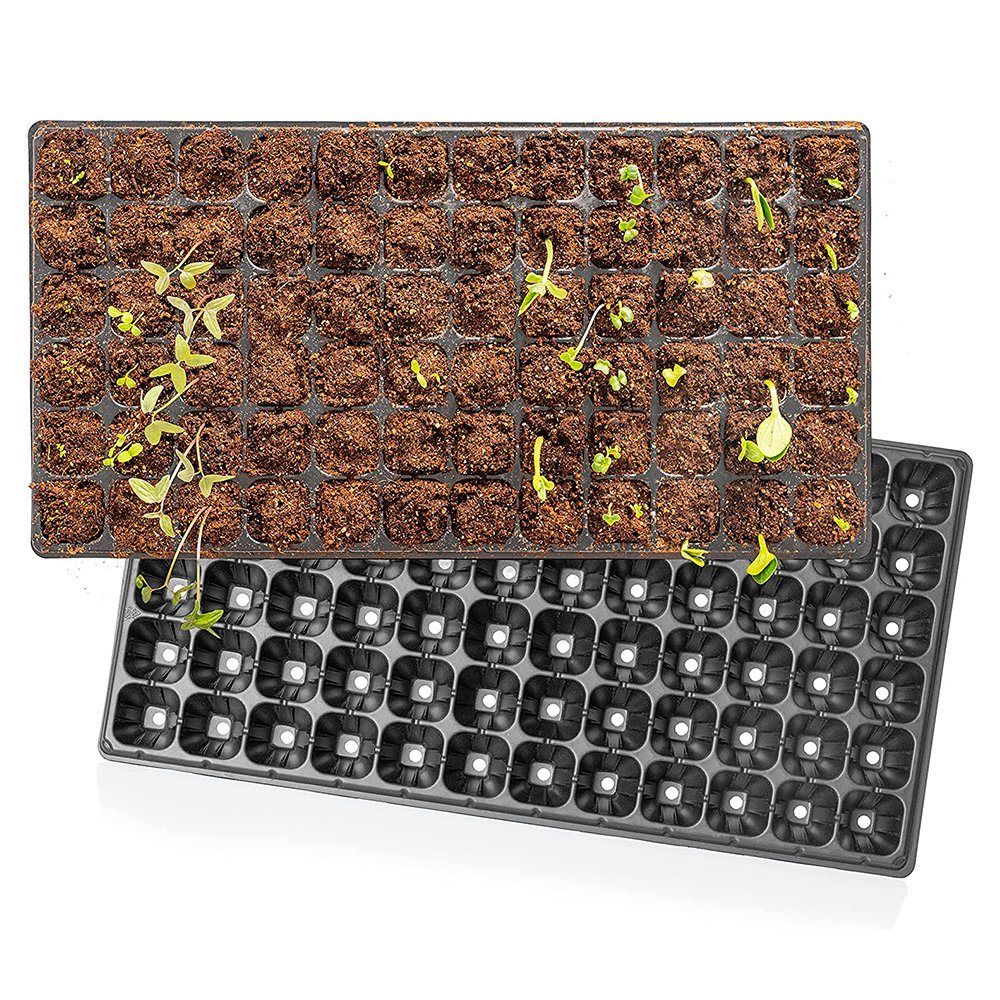
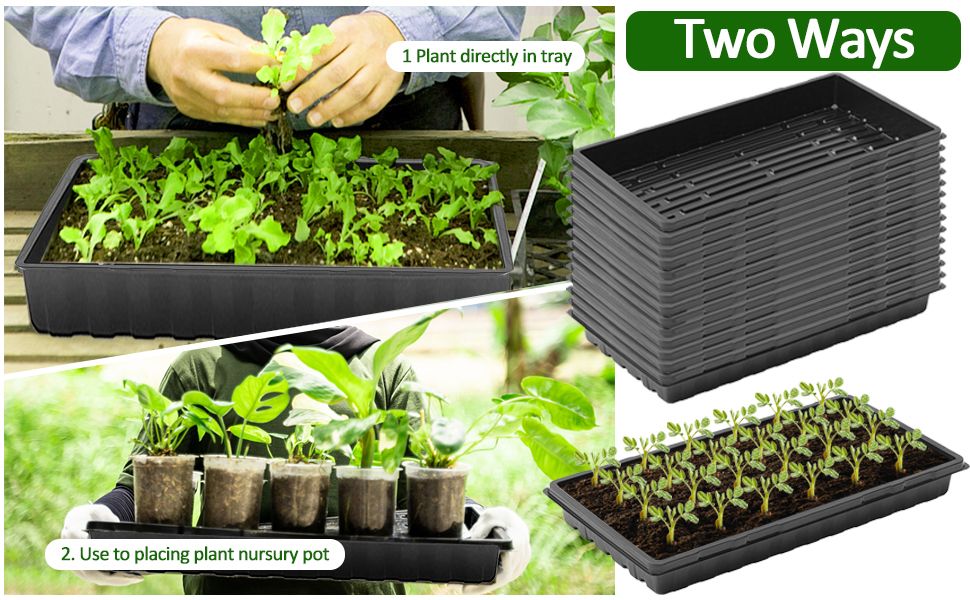
Every gardener knows the struggle – you plant seeds in little plastic trays, watch them grow, and then face the dilemma of what to do with those containers. They’re not exactly biodegradable, and tossing them in the trash feels wrong. But what if there was a better way? What if those little trays could become part of the soil instead of leaving behind plastic waste? That’s exactly what compostable seedling trays offer. These aren’t just another gardening fad – they’re a practical solution that combines environmental responsibility with real results in your garden.
What Are Compostable Seedling Trays?
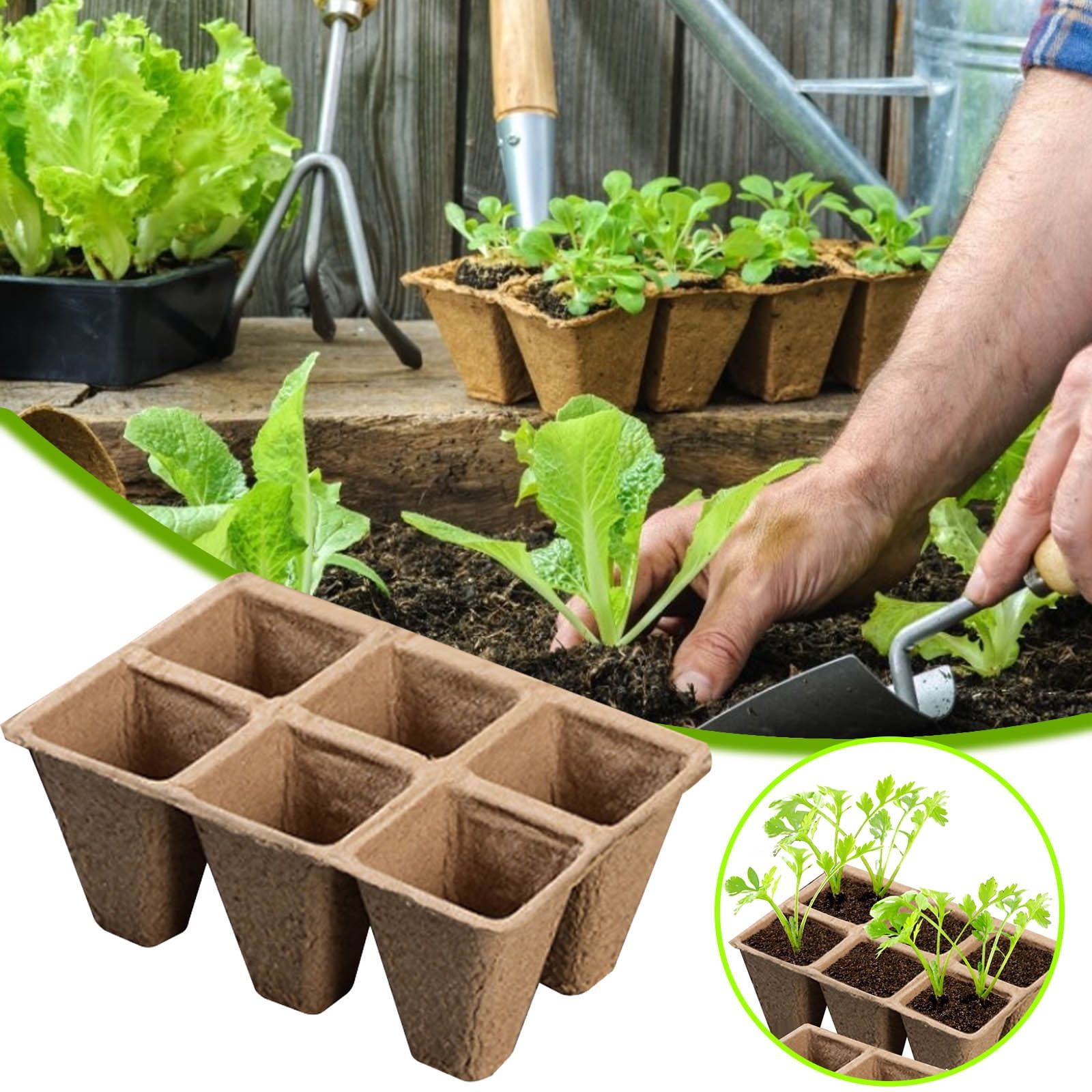
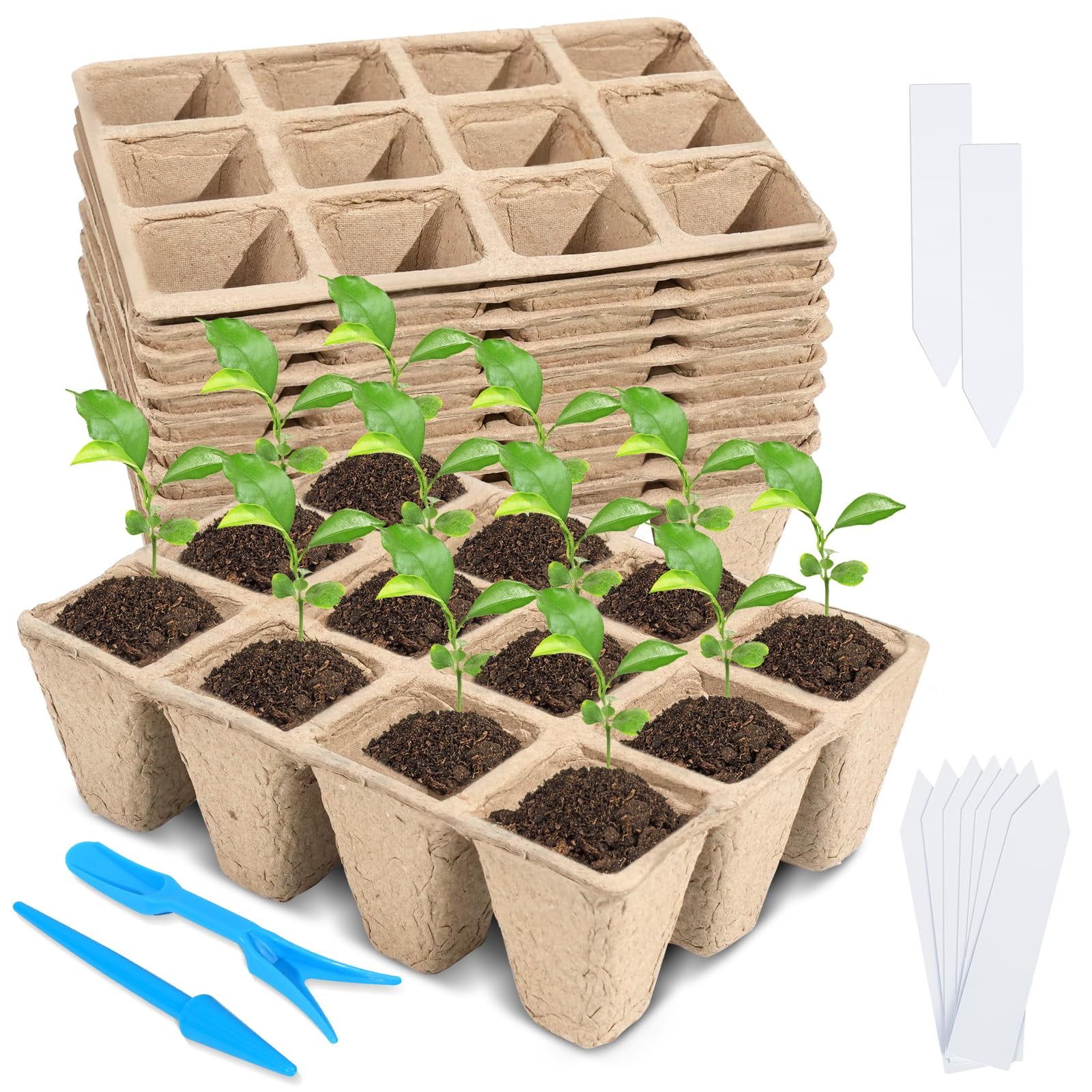
Compostable seedling trays are basically the same size and shape as traditional plastic trays, but they’re made from organic materials that break down naturally. Think of them as temporary homes for your seeds that disappear once their job is done. These trays are typically made from materials like cardboard, peat, coconut coir, or even agricultural waste products. The key difference is that instead of ending up in a landfill, they become part of the compost pile or garden soil. It’s like having biodegradable baby bottles that you can safely feed to your plants. Many gardeners find themselves amazed at how simple this change makes their gardening routine.
The Environmental Impact of Traditional Trays
Let’s talk about what happens to those plastic trays after they’ve served their purpose. Most end up in landfills where they can take hundreds of years to decompose. Even when recycled, the process uses energy and resources. Consider this: millions of gardeners use plastic seedling trays each year. That’s a lot of waste that could be avoided. The environmental cost goes beyond just the trays themselves. When plastic breaks down in soil, it releases microplastics that can harm beneficial organisms in your garden. Compostable trays solve this problem by disappearing naturally without leaving harmful residues. It’s a simple swap that adds up to big environmental benefits.
Materials That Make Up Compostable Trays
Not all compostable trays are created equal. Different materials offer different advantages. Cardboard trays are popular because they’re strong, easy to work with, and readily available. Peat-based trays have been used for decades and provide excellent moisture retention. Coconut coir trays are gaining popularity for their sustainability and water-holding capacity. Some trays are made from wheat straw or other agricultural byproducts. Each material has its own characteristics – some dry out faster, others hold moisture longer. The key is choosing the right one for your specific growing needs. For instance, if you’re starting seeds in a very humid environment, you might prefer a tray that absorbs excess moisture rather than one that retains it.
Benefits Beyond Just Environmentally Friendly
While reducing waste is important, compostable trays offer several other advantages. First, they often cost less than plastic alternatives, especially when buying in bulk. Second, they’re usually easier to handle – lighter weight means less strain on your back during long gardening sessions. Third, they work well with natural growing methods. When you transplant seedlings, you can often plant the entire tray directly into the ground, eliminating root disturbance. This is particularly helpful for delicate plants like tomatoes or peppers. The trays also tend to be more breathable than plastic, which can reduce fungal issues that sometimes plague seedlings. Plus, many gardeners report better germination rates when using compostable containers.
How to Use Compostable Trays Effectively
Using compostable trays is similar to traditional trays, but there are a few adjustments to keep in mind. Start by filling them with appropriate potting mix – you want something well-draining but moisture-retentive. Plant your seeds according to package directions, and place the trays in a warm, well-lit area. The main difference comes when it’s time to move your seedlings. Instead of carefully removing plants from trays, you can often plant the whole tray. Just make sure to cut or break apart sections that don’t fully decompose. Some trays are designed specifically for direct sowing and can be planted right in the garden. Always check the manufacturer’s instructions for best practices with your specific product. Remember, the trays will eventually break down, so don’t worry about overwatering them initially.
Common Mistakes and How to Avoid Them
Newcomers to compostable trays sometimes make a few common errors. One is assuming they can handle the same amount of water as plastic trays – they may absorb moisture differently. Another mistake is not allowing enough time for decomposition before planting. Some trays break down too quickly, while others may need longer periods. Using trays in very wet conditions can cause premature breakdown. To avoid these issues, start with smaller batches and observe how your trays behave in your specific growing conditions. Also, don’t expect all trays to decompose at the same rate. Some materials break down faster than others. If you’re planning to plant directly in the ground, ensure the trays are completely broken down or remove any non-biodegradable elements.
Compostable seedling trays represent more than just a trendy gardening product – they’re a practical step toward more sustainable gardening practices. Whether you’re a seasoned gardener looking to reduce your environmental footprint or someone just starting out, these trays offer a simple way to make a positive change. The benefits extend far beyond just waste reduction. They can improve your gardening workflow, potentially boost plant health, and make your garden more eco-friendly. As more gardeners adopt these trays, we’re seeing a collective shift toward more responsible growing practices. It’s a small change that can lead to big impacts – both for your garden and the planet. The next time you plant seeds, consider giving compostable trays a try. You might find they’re not just good for the environment, but also good for your plants.