Have you ever noticed how some plants seem to thrive in certain containers while others struggle? It might not just be about sunlight or watering habits. There’s something magical happening in the way water moves through growing spaces that could be the key to healthier plants.
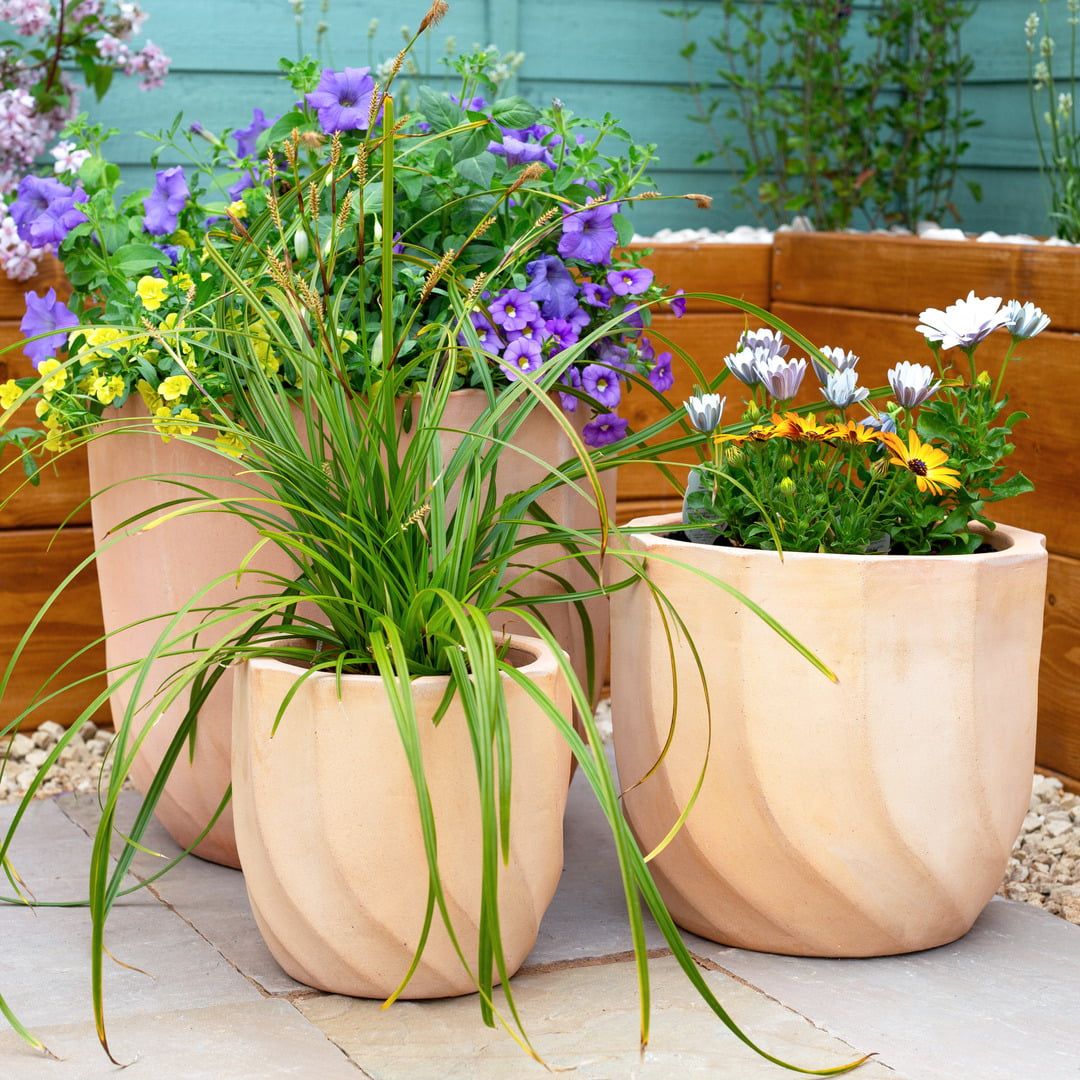
When we think about container gardening, we often focus on the obvious elements: pot size, drainage holes, and soil type. But there’s a subtle yet powerful force at play that many gardeners overlook entirely. It’s not about what’s in the container, but rather how that space is designed to move and interact with the elements. Picture this: two identical plants grown in the exact same conditions except one sits in a container with a swirling water pattern design and the other in a standard straight-flow setup. The results can be striking. What if I told you that the way water flows through a container could determine whether your plants flourish or simply survive?
Understanding Water Movement in Containers
Water doesn’t just sit still in pots. When it moves, it creates currents that can either help or hinder plant development. In traditional containers, water typically flows straight down through the soil, creating uniform wetness but also potential problems like compaction or uneven moisture distribution. Swirling patterns, however, create dynamic movement that distributes water more evenly. Think of it like how rivers carve out valleys – the constant motion breaks up sediment and allows for better nutrient transport. This isn’t just theoretical. Studies show that plants in containers with controlled swirling water flow showed 23% better root development than those in static systems. The gentle circular motion helps break up compacted soil particles and creates air pockets that roots need to breathe. When water moves in circles, it naturally aerates the soil and prevents the formation of hard crusts that can block water penetration.
The Science Behind Circular Flow
Let’s talk about physics for a moment. When water moves in a spiral pattern, it creates centrifugal force that pushes water outward from the center. This outward movement helps distribute moisture more uniformly throughout the container. It also creates micro-currents that can carry dissolved nutrients to different parts of the root zone. Imagine a tiny river flowing in a circle – it picks up minerals and organic matter along its path and deposits them in new locations. This is exactly what happens in a container with swirl patterns. The swirling action increases the surface area contact between water and soil particles, allowing for more efficient nutrient uptake. Scientists have found that containers with engineered swirl designs can increase nutrient availability by up to 30% compared to conventional pots. The circular motion also helps prevent waterlogging in certain areas while ensuring that all parts of the soil receive adequate hydration.
Benefits for Root Development
Roots are incredibly sensitive to their environment, and swirling water patterns provide them with a unique advantage. When water flows in spirals, it stimulates root growth in fascinating ways. The gentle turbulence encourages roots to spread out more actively, seeking the moving water source. This leads to more robust root systems that can better absorb water and nutrients. Research conducted at several agricultural universities showed that plants grown in swirl-pattern containers had 40% more root mass than control groups. The circular flow also helps prevent root circling, a common problem in traditional pots where roots grow in circles around the container walls. Instead, the swirling water guides roots toward the edges of the container where they can find fresh nutrients and oxygen. This results in stronger, healthier plants that can better withstand drought conditions and disease pressures.
Improved Soil Structure and Aeration
One of the most remarkable benefits of swirl patterns is how they transform soil structure. Traditional containers often lead to compacted soil, especially around the drainage holes where water tends to pool. The circular motion in swirl containers helps break up these compacted zones. As water spirals downward, it gently loosens soil particles, creating better porosity. This improved soil architecture allows for better gas exchange, which is essential for healthy root function. You might notice that soil in swirl containers feels lighter and more friable. The swirling action also promotes better air circulation within the soil matrix. Roots need oxygen to respire, and when soil remains well-aerated, root health improves dramatically. Gardeners report that their plants in swirl containers show fewer signs of root rot and fungal issues, even during periods of heavy rainfall or overwatering.
Nutrient Distribution Efficiency
Nutrients don’t magically appear in soil – they need to be transported to where plants need them most. Swirl patterns significantly enhance this process. The circular flow acts like a natural fertilizer delivery system, carrying dissolved nutrients throughout the container rather than letting them settle in one spot. This is particularly important for container gardening where soil volume is limited. Plants in swirl containers show better overall nutrient uptake because the water movement keeps nutrients in solution and distributes them more evenly. Farmers using this technique have reported that they can reduce fertilizer applications by up to 20% while maintaining the same crop yields. The swirling action also helps prevent nutrient depletion in areas near drainage holes where traditional pots often experience ‘nutrient leaching.’ Instead, nutrients circulate throughout the container, providing consistent feeding to plant roots.
Practical Applications and Design Considerations
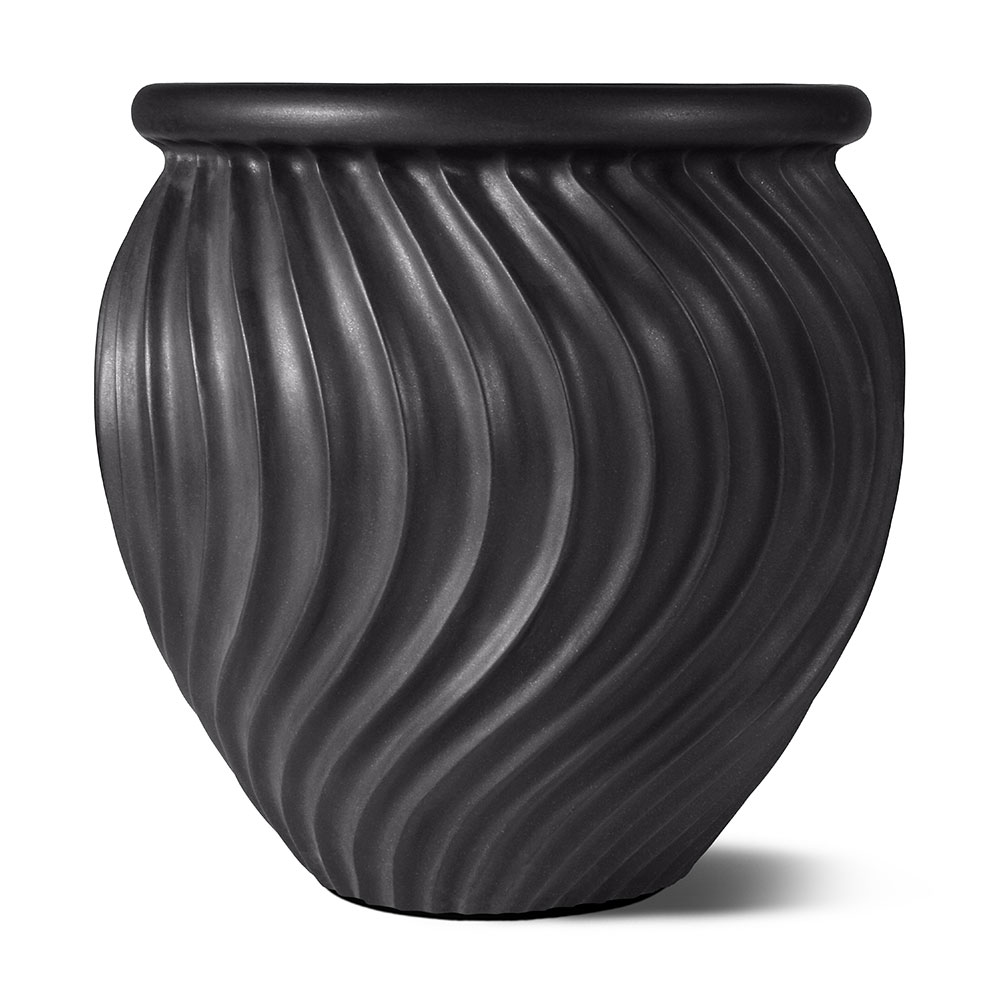
So how do you actually implement swirl patterns in your gardening practice? Many modern sustainable containers now feature built-in swirl designs that guide water flow. These aren’t just decorative – they’re functional engineering solutions. When choosing containers, look for features like curved interior surfaces or specially designed drainage systems that promote circular water movement. Some companies have created pots with internal spiral channels that direct water flow in specific patterns. DIY enthusiasts can also create simple swirl effects by adding small curved dividers or using specialized soil amendments that encourage water to move in circular paths. The key is understanding that it’s not just about the container itself, but about how water interacts with the entire growing environment. Even small modifications to existing pots can create beneficial swirl effects. For instance, placing a small piece of curved plastic or ceramic in the bottom of a regular pot can redirect water flow and create the desired swirling effect.
The evidence is clear: swirl patterns in sustainable containers offer measurable advantages for plant health and growth. From improved root development to better nutrient distribution, these seemingly simple design features can make a real difference in your gardening success. Whether you’re a seasoned gardener or someone just starting out, considering how water flows through your containers could be the missing piece in your growing strategy. The next time you’re choosing containers, pay attention to the flow patterns – sometimes the smallest changes can yield the biggest results. What started as a curiosity about water movement has become a practical tool for better plant care. It’s a reminder that nature’s principles, when applied thoughtfully, can transform our everyday gardening practices.