Whether you’re a seasoned gardener or just starting out, every eco trowel user faces challenges. These small tools can cause big headaches when they don’t work right. From rust spots to handle cracks, we’ve got the solutions you need. Let’s dive into the common issues and how to fix them before they ruin your garden day.
Gardening tools have evolved over time, and eco trowels represent a wonderful blend of functionality and environmental consciousness. These compact, sustainable tools are designed to do their job while minimizing harm to the planet. But like any tool, they can run into trouble. When your eco trowel starts acting up, it’s not just frustrating—it can halt your entire gardening session. The good news? Most problems have straightforward fixes. Whether you’re dealing with a bent blade, a loose handle, or something else entirely, we’re going to walk you through identifying and resolving these issues. It’s amazing how much better your garden work becomes once you’ve got your trowel back in tip-top shape.
Rust and Corrosion Issues
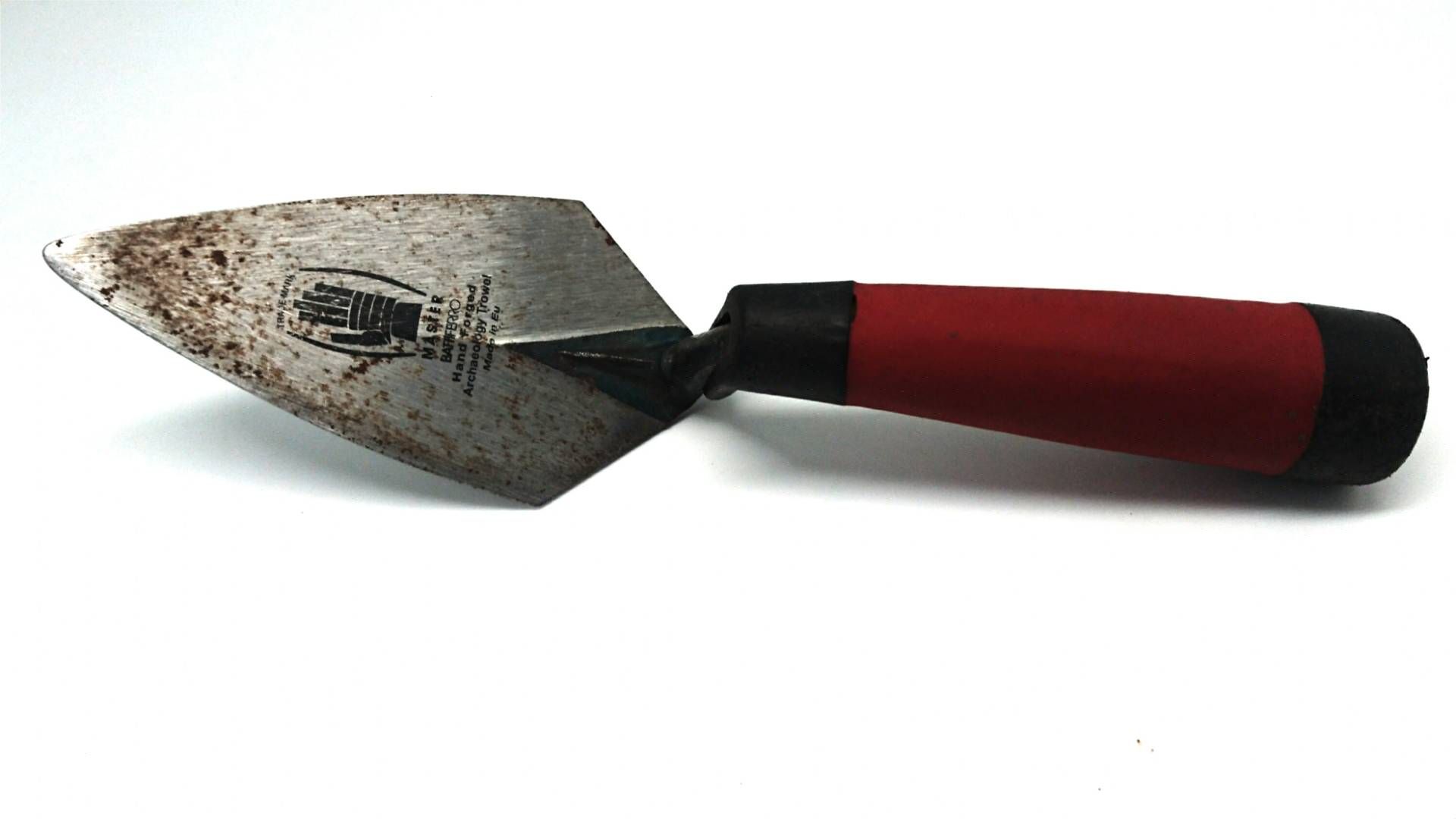
Rust is probably the most common enemy of eco trowels, especially those made from steel or iron. You’ll notice reddish-brown patches forming on the blade or handle. This happens when moisture gets trapped somewhere and isn’t properly dried after use. Sometimes, even a quick rinse can leave water droplets that lead to rust formation.
The first thing to do is clean off any visible rust using a wire brush or sandpaper. Remove all traces of corrosion, then apply a thin coat of oil to protect the metal. If the rust is severe, consider replacing the blade part. For eco-conscious gardeners, look for trowels made from stainless steel or coated materials that resist rust better. Some manufacturers now offer trowels with protective finishes that last longer in wet conditions.
Example: After a rainy spring garden session, one gardener noticed his trowel had developed several rust spots. He cleaned them thoroughly, applied a rust inhibitor, and now uses a waterproof cover when not in use. His tool has been rust-free for over six months.
Loose Handle Connections
When the handle of your eco trowel comes loose, it can feel like a major setback. This often happens because the connection between blade and handle isn’t tight enough or because the wood or plastic handle has worn down. A wobbly trowel means less control and can even be dangerous if it breaks during use.
First, check if the handle is simply loose. Tighten any screws or bolts you can find. If the problem persists, you might need to reassemble the tool correctly. Some trowels use a press-fit connection, which requires careful attention to alignment. For wooden handles, a little wood glue can help secure things back together. Plastic handles might need replacement if they’re cracked or too worn.
Tip: Always store your trowel with the blade facing down to prevent water from seeping into the handle joint. This simple habit can extend the life of many eco trowels significantly.
Blade Dulling or Bending
Over time, the blade of your eco trowel will naturally dull from regular use. This is completely normal, but it can make digging more difficult and frustrating. You might also encounter bending issues, particularly if you’ve used the tool for heavy-duty tasks or dropped it accidentally.
To sharpen a dull blade, use a whetstone or file. Work along the edge at a consistent angle, usually around 20 degrees. Be patient and take your time. For bent blades, it’s often best to replace the entire blade rather than try to straighten it. A warped blade can break easily and become a safety hazard.
Consider investing in a quality sharpening stone. They’re relatively inexpensive and can restore your trowel’s cutting power. Many garden centers sell these specifically for tools. Also, avoid using your trowel for anything other than its intended purpose—this includes using it as a pry bar or for heavy lifting.
Cracked or Broken Handles
Handle damage is one of the more serious issues that can affect eco trowels. Cracks usually appear at stress points, such as where the blade connects to the handle or where the grip area is. These can happen due to impact, age, or poor material quality.
If you notice hairline cracks, you can sometimes repair them with epoxy resin or wood glue. However, if the crack runs deep or the handle is broken in half, replacement is usually the safest bet. Many eco trowels come with a warranty, so check if you’re still covered.
Pro tip: Regularly inspect your trowel’s handle for signs of wear. A quick visual check before each gardening session can catch small problems before they become bigger ones. Some gardeners even keep a small repair kit in their tool box with glue, tape, and replacement parts.
Poor Grip and Comfort Issues
Comfort matters when you’re spending hours in the garden. If your eco trowel feels slippery or uncomfortable, it’s not just annoying—it can reduce your effectiveness and even cause hand fatigue.
Check if the grip area is smooth or worn. You can add texture with sandpaper or purchase grip tape. Some gardeners prefer rubberized handles for better traction. If the handle is too long or short for your hand size, you might want to look into adjustable options or different models.
Also, consider the weight of your trowel. A well-balanced tool feels more natural in your hands. If your current trowel feels heavy or unbalanced, it might be time for a lighter alternative. Many eco-friendly brands now offer lightweight options without sacrificing durability.
Storage and Maintenance Tips
Prevention is always better than cure, especially when it comes to keeping your eco trowel in good shape. Proper storage and routine maintenance can significantly extend its life.
After each use, clean the blade with a damp cloth and dry it thoroughly. Apply a light coat of oil to prevent rust. Store your trowel in a dry place away from moisture. A tool rack or magnetic strip works well. If you’re storing for a long time, wrap the blade in paper or cloth to protect it.
Regular checks are essential. Look for signs of wear, corrosion, or damage at least once a month. Keep a small maintenance kit handy with items like sandpaper, oil, and glue. This way, you can address small issues quickly before they become major problems.
Example: One gardener keeps her trowel in a small drawer with a silica gel packet to absorb moisture. She also polishes it monthly and replaces the blade when it becomes too dull. Her trowel has lasted over ten years with proper care.
Your eco trowel is a valuable ally in the garden, and taking care of it properly makes all the difference. From preventing rust to fixing loose handles, most problems are manageable with a little knowledge and effort. Don’t let a few issues stop you from enjoying your gardening time. With these tips, you’ll be able to troubleshoot and maintain your trowel effectively. Remember, a well-maintained tool isn’t just more reliable—it’s also more enjoyable to use. So next time your trowel gives you trouble, don’t panic. You’ve got this. Happy gardening!