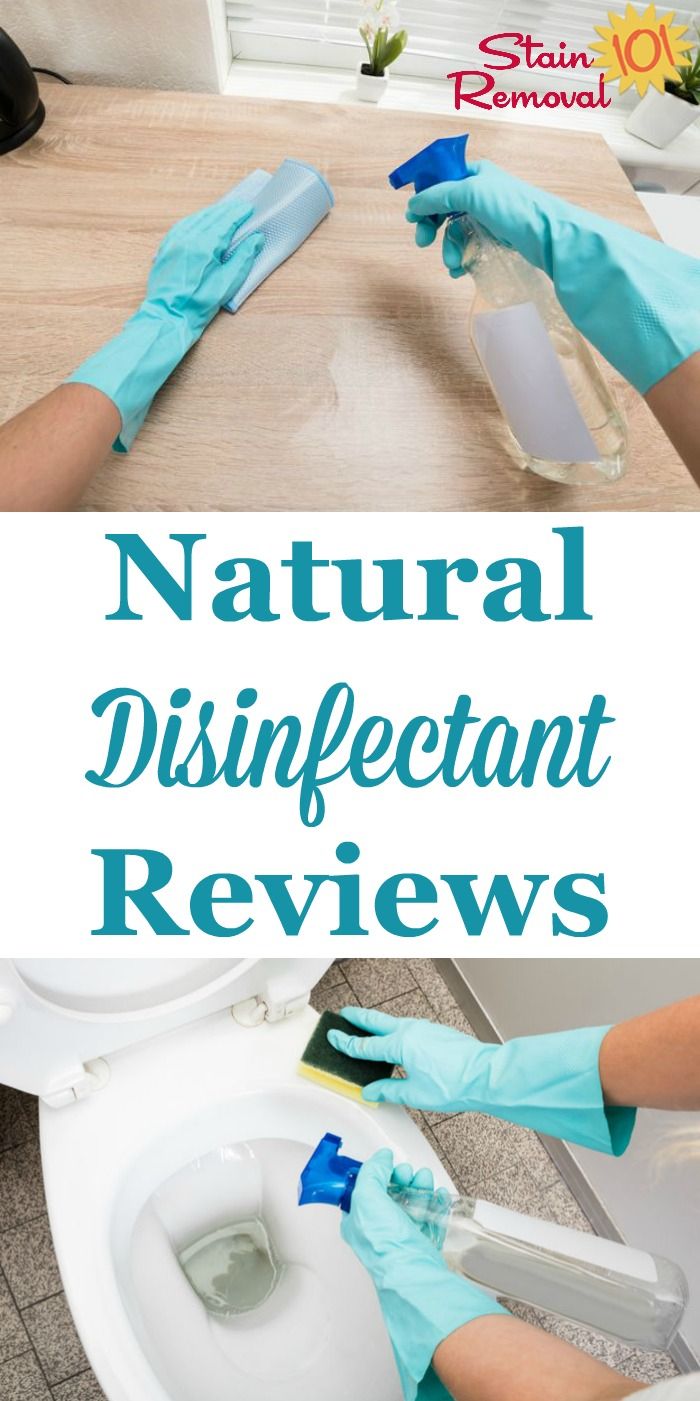
We all want our homes to be spotless and safe from germs. But many commercial disinfectants come with harsh chemicals that can irritate our lungs, skin, and even affect our pets. What if there were natural options that could actually do the job? This guide explores effective, science-backed natural cleaners that work just as well as their chemical counterparts.
Let’s face it – we spend a lot of time at home. Our living spaces become breeding grounds for bacteria, viruses, and allergens. The traditional approach involves harsh chemical disinfectants that might kill germs but leave behind toxic residues. What if we could clean our homes effectively using nature’s own arsenal? It turns out that several natural ingredients have strong antimicrobial properties. These aren’t just trendy buzzwords – they’re backed by research and real-world experience.
The Science Behind Natural Disinfectants
Natural disinfectants work through different mechanisms than synthetic chemicals. Many rely on acids, alcohols, or essential oils that disrupt bacterial cell walls or inhibit viral replication. For instance, vinegar’s acetic acid creates an environment hostile to many pathogens. Tea tree oil contains terpinen-4-ol, which has been shown to kill over 30 types of bacteria and fungi. These compounds are powerful but gentler on surfaces and our health. You might wonder why we haven’t always used these. The answer lies partly in how quickly they work and their shelf life compared to commercial products. Some natural options take longer to eliminate germs, while others need to be used fresh for maximum effectiveness. But when properly applied, they offer significant advantages.
Vinegar: The Kitchen Staple That Works
White vinegar is one of the most versatile and effective natural disinfectants available. Its acidity makes it excellent against bacteria, viruses, and mold. A simple solution of one part white vinegar to one part water works wonders on kitchen counters, bathroom surfaces, and even cutting boards. The key is letting it sit for a few minutes before wiping. Many people find it surprising how well vinegar handles stubborn stains and odors. It’s also incredibly affordable – a bottle costs less than five dollars and lasts forever. Plus, it leaves no chemical residue behind. You’ll notice that surfaces feel cleaner after using vinegar because it removes mineral deposits and soap scum that trap dirt. This is particularly helpful in bathrooms where hard water spots and mildew often hide.
Hydrogen Peroxide: The Gentle Powerhouse
Hydrogen peroxide is another household staple that deserves more recognition. It’s a mild oxidizing agent that breaks down cellular structures of harmful microorganisms. When applied correctly, it kills bacteria, viruses, and fungi without leaving toxic traces. A 3% solution works great for cleaning wounds, but it’s also fantastic for sanitizing surfaces. It’s especially useful for removing blood stains and organic matter. One interesting thing about hydrogen peroxide is that it decomposes into water and oxygen, making it environmentally friendly. However, it does break down quickly when exposed to light and heat, so storing it properly matters. Some people prefer it over bleach because it doesn’t produce dangerous fumes. It’s also safe to use around pets and children when used appropriately.
Essential Oils: Nature’s Antibacterial Boosters
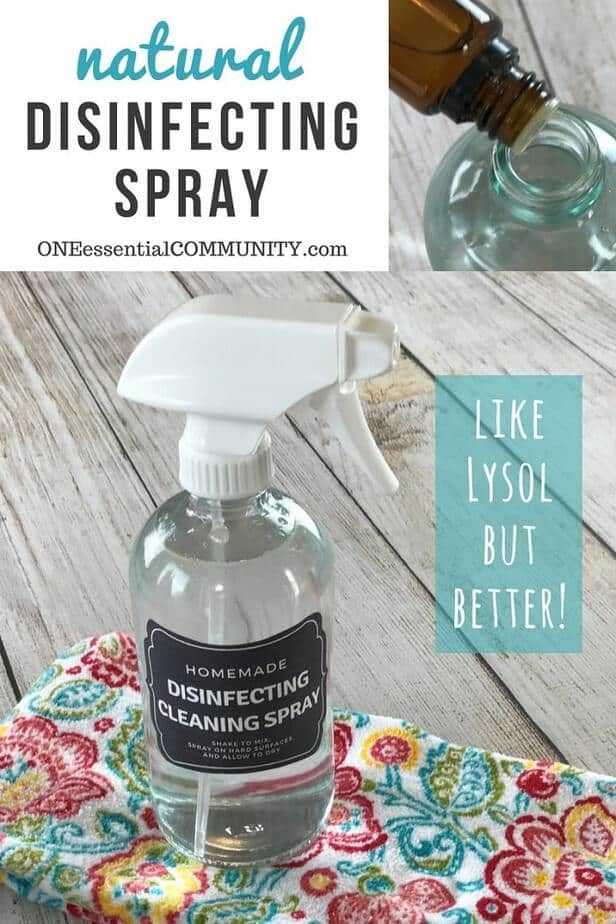
Essential oils like tea tree, eucalyptus, lemon, and peppermint contain natural compounds that fight microbes. Tea tree oil, in particular, has been extensively studied for its antimicrobial effects. When mixed with water and vinegar, it creates a powerful cleaning solution. A typical recipe includes 10 drops each of tea tree and lemon oil in a spray bottle filled with water. This combination targets multiple types of pathogens simultaneously. Essential oils add pleasant scents too, which is a bonus. But remember that pure essential oils can damage some surfaces, especially wood or fabric. Always test first on a small area. Also, some oils may cause allergic reactions in sensitive individuals, so patch testing is wise before widespread use. The beauty of essential oils is their versatility – you can adjust concentrations based on the surface being cleaned.
Citrus-Based Cleaners: Fresh and Effective
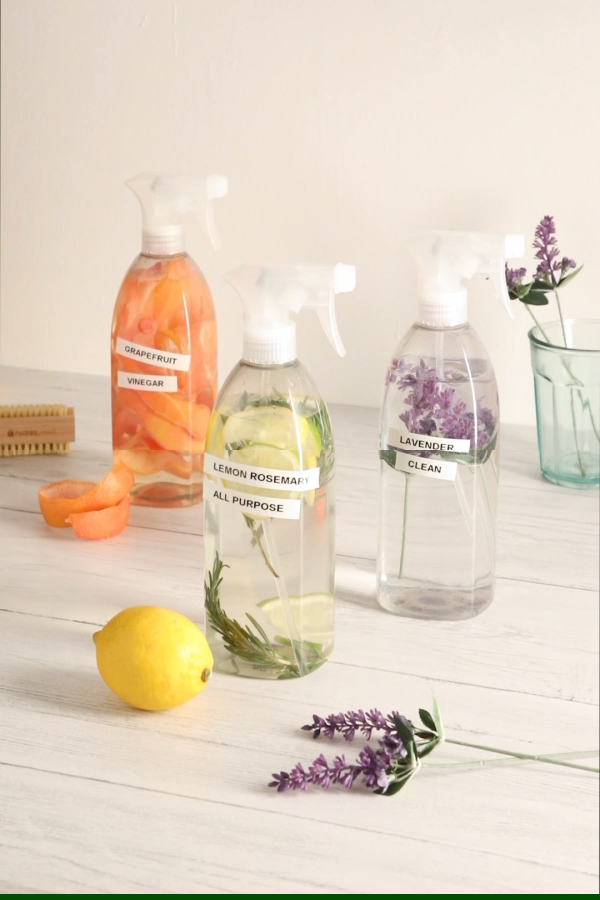
Citrus fruits contain natural limonene, which has strong antimicrobial properties. Lemon juice alone can cut through grease and kill many bacteria. Mixing lemon juice with water creates a refreshing, effective cleaner for countertops, sinks, and appliances. The citric acid helps remove mineral deposits and leaves surfaces shiny. Many people love how citrus-based cleaners smell – fresh and uplifting. They’re particularly good for cleaning fruit and vegetable surfaces before eating. Citrus peels can also be used to make natural air fresheners. Simply dry them and place in sachets around your home. This method not only eliminates odors but also repels insects naturally. Some folks even use citrus peels to clean carpets – they absorb smells and leave a fresh scent behind.
Practical Tips for Using Natural Disinfectants
Using natural disinfectants effectively requires a few adjustments to your routine. First, always ensure proper ventilation when cleaning, even with natural products. Second, allow solutions to sit on surfaces for a few minutes before wiping. Third, store homemade cleaners in labeled containers away from direct sunlight. Fourth, label your spray bottles clearly to avoid confusion. Fifth, test any new cleaner on a hidden area first, especially on delicate surfaces. Sixth, combine different natural ingredients for better results – like vinegar + essential oils or hydrogen peroxide + citrus extracts. Finally, remember that natural cleaners may require more frequent applications than chemical ones, but they’re safer for your family and environment. The key is consistency rather than relying on one product for everything.
Safety Considerations and Best Practices
While natural disinfectants are generally safer, they still require caution. Never mix different natural cleaners together – some combinations can create harmful gases. For example, never mix hydrogen peroxide with bleach or ammonia. Always wear gloves when handling concentrated essential oils, as they can irritate skin. Store all cleaning solutions out of reach of children and pets. Some natural ingredients like tea tree oil can be toxic if ingested, so proper labeling is crucial. If you have allergies or respiratory issues, consult with a doctor before using essential oils extensively. Lastly, remember that natural doesn’t mean sterile – regular cleaning practices still matter. Natural disinfectants reduce pathogens but don’t eliminate them completely. Regular maintenance and good hygiene habits remain essential.
Natural disinfecting tools offer a viable alternative to harsh chemical cleaners without sacrificing effectiveness. Vinegar, hydrogen peroxide, essential oils, and citrus-based solutions provide robust protection against common germs while being gentle on your family and environment. These options may require slightly different approaches than traditional cleaning methods, but they’re worth learning. Start with simple recipes and build from there. Your home will benefit from reduced chemical exposure, and your health will thank you for it. The next time you reach for a commercial disinfectant, consider trying one of these natural alternatives. You might be surprised at how well they work.