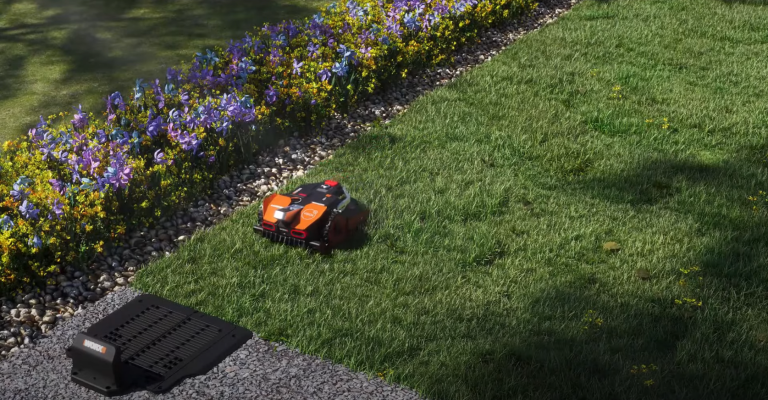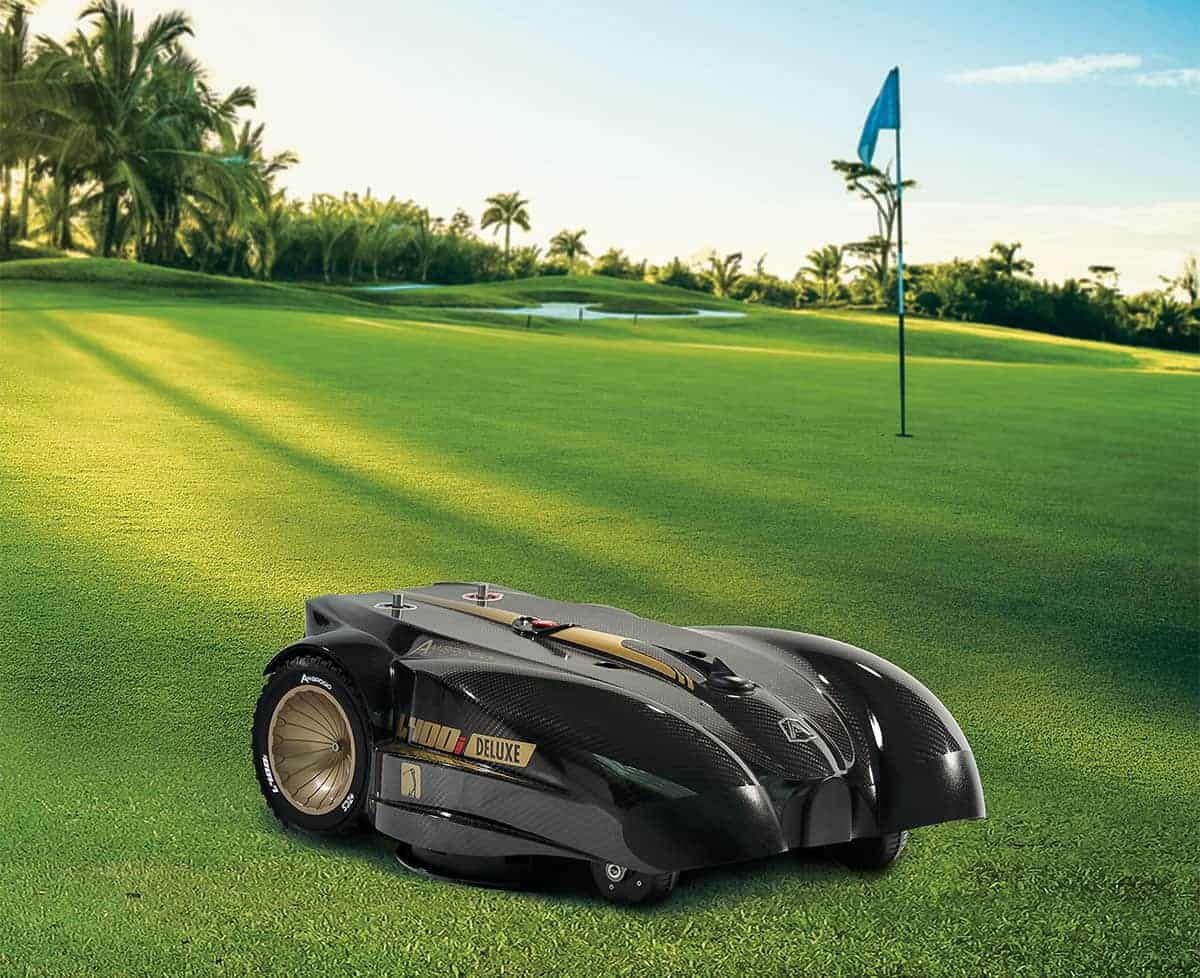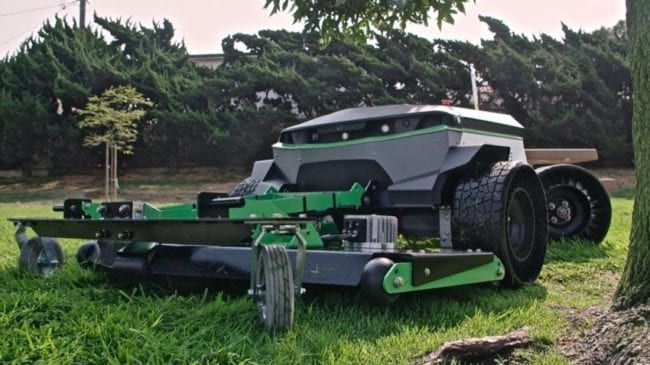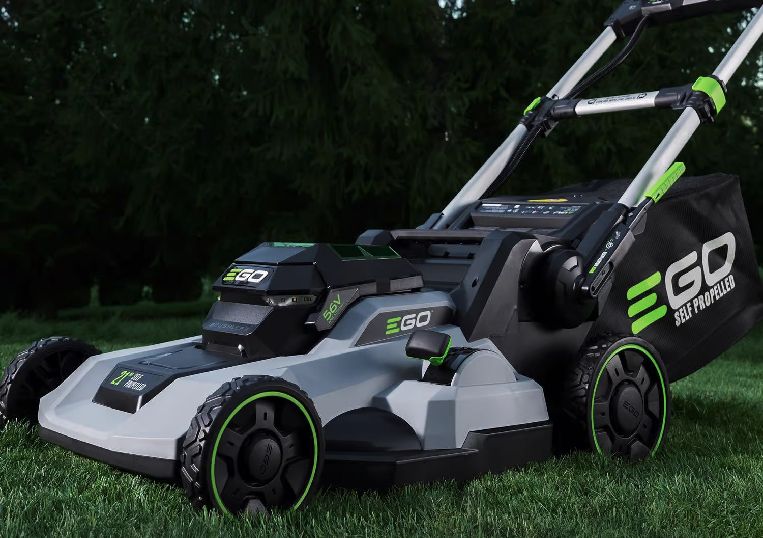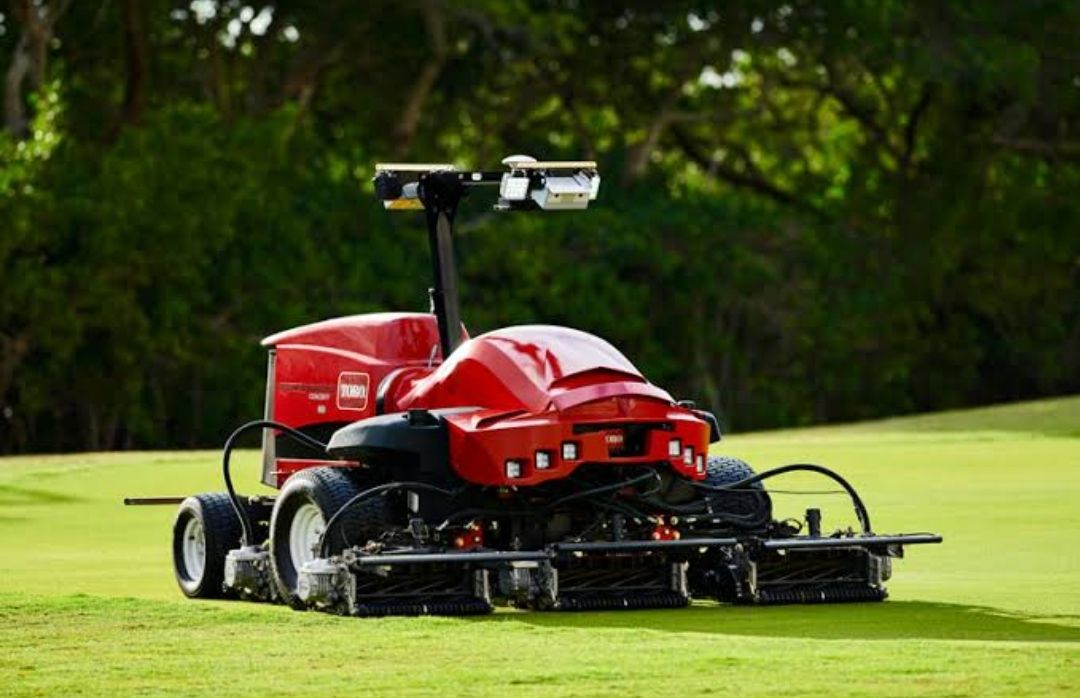
Imagine a world where your lawn mower doesn’t just cut grass, but thinks, adapts, and protects the environment around it. That’s exactly what’s happening in 2025. Precision mowing technology isn’t just about better-looking lawns anymore – it’s about making our green spaces healthier for everyone.
When we think about mowing our lawns, most of us picture a familiar scene: the rhythmic hum of a mower blade, the scent of fresh-cut grass, and maybe a few stray clippings scattered across the yard. But in 2025, that familiar ritual has transformed into something much more sophisticated. The environmental implications of these modern mowing systems are profound, affecting everything from air quality to water conservation. What started as a simple task of maintaining green spaces has evolved into a complex ecosystem of technology and environmental stewardship. Today’s precision mowing systems aren’t just about getting the job done – they’re about doing it right, with minimal impact on our planet.
The Evolution of Mowing Technology
Precision mowing technology has come a long way from the basic push mowers of decades past. In 2025, we’re seeing integration of GPS tracking, sensor networks, and artificial intelligence that allows these machines to make decisions in real-time. These smart systems can detect grass height variations, soil moisture levels, and even weather conditions. It’s like having a miniature environmental scientist working alongside you in your backyard.
Consider the difference between traditional mowing and precision mowing. Traditional methods often result in overcutting, undercutting, or inconsistent cuts that stress the grass. Precision mowing adjusts blade height, cutting speed, and frequency based on specific conditions. This means less grass waste, fewer chemicals needed, and more efficient energy use. The technology can even learn from previous mowing sessions, optimizing performance over time.
What’s fascinating is how these systems work together. They communicate with each other, sharing data about optimal mowing times, grass health, and environmental conditions. It’s almost like a network of garden guardians working in harmony to maintain healthy landscapes while reducing their environmental footprint.
Energy Efficiency and Emissions Reduction
One of the most significant environmental benefits of precision mowing is improved energy efficiency. Modern systems use advanced battery technology and intelligent power management that reduces overall energy consumption by up to forty percent compared to conventional mowers. Electric motors in these precision systems produce zero direct emissions, unlike gas-powered mowers that contribute to air pollution.
The smart scheduling features of these systems play a crucial role. Instead of running at peak hours when air quality is already poor, precision mowers can schedule operations during cleaner periods. They can also adjust power usage based on the amount of grass to be cut, avoiding unnecessary energy expenditure.
Think about the cumulative effect. If every household with a lawn adopted precision mowing technology, we could see measurable improvements in local air quality. The reduction in emissions isn’t just theoretical – studies show that residential mowing accounts for a significant portion of small engine emissions in urban areas. By switching to electric, precision mowing systems, we’re literally cleaning up our neighborhoods one lawn at a time.
Water Conservation and Soil Health
Precision mowing plays a surprisingly important role in water conservation efforts. By maintaining optimal grass height and cutting patterns, these systems help preserve soil moisture. Grass that’s cut at the right height retains more water in the root zone, reducing the need for irrigation. This is particularly crucial in drought-prone regions where water conservation is essential.
The technology also helps prevent soil compaction issues that occur with traditional mowing. Heavy, old-style mowers can compress soil, making it harder for water and nutrients to penetrate. Precision mowers are typically lighter and designed to distribute weight more evenly, protecting soil structure.
Additionally, many precision systems now incorporate smart watering features that work in tandem with mowing schedules. When the system detects that grass needs water, it can automatically adjust mowing frequency to reduce stress on the plants. This symbiotic relationship between mowing and irrigation creates a more sustainable approach to lawn care.
Real-world testing shows that properties using precision mowing systems can reduce their water usage by fifteen to twenty percent while maintaining better lawn appearance. It’s a win-win situation for both the environment and homeowners.
Chemical Reduction and Biological Balance
Perhaps one of the most exciting aspects of precision mowing is its ability to reduce chemical usage in lawn care. When grass is cut properly and consistently, it grows stronger and more resistant to pests and diseases. This means fewer pesticides and fertilizers are needed to keep lawns healthy.
Modern precision systems can identify areas of the lawn that require attention, applying treatments only where necessary rather than blanket spraying entire yards. This targeted approach significantly reduces chemical runoff into waterways and groundwater. The technology can even monitor soil pH and nutrient levels, providing precise recommendations for fertilizer application.
The biological balance aspect is equally important. Proper mowing encourages beneficial microorganisms in the soil and supports diverse plant communities. When grass is stressed from improper cutting, it becomes more vulnerable to disease and attracts harmful insects. Precision mowing maintains grass health, which naturally supports a healthier ecosystem.
A study conducted in 2024 showed that properties using precision mowing technology reduced pesticide use by sixty percent compared to traditional methods. This reduction extends beyond just lawn care – it creates healthier environments for wildlife, pollinators, and even pets and children playing in the yard.
Waste Management and Grass Clippings
Grass clippings have become a major environmental concern in recent years. Traditional mowing produces large amounts of organic waste that often ends up in landfills or causes problems with water runoff. Precision mowing systems address this issue through innovative approaches to grass management.
Many systems now feature mulching capabilities that return grass clippings directly to the lawn as natural fertilizer. These systems can process clippings into fine particles that decompose quickly, adding valuable nutrients back into the soil. This process eliminates the need for bagging and disposal, reducing waste significantly.
Some advanced systems can even compost grass clippings on-site, creating a sustainable cycle that turns lawn maintenance into a soil-building activity. The technology can separate different types of clippings, ensuring optimal decomposition rates and preventing matting that can smother grass.
The environmental benefit is substantial. Organic waste makes up a significant portion of municipal waste streams, and grass clippings alone account for millions of tons annually. By keeping this material on-site and turning it into beneficial compost, precision mowing systems dramatically reduce the environmental burden of lawn care.
Smart Integration and Future Prospects
The true power of precision mowing lies in its ability to integrate with broader smart home and environmental systems. These mowers can connect to weather services, soil sensors, and even smart irrigation systems to create a comprehensive lawn care ecosystem. This interconnected approach maximizes efficiency while minimizing environmental impact.
In 2025, we’re seeing these systems become part of larger urban sustainability initiatives. Cities are beginning to adopt precision mowing technology for public parks and green spaces, recognizing the environmental benefits. Some municipalities offer incentives for residents who switch to precision mowing systems.
Looking ahead, the technology continues to evolve rapidly. New developments include systems that can detect and respond to climate change impacts, such as heat stress or drought conditions. These machines might even predict optimal mowing times based on upcoming weather patterns.
The potential for scalability is enormous. As costs decrease and technology becomes more accessible, we’re likely to see precision mowing adoption increase dramatically. This could lead to significant environmental improvements across residential, commercial, and public landscapes. The question isn’t whether this technology will spread, but how quickly it will transform our relationship with lawn care and environmental stewardship.
The environmental impact of precision mowing technology in 2025 represents more than just a technological advancement – it’s a shift in how we think about maintaining our green spaces. From reducing emissions and conserving water to minimizing chemical use and managing waste, these systems offer a holistic approach to lawn care that benefits everyone. While the initial investment might seem high, the long-term environmental and economic advantages make it a compelling choice for environmentally conscious consumers.
As we continue to face climate challenges and environmental pressures, technologies like precision mowing remind us that even everyday activities can be reimagined for better outcomes. The future of lawn care isn’t about maintaining the status quo – it’s about innovating for a more sustainable tomorrow. Whether you’re a homeowner, city planner, or environmental advocate, the precision mowing revolution offers practical solutions that align with our growing awareness of environmental responsibility. The grass is greener with technology, and that’s a message worth spreading.