Picture this: a lush, green garden that thrives without the need for electrical outlets or complex wiring. That’s exactly what happens when you choose the right solar garden irrigation valve. These clever devices harness the power of the sun to keep your plants hydrated while reducing your energy bills. But with so many options available, how do you pick the one that truly works for your garden? It’s not just about buying something that looks good – it’s about finding a solution that matches your garden’s unique needs and your lifestyle.
Gardening has evolved far beyond simple soil and water. Today’s gardeners are embracing smart technology that makes their lives easier while being kinder to the planet. Solar garden irrigation valves represent one such innovation that’s transforming how we approach garden maintenance. These systems work by converting sunlight into electricity to power the valve mechanism, eliminating the need for traditional electrical connections. Whether you’re managing a small patio garden or a sprawling vegetable patch, understanding the ins and outs of solar irrigation valves can save you time, money, and frustration. The key lies in matching the valve’s capabilities with your garden’s specific requirements. From the size of your watering zones to the types of plants you grow, every factor plays a role in determining the perfect fit. Let’s explore what makes these systems tick and how to navigate the choices ahead.
Understanding How Solar Irrigation Valves Work
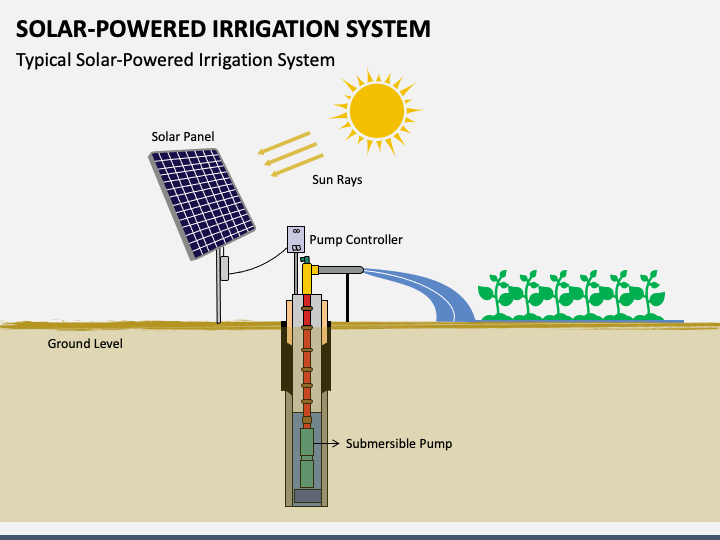
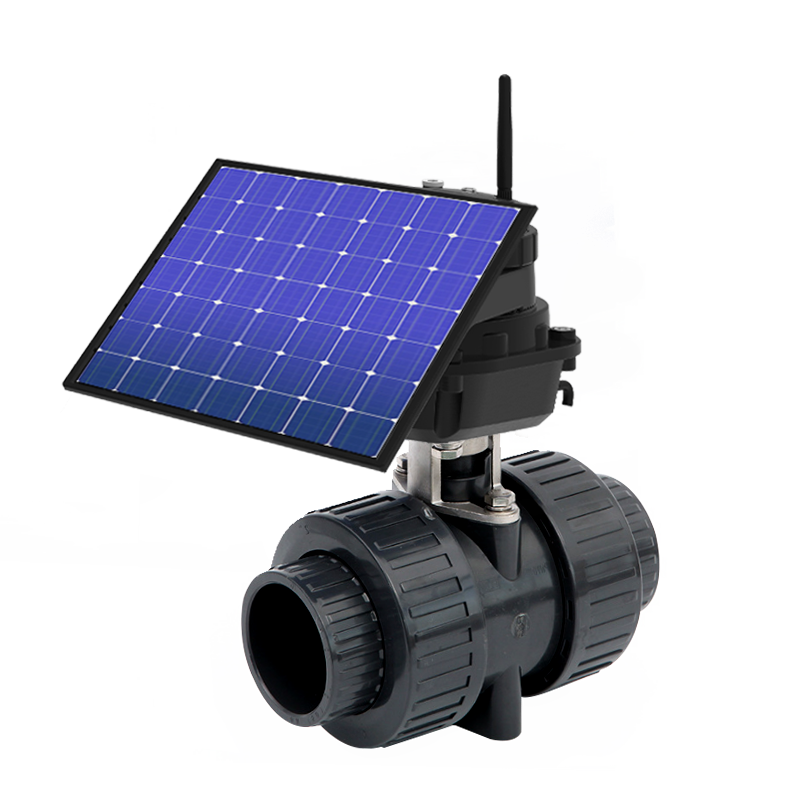
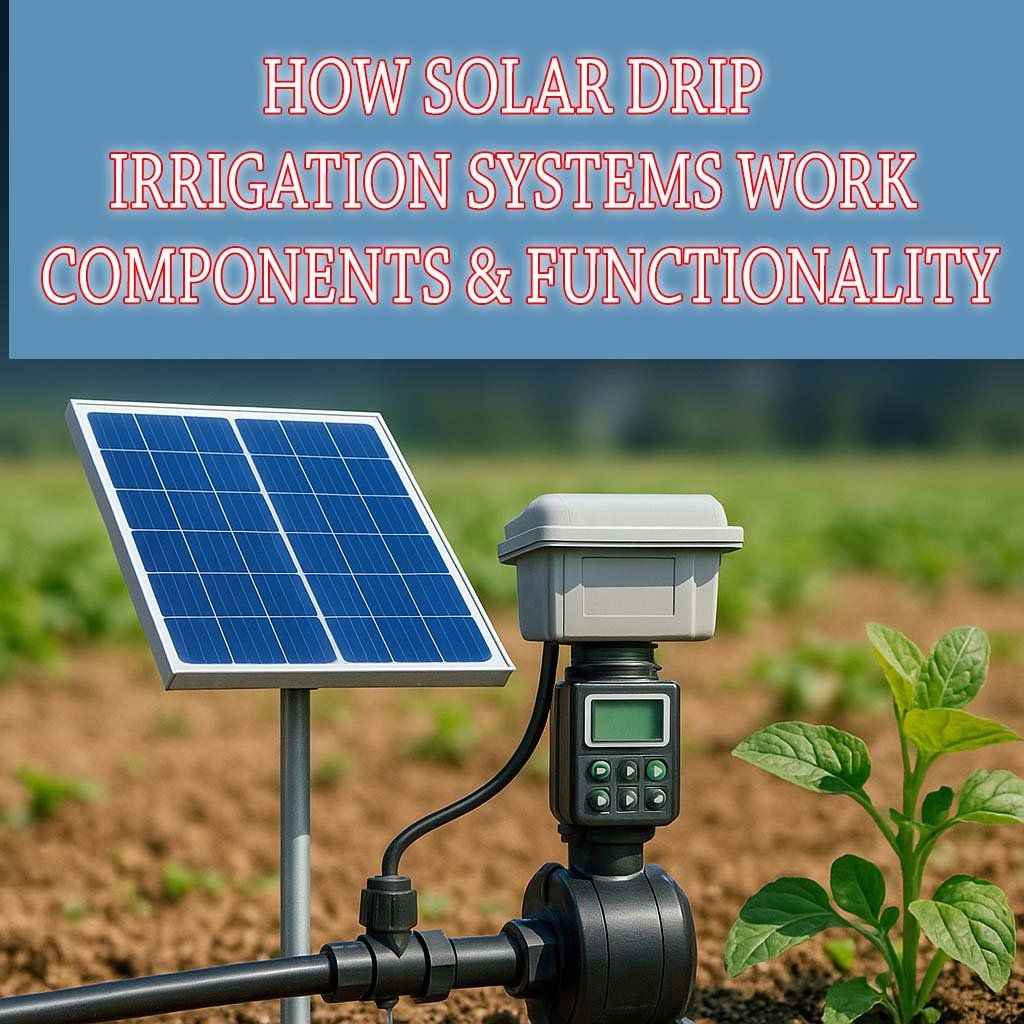
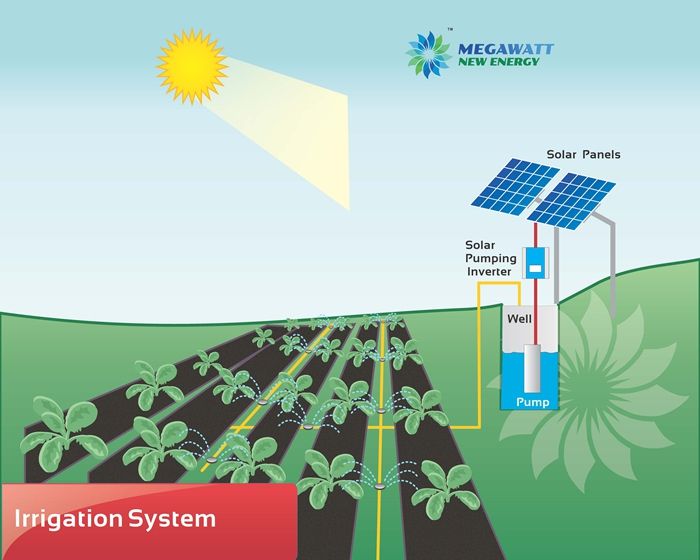
At its core, a solar garden irrigation valve operates on a simple principle: sunlight powers the system. The solar panel captures light energy during the day and converts it into electrical energy. This energy then powers the valve’s motor or solenoid, which controls water flow to your garden zones. Think of it like having a tiny solar-powered pump that automatically opens and closes based on your watering schedule. The system typically includes a battery storage component that keeps the valve operational even during cloudy days or nighttime hours. Some models feature smart sensors that detect soil moisture levels and adjust watering accordingly. The beauty lies in its simplicity – no complex installation, no electrician required, and no ongoing utility costs. However, it’s important to note that the effectiveness of these valves depends heavily on adequate sunlight exposure and proper sizing for your garden’s demands. When you’re choosing between different models, pay attention to the wattage of the solar panel and the capacity of the built-in battery. A larger panel might mean better performance in shadier spots, while a bigger battery ensures consistent operation during extended cloudy periods.
Key Features to Look For in Solar Garden Valves
Not all solar irrigation valves are created equal, and certain features can make a significant difference in your gardening experience. Here are the most important elements to consider:
• Solar panel efficiency – Higher efficiency panels can generate more power even in less-than-ideal conditions
• Battery capacity – Look for valves with substantial battery storage to maintain operation during cloudy weather
• Water pressure tolerance – Ensure the valve can handle your home’s water pressure without issues
• Weather resistance rating – IP65 or higher ratings indicate protection against dust and water damage
• Adjustable timing settings – Flexibility in scheduling allows you to optimize watering times
• Flow rate control – Ability to regulate water output prevents overwatering or underwatering
• Remote monitoring capability – Some advanced models let you check status via smartphone apps
Consider how often you’ll need to adjust settings versus how much manual intervention you’re comfortable with. A valve with automatic soil moisture sensing might be worth the investment if you travel frequently or have a busy schedule. On the other hand, simpler models with basic timers may suffice for gardeners who prefer hands-on control. The key is matching these features to your actual usage patterns rather than buying everything at once.
Determining Your Garden’s Watering Requirements
Before diving into specific valve models, you must first assess your garden’s unique watering needs. Start by mapping out your garden space and identifying different zones. Are you watering flowers, vegetables, or a mix of both? Each type has different hydration requirements. Vegetables generally need more frequent, lighter watering compared to established perennials. Consider the types of plants you’re growing. Drought-tolerant succulents require very little water, while lush leafy greens demand regular hydration. Also think about your local climate and seasonal variations. Gardens in hot, dry regions will need more frequent watering than those in humid areas. The size of your garden determines how many zones you’ll need to cover. A small container garden might only need one valve, while a large landscape could require several strategically placed units. Calculate the total square footage of each watering zone and estimate how much water each area requires daily. This information helps determine whether you need a single high-capacity valve or multiple smaller units. Remember that some valves can handle multiple zones, while others work best with dedicated zones. The math isn’t complicated, but it’s crucial for avoiding under-watering or over-watering situations that can harm your plants.
Installation Considerations and Location Planning
Proper placement of your solar irrigation valve can make or break your system’s effectiveness. The location must receive direct sunlight for most of the day, ideally facing south in the northern hemisphere. Avoid placing the valve under trees, buildings, or any structure that casts shadows. If your garden has limited sunny spots, consider the trade-offs between placement and convenience. You might sacrifice some efficiency for easier access to the valve for maintenance. The installation site should also be easily accessible for future adjustments and repairs. Most solar valves need to be mounted at ground level or slightly elevated to prevent water damage. Ensure there’s enough space around the unit for proper air circulation and easy connection to your existing irrigation lines. The distance from your water source affects performance – longer pipes can cause pressure drops that reduce effectiveness. Plan your piping layout carefully to minimize bends and ensure smooth water flow. If you’re connecting to an existing system, verify that the valve’s inlet and outlet sizes match your current setup. Some installations require additional fittings or adapters, so check compatibility before purchasing. Consider whether you want a surface-mounted or buried installation. Surface mounting is easier for troubleshooting but may look less aesthetically pleasing in formal gardens. Buried installations offer cleaner appearance but require more careful planning for access and maintenance.
Budget and Long-Term Value Analysis
Solar garden irrigation valves vary significantly in price, ranging from modest units to premium models with advanced features. The initial cost ranges from $50 to $300 depending on complexity and brand. However, the true value comes from considering long-term benefits. These systems eliminate ongoing electrical costs and reduce the need for professional installation. Over time, the savings on water bills and reduced maintenance can offset the upfront investment. Factor in the cost of replacing traditional valves or rewiring systems. Many gardeners find that the energy savings alone justify the purchase, especially in areas with high electricity rates. Consider also the potential for increased plant health due to consistent, controlled watering. Better plant growth can lead to higher yields in vegetable gardens or more beautiful blooms in ornamental spaces. Some premium models offer warranties of five to ten years, which provides peace of mind and protects against unexpected failures. Evaluate whether you’ll use the system consistently enough to see returns on investment within a reasonable timeframe. If you’re planning to stay in your garden for several years, the long-term savings typically outweigh the initial expense. Remember that cheaper models might seem attractive initially but could lead to more frequent replacements or inadequate performance.
Maintenance and Troubleshooting Tips
Even the most reliable solar irrigation valves require occasional care to function properly. Regular maintenance keeps your system running smoothly and extends its lifespan. Check the solar panel periodically for dirt, debris, or damage that might block sunlight. Clean it gently with a soft brush or cloth when necessary. Monitor the battery charge levels if your model has this feature. Some systems alert you when battery levels drop low. Inspect all connections for signs of wear or corrosion. Loose fittings can cause leaks or inconsistent operation. Test the valve operation regularly to ensure it’s opening and closing as expected. Pay attention to unusual sounds or vibrations that might indicate problems. Keep spare parts on hand, particularly O-rings and seals that may need replacement. Most manufacturers provide user manuals with detailed troubleshooting sections. Common issues include improper timing settings, clogged filters, or insufficient sunlight exposure. If your valve stops working properly, start by checking the solar panel’s position and condition. Simple fixes like cleaning the panel or adjusting timing settings can resolve many problems quickly. Consider keeping a basic toolkit handy for routine maintenance tasks. Many issues can be resolved with simple adjustments rather than expensive repairs. Understanding basic troubleshooting steps helps you avoid unnecessary service calls and maintain confidence in your system’s reliability.
Choosing the right solar garden irrigation valve is ultimately about finding harmony between your garden’s needs and your practical requirements. It’s not just about picking the most expensive or feature-rich model – it’s about selecting a system that fits seamlessly into your gardening routine. Take time to evaluate your garden’s specific characteristics, from plant types to sunlight exposure, and match them with the valve’s capabilities. Consider not just today’s needs but tomorrow’s possibilities too. Will your garden expand? Do you plan to add more zones? Planning ahead helps ensure your investment remains valuable over time. The key is balancing upfront costs with long-term benefits, remembering that these systems are designed to work with nature rather than against it. When you choose wisely, a solar irrigation valve becomes more than just a gadget – it becomes a reliable partner in creating and maintaining your garden’s success. Whether you’re a seasoned gardener or just starting out, investing in quality solar irrigation equipment pays dividends in time saved, water conserved, and plants that thrive year after year. The sun is free, and when you harness it effectively, you’re not just watering your garden – you’re nurturing it with sustainable, intelligent care.