When you think about growing bamboo seedlings, the container you choose might be just as important as the soil you put them in. It’s not just about having a pretty pot – it’s about creating the right environment for your young bamboo plants to thrive. What makes one pot better than another? Why does the material matter so much when you’re dealing with delicate seedlings? Let’s explore how the right choice can make all the difference.
Bamboo isn’t just a beautiful addition to gardens and landscapes – it’s a powerhouse of sustainability. As more people embrace eco-friendly gardening practices, choosing the right containers for propagating bamboo seedlings becomes increasingly crucial. The right pot doesn’t just hold soil and water; it supports root development, ensures proper drainage, and ultimately helps your bamboo grow strong and healthy. But with so many options available, how do you know which pot will give your seedlings the best start? The answer lies in understanding what makes a sustainable bamboo seedling pot truly effective.
Understanding Bamboo Propagation Needs
Before diving into pot selection, it’s essential to understand what bamboo seedlings require for successful growth. These young plants have very specific needs that vary depending on the bamboo species. Most bamboo varieties need consistent moisture but not waterlogged conditions. Their root systems develop rapidly, requiring adequate space and proper aeration. The pot you choose should accommodate these requirements while also supporting the plant’s natural growth patterns. Think about it – a seedling’s first few weeks are critical for establishing its foundation. That’s why selecting the right container is like providing the perfect bed for a newborn baby. You want something that’s comfortable, supportive, and allows room for growth. Bamboo seedlings are particularly sensitive to root-bound conditions, so a pot that’s too small can stunt their development.
Material Matters: Why Bamboo Pots Are Superior
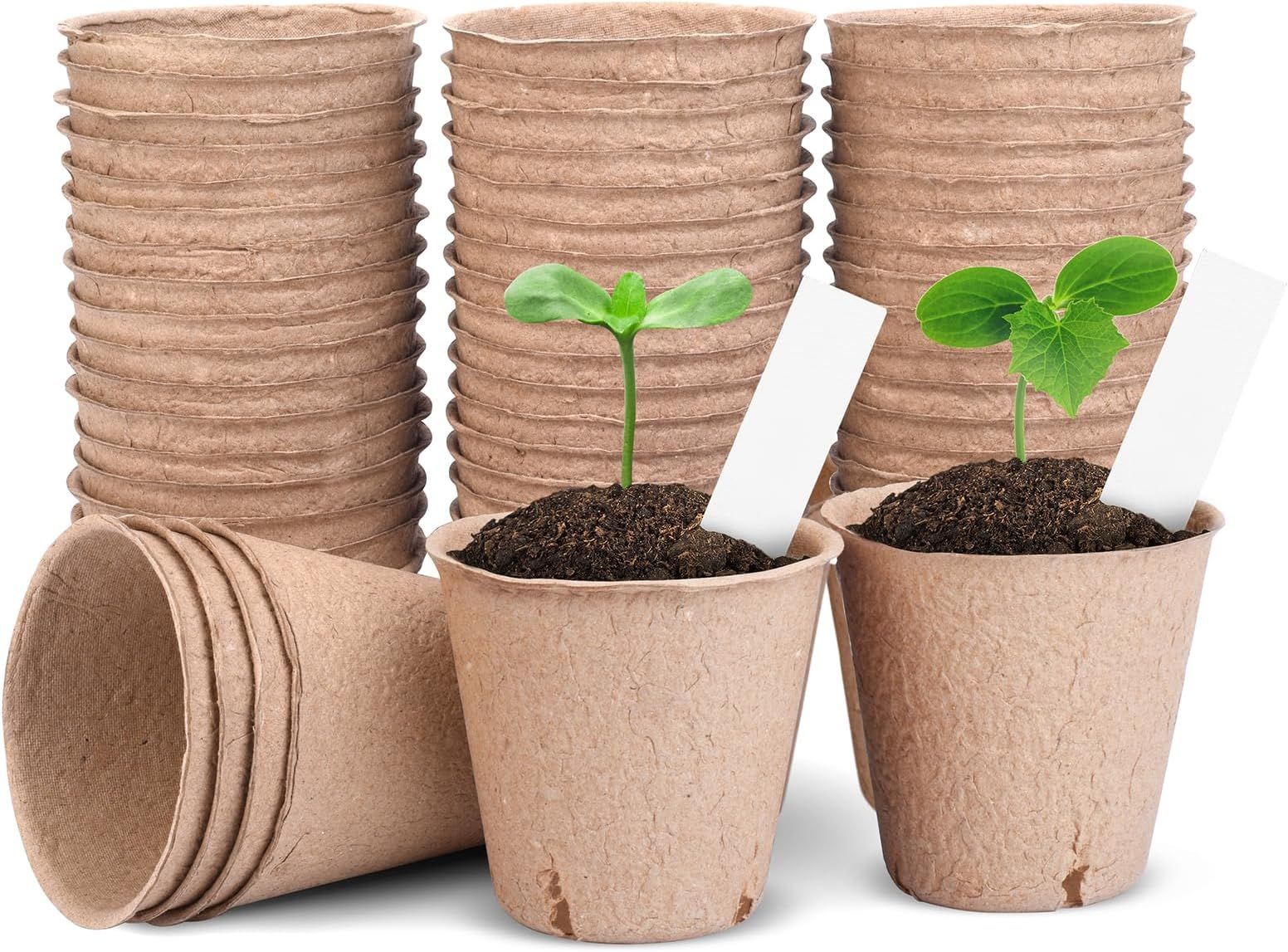
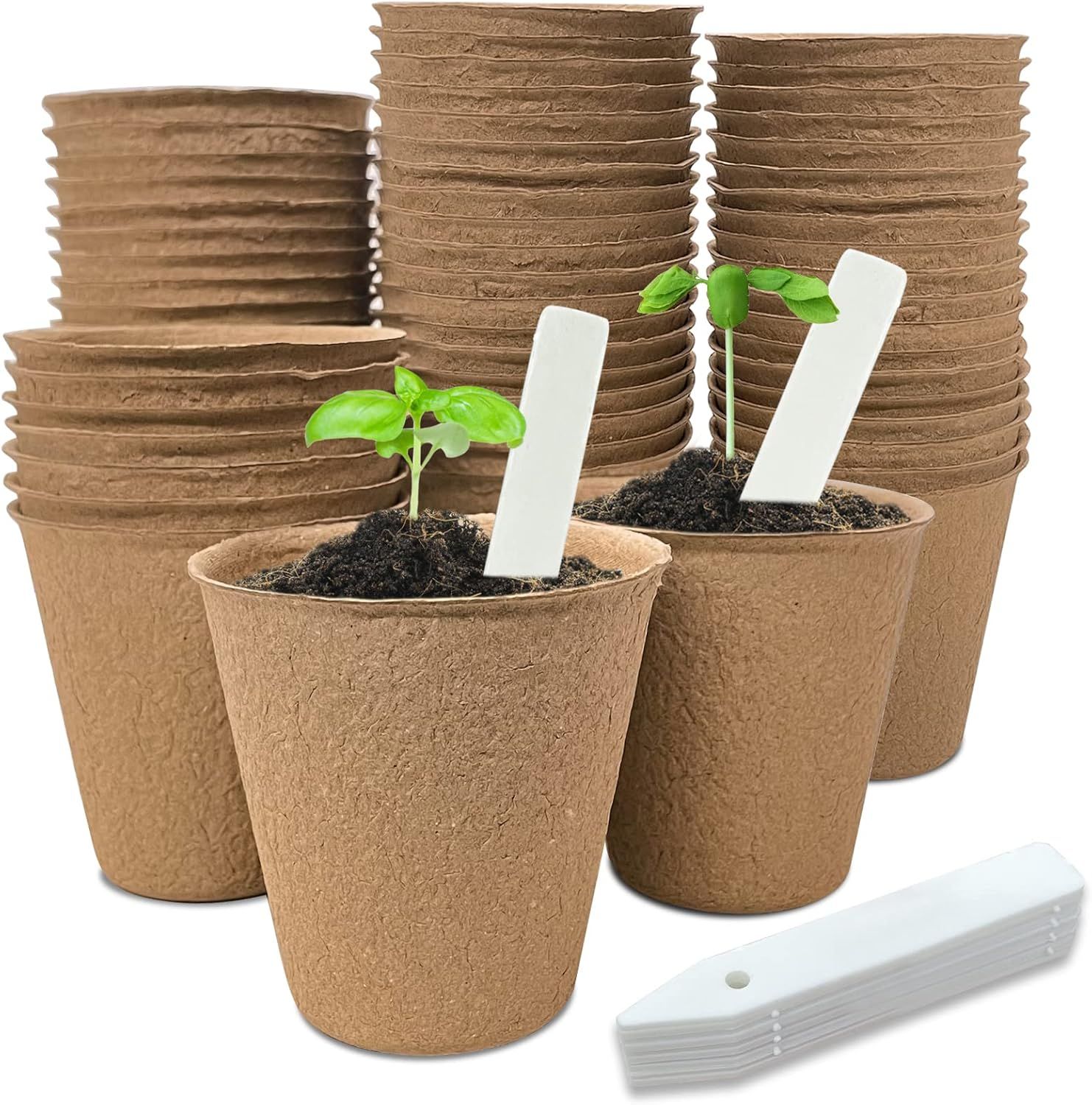
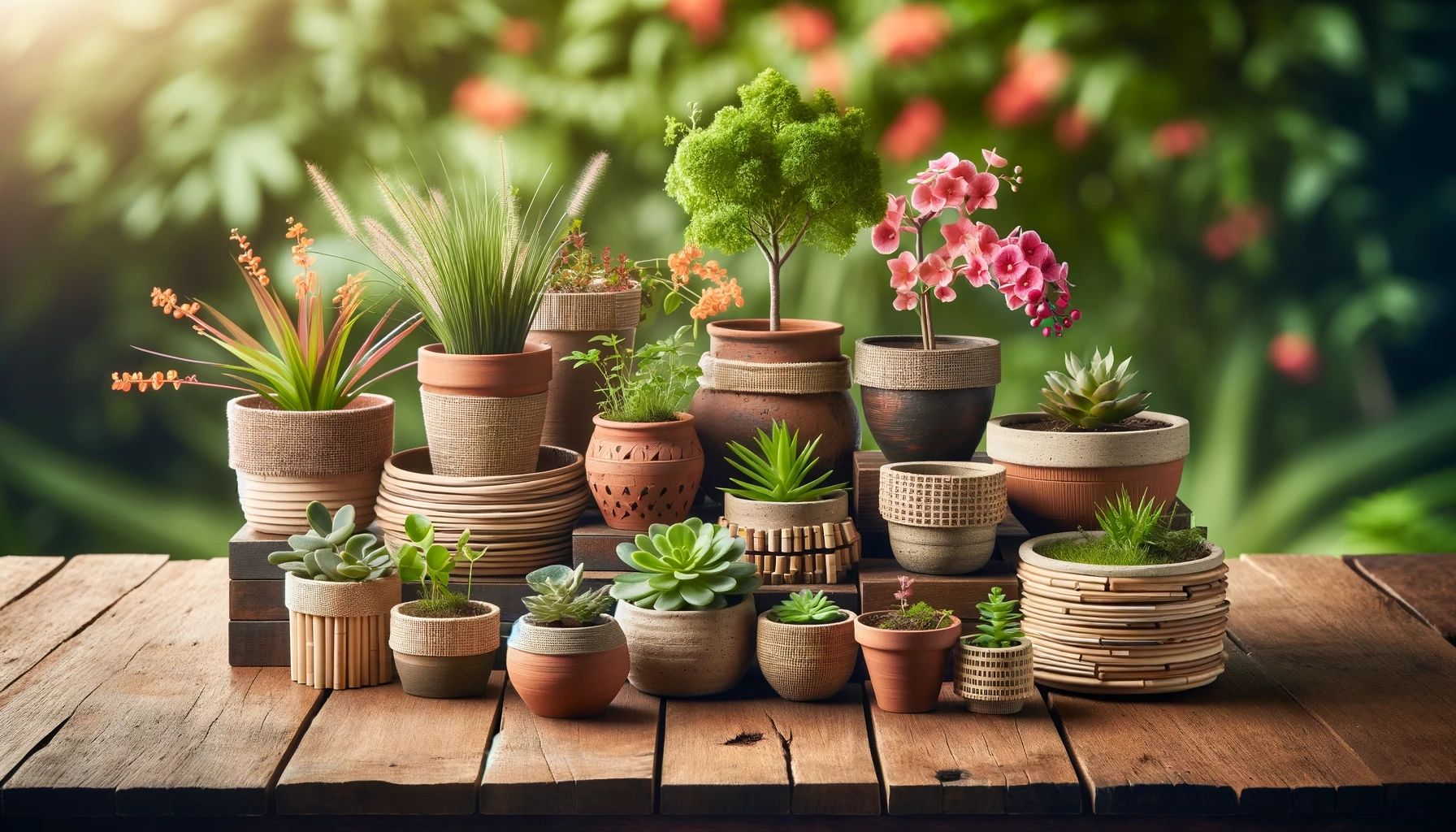
When considering materials for bamboo seedling containers, bamboo itself offers some unique advantages over traditional plastic or ceramic options. Bamboo pots naturally provide excellent air circulation around roots, which is vital for preventing root rot and encouraging healthy root development. They’re also biodegradable, meaning they can decompose naturally if you ever decide to return them to the earth. This creates a more organic growing experience that aligns with sustainable gardening principles. The natural properties of bamboo also help regulate moisture levels inside the pot. Unlike plastic containers that can trap heat and cause soil to dry out quickly, bamboo pots offer more stable conditions. They’re also lighter weight, making them easier to move around garden spaces. Consider how bamboo pots feel in your hands – they’re naturally textured and breathe better than synthetic alternatives.
Size and Depth Considerations
The dimensions of your bamboo seedling pot play a huge role in plant success. For young seedlings, you’ll want containers that are at least 4-6 inches deep to allow for proper root development. However, don’t go too big too fast – overly large pots can actually harm seedlings by holding too much moisture. A good rule of thumb is to choose pots that are roughly twice the size of the seedling’s current root system. This gives the roots room to expand without overwhelming them with excess soil. The width matters too – wider pots provide better stability for the developing plant. Many gardeners find success with rectangular or oval-shaped bamboo pots because they offer more surface area for root spread. You might notice that bamboo seedlings seem to grow faster in properly sized containers compared to cramped conditions.
Drainage: The Lifeblood of Healthy Plants
Proper drainage cannot be overstated when it comes to bamboo seedling care. Without adequate drainage, even the healthiest seedlings can quickly succumb to root rot and fungal diseases. Bamboo pots with drainage holes at the bottom are essential – they allow excess water to escape while keeping the roots from sitting in standing water. Some bamboo pots come with built-in saucers or trays that catch runoff water, which is helpful for preventing soil erosion and protecting surfaces underneath. When choosing pots, always check that drainage holes aren’t blocked or covered. If you’re using a pot without drainage, consider adding a layer of gravel or broken pottery pieces at the bottom to improve water flow. The key is ensuring that water moves freely through the soil rather than pooling at the base.
Sustainability Factors Beyond Material
True sustainability goes beyond just choosing bamboo as a material. Look for pots that are made using environmentally friendly processes. Some manufacturers use natural dyes instead of harsh chemicals, or they source bamboo from responsibly managed forests. The manufacturing process also matters – pots made with minimal waste and energy-efficient methods represent better choices for eco-conscious gardeners. Consider the lifespan of your pots too – durable bamboo containers that last for several growing seasons provide better value than disposable alternatives. Additionally, think about what happens after you’re done using the pots. Can they be composted? Do they break down naturally without harming the environment? These are important questions that help determine the true environmental impact of your choice.
Practical Tips for Choosing Your Perfect Pot
Making the final decision on bamboo seedling pots requires a bit of practical thinking. Start by measuring your available space and considering how many seedlings you plan to grow simultaneously. A good starting point is to select pots that are about 4-6 inches in diameter and depth for individual seedlings. Look for pots with handles or easy-to-grip sides – this makes moving them around much simpler when you need to relocate seedlings or clean them. Check the thickness of the bamboo – thicker walls usually mean better durability and longer-lasting use. Finally, consider purchasing pots in bulk if you’re planning extensive bamboo propagation, as this often provides better value than buying individual units. Remember, the right pot should feel substantial and well-made, not flimsy or fragile.
Selecting the right bamboo seedling pots is more than just a gardening preference – it’s a conscious choice that supports both plant health and environmental responsibility. By considering factors like material quality, proper sizing, drainage capabilities, and sustainability aspects, you’re setting your bamboo seedlings up for success from day one. The investment you make in quality pots pays dividends not just in healthier plants, but also in reduced waste and more efficient gardening practices. Whether you’re a seasoned gardener or just beginning your bamboo journey, taking time to choose the right containers shows respect for both the plants and the planet. After all, the most beautiful gardens often start with the smallest, most thoughtful decisions.