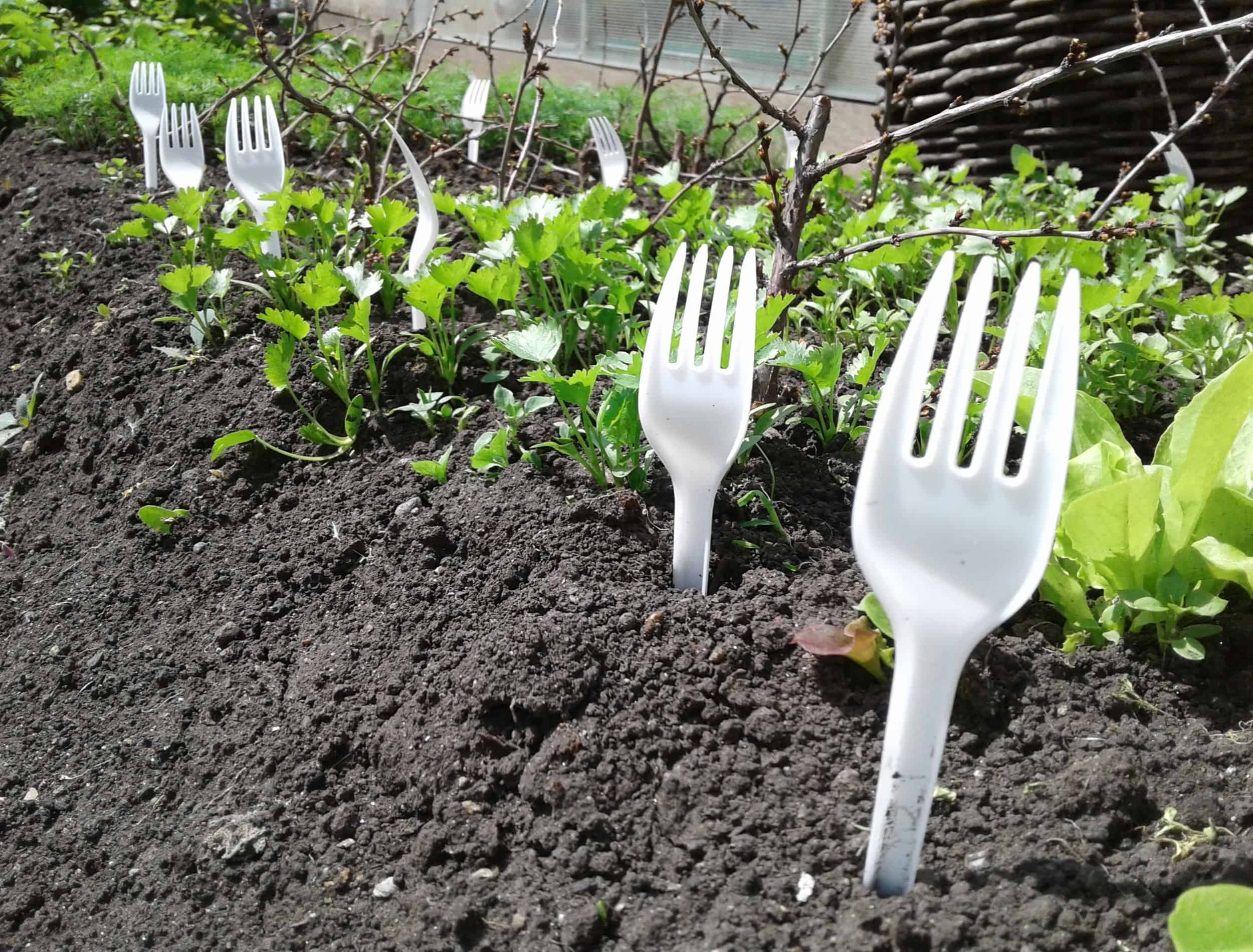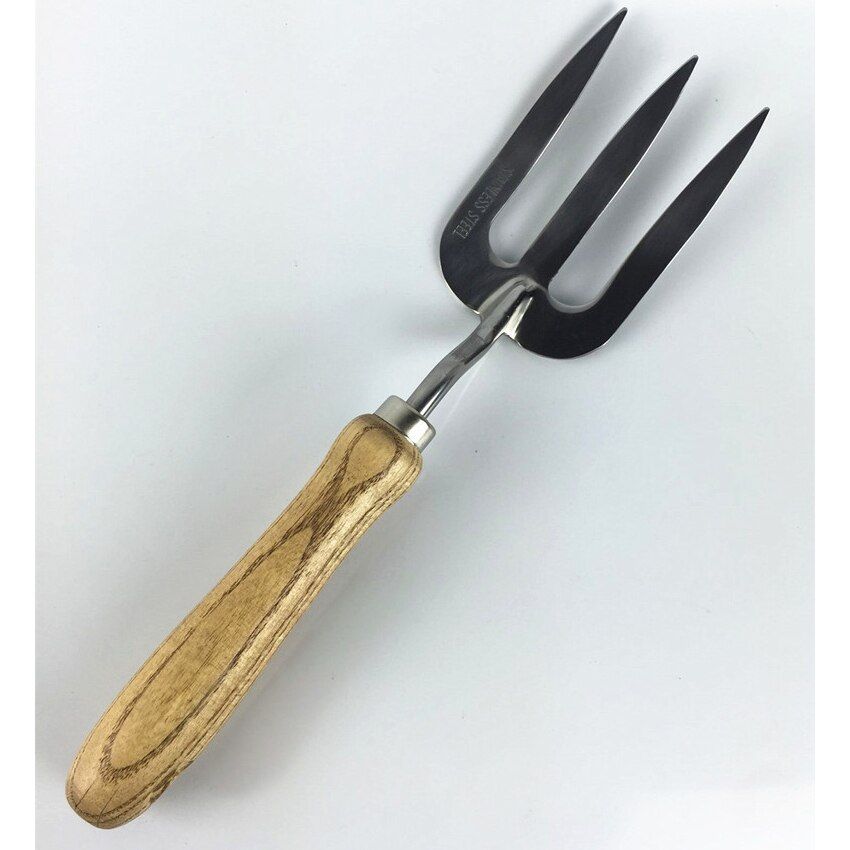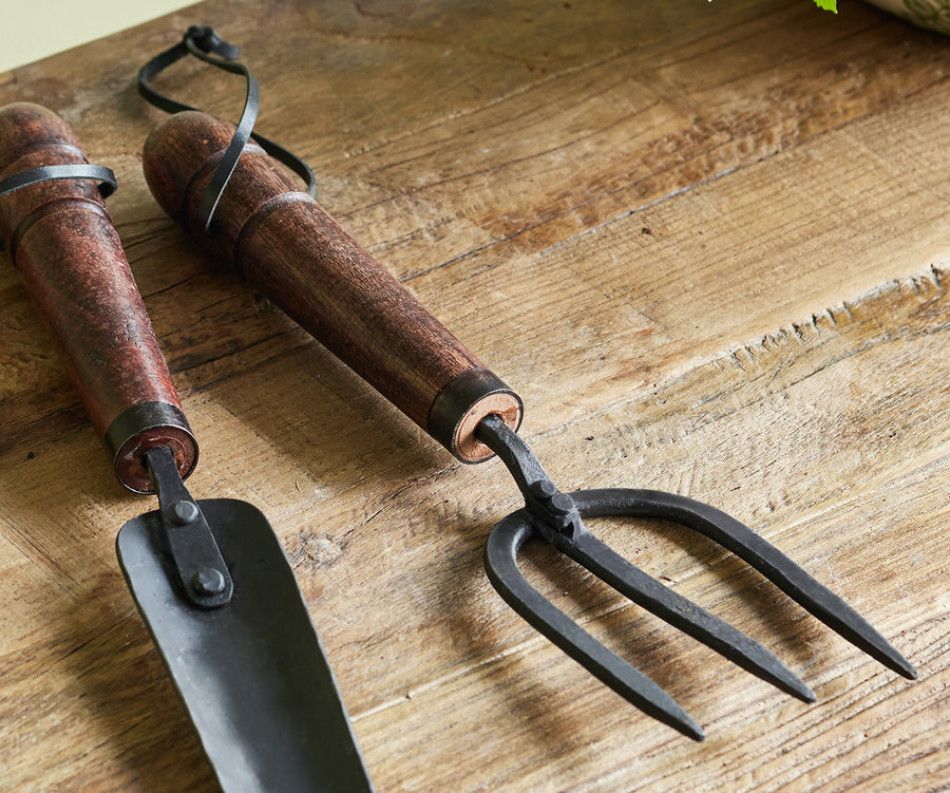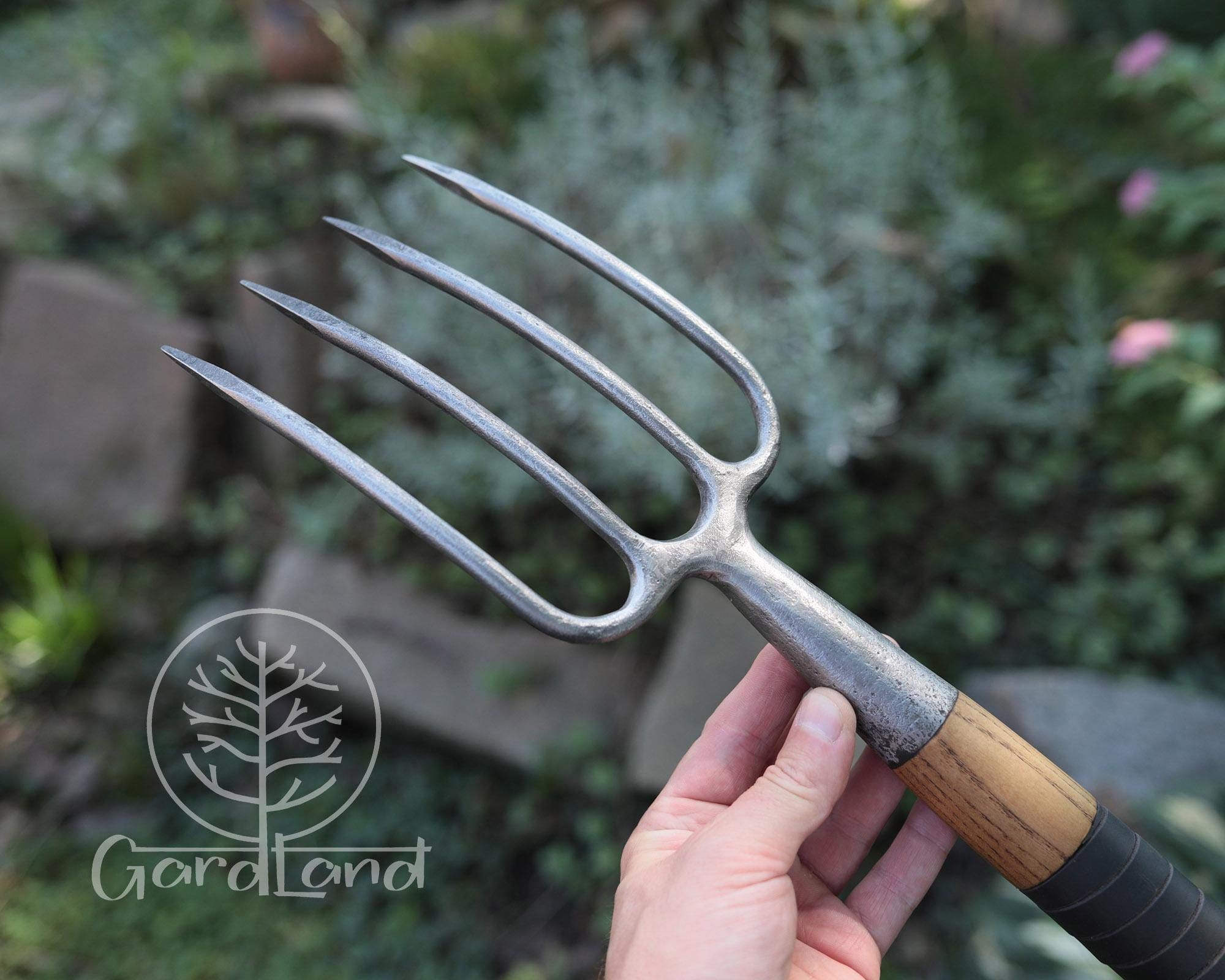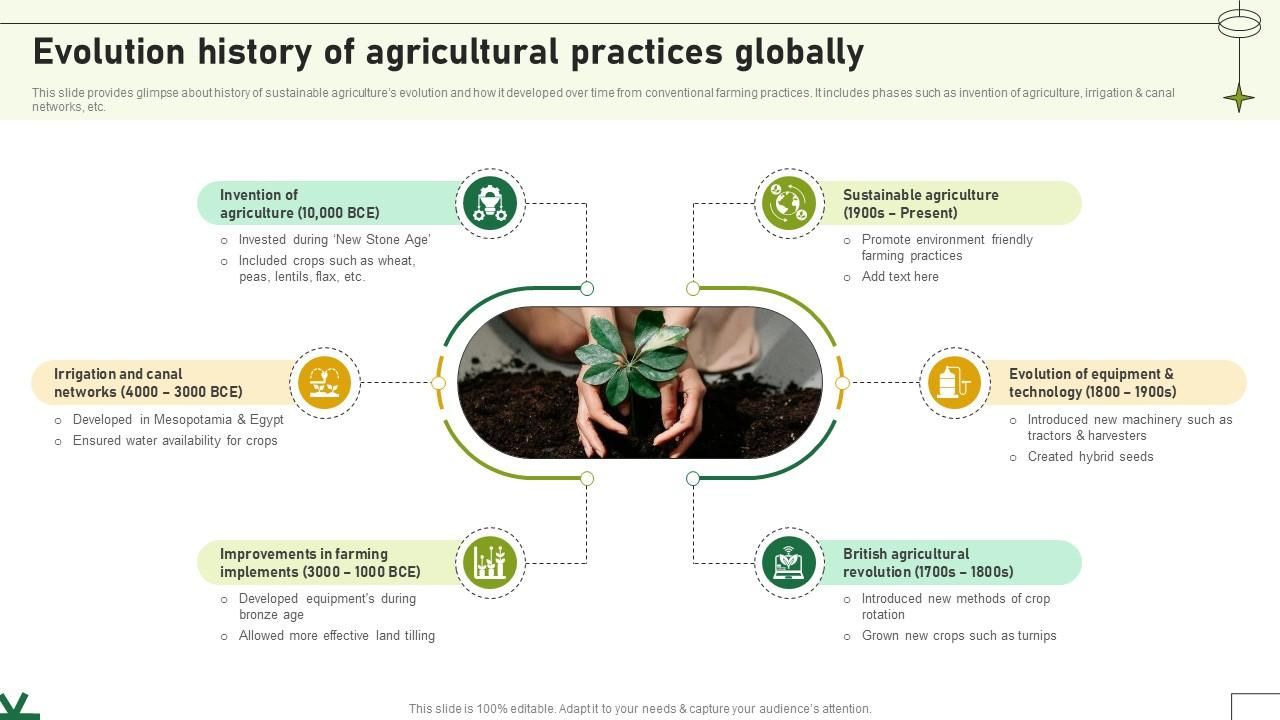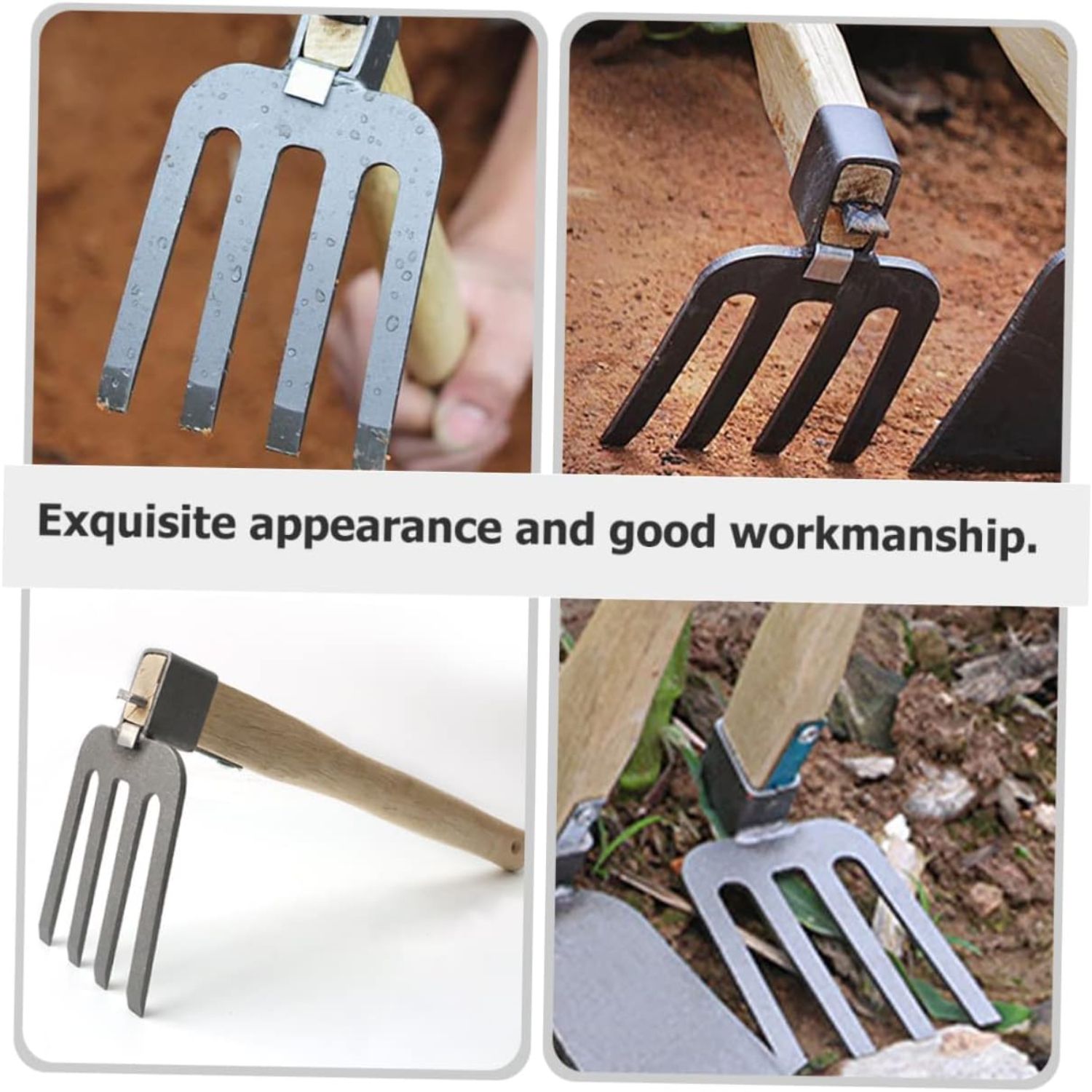
Picture this: a farmer in rural Iowa, standing in her fields, holding a tool that looks like something from a museum. But this isn’t just any old implement. It’s a recycled steel fork, crafted from discarded materials that once sat in landfills. She’s not just farming – she’s participating in a quiet revolution that’s changing how we grow our food. This isn’t science fiction. It’s happening right now, and it’s changing everything.
When you think about sustainable farming, you might picture organic seeds, compost bins, or solar panels. But there’s another game-changing element that’s quietly transforming agricultural practices across the globe: recycled steel forks. These aren’t just simple tools – they represent a fundamental shift in how we approach resource management in farming. What started as a clever solution to waste problems has evolved into a powerful force for environmental protection and economic efficiency. Every time a farmer picks up one of these recycled implements, they’re making a choice that ripples through ecosystems, communities, and future generations. The story of recycled steel forks isn’t just about tools – it’s about reimagining agriculture itself.
The Birth of a Green Innovation
The journey of recycled steel forks began with a simple question: What happens to all that steel that gets discarded? In the early 2000s, agricultural engineers and environmental scientists started noticing a troubling pattern. Steel from demolished buildings, rusted vehicles, and industrial equipment was piling up in landfills instead of being repurposed. The answer came from an unexpected source. A small group of farmers in Wisconsin noticed that their local steel mill had excess scrap material that was cheaper than buying new steel. They partnered with local metalworkers to create specialized farming tools. The first recycled steel forks were basic, but they worked better than expected. These early pioneers didn’t realize they were creating a movement. The innovation spread slowly at first, but it gained momentum when farmers saw real benefits. Today, companies like SteelFarm Tools and RecycleAgriculture have built entire businesses around this concept. The initial investment was modest, but the returns have been substantial. For every ton of steel diverted from landfills, approximately 1.8 tons of CO2 emissions are prevented. That’s significant when you consider the global scale of agricultural operations.
Environmental Benefits That Matter
The environmental impact of recycled steel forks extends far beyond their obvious reuse. When we repurpose steel that would otherwise end up in landfills, we’re preventing several types of environmental harm. First, we reduce the need for virgin steel production, which is energy-intensive and creates significant pollution. The process of recycling steel uses 75% less energy than producing new steel from raw materials. Second, we decrease landfill waste dramatically. Steel doesn’t decompose, so it sits in landfills for centuries. Third, we reduce mining activities that damage landscapes and ecosystems. Mining steel ore requires massive excavation, often destroying habitats and polluting water sources. The cumulative effect is remarkable. In one study, farms using recycled steel tools reduced their carbon footprint by an average of 12% over three years. This might seem small, but when multiplied across thousands of farms, it represents a substantial reduction in greenhouse gas emissions. Additionally, recycled steel forks last longer than traditional tools, meaning fewer replacements and less overall resource consumption. Some farmers report using the same recycled fork for over a decade, compared to three years for standard steel tools. The durability factor alone makes this innovation worth considering for any environmentally conscious operation.
Economic Advantages for Farmers
While the environmental benefits are compelling, the economic advantages are equally persuasive. Farmers face tight margins, and every dollar saved matters. Recycled steel forks typically cost 30-40% less than new equivalents, providing immediate financial relief. But the savings go deeper than purchase price. These tools often outlast conventional alternatives, reducing replacement costs over time. One Texas rancher reported saving $200 annually by switching to recycled steel forks instead of buying new ones. The longevity factor becomes even more important when you consider maintenance costs. Traditional steel tools require regular sharpening and replacement, while recycled versions often maintain their edge longer due to the quality of the recycled steel. Some farmers have found that recycled forks perform better than new ones because they’re made from higher-grade materials that were previously used in heavy-duty applications. Additionally, many regions offer tax incentives or grants for businesses that adopt sustainable practices. Using recycled steel forks can qualify farmers for these programs, providing extra financial benefits. The economic argument becomes even stronger when you factor in the potential for resale value. High-quality recycled tools often retain their value well, making them a sound long-term investment.
Quality and Performance Standards
Critics often wonder if recycled steel forks can match the performance of brand-new tools. The answer is yes, and sometimes better. Modern recycling processes have evolved to produce steel with consistent properties and strength. Quality control measures ensure that recycled forks meet industry standards for durability and safety. Many recycled steel forks undergo additional strengthening treatments that make them more robust than typical farm tools. The manufacturing process involves careful sorting of materials, removing impurities, and testing for structural integrity. Some companies even add extra reinforcement to high-stress areas, making their recycled forks actually stronger than standard models. Testing conducted by agricultural research centers shows that properly manufactured recycled steel forks can handle 20-30% more stress than conventional tools. This increased strength translates directly into better performance in demanding conditions. Farmers report that recycled forks hold their shape better under pressure and resist bending or breaking during heavy use. The key lies in proper manufacturing techniques and quality assurance protocols. Not all recycled tools are created equal, but reputable manufacturers maintain strict standards. The investment in quality materials and processes ensures that these tools deliver reliable performance for years to come. This reliability factor makes recycled steel forks particularly appealing for operations that depend heavily on consistent tool performance.
Real-World Applications and Case Studies
The practical applications of recycled steel forks span across different farming operations. In California’s Central Valley, almond growers have adopted these tools for soil preparation and harvesting. The forks’ durability has proven essential during the demanding harvest season when tools are used continuously. A family farm in Iowa reports that their recycled steel forks have reduced tool replacement costs by 60% over five years. The forks have been particularly useful for working with tough soil conditions that often damage conventional tools. In Australia, sheep farmers use recycled steel forks for various tasks including bedding preparation and pasture maintenance. The tools’ resistance to corrosion has been especially valuable in humid environments. A cooperative in Oregon has successfully transitioned their entire tool inventory to recycled steel, saving thousands of dollars annually while reducing their environmental impact. These case studies show that the benefits extend beyond individual farms to entire agricultural communities. The ripple effects include reduced waste disposal costs, lower transportation needs for new tools, and decreased demand for virgin steel production. Some agricultural cooperatives have even started collecting old steel tools from members to recycle and redistribute, creating a circular economy within farming communities. The success stories demonstrate that recycled steel forks work effectively across diverse farming contexts and climates.
Future Prospects and Innovations
The future of recycled steel forks looks promising, with several exciting developments on the horizon. New manufacturing techniques are improving the quality and consistency of recycled materials. Smart technology integration is being explored, with some companies experimenting with sensors embedded in tools to track usage and maintenance schedules. The concept of tool-as-a-service is gaining traction, where farmers can lease recycled steel forks rather than purchase them outright. This model could make sustainable tools more accessible to smaller operations. Research into hybrid materials that combine recycled steel with other sustainable components is underway. These innovations could lead to even lighter-weight yet stronger tools. International expansion is also happening, with countries like Brazil and India beginning to adopt recycled steel farming tools. The scalability of this approach means that even large-scale commercial operations can benefit from the environmental and economic advantages. Educational initiatives are helping farmers understand the full benefits of these tools. Some agricultural extension services now offer training specifically focused on sustainable tool selection and use. The growing awareness among consumers about sustainable food production is also driving demand for products from farms using eco-friendly practices. This consumer interest creates additional motivation for farmers to adopt recycled steel forks and other green technologies. As more data becomes available, the case for recycled steel forks continues to strengthen.
Recycled steel forks represent more than just a clever reuse of materials. They embody a broader shift toward sustainability in agriculture that’s both practical and powerful. From the small family farm to large commercial operations, these tools prove that environmental responsibility and economic sense can work hand-in-hand. The environmental benefits are clear: reduced carbon footprints, decreased landfill waste, and conservation of natural resources. The economic advantages are equally compelling: lower costs, extended tool life, and potential access to financial incentives. Real-world success stories from farmers across continents show that these tools work reliably in diverse conditions. As technology advances and awareness grows, recycled steel forks are likely to become even more sophisticated and accessible. The revolution isn’t just about the tools themselves – it’s about rethinking how we approach agriculture entirely. Every farmer who chooses recycled steel forks is participating in a larger movement toward a more sustainable food system. Whether you’re a seasoned farmer or someone curious about sustainable practices, the story of recycled steel forks offers hope that small changes can lead to big impacts. It’s a reminder that solutions to complex environmental challenges often lie in the simplest innovations. The next time you see a farmer working with a recycled steel fork, remember that they’re not just farming – they’re helping to build a better future for agriculture and our planet.