Picture this: your bathroom faucet running while nature’s own water source flows right into your home. It might sound like science fiction, but with the right setup, this eco-friendly approach is very much possible. Imagine having a steady supply of water for flushing toilets, washing hands, and even showering – all from rainwater collected from your roof. This isn’t just about saving money on your water bill; it’s about taking responsibility for our planet’s future. The journey from rooftops to bathroom fixtures might seem complex, but when broken down into manageable steps, it becomes an achievable dream.
In today’s world, sustainability isn’t just a buzzword – it’s a necessity. When we think about reducing our environmental footprint, most people focus on big changes like solar panels or electric cars. But sometimes, the most impactful solutions come from the smallest adjustments in our daily lives. Consider the simple act of collecting rainwater for your bathroom needs. This approach combines practicality with environmental consciousness, offering a tangible way to reduce reliance on municipal water supplies. Whether you’re planning a new construction project or looking to retrofit your existing home, understanding how to properly design and implement a rainwater collection system can transform your bathroom experience while protecting our precious water resources. It’s not just about being green – it’s about being smart about water usage in a time when conservation matters more than ever.
Understanding Rainwater Harvesting Basics
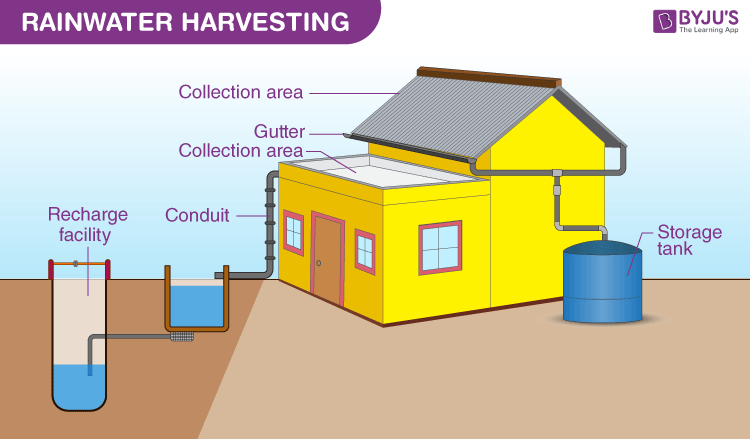
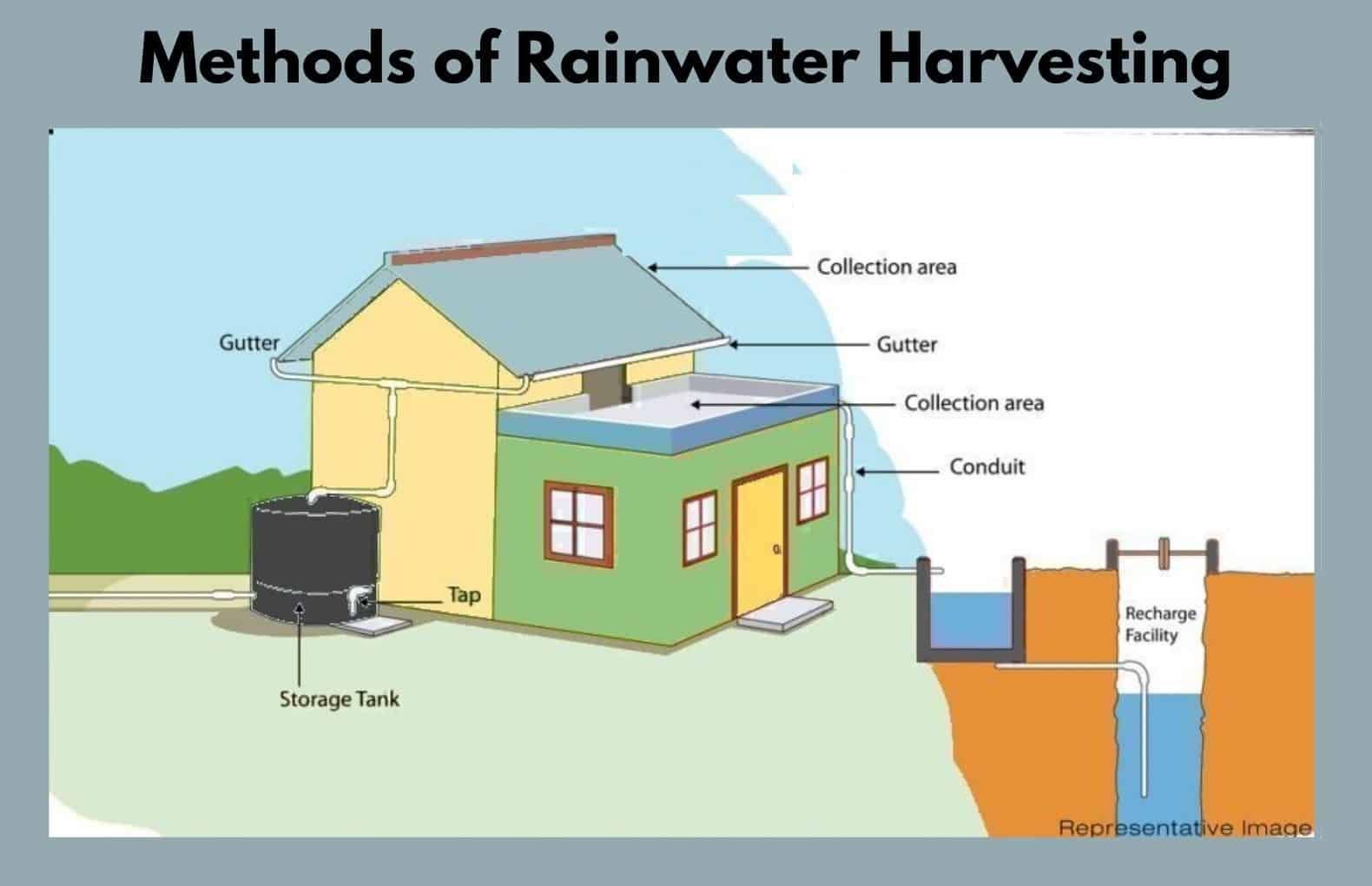
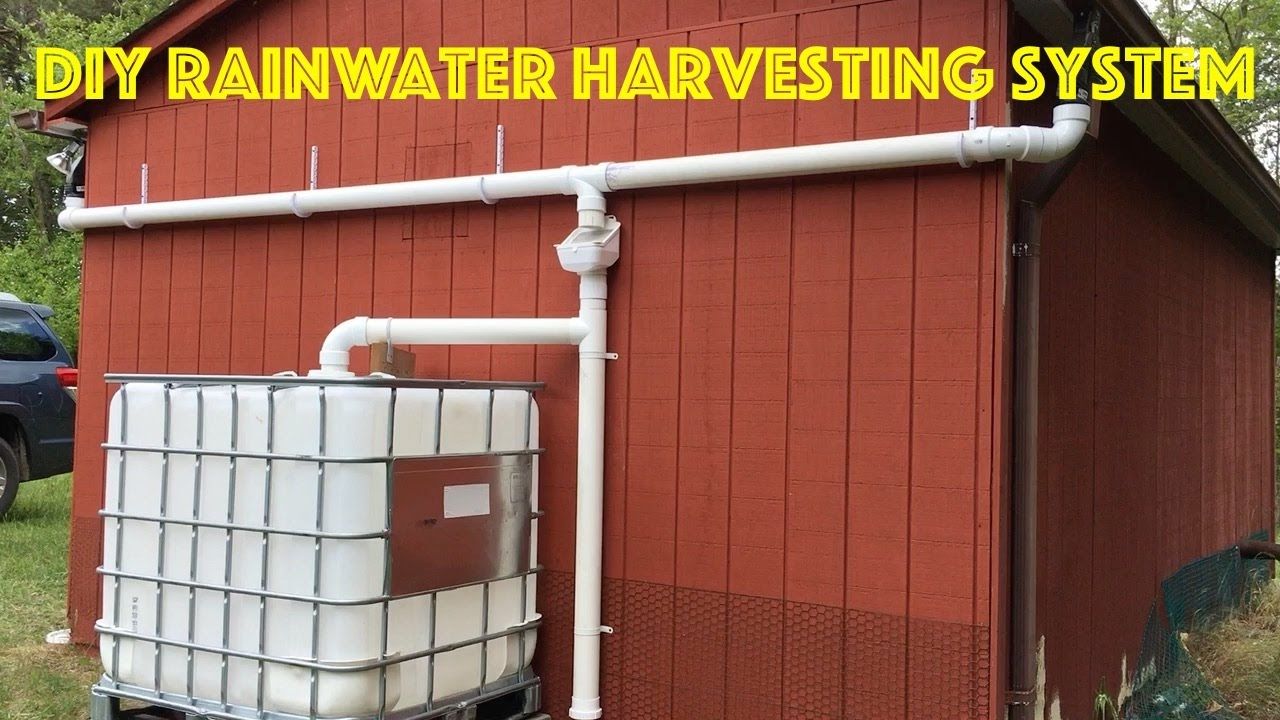
Before diving into the specifics of bathroom applications, it’s crucial to grasp fundamental concepts of rainwater harvesting. Think of it as creating a mini water cycle in your backyard. When rain falls, it collects on your roof – typically made of materials like metal, asphalt shingles, or clay tiles. The water then flows down gutters and into downspouts, eventually reaching storage containers. The key here isn’t just catching water, but ensuring it stays clean and usable. Different roofing materials affect water quality differently. Metal roofs tend to produce cleaner water than organic materials like wood or certain types of tiles. The first step in any successful system involves assessing your local rainfall patterns. Some regions receive abundant precipitation year-round, while others may only get enough during specific seasons. Understanding these factors helps determine the appropriate storage capacity and system size for your needs. For bathroom applications, the goal is typically to have a consistent water supply for non-potable uses like toilet flushing and handwashing. This means you’ll want a system that can reliably provide gallons of water when needed, not just during heavy rains.
Essential Components for Bathroom Systems
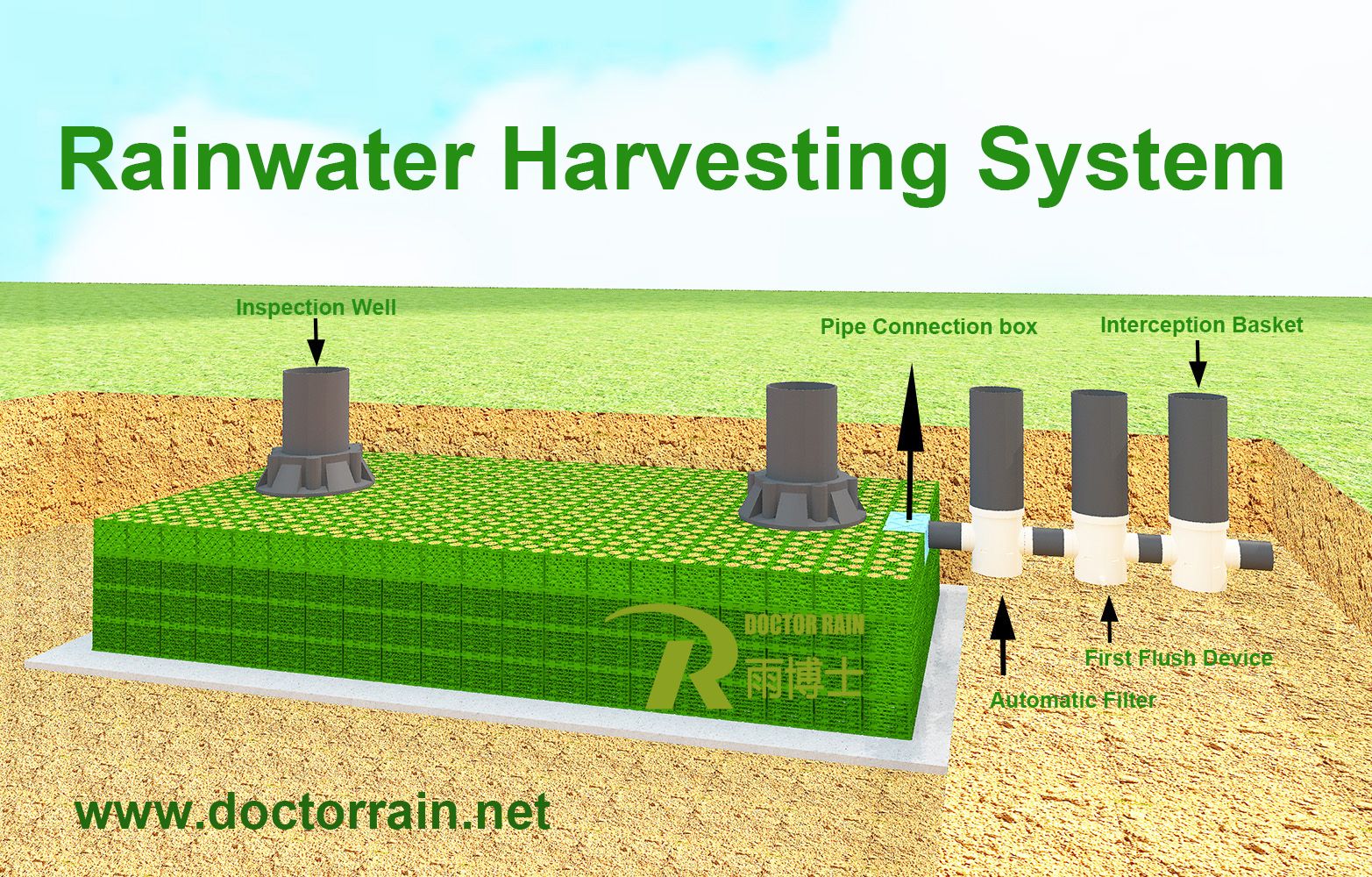
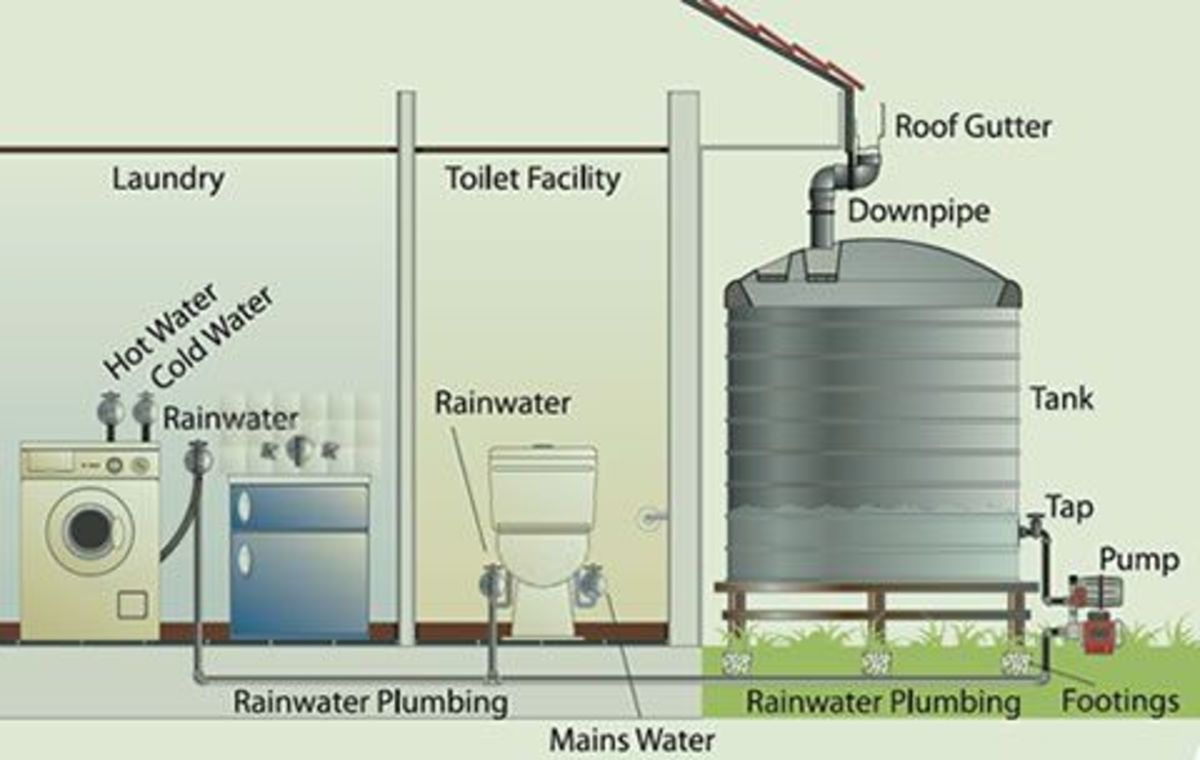
A well-designed rainwater collection system requires several core elements working together seamlessly. The first component is your catchment surface – essentially your roof. This area must be clean and free from contaminants like bird droppings or tree debris. Most systems work best with smooth surfaces that allow water to flow easily without trapping dirt. Next comes the guttering system, which channels water from the roof into downspouts. These should be regularly cleaned to prevent blockages that could cause overflow or damage. Downspouts themselves need proper positioning to direct water toward storage containers without creating puddles or erosion around your foundation. Storage tanks form the heart of the system, ranging from small barrels to large underground cisterns. The size depends on your water needs and available space. Many homeowners find 55-gallon barrels sufficient for small bathroom applications. However, larger systems with multiple tanks offer better reliability during dry periods. Finally, filtration systems are absolutely essential for bathroom use. Even clean rainwater can contain particles, pollen, or chemicals from atmospheric pollution. Installing filters at strategic points prevents these impurities from entering your plumbing system and potentially damaging fixtures or creating unpleasant odors. The combination of these elements creates a robust foundation for any sustainable bathroom water solution.
Designing for Bathroom-Specific Needs
When designing a system specifically for bathroom applications, several unique considerations come into play. Bathroom water demand varies significantly compared to outdoor irrigation or laundry needs. You’re typically looking at consistent, moderate usage rather than large-volume bursts. This means your system needs to maintain adequate pressure and flow rates for fixtures like toilets and sinks. Pressure requirements become particularly important when installing the system underground or at different elevations than your main water source. Many bathroom installations require pumps to boost water pressure when needed. The timing of water availability also matters greatly. Unlike garden irrigation, bathrooms operate on a more predictable schedule. Morning routines and evening activities create consistent demand patterns that your system should accommodate. Additionally, water temperature becomes a factor when considering bathroom use. While rainwater is naturally cool, some systems incorporate heating elements or mixing valves to provide comfortable temperatures for showers and handwashing. The design must account for seasonal variations too – winter months may see reduced collection due to snow or freezing conditions. Planning for these variations ensures your bathroom system remains reliable year-round.
Safety and Quality Considerations
Water safety cannot be overlooked when designing any rainwater collection system, especially for bathroom use. The primary concern involves preventing contamination that could make water unsafe for human contact. This starts with proper tank selection – food-grade containers are ideal, though many people successfully use specialized rainwater tanks designed for potable water storage. Regular maintenance is critical, including cleaning screens and filters, checking for algae growth, and monitoring for signs of contamination. Algae blooms can occur in exposed tanks, creating unsightly green water and potentially harmful bacteria. Proper covering of storage containers prevents debris entry while allowing air circulation to minimize bacterial growth. Testing water quality periodically provides peace of mind and early detection of potential issues. Simple tests can check pH levels, turbidity, and presence of harmful bacteria. Another important aspect is preventing mosquito breeding, which can occur in standing water. Proper tank design with tight-fitting lids and screens prevents insects from accessing water sources. For bathroom applications, consider installing UV sterilization systems or chlorination methods to ensure water remains safe for use. These precautions aren’t just about following rules – they’re about protecting your family’s health while maintaining an environmentally responsible system.
Installation Process and Best Practices
Installing a rainwater collection system for bathroom use requires careful planning and attention to detail. Start by selecting an appropriate location for storage tanks, ideally close to your bathroom to minimize pipe length and pressure loss. Underground installation offers space savings but requires additional considerations for access and maintenance. The connection process involves several steps: first, ensuring proper drainage from gutters to storage containers, then installing necessary filtration equipment before water reaches your bathroom fixtures. Many professionals recommend installing a first-flush diverter, which automatically discards the initial flow of water that carries the heaviest contamination from roof surfaces. This simple addition significantly improves water quality. Pipe sizing is another crucial element – undersized pipes create pressure problems, while oversized pipes waste materials and increase costs. Most bathroom installations benefit from 1-inch to 2-inch diameter piping depending on water demand. The installation process also includes setting up proper pressure regulation and possibly adding booster pumps if your system sits below bathroom level. Professional installation ensures compliance with local codes and optimal performance, though experienced DIY enthusiasts can tackle smaller projects with proper research and preparation.
Maintenance and Longevity Tips
A well-built system will serve you for decades, but only if properly maintained. Regular cleaning of gutters and downspouts prevents debris buildup that can clog your entire system. This should happen at least twice per season, though more frequent cleaning may be necessary after storms or in areas with heavy tree coverage. Monthly inspections of storage tanks check for cracks, leaks, or unusual growth that might indicate contamination issues. Filter replacement schedules vary based on local conditions and system usage, but most require changing every three to six months. Some systems include automatic filter cleaning features that extend their life and reduce maintenance burden. Monitoring water levels regularly helps identify potential issues before they become major problems. During winter months, freeze protection becomes essential for exposed components. Adding insulation or heating elements to vulnerable areas prevents system shutdown during cold weather. Keeping detailed records of maintenance activities makes troubleshooting easier and helps establish patterns for optimal system performance. Having a backup plan for power outages or pump failures ensures your bathroom remains functional during emergencies. These practices transform a one-time investment into a long-term sustainable solution that continues providing benefits for years to come.
Creating a sustainable rainwater collection system for bathroom plumbing represents more than just a clever engineering solution – it’s a commitment to environmental stewardship that pays dividends in both practical and ecological terms. The journey from concept to reality involves understanding fundamental principles, making thoughtful design decisions, and committing to ongoing maintenance. Every drop collected from your roof represents a small victory against water scarcity concerns and a step toward greater self-sufficiency. Whether you’re building a new home or upgrading an existing one, the investment in such a system offers tangible returns through reduced utility bills and increased property value. More importantly, it demonstrates that individual actions can contribute meaningfully to larger environmental goals. As climate change continues to impact water availability worldwide, systems like these become increasingly valuable. They’re not just about saving money or being trendy – they’re about ensuring our communities remain resilient and sustainable for future generations. The technology is accessible, the benefits are clear, and the impact is real. Your bathroom could soon become a hub of sustainable living, one raindrop at a time.