Think of your compost pile like a living thing. Just like we need fresh air to stay healthy, your compost needs oxygen to break down materials properly. When a pile gets too compacted or soggy, it’s like suffocating your garden’s best friend. The good news? There are simple, natural ways to give your compost the breath it needs to thrive.
Composting is one of nature’s most amazing processes, but it’s often misunderstood. Many people think that if they just pile up organic matter and wait, magic will happen. But composting is actually a delicate dance between microbes, moisture, and oxygen. Without proper airflow, your pile becomes anaerobic – meaning it works without oxygen – and that’s when things start to smell bad and decompose slowly. The solution isn’t complicated, but it does require paying attention to how you build and tend to your pile. This guide will show you the simple tricks that make all the difference in helping your compost breathe better naturally.
Understanding Compost Aeration
Compost needs oxygen to function properly. Think of it like a tiny ecosystem where beneficial bacteria and fungi work hard to break down organic matter. These microorganisms are aerobic, which means they need oxygen to survive and do their job effectively. When oxygen is scarce, anaerobic bacteria take over, creating smelly conditions and slow decomposition. The key is to create space for air to circulate through your pile. You might wonder why some piles work perfectly while others stink and don’t decompose. The answer lies in airflow. A well-aerated pile looks and smells healthy – it’s not just about mixing things up, but creating pathways for fresh air to reach every corner of your compost heap.
The Importance of Proper Structure
A good compost pile isn’t just about tossing stuff in and hoping for the best. It needs structure that allows air to flow freely. The classic "three-bin system" or even a simple pile built with proper layering creates natural air channels. Consider building your pile in layers: add coarse materials like twigs and shredded paper at the bottom. These act like little air ducts running through your pile. The best way to visualize this is to think about how a sponge works – it needs pores to let water in and out. Similarly, your compost needs spaces where air can move through. If everything is packed tightly together, there’s no room for that essential airflow. Try this approach: start with a base of coarse materials, then add alternating layers of green and brown materials, and finish with a top layer of finished compost or soil.
Natural Techniques for Better Airflow
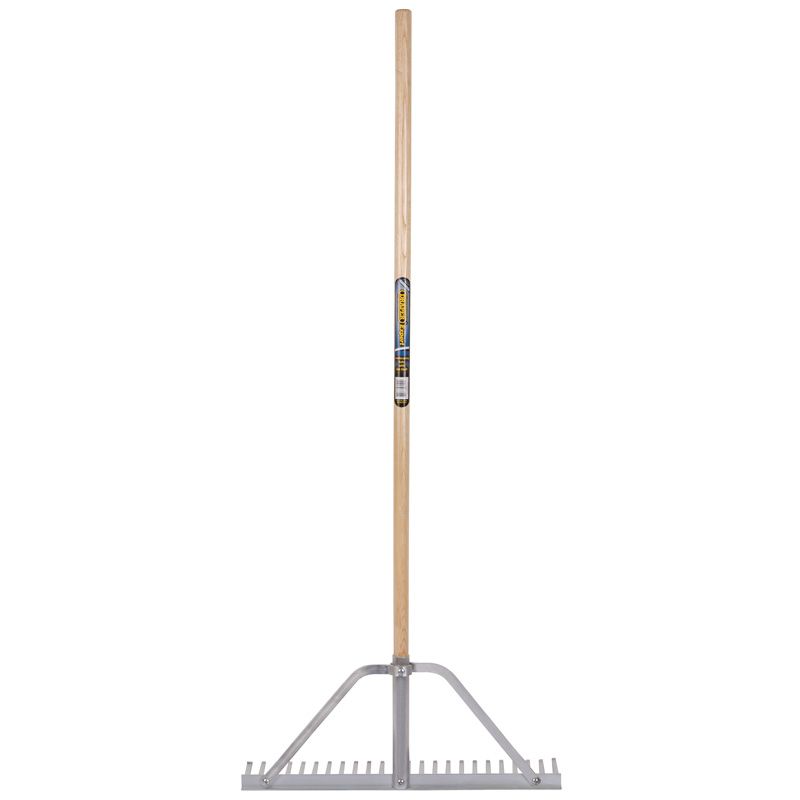
There are several straightforward methods that anyone can use to boost airflow naturally. One of the simplest approaches is using a garden fork to gently turn your pile every few weeks. This breaks up compacted areas and brings fresh air to the center. Another trick is adding "bulking agents" like dry leaves, straw, or wood chips to create air pockets. These materials have a spongy texture that helps prevent the pile from becoming too dense. Some gardeners swear by using a simple wooden stick or a long-handled tool to poke holes throughout the pile. It sounds basic, but it really works. You can also try placing your pile on a raised platform or using a compost bin with holes in the sides. These methods help air circulate from multiple directions, rather than just from the top.
Managing Moisture Levels
Moisture and airflow go hand in hand. Too much water makes the pile heavy and compact, blocking air circulation. Too little water means the microbes can’t function properly. The ideal is to keep your pile as damp as a wrung-out sponge. When you squeeze a handful of compost material, you should see just a few drops of water. This balance keeps the microbes active while maintaining enough space for air. A common mistake is watering too heavily, thinking that more moisture equals better composting. Actually, excess water pushes out oxygen and can lead to anaerobic conditions. Instead of constant watering, check the moisture levels regularly and only add water when needed. Adding dry materials like shredded newspaper or cardboard can help absorb excess moisture while still providing structure to the pile.
Using Natural Bulking Agents
Some materials work better than others at creating air pathways in compost. Dry leaves are excellent because they’re light and porous, allowing air to flow around them. Wood chips and small branches serve the same purpose. These materials also provide carbon, which balances the nitrogen-rich green materials. Straw is another great option, especially if you’re composting kitchen scraps. It adds volume and creates spaces where air can move. Even something as simple as crushed eggshells or small stones can help with aeration when mixed in. The key is choosing materials that are coarse and won’t break down too quickly. They should be large enough to create gaps but small enough to fit within the pile. Many gardeners find success using a mix of different bulking agents to create the best airflow structure.
Seasonal Adjustments for Optimal Breathing
Just like plants need different care in different seasons, your compost pile benefits from seasonal adjustments. In winter, you might need to add more brown materials to help maintain the right balance. Cold weather slows microbial activity, so keeping the pile well-aerated becomes even more important. During summer, watch for signs of excessive moisture and adjust accordingly. The heat can cause rapid evaporation, so you might need to water less frequently. Rainy seasons call for extra attention to drainage and preventing waterlogging. You can also adjust the size of your pile based on seasonal needs. Smaller piles are easier to manage during winter months when you might not want to turn them as often. Pay attention to how your pile behaves in different seasons and adapt your techniques accordingly. Some gardeners even use the changing seasons as cues to change their composting approach entirely.
Making your compost pile breathe better naturally isn’t rocket science, but it does require a bit of attention and understanding. The key is recognizing that compost is alive and needs the same basic necessities as anything else – oxygen, moisture, and the right environment. By focusing on structure, managing moisture levels, and using natural bulking agents, you’ll notice a dramatic improvement in both the smell and speed of your compost. The end result is rich, dark soil that feeds your garden and supports healthy plant growth. Remember, good composting is a skill that develops over time. Start with these simple methods and observe how your pile responds. Soon, you’ll develop an intuitive sense of what works best for your specific conditions. Your garden will thank you, and you’ll have a deeper appreciation for the incredible process of turning waste into treasure.