What if your garden tools could work harder for you while working softer on the planet? That’s exactly what minimalist green gardening is all about. It’s not just about having fewer tools, but choosing the right ones that last longer, harm less, and actually help your garden thrive. Think of it like building a toolbox that respects both your back and the earth beneath your feet.
Gardening isn’t just about planting seeds and watching them grow. It’s about creating a relationship with the land that’s respectful and sustainable. Your tools are the first step in that journey. Too many gardeners fall into the trap of collecting every gadget they see, thinking bigger is better. But what if I told you that a few well-chosen tools might do more for your garden than a dozen fancy gadgets? This approach isn’t just about saving money or space – it’s about creating a harmonious relationship between you and your garden that lasts for years.
The Philosophy Behind Minimalist Green Gardening
Minimalist green gardening isn’t about being stingy or frugal. It’s about intentional living and mindful choices. When we talk about sustainable garden tool belts, we’re really talking about selecting equipment that supports long-term garden health rather than quick fixes. This philosophy recognizes that our gardens are ecosystems, not just collections of plants to be managed. Every tool we choose should either support that ecosystem or be replaced by something more efficient.
Consider how often you use different garden tools. Most people have a handful of tools they rely on daily, while others sit gathering dust. The minimalist approach helps us identify those essential items that truly serve our garden’s needs. It’s about quality over quantity, and sometimes that means investing in one excellent tool rather than several mediocre ones.
Essential Tools for Every Sustainable Garden
Every garden deserves a core set of tools that will serve you for years. These aren’t flashy or expensive – they’re simply the most useful items that get the job done properly.
• Hand trowel: A good trowel is the foundation of most gardening tasks. Look for one with a comfortable grip and sturdy blade.
• Pruning shears: Sharp, clean cuts make a huge difference in plant health. Choose a pair that feels comfortable in your hand.
• Hand cultivator: This tool breaks up soil and removes weeds without requiring heavy machinery.
• Watering can: A simple watering can with a long spout lets you water precisely where needed.
• Garden gloves: Protect your hands from thorns, dirt, and chemicals.
These five tools cover most garden tasks. They’re versatile enough to handle everything from seed starting to harvest time. Plus, they’re typically made from materials that won’t harm the environment when they eventually need replacing.
Choosing Materials That Last and Heal
The materials in your garden tools matter more than you might think. Traditional metal tools can rust and leach chemicals into the soil over time. Sustainable gardeners look for alternatives that are built to last and don’t harm their environment.
Wooden handles are a classic choice because they’re naturally antimicrobial and don’t conduct electricity. They also give a better grip in wet conditions. However, they require some maintenance – regular oiling keeps them in good shape.
Stainless steel blades are durable and rust-resistant. While they cost more upfront, they save money over time since you don’t need to replace them as often. Some manufacturers even use recycled stainless steel.
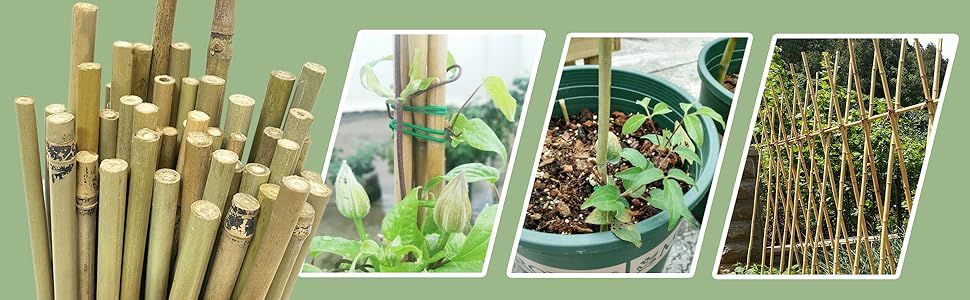
Bamboo handles are becoming increasingly popular because they’re renewable and strong. They’re also lightweight and comfortable to hold.
Plastic components should be avoided when possible. If you must use plastic, choose items made from recycled materials or those that can be recycled after use. The goal is to reduce waste and environmental impact wherever you can.
Building Your Tool Belt System
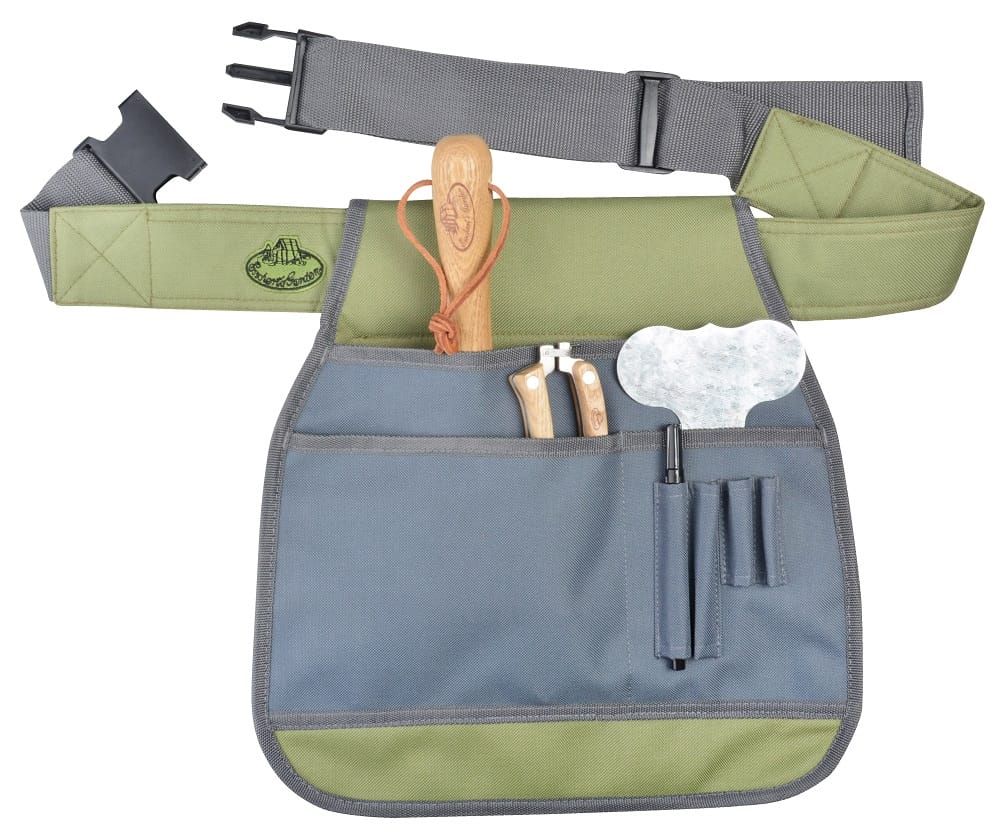
A well-designed tool belt isn’t just about carrying things around – it’s about organizing your workflow. The right system makes gardening easier and more enjoyable.
Think about how you move through your garden. Do you spend a lot of time walking back and forth to your shed? A tool belt keeps your essentials close at hand. This is especially important for small gardens or if you have mobility issues.
When selecting a tool belt, consider:
• Comfort: You’ll be wearing it for hours, so make sure it fits well and distributes weight evenly
• Storage capacity: Enough pockets for your essential tools but not so much that it becomes unwieldy
• Durability: Look for materials that can handle weather and frequent use
• Adjustability: A belt that fits different body types and garden sizes
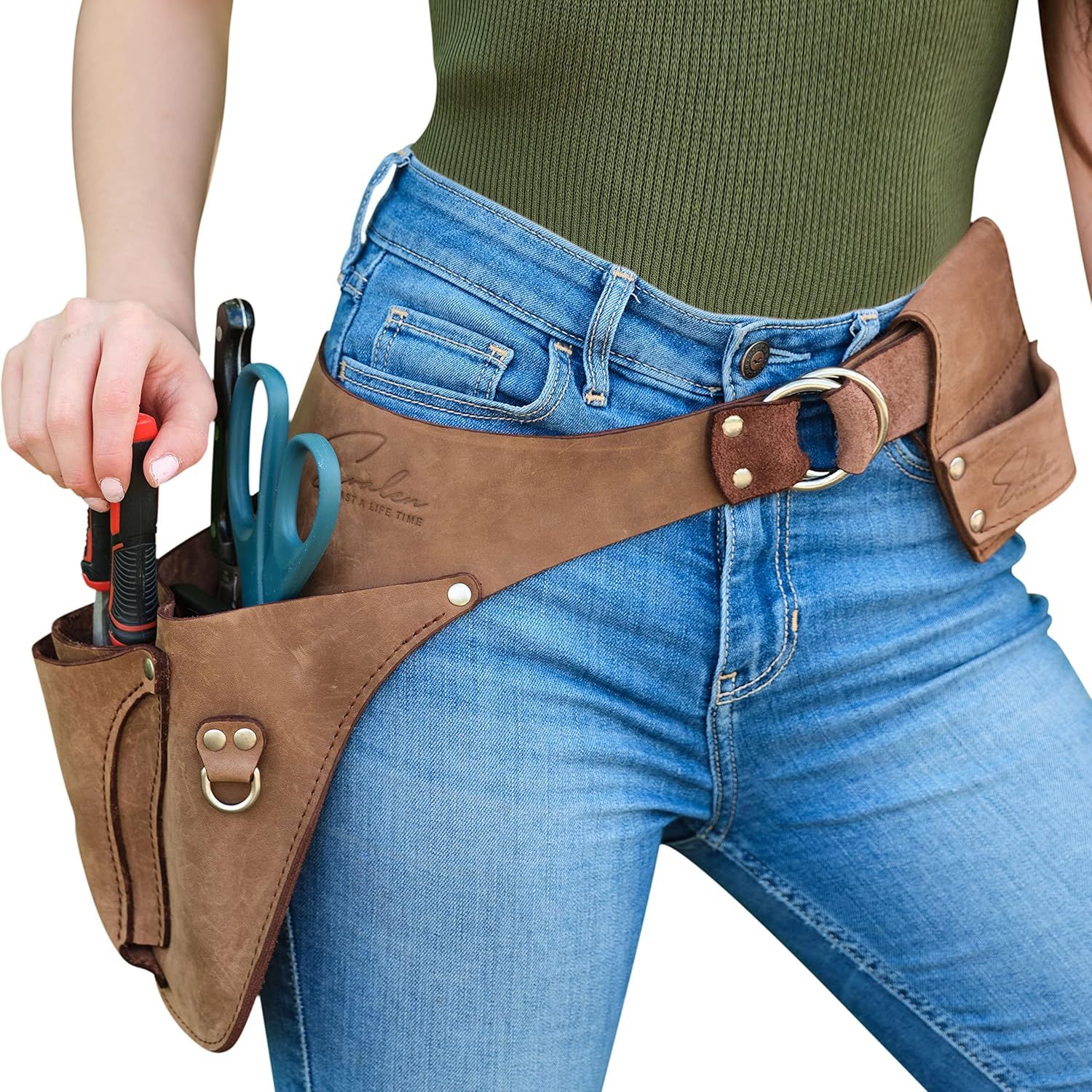
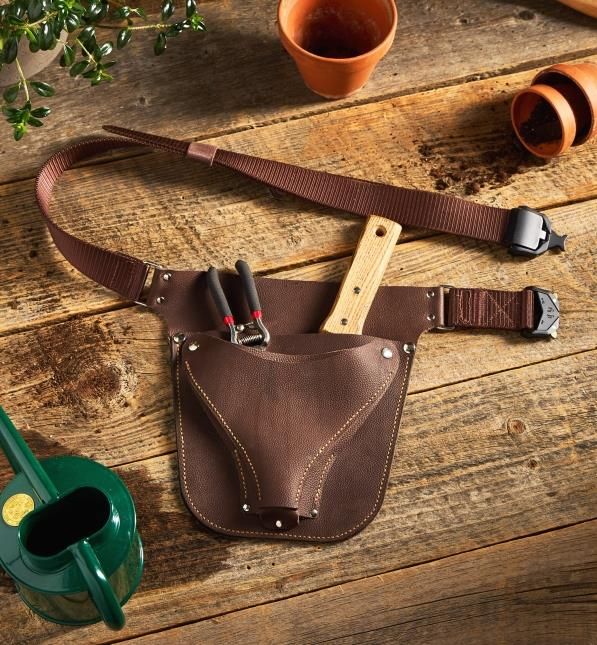
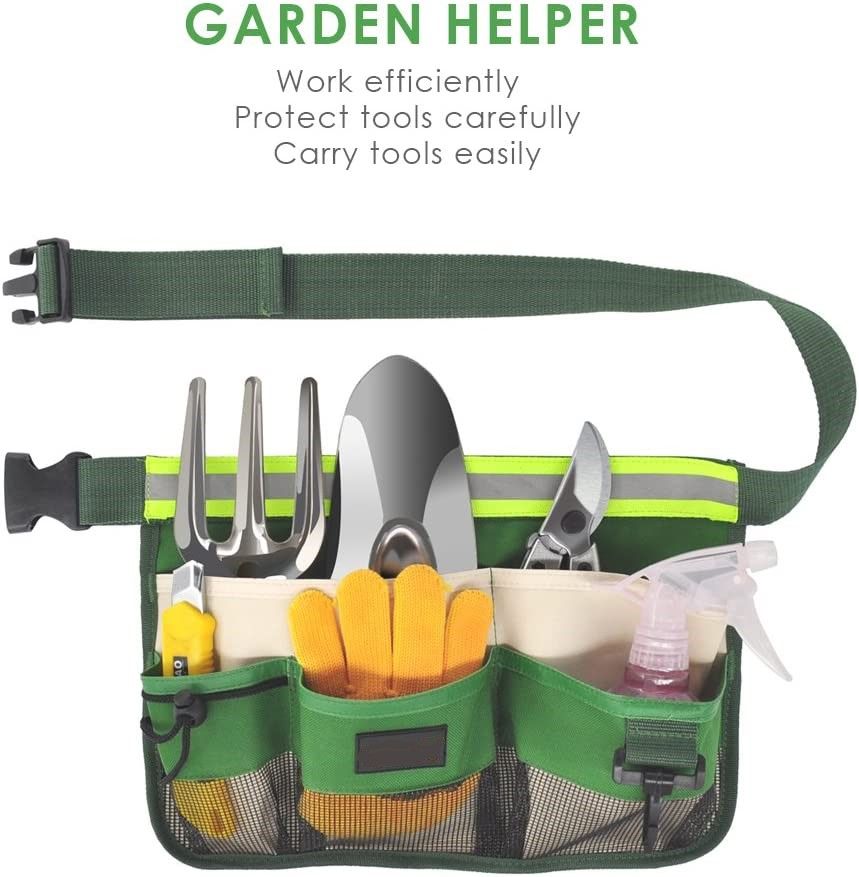
Some gardeners prefer traditional leather belts, while others opt for modern synthetic materials that are waterproof and easy to clean. The key is finding something that works with your natural gardening rhythm.
Maintaining Your Sustainable Tool Collection
Tools are investments, so they deserve proper care and attention. Regular maintenance extends their life and keeps them performing at their best.
• Clean regularly: Remove dirt, debris, and plant material after each use
• Oil metal parts: Especially handles and blades, which can rust if left untreated
• Sharpen when needed: Dull tools are dangerous and ineffective
• Store properly: Keep tools in a dry place away from direct sunlight
• Replace parts: Small repairs like handle replacements can extend tool life significantly
This routine maintenance might seem like extra work, but it pays off in efficiency and longevity. A sharp trowel cuts through soil easily, while a well-maintained pruning shear makes clean cuts that heal quickly. The investment in maintenance is always less than buying new tools.
Beyond Tools: The Lifestyle of Sustainable Gardening
Creating a sustainable garden tool collection isn’t just about the physical items you own – it’s about changing how you approach gardening itself. This mindset shift leads to better decisions throughout your garden journey.
When you commit to sustainable tools, you’re also committing to sustainable practices. You start thinking about how each tool affects your garden’s health and environment. This awareness naturally leads to better watering habits, composting practices, and plant selection.
Think about the ripple effect: using fewer, higher-quality tools means less manufacturing waste, less energy consumption, and less packaging. It also means you’re more likely to take better care of what you have. There’s something deeply satisfying about tools that work well and last long.
This approach also reduces stress. Instead of feeling overwhelmed by too many options, you focus on what matters. You learn to appreciate the simplicity of doing things right with fewer resources. The result is often a more peaceful, productive gardening experience.
Designing a sustainable garden tool belt isn’t just about collecting the right items – it’s about creating a mindful approach to gardening that benefits both you and the planet. By focusing on quality over quantity, choosing materials that last, and maintaining your tools properly, you’re building a foundation for years of successful gardening. The journey toward minimalist green gardening isn’t about sacrifice – it’s about finding joy in simplicity. When you’ve got the right tools in the right places, gardening becomes less about fighting against nature and more about working with it. Your garden will thank you, and so will future generations who might inherit the land you’re caring for today. Remember, the best garden tools are the ones that help you garden in harmony with the earth, not against it.