Every gardener knows that the journey from tiny seed to thriving plant begins with a good start. But what happens when you’re ready to plant those seeds? The choice between traditional plastic trays and biodegradable alternatives can make all the difference in your garden’s success. These small containers might seem insignificant, but they play a crucial role in setting the foundation for healthy plant growth.
The way we start our plants can determine whether they’ll flourish or struggle. When it comes to growing seeds, the container matters more than many gardeners realize. While plastic trays have been the go-to option for decades, the rise of environmentally conscious gardening has brought biodegradable alternatives to the forefront. These trays offer a sustainable solution that’s both practical and kinder to our planet. Whether you’re a seasoned green thumb or just starting out, understanding how to choose the right biodegradable seed tray can transform your gardening experience. It’s not just about picking something that holds soil and water – it’s about selecting a system that supports healthy root development and makes transplanting a breeze.
Understanding Biodegradable Seed Trays
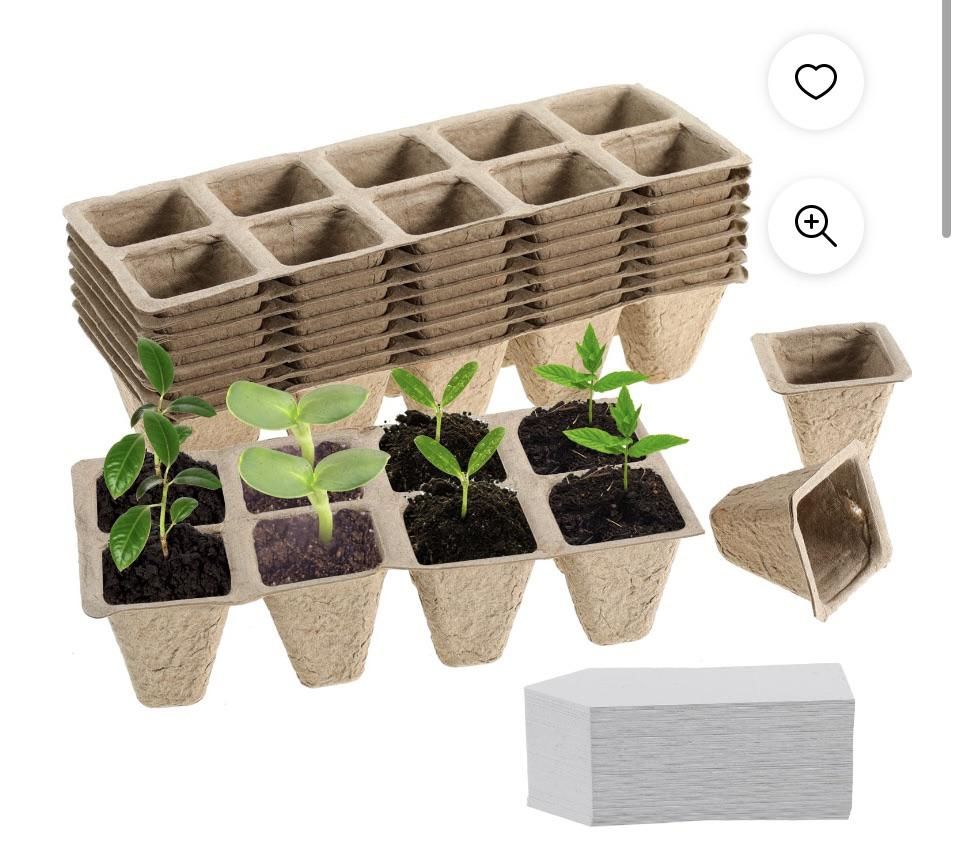
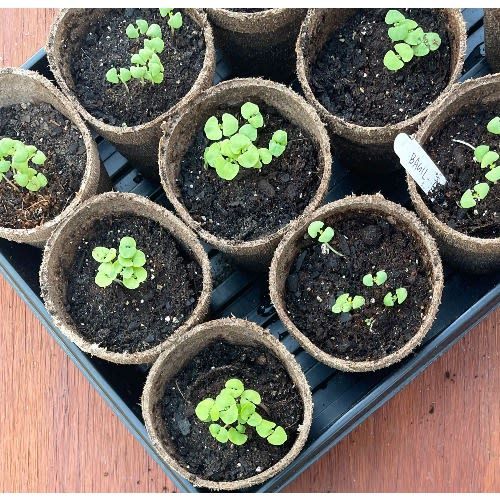
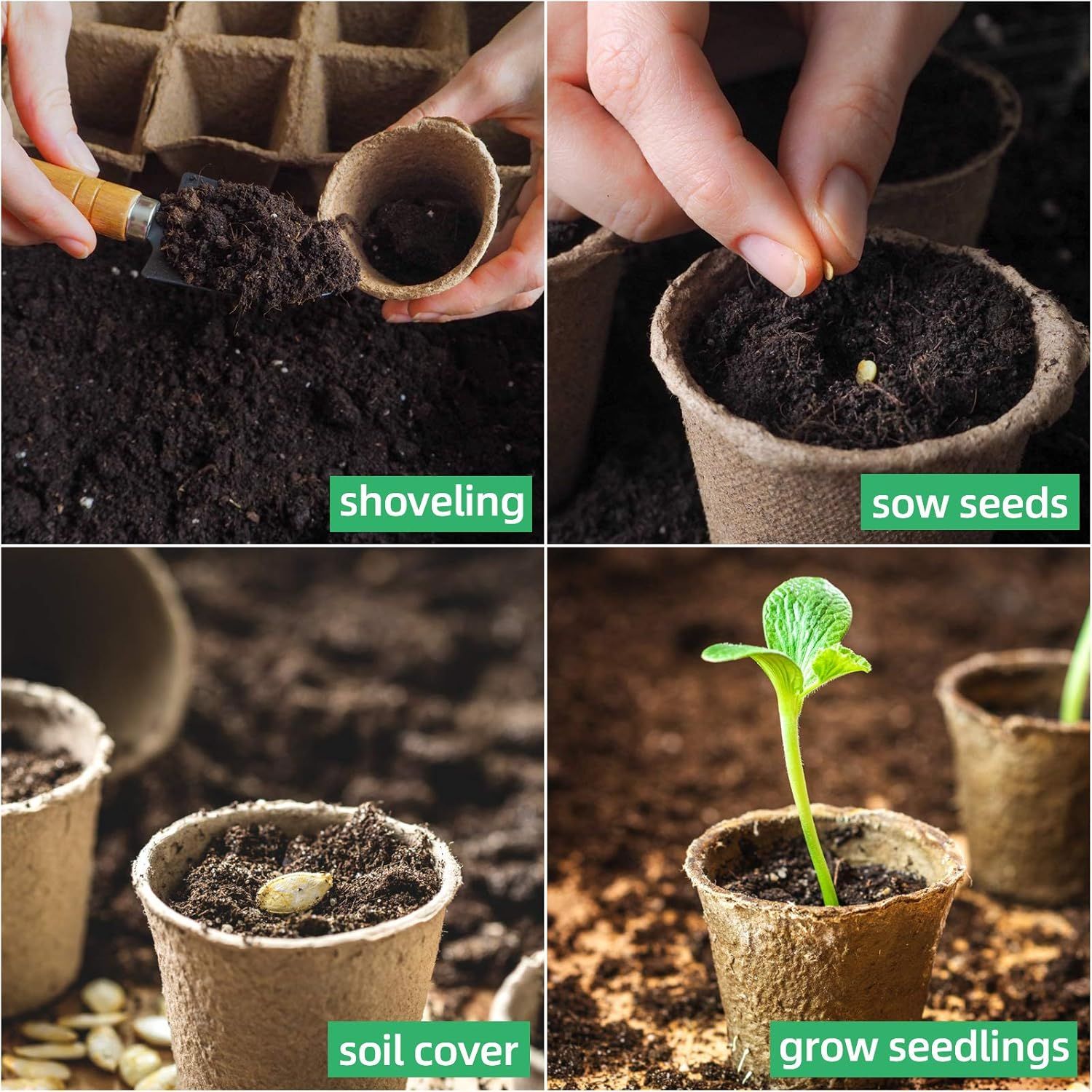
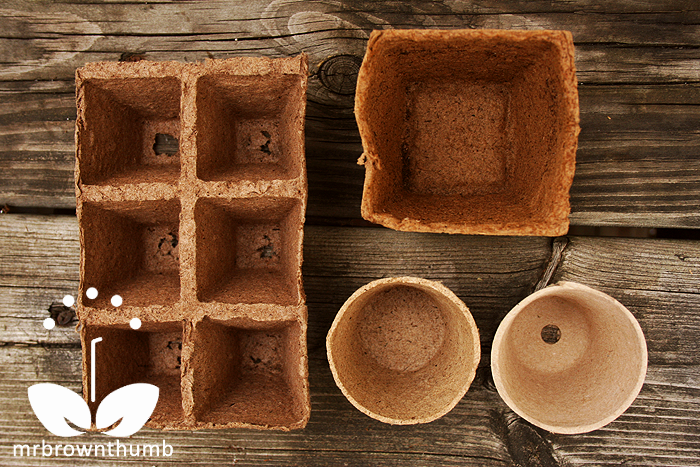
Biodegradable seed trays aren’t just a trendy eco-friendly option – they’re a thoughtful approach to gardening that considers the entire lifecycle of your growing system. These trays break down naturally over time, often within months, leaving no harmful residue behind. They’re typically made from materials like peat, coconut coir, paper pulp, or even wheat straw. What makes them particularly appealing is their ability to decompose right in the ground alongside your plants. This means less waste and fewer containers to dispose of after use. Think of them as nature’s gift to gardeners who want to reduce their environmental footprint while still getting excellent results. The decomposition process actually adds nutrients back into the soil, creating a beneficial cycle. Plus, they’re perfect for gardeners who want to avoid any chance of plastic contamination in their growing environment.
Materials Matter: What to Look For
Not all biodegradable trays are created equal. The material used in construction significantly impacts performance and suitability for different plants. Peat-based trays are popular because they hold moisture well and provide excellent drainage. However, they may not be ideal for all gardeners due to concerns about peat harvesting sustainability. Coconut coir trays offer similar benefits but come from renewable resources. Paper trays are lightweight and affordable, though they may not last as long in wet conditions. Wheat straw trays are gaining popularity for their strength and rapid decomposition. Consider what your plants need most – some require better water retention, others need more air circulation. The material should match your specific gardening situation. For instance, if you’re dealing with very wet climates, you might want to avoid paper trays and opt for something more durable. The right material can make the difference between healthy seedlings and disappointing failures.
Size and Depth Considerations
The dimensions of your seed tray can affect everything from germination rates to root development. Standard trays typically measure 10×20 inches with 16 to 24 cells, but sizes vary widely depending on your needs. Smaller trays work well for delicate seeds or when space is limited. Larger trays are great for bigger plants or when you’re starting many seeds at once. Depth matters too – deeper trays allow for better root development and can support larger seedlings. A general rule is to choose trays that are at least twice as deep as the root system you expect to develop. Some trays feature different cell depths to accommodate various plant types. For example, tomatoes need deeper roots than lettuce, so they’ll benefit from deeper cells. The right size prevents overcrowding while ensuring each seedling gets adequate room to grow. Remember, you can always move smaller seedlings to larger containers later, but it’s harder to give cramped seedlings more space.
Drainage and Water Management
Good drainage is essential for healthy seedling development. Poor drainage leads to waterlogged soil, which causes damping-off disease and other fungal problems. Look for trays with proper drainage holes throughout the bottom. Some trays feature additional drainage features like raised edges or specially designed channels. The material should allow excess water to escape easily while retaining enough moisture for seed germination. Overwatering is one of the most common mistakes new gardeners make, and having a tray that manages water well can prevent this issue. Some trays incorporate moisture-retaining features that release water slowly to keep soil consistently moist. Consider your local climate when choosing drainage options – areas with heavy rainfall might need more robust drainage systems. The goal is to create a balance where your seeds get enough water without sitting in soggy conditions.
Durability and Handling
Even biodegradable trays need to withstand the rigors of handling during planting, watering, and transport. You want something sturdy enough to handle without breaking apart, but still biodegradable when finished. The quality of construction affects how well trays perform in real-world situations. Look for trays that maintain their shape during use and don’t crumble when wet. Some trays have reinforced edges or special coatings that improve durability without compromising biodegradability. Consider how you’ll be moving trays around – do you need handles or a particular design for easy transport? Durability becomes especially important when you’re working with fragile seedlings. A tray that breaks apart during transplanting defeats the purpose of using biodegradable materials. The best trays strike a balance between being tough enough for practical use and gentle enough for the environment.
Cost vs. Value Analysis
While biodegradable trays might cost slightly more upfront than plastic alternatives, the long-term benefits often outweigh the initial investment. Factor in the cost of disposal and environmental impact when comparing options. Some gardeners find that they save money over time by avoiding plastic waste disposal fees. Others appreciate the peace of mind that comes with knowing they’re not contributing to plastic pollution. Consider buying in bulk if you plan to use trays regularly – this often reduces per-unit costs significantly. Quality trays might last longer and produce better results, making them a worthwhile investment. Compare prices across different brands and retailers to find the best value for your budget. Remember that the cheapest option isn’t always the best choice if it fails to deliver good results. Sometimes spending a bit more upfront leads to healthier plants and less frustration down the road.
Choosing the right biodegradable seed tray might seem like a small decision, but it can have lasting effects on your gardening success and environmental impact. The key is matching the tray characteristics to your specific needs – whether that’s plant type, climate conditions, or personal preferences. Take time to consider factors like material, size, drainage, and durability before making your selection. Remember that the best tray is one that works seamlessly with your gardening routine while supporting your plants’ health. Don’t overlook the importance of proper care and handling, as even the best trays will underperform if not used correctly. Ultimately, the right biodegradable seed tray helps create a foundation for successful gardening while aligning with sustainable practices. Your garden will thank you for making a thoughtful choice, and future gardeners will benefit from the reduced environmental impact of your growing methods.