When you think about gardening tools, what comes to mind? Probably something simple – a shovel, maybe a trowel, or a pruner. But what if I told you that the secret to sustainable gardening might be hiding in plain sight, right beneath your fingertips? That secret isn’t just in the handle or the blade – it’s in the very foundation of the metal itself. Enter boron steel, a material that’s quietly transforming how we approach garden maintenance and environmental stewardship.
Gardening is more than just planting seeds and nurturing growth – it’s about creating harmony between human activity and nature’s delicate balance. As our awareness of environmental impact grows, so does our desire to cultivate gardens that don’t compromise our planet’s future. This shift toward sustainability has sparked curiosity about the materials we use in our gardening tools and equipment. One often-overlooked element in this transformation is boron steel. This specialized alloy, which incorporates boron into traditional steel compositions, brings a remarkable set of characteristics that make it particularly well-suited for sustainable horticultural applications. The story of boron steel in gardening isn’t just about better tools – it’s about how we can extend the lifespan of our equipment, reduce waste, and ultimately minimize our ecological footprint while maintaining the quality and efficiency we expect from our gardening endeavors.
What Makes Boron Steel Different?
Boron steel stands apart from regular steel due to its unique composition and resulting properties. While standard steel typically consists of iron with small amounts of carbon, boron steel introduces boron atoms into the mix. This addition fundamentally changes the material’s behavior, creating a steel that’s stronger, more durable, and more resistant to wear and corrosion than its conventional counterpart. Think of it like adding a special ingredient to a recipe – it transforms the final product in ways that can be both subtle and dramatic.
The presence of boron creates what’s called ‘solid solution strengthening.’ This means that boron atoms actually get incorporated into the steel’s crystal structure, making the material more robust at the molecular level. It’s similar to how adding fiber to concrete makes it much stronger than regular concrete alone. In gardening terms, this translates to tools that won’t bend, break, or rust as quickly as traditional steel alternatives.
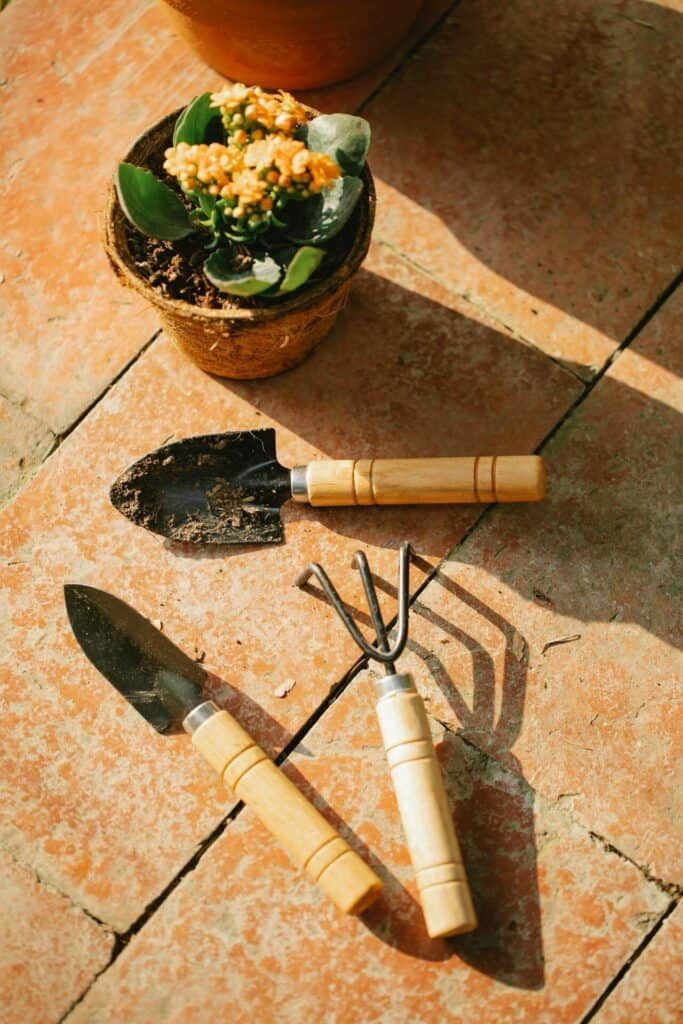
Consider a typical garden trowel made from regular steel versus one crafted from boron steel. The boron steel version might last twice as long before needing replacement, which means fewer resources consumed in manufacturing new tools and less waste ending up in landfills. This seemingly small change in material composition can have significant implications for gardeners who want to minimize their environmental impact while maximizing tool longevity.
Durability That Lasts Through Seasons
One of the most compelling advantages of boron steel in gardening is its exceptional durability. Unlike regular steel tools that may show signs of wear after just a few seasons of use, boron steel maintains its integrity through years of regular gardening tasks. This durability comes from the material’s enhanced hardness and resistance to deformation.
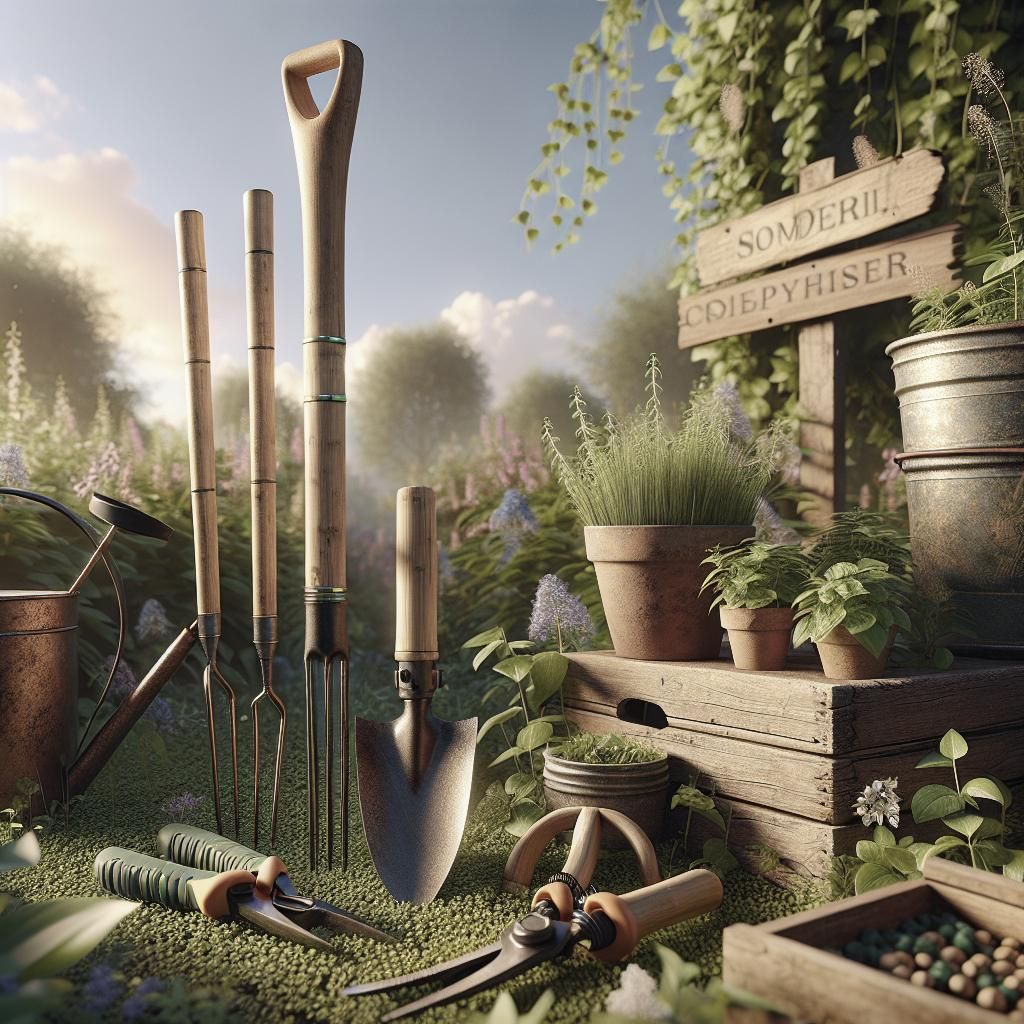
Imagine a garden fork that’s been used for decades, never requiring replacement. That’s exactly what boron steel enables. The material’s ability to resist wear means that gardeners don’t need to constantly replace their tools, which reduces the demand for raw materials and manufacturing processes. It’s a simple concept, but one that has profound implications for sustainable gardening practices.
The longevity of boron steel tools also means that gardeners can invest in higher-quality equipment upfront, knowing they’ll get years of reliable service. This investment mindset is crucial when considering sustainability – instead of buying cheap tools that fail quickly and need frequent replacement, gardeners can choose tools that will serve them through multiple growing seasons, reducing overall consumption and waste generation.
Many gardeners report that their boron steel tools continue to perform well even after ten or fifteen years of regular use. This reliability gives them confidence to tackle more demanding tasks, knowing their tools won’t let them down when they need them most.
Corrosion Resistance and Environmental Impact
Corrosion is one of the biggest enemies of gardening tools. Moisture, soil chemicals, and weather conditions all contribute to the deterioration of steel tools over time. Boron steel addresses this challenge with superior corrosion resistance compared to standard steel alloys.
This enhanced resistance occurs because boron improves the steel’s ability to form protective oxide layers naturally. When exposed to moisture and oxygen, boron steel develops a more stable and effective barrier against further oxidation. It’s like having a natural shield that prevents the underlying metal from degrading.
For gardeners, this means less time spent cleaning and maintaining tools, and more time actually gardening. Tools that resist rust and corrosion also require fewer chemical treatments or coatings, which can be harmful to plants and soil health. Many gardeners find that their boron steel tools stay in good condition even when left outdoors during winter months.
The environmental benefits extend beyond individual tool performance. When tools last longer and require less maintenance, there’s reduced demand for manufacturing new products and disposal of old ones. This reduction in production cycles and waste streams directly supports sustainable gardening practices. Additionally, fewer chemical treatments mean less potential contamination of soil and groundwater, which is crucial for maintaining healthy garden ecosystems.
Reducing Waste Through Longevity
In a world increasingly concerned with waste reduction and circular economy principles, boron steel’s contribution to sustainable gardening cannot be overstated. The extended lifespan of boron steel tools means significantly less waste generated from gardening equipment. Instead of replacing tools every few years, gardeners using boron steel products can expect them to last for decades.
This longevity dramatically impacts the amount of metal waste entering landfills. Steel is already one of the most recycled materials in the world, but reducing the frequency of replacement still decreases the overall volume of materials that need processing. For gardeners who regularly purchase new tools each season, switching to boron steel represents a substantial step toward waste reduction.
Consider the broader picture: if every gardener who replaces their tools annually switched to boron steel alternatives, the collective reduction in waste would be remarkable. The manufacturing process for steel requires significant energy and resources, including mining iron ore, processing coal, and consuming electricity. By extending tool life, we reduce the demand for these intensive processes.
Many gardeners have discovered that their boron steel tools become family heirlooms, passed down through generations. This tradition of tool preservation not only saves money but also reduces the environmental cost of continuous production. The emotional connection to these tools often makes them even more treasured, encouraging proper care and maintenance that further extends their useful life.
Energy Efficiency in Tool Production
The production of gardening tools involves considerable energy consumption, from mining raw materials to manufacturing finished products. Boron steel offers advantages in this area too, as the material’s properties allow for more efficient manufacturing processes.
Because boron steel is harder and more wear-resistant, manufacturers can produce tools with thinner cross-sections while maintaining strength. This reduction in material usage means less raw steel is required for each tool, translating to lower energy consumption during production. It’s an elegant example of how material science can contribute to energy efficiency.
The manufacturing process itself becomes more streamlined with boron steel. Tools made from this material often require less post-processing because they maintain their shape and dimensions more consistently during heat treatment. This efficiency reduces the overall energy required to bring tools from raw material to finished product.
For gardeners who are environmentally conscious about their purchasing decisions, choosing boron steel tools means supporting a manufacturing process that uses fewer resources and generates less waste. This choice aligns with broader sustainability goals while providing practical benefits in daily gardening tasks.
Additionally, the energy savings from reduced manufacturing are compounded over time. Every tool that lasts longer means fewer replacements, which means less energy invested in producing new items. It’s a cumulative effect that benefits both individual gardeners and the global community working toward more sustainable practices.
Practical Applications in Modern Gardening
Boron steel’s versatility makes it suitable for various gardening applications, from basic hand tools to more sophisticated equipment. Gardeners are discovering that this material excels in different contexts, offering consistent performance across a range of tasks.
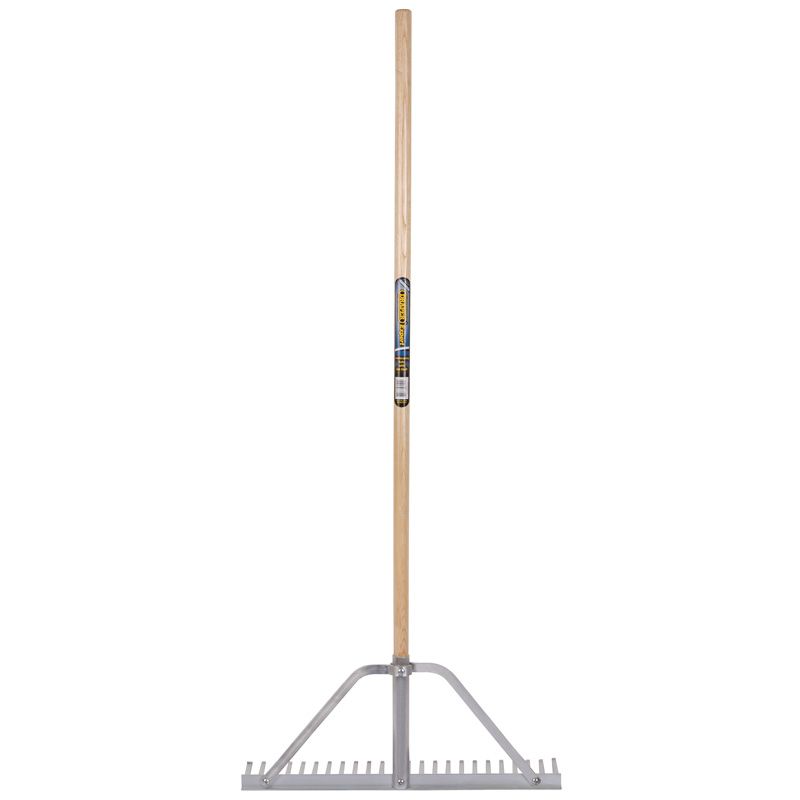
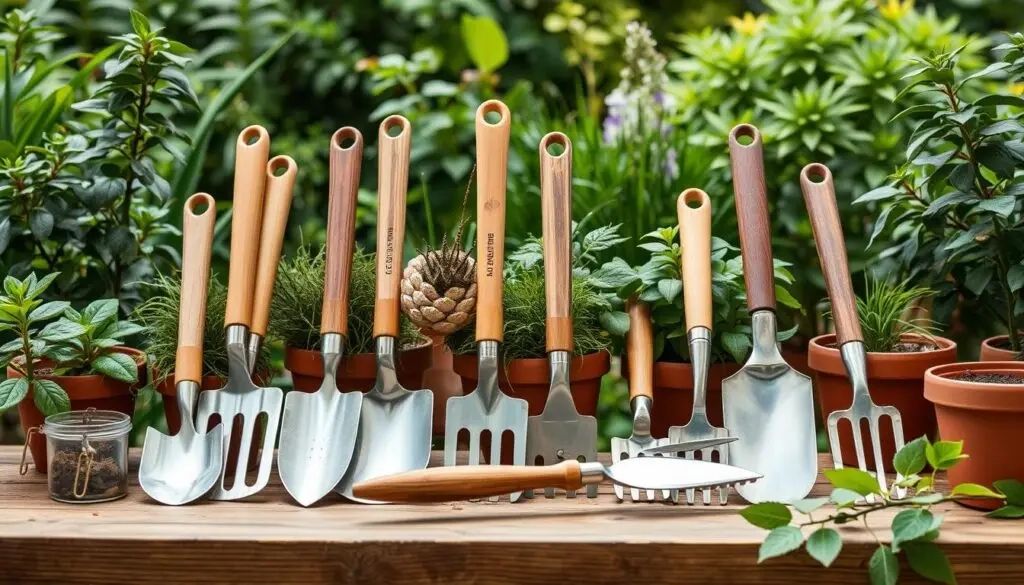
In hand tools like shovels, rakes, and pruners, boron steel provides the strength needed for heavy-duty work while resisting wear from soil contact. These tools often see the most abuse in a garden, so their durability is essential. Gardeners report that boron steel shovels maintain sharp edges longer than traditional alternatives, making digging and moving soil easier and more efficient.
For larger equipment such as tillers, cultivators, and even some garden furniture components, boron steel offers similar advantages. The material’s resistance to fatigue and stress makes it ideal for parts that experience repeated loading and unloading during operation.
Many modern gardening companies are recognizing the value of boron steel and incorporating it into their product lines. This trend reflects growing consumer awareness about sustainability and tool longevity. Gardeners who choose boron steel tools aren’t just making a practical decision – they’re participating in a movement toward more responsible consumption.
The practical benefits are immediately apparent to users. A gardener who buys a boron steel hoe finds that it performs well for years without showing signs of weakness or degradation. This reliability allows for more consistent gardening schedules and less frustration with failing equipment. The investment pays dividends not just in reduced replacement costs, but in increased gardening satisfaction and productivity.
As we continue to grapple with environmental challenges and seek ways to live more sustainably, the choices we make in our gardens reflect broader values about resource use and planetary stewardship. Boron steel represents a fascinating intersection of material science and ecological responsibility, offering gardeners a way to reduce waste, conserve resources, and maintain high-performance tools for years to come. The journey from simple gardening tools to complex material innovations shows us that even the smallest details – like the type of steel used in a garden fork – can have meaningful impacts on our environment. For gardeners who want to do more than just grow plants, choosing boron steel tools is a tangible way to support sustainable practices that benefit both personal gardening success and global environmental health. The story of boron steel in gardening is far from over – it’s just beginning to unfold in ways that promise to make our green spaces healthier and our planet more resilient.