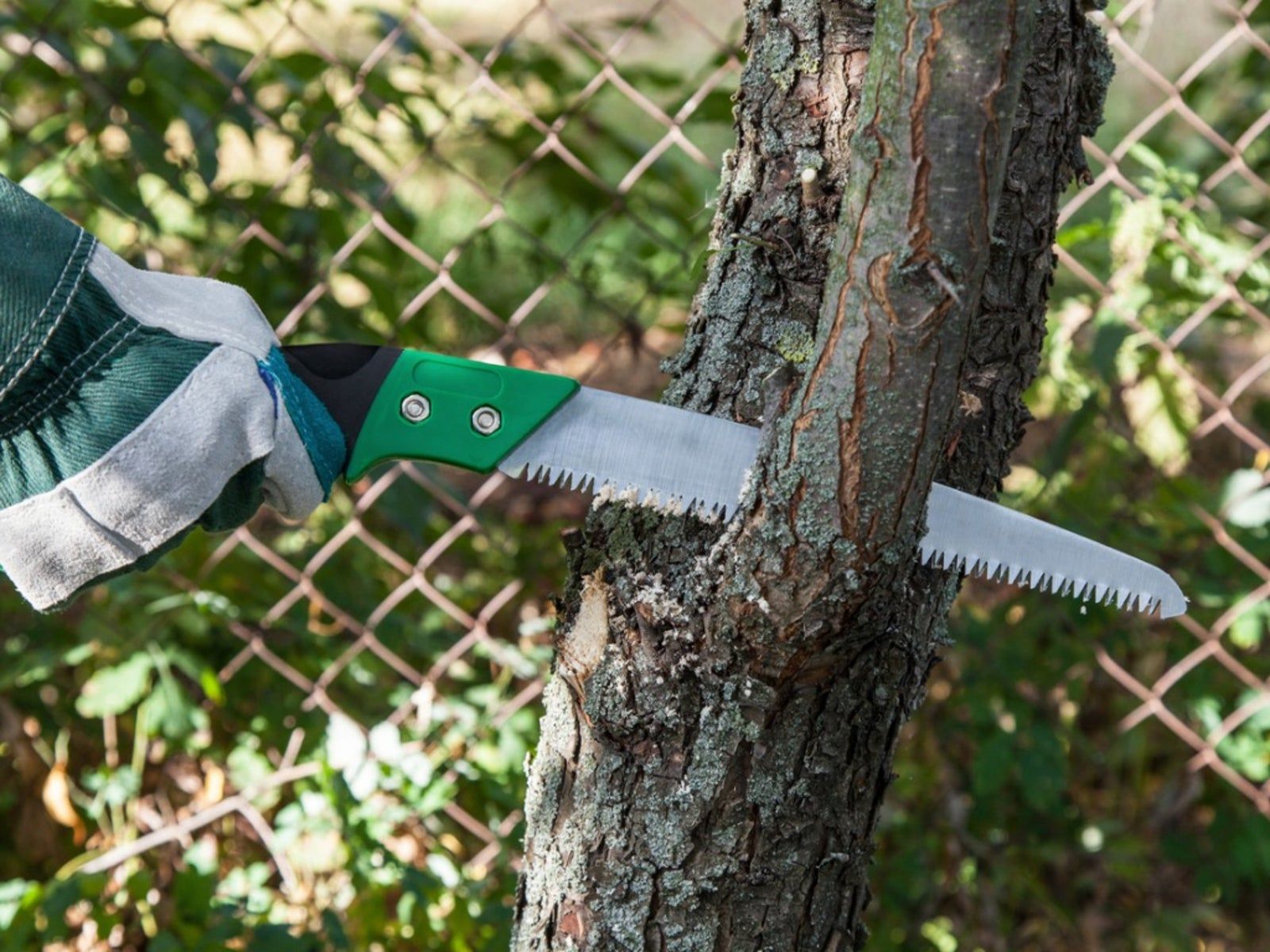
There’s something deeply satisfying about using a good hand saw in the garden. The rhythmic cutting, the clean slices through wood, the way it responds to your touch. But here’s the thing – not all saws are created equal. Some last decades, others give up after a few seasons. What separates the durable from the disposable? And how do you keep that reliable tool working when the job gets tough?
Garden work often calls for the right tool at the right time. While power tools have their place, there’s still magic in a well-made hand saw. Whether you’re pruning branches, cutting firewood, or shaping garden borders, a quality saw can make all the difference between a frustrating day and a smooth operation. But buying a saw isn’t just about finding something that cuts. It’s about investing in something that will serve you through many seasons. The right saw should feel solid in your hands, cut cleanly, and hold up against the elements. It’s about sustainability, really. Not just environmental sustainability, but also economic and practical sustainability.
Understanding Different Types of Garden Saws
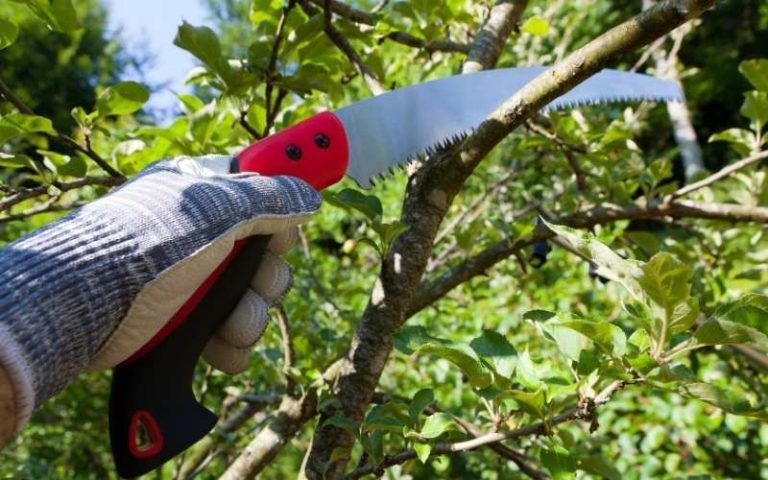
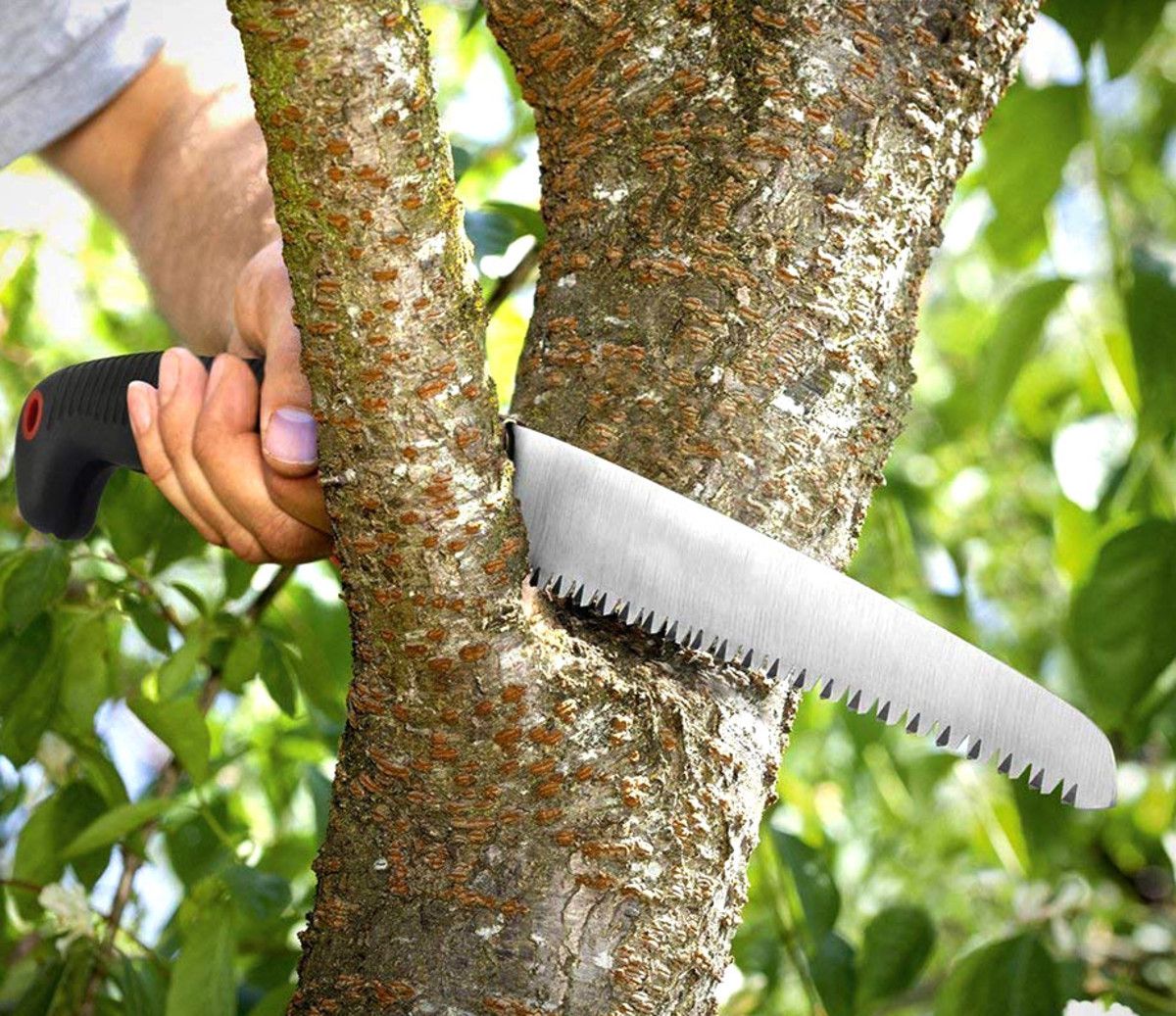
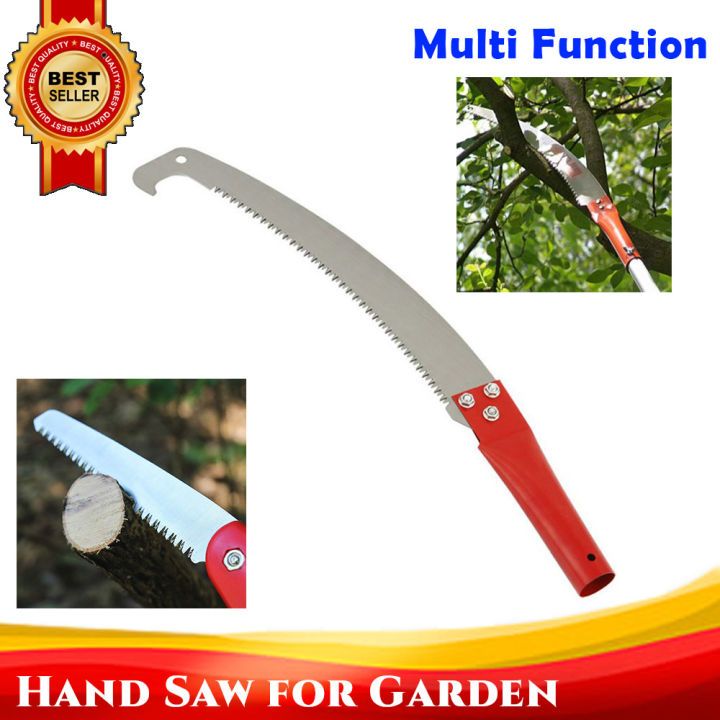
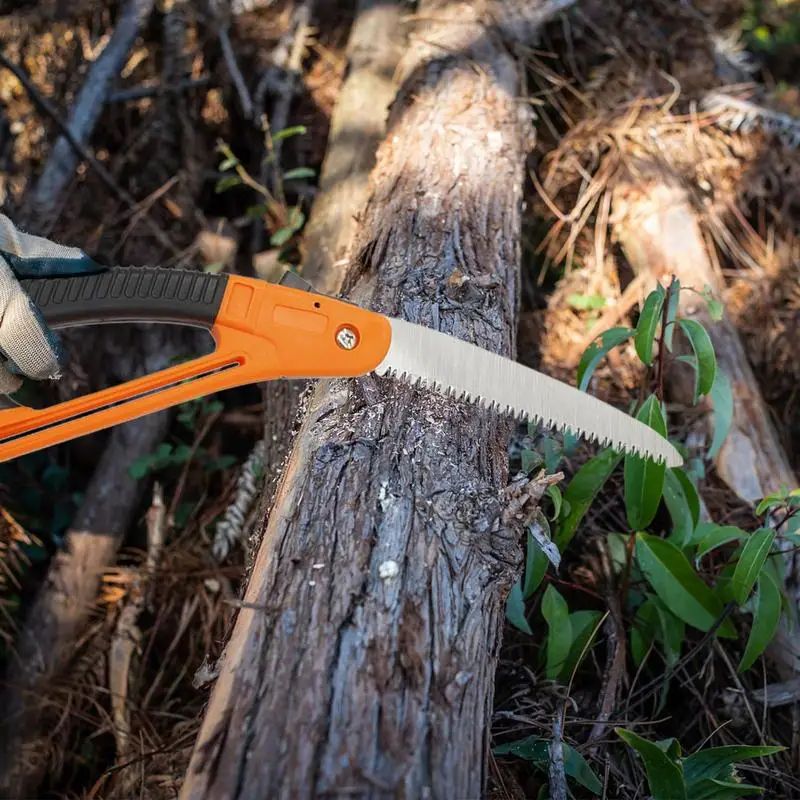
Before diving into selection criteria, let’s talk about what’s out there. Garden saws come in several varieties, each designed for different tasks. The most common types include bow saws, handsaws, and pruning saws. Bow saws are typically larger, with curved blades that work well for bigger branches and logs. They’re often used for cutting firewood or trimming thick limbs. Handsaws are more versatile, suitable for everything from thin branches to small tree trunks. Their straight blades offer precise control. Pruning saws are smaller and more compact, perfect for delicate work like trimming shrubs or cutting small branches. They often feature a curved blade that allows for easy access around tight spaces. Consider what you’ll primarily use it for before making a decision. A heavy-duty bow saw might be overkill for light pruning, while a tiny pruning saw could struggle with thick wood. Think about your garden size and the typical tasks you face. Do you have large trees to manage? Or is it mostly smaller maintenance work? The answer helps determine which type offers the best long-term value.
Material Matters: Steel Quality and Blade Construction
The heart of any good saw lies in its blade material and construction. Steel quality directly impacts how long your saw will last. Look for blades made from high-carbon steel. This material holds an edge longer and resists bending better than softer steels. Some premium saws use stainless steel, which offers excellent rust resistance but may not hold an edge quite as long. The blade’s thickness also matters. Thicker blades are generally more durable and less likely to bend under pressure. However, they can be heavier and harder to maneuver in tight spaces. The teeth design affects performance too. A blade with fewer, larger teeth works faster but cuts less precisely. More teeth mean finer cuts but slower progress. Look for blades with a consistent tooth pattern. Uneven teeth or poorly filed edges often lead to poor performance and premature wear. Check if the manufacturer specifies the steel grade. This information can help you make informed decisions about long-term durability. A saw with a well-constructed blade will save you money in the long run by reducing the frequency of replacements or sharpening needs.
Handle Comfort and Ergonomics
A saw that feels good in your hands is a saw that you’ll actually use regularly. Poorly designed handles can cause fatigue, reduce control, and even lead to accidents. Look for handles that fit comfortably in your grip. They should feel secure without requiring excessive force to hold. Many quality saws feature ergonomic designs that reduce strain during extended use. The handle length matters too. Longer handles provide more leverage, making it easier to cut through tough material. Shorter handles offer better precision and control for delicate work. Materials also play a role. Wood handles provide a traditional feel but require more maintenance. Plastic or composite handles are often more durable and easier to keep clean. Rubber or foam grips can improve comfort and prevent slipping. Consider the weight distribution of the entire saw. A balanced saw cuts more smoothly and reduces arm fatigue. Test the saw if possible. Try holding it and moving it around. Does it feel comfortable? Does it seem well-balanced? Sometimes, a saw that looks great online might not feel right in person. Don’t underestimate the importance of a comfortable handle. A saw that’s hard to grip will discourage regular use, leading to neglect and potential safety issues.
Maintenance Essentials for Longevity
Even the best saws need proper care to last. Regular maintenance prevents problems and extends lifespan significantly. First, keep your saw clean. After each use, wipe down the blade with a dry cloth. Remove sap, dirt, and debris that can accumulate during cutting. This simple step prevents corrosion and keeps the blade sharp. Store your saw properly too. Hang it on a wall or place it in a dry location away from moisture. Never leave it lying around where it might rust. Oil the blade periodically. A light coat of oil protects against rust and keeps the metal in good condition. If you notice the blade becoming dull, sharpen it regularly. A sharp blade cuts more efficiently and safely than a dull one. Learn basic sharpening techniques or consider taking your saw to a professional for periodic sharpening. Check the handle for damage regularly. Loose screws or cracked materials can affect performance and safety. Replace worn parts promptly to maintain optimal function. Some gardeners prefer to season their saws with a light oil or wax after cleaning. This extra protection can be especially helpful in humid climates. Remember that prevention is cheaper than repair. Regular maintenance is always more cost-effective than replacing a broken saw.
Where to Find Quality Options
Quality garden saws aren’t just found in big box stores. There are several places where you can find durable options that will serve you well. Specialty garden centers often carry higher-end models from reputable brands. These stores usually have knowledgeable staff who can advise based on your specific needs. Online retailers offer a wide selection and often better prices. Read reviews carefully before purchasing. Look for feedback about durability, sharpness, and customer service. Some manufacturers specialize in garden tools and offer warranties. Check what guarantees they provide. Reputable companies often stand behind their products. Hardware stores can also be good sources, though quality varies. Look for established brands rather than generic labels. Price shouldn’t be the only factor. A slightly more expensive saw that lasts longer is often the better investment. Consider buying from local retailers when possible. You can examine the product in person and get immediate advice. Some garden centers even offer demonstration sessions where you can try different saws. Don’t overlook secondhand options either. Well-maintained older saws can offer excellent value. Just ensure they’re in good working condition before purchasing. Always verify the blade is straight and the handle is secure. Quality tools often come with instructions for proper care and maintenance. These guides can be invaluable for extending your saw’s life.
Signs Your Saw Needs Attention
Knowing when to take action can save you money and frustration. Several warning signs indicate your saw needs attention. A blade that no longer cuts smoothly or requires excessive force suggests dullness. Check if the teeth are chipped, bent, or uneven. These conditions make cutting difficult and unsafe. Rust spots on the blade signal poor storage or lack of maintenance. Early rust can be treated, but let it progress and you’ll need replacement. Handle damage shows up as cracks, loose fittings, or splinters. These can compromise safety and performance. If your saw seems unbalanced or wobbly, it might need adjustment. Listen for unusual sounds during cutting. Strange noises often indicate problems with the blade or handle. Regular inspection helps catch these issues early. Set aside time weekly to check your saw. Look for signs of wear, damage, or corrosion. Clean and oil it after each use. Keep a small toolkit handy for quick adjustments. When problems arise, don’t ignore them. Small issues often become major problems if left unaddressed. A saw that’s properly maintained will continue serving you for many seasons. It’s worth investing time in regular checks and small repairs rather than dealing with complete replacement.
Choosing and maintaining a sustainable garden hand saw is both an art and a science. It requires understanding your needs, evaluating materials, and committing to regular care. The right saw becomes an extension of your gardening efforts, providing reliable service through many seasons. Invest time in selecting wisely, and don’t skimp on maintenance. A quality saw pays dividends in efficiency, safety, and satisfaction. Remember that durability comes from thoughtful choices – from the steel used to the handle design, from where you buy to how you care for it. Your garden will thank you for the investment in a tool that stands the test of time. Whether you’re a weekend gardener or a professional, a well-chosen and well-maintained saw will be one of your most trusted companions in the garden. The effort you put into selecting and caring for it now will be repaid many times over in smooth, efficient work. Don’t rush the process. Take time to understand what makes a saw truly sustainable. The results will speak for themselves in every cut you make.