What if you could transform your kitchen scraps and yard waste into rich, nutrient-dense soil right in your backyard? The secret lies not just in what you compost, but in how well you aerate it. Imagine having simple tools that help your compost pile breathe, break down faster, and produce the most amazing soil amendment you’ve ever seen. This isn’t just about fancy equipment – it’s about understanding the natural rhythm of decomposition and helping it along.
Healthy soil isn’t just about nutrients – it’s about biology, chemistry, and physics all working together in perfect harmony. When organic matter decomposes in a compost pile, it needs oxygen to thrive. Without proper air circulation, the process slows down dramatically, creating anaerobic conditions that smell terrible and produce poor-quality compost. Think of it like trying to run a marathon without enough breath – you’ll get tired quickly and never reach your destination. The solution? Simple, affordable, and surprisingly effective aerators that can be built right in your garage or workshop. These aren’t just tools – they’re the bridge between your garden waste and the rich, dark soil that makes everything else flourish.
Understanding Why Compost Needs Air
Composting is essentially a controlled biological process where microorganisms break down organic materials. These tiny workers – bacteria, fungi, and other microbes – require oxygen to survive and function efficiently. Without sufficient air, they switch to anaerobic processes, which produce foul odors and slow decomposition significantly. Picture a compost pile like a living organism that needs regular breathing. When you aerate it properly, you’re providing the oxygen necessary for beneficial microbes to multiply and work their magic. This isn’t just about speed – it’s about quality. Properly aerated compost will have a sweet, earthy smell and turn into a crumbly, dark substance that gardeners dream about. The difference between good and bad compost often comes down to whether you’ve given your pile the air it needs to thrive.
Simple DIY Aerator Designs You Can Build
Building your own compost aerator doesn’t require advanced carpentry skills or expensive tools. Here are three straightforward designs that work incredibly well:
• Basic Spade Aerator: Take a standard garden spade and modify the blade by cutting several holes or slots along its length. This allows air to penetrate deeper into the pile while mixing materials.
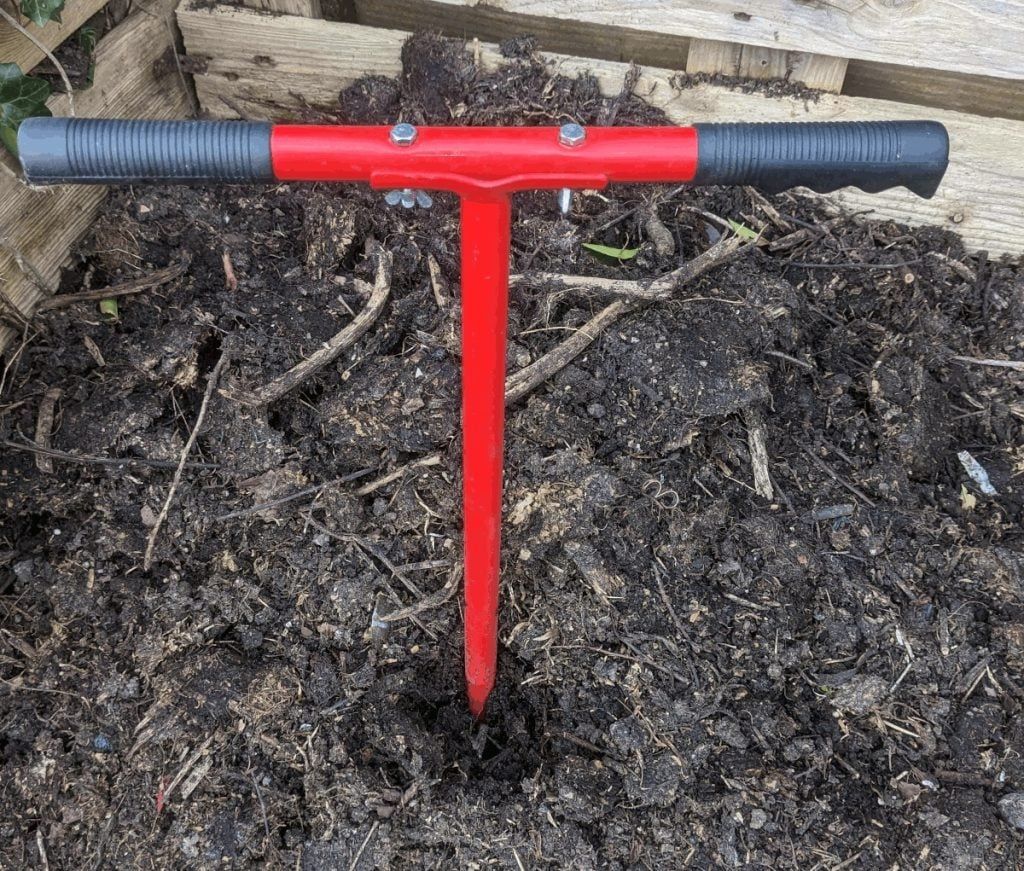
• Screwdriver-style Aerator: Use a thick metal rod or rebar with spiral cuts along its length. The spiral design helps pull air up through the pile as you twist it in.
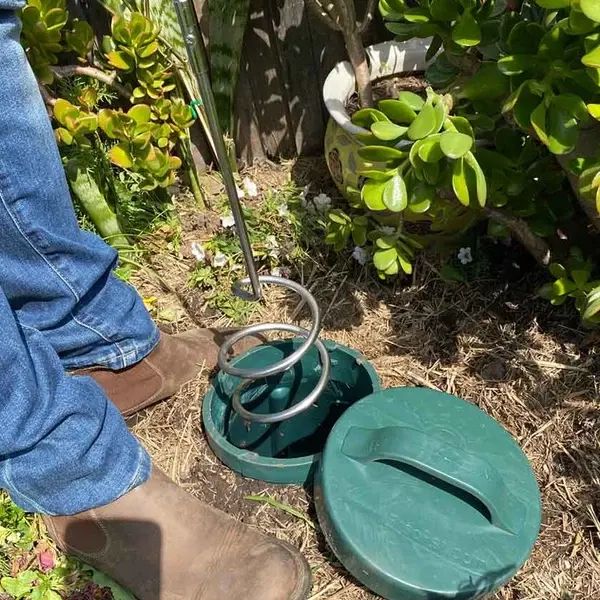
• Corkscrew Aerator: Create a simple corkscrew shape using wire or metal rods. This design works especially well for turning over large piles or mixing stubborn layers.
These tools are easy to construct and can be made from materials you might already have around your workshop. The key is ensuring they’re sturdy enough to handle the weight of your compost pile and deep enough to reach the core where decomposition happens most actively.
Materials and Tools You’ll Need
Creating effective compost aerators requires minimal materials and tools, making this project accessible to everyone:
• Metal Rods or Rebar (1/2 inch diameter minimum)
• Garden Spade or Shovel
• Welding Equipment (optional but helpful)
• Drill with Various Bits
• Measuring Tape and Pencil
• Safety Gear (gloves, eye protection)
The most important thing is choosing materials that won’t rust quickly. Stainless steel works best for long-term durability, but regular steel treated with rust inhibitors can work well too. Some gardeners prefer to coat their tools with cooking oil after construction to prevent rusting. The tools should be strong enough to push through dense compost materials and long enough to reach the center of your pile. Remember, you want something that feels substantial in your hands and can withstand regular use without bending or breaking.
Step-by-Step Construction Process
Building your first compost aerator doesn’t have to be intimidating. Follow these steps to create something functional and durable:
- Measure and Plan: Decide how deep you want your aerator to reach and mark your metal rod accordingly
- Create the Design: For a spiral aerator, mark the spiral pattern on your rod using a compass or similar tool
- Cut or Drill: Use appropriate tools to create your chosen pattern – holes, spirals, or slots
- Test Fit: Check that your tool fits comfortably in your hand and reaches the required depth
- Final Adjustments: Smooth any rough edges and add protective coatings if desired
Many gardeners find it helpful to start with a simple design and upgrade to more complex patterns once they understand what works best for their specific composting setup. The beauty of DIY aerators is that you can modify them based on your experience and feedback from actual use.
Proper Usage Techniques for Best Results
Having great tools isn’t enough – you need to know how to use them correctly. Here are some essential techniques:
• Aerate Regularly: Aim to aerate every 3-5 days during active composting periods
• Target the Core: Focus on reaching the center of your pile where decomposition is most intense
• Mix Thoroughly: Don’t just poke holes – actually turn and mix materials to ensure even distribution
• Check Moisture Levels: Aerate when the pile feels dry enough to allow air penetration
Some gardeners swear by aerating in the morning when temperatures are cooler, while others prefer evening sessions. The key is consistency rather than timing. You’ll notice the difference quickly – your compost will heat up faster, smell better, and break down much more rapidly. The process becomes almost meditative once you get into the rhythm of it.
Maintenance and Longevity Tips
Like any tool, compost aerators need care to last. Here are some maintenance tips:
• Clean After Each Use: Remove compost particles and debris to prevent buildup
• Store Properly: Keep tools in a dry place to prevent rust
• Oil Moving Parts: Apply cooking oil or specialized lubricants to prevent corrosion
• Inspect Regularly: Check for wear and damage that might affect performance
Many gardeners find that a quick cleaning with soap and water after each use extends tool life significantly. Some prefer to store their aerators in a covered area or toolbox to protect them from weather elements. With proper care, a well-built aerator can serve you for years, becoming an essential part of your composting routine.
Real-World Benefits and Success Stories
Gardeners who’ve embraced homemade compost aerators report remarkable improvements in their composting success:
• Faster Decomposition: Piles that previously took months now break down in weeks
• Better Odor Control: No more unpleasant smells from anaerobic breakdown
• Improved Soil Quality: Compost turns out richer, darker, and more beneficial
• Reduced Labor: Less time spent manually turning piles
One gardener shared how her compost went from producing nothing but foul-smelling mush to creating beautiful black soil in just six weeks. Another mentioned how her vegetable garden flourished after switching to aerated compost, with plants growing larger and healthier than ever before. These aren’t just anecdotes – they’re the real-world evidence that proper aeration makes a significant difference in both the composting process and garden outcomes.
Building your own compost aerator might seem like a small step, but it represents a major leap forward in sustainable gardening practices. You’re not just investing in a tool – you’re investing in a healthier ecosystem that benefits your entire garden. The combination of proper aeration and quality organic matter creates soil that supports robust plant growth, reduces the need for chemical fertilizers, and builds long-term soil health. Whether you’re a beginner or experienced gardener, taking the time to understand and implement proper compost aeration will pay dividends for years to come. It’s a simple change that brings incredible rewards, and the satisfaction of building your own tools adds another layer of connection to your garden’s success. The journey from kitchen scraps to garden gold becomes not just possible, but effortless with the right tools in your hands.