Picture this: you’re standing in a bathroom that feels like it was designed by someone who thought small was the answer to everything. The walls are close, the ceiling is low, and there’s barely room for a toothbrush, let alone a proper shower. Yet somehow, you still want that relaxing, spa-like experience. It’s not impossible, really. With some creative thinking and smart planning, even the tiniest bathrooms can become havens of comfort and functionality. This isn’t just about fitting in more stuff – it’s about making every inch count.
Every bathroom owner has been there – staring at a cramped space that seems to mock their desire for a proper shower. It’s not just about saving space; it’s about creating a sanctuary within constraints. Whether you’re dealing with a powder room that’s seen better days or a modern apartment with limited square footage, the right approach can turn your bathroom from a functional necessity into a source of joy. The secret lies not in fighting against limitations, but in embracing them and finding clever solutions that work with your space rather than against it. What if we told you that maximizing comfort in a small bathroom isn’t about sacrificing luxury for practicality? What if it’s about redefining what comfort means?
Smart Layouts for Maximum Efficiency
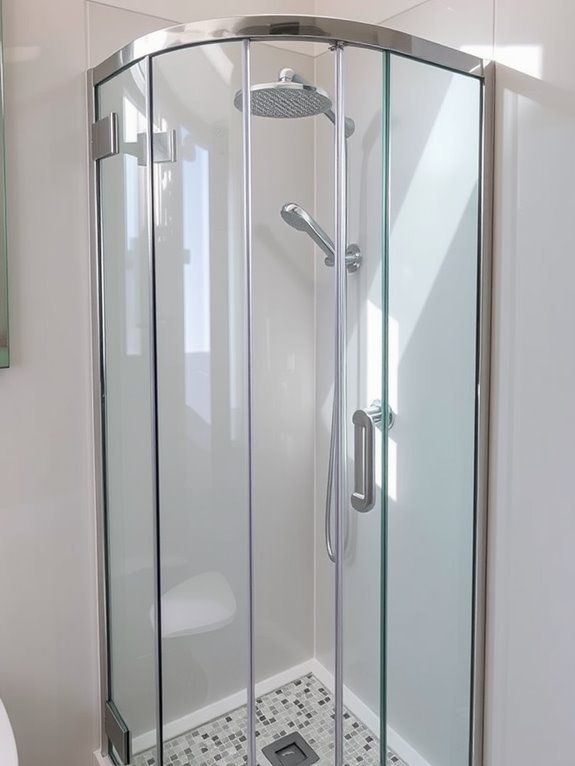
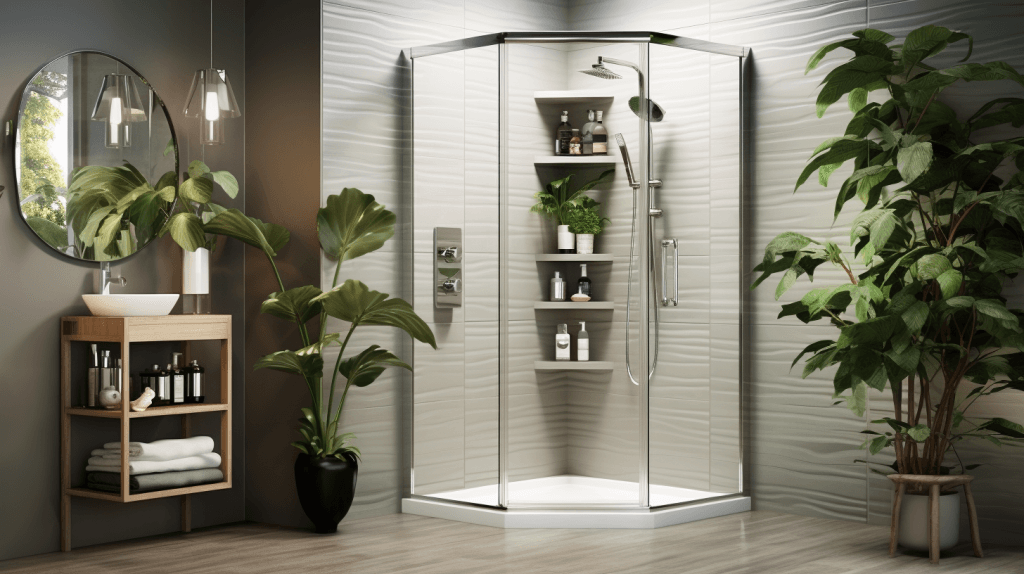
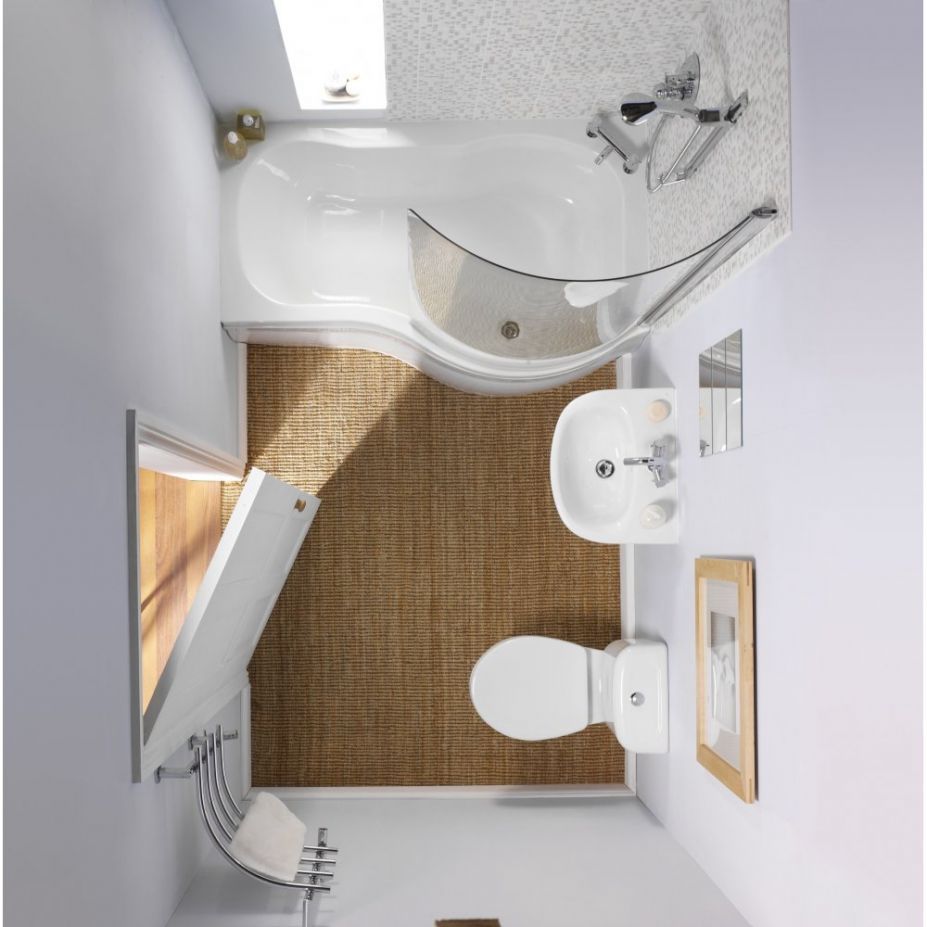
The first step in transforming your tiny bathroom is understanding how to layout your space. Think about traffic flow and usage patterns. A corner shower might seem like a waste of space, but it actually creates a dedicated zone that feels separate from the rest of the room. Consider a linear design where you can walk along one wall while showering. This approach eliminates the need for turning around or squeezing past fixtures.
What happens when you think about your bathroom as a series of zones instead of one big open space? You’ll find that even a 3×4 foot area can accommodate a full shower experience. The key is using vertical space – install shelves above the shower head, mount a towel rack on the wall, and consider a shower caddy that hangs from the ceiling. These small changes can make a huge difference in how you experience your space.
Key considerations:
• Measure twice, install once
• Plan for movement and accessibility
• Consider the placement of all elements before buying anything
• Look for fixtures that serve multiple purposes
Compact Fixtures That Don’t Compromise
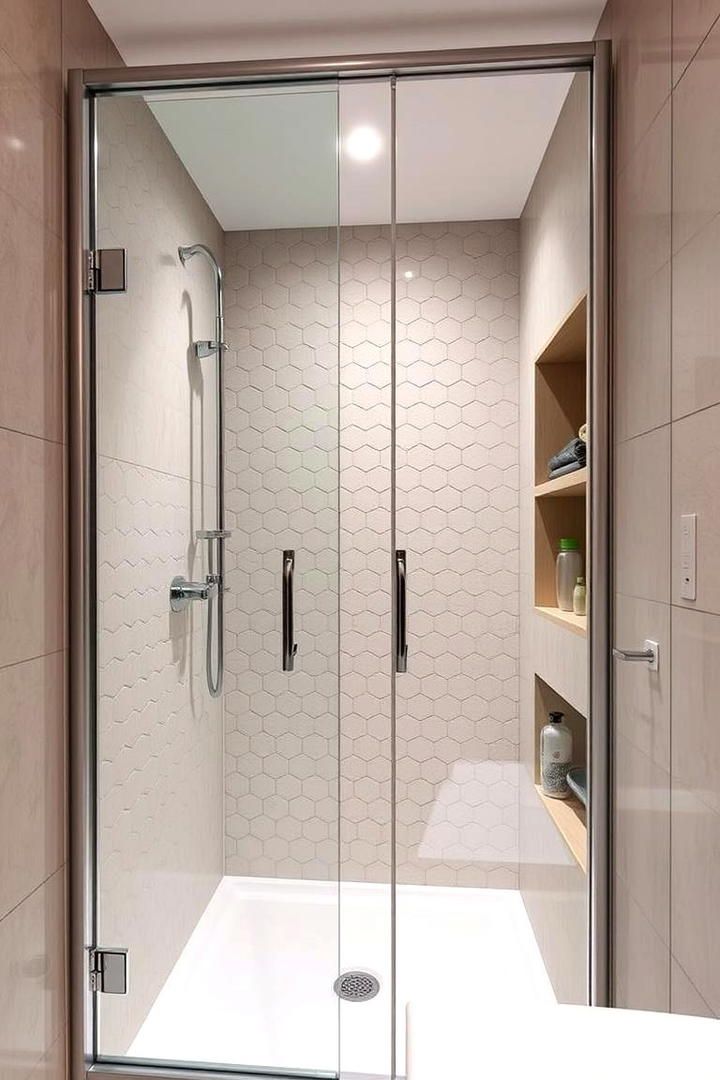
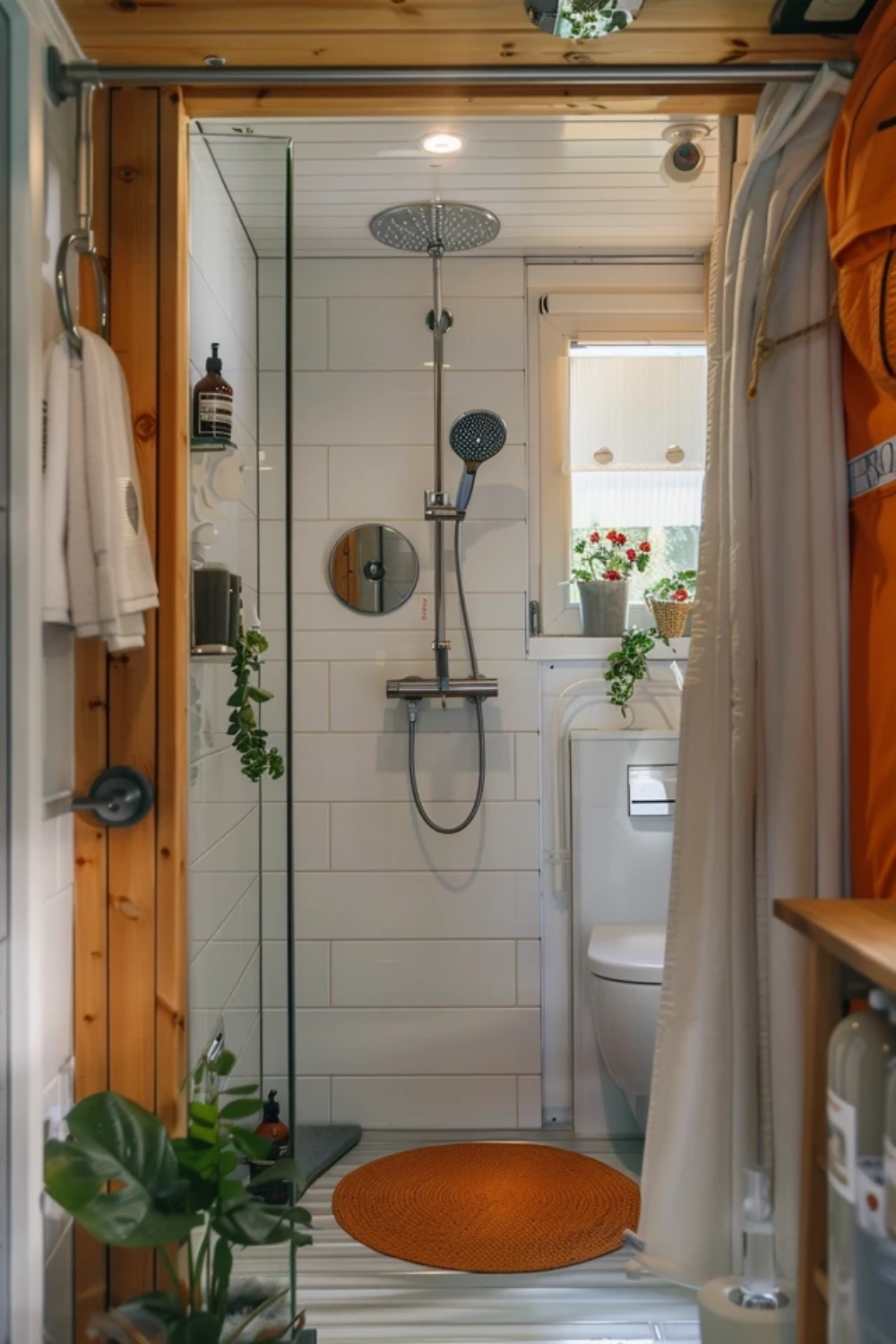
When it comes to small bathrooms, every millimeter matters. But that doesn’t mean you have to sacrifice quality or style. Modern fixtures are designed with compact spaces in mind, offering all the features you need without taking up unnecessary room. A frameless glass shower door is a game-changer – it makes the space feel larger and lets in more light. And speaking of light, good illumination can make a tiny bathroom feel much more spacious.
Let’s talk about the showerhead itself. A rainfall showerhead can make a small space feel like a tropical oasis. The gentle cascade of water creates a sense of calm that transcends the physical boundaries of the room. It’s not just about the size of the fixture; it’s about the experience it creates. Some manufacturers now offer ultra-compact options that take up less space than traditional models.
Here are some standout options:
• Wall-mounted showerheads that save floor space
• Slide-in tub/shower combinations
• Integrated fixtures that blend seamlessly with the walls
• Low-profile faucets that don’t stick out unnecessarily
• Built-in niches for soap and shampoo storage
Creative Storage Solutions
Storage in small bathrooms is often overlooked, but it’s crucial for maintaining that clean, spa-like feeling. The last thing you want is to have your towels, toiletries, and cleaning supplies scattered around. A well-thought-out storage plan can make your small bathroom look organized and put-together.
Think outside the box when it comes to storage. A floating shelf above the toilet can hold books or decorative items, while a slim medicine cabinet can provide hidden storage for cleaning supplies. You might even consider installing hooks or a small rack for hanging towels. The key is to keep things visible but not cluttered.
Some clever storage ideas include:
• Over-the-door organizers for extra space
• Under-sink storage solutions
• Shower caddies that can be removed and stored elsewhere
• Wall-mounted baskets for easy access
• Hidden compartments in vanity units
• Pegboards for displaying frequently used items
Lighting That Enhances Space and Mood
Lighting plays a surprisingly important role in how we perceive space. A small bathroom that’s poorly lit can feel claustrophobic, while one that’s well-lit can feel expansive and welcoming. Natural light is always ideal, but that’s not always possible in every bathroom. So what do you do?
Consider layered lighting. Combine ambient lighting (like overhead fixtures) with task lighting (such as vanity lights) and accent lighting (like LED strips behind shelves). This creates depth and dimension that makes even the smallest spaces feel more substantial.
Dimmer switches add another layer of flexibility. You can set the mood for a quick rinse or a longer, more relaxing soak. Color temperature matters too – warmer tones can make a space feel cozy, while cooler tones can make it feel fresh and clean.
Pro tip: Install lighting that works both day and night. This ensures you can navigate safely without disturbing others, especially if you share your bathroom with family members.
Water Conservation Without Sacrificing Comfort
In today’s world, water conservation is more important than ever. But that doesn’t mean you have to compromise on comfort in your small bathroom. Many modern fixtures are designed to reduce water usage while maintaining excellent performance.
Low-flow showerheads are becoming increasingly popular because they can cut water consumption by up to 50% without sacrificing pressure. They’re available in many styles and price ranges, making them accessible to everyone. Another option is a shower timer – it helps you stay mindful of your water usage while ensuring you get the time you need for a proper cleanse.
Some newer technologies include:
• Pressure-compensated showerheads that maintain consistent water pressure
• Dual-flush toilets that save water during regular use
• Greywater recycling systems for washing machines
• Smart shower systems that monitor usage and suggest conservation methods
• Rain sensors that automatically shut off the shower when not in use
Materials and Finishes That Make a Difference
The materials you choose for your small bathroom can either make the space feel cramped or open up the whole room. Light colors reflect light and make walls appear farther away, which instantly makes a space feel larger. White, beige, and soft pastels are excellent choices for small bathrooms.
But it’s not just about color – texture matters too. Smooth surfaces reflect light better than rough textures, which means they’ll make your space feel more open. Glossy tiles can create a mirror effect, making walls seem to recede. Matte finishes, on the other hand, absorb light and can make things feel closer together.
Consider these material choices carefully:
• Light-colored ceramic or porcelain tiles
• Glass shower doors instead of solid walls
• Reflective surfaces like mirrors or glossy countertops
• Minimalist fixtures with clean lines
• Natural wood accents for warmth and character
• Stainless steel or brushed nickel for a modern look
Transforming a small bathroom into a comfortable, functional space is entirely achievable with the right mindset and approach. It’s not about making do with less – it’s about making the most of what you have. Every decision, from the placement of fixtures to the choice of materials, contributes to the overall experience. Remember, the goal isn’t to hide the fact that your bathroom is small – it’s to celebrate the creativity and ingenuity that can make even the most confined spaces feel luxurious.
Whether you’re planning a complete renovation or just looking to refresh your current setup, the principles remain the same: plan carefully, choose wisely, and never forget that comfort and style aren’t mutually exclusive. Your bathroom can be a place where you truly relax, regardless of its size. The key is to think beyond the obvious and embrace the possibilities that come with working within limits. After all, sometimes the best solutions emerge from the most challenging circumstances. The question isn’t whether you can fit a shower in a small space – it’s how you want to make that space feel when you step inside.