Imagine walking into your nursery and seeing healthy, thriving seedlings ready for transplanting. Now picture those same seedlings growing in containers that disappear naturally into the soil. That’s what compostable seedling pots can do for your operation. These biodegradable containers offer a revolutionary approach to plant cultivation, allowing you to skip the traditional plastic pots and embrace a more environmentally friendly method.
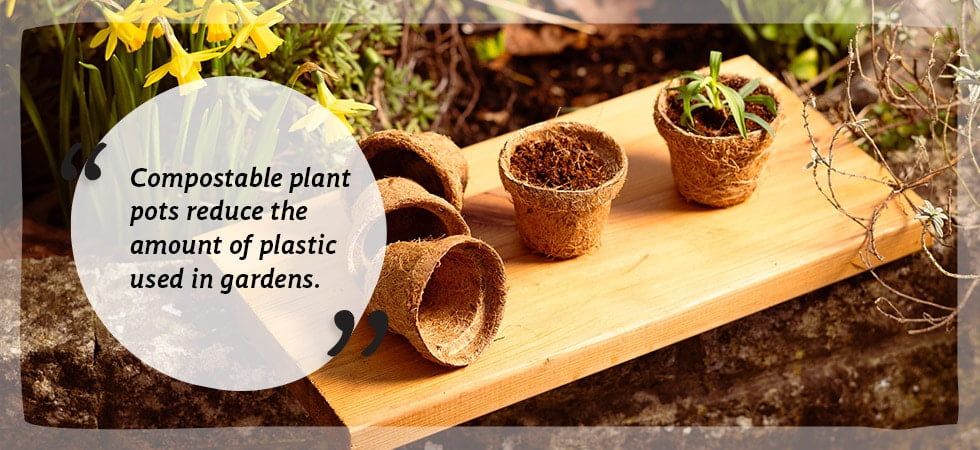
When you think about starting plants from seeds, most people immediately picture small plastic containers or trays. But what if there was a better way? What if your containers could become part of the plant’s future instead of just temporary homes? Compostable seedling pots have been gaining traction among gardeners and nurseries alike. They’re made from organic materials like peat, coconut coir, paper, or even wheat straw. The idea isn’t new, but the technology and availability have improved dramatically. These pots break down naturally when planted directly in the ground or added to compost piles. This means less waste, fewer plastic containers to dispose of, and often better root development for your young plants.
Understanding Compostable Seedling Pots
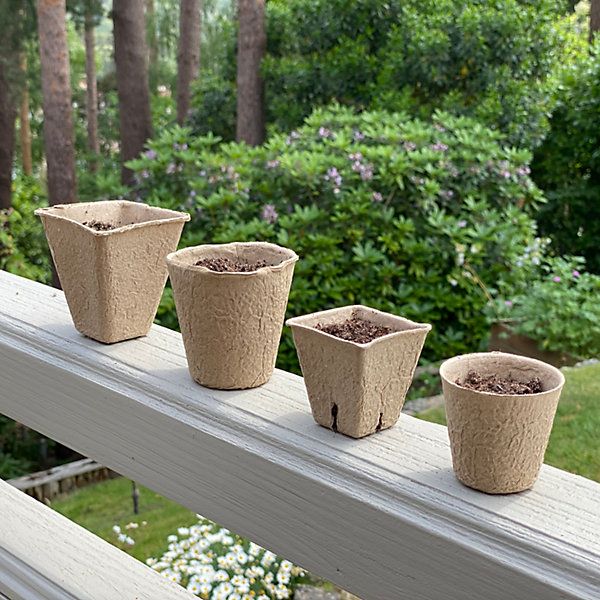
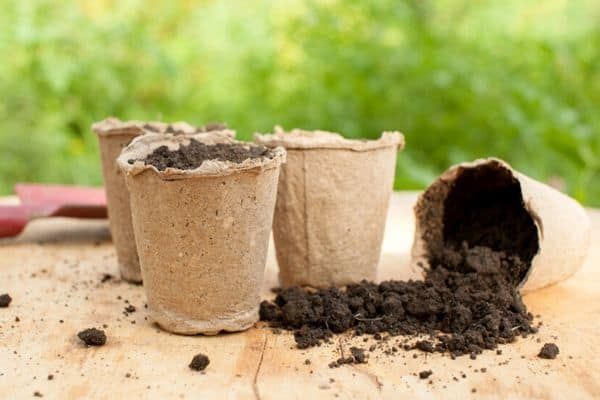
Compostable seedling pots come in various forms, each with its own benefits and limitations. Peat pots are perhaps the most common type, made from compressed peat moss. They’re excellent for seed starting because they provide good drainage and allow roots to grow through the sides naturally. Coconut coir pots are becoming increasingly popular as a sustainable alternative to peat. Made from coconut husks, they’re renewable and offer similar benefits. Paper pots are another option, often made from recycled materials and designed to decompose quickly. Wheat straw pots are gaining attention for their strength and ability to handle more robust plants. Each material has different properties that affect water retention, root penetration, and overall plant health. When choosing pots, consider what types of plants you’ll be growing and how long they’ll stay in the container before transplanting.
Benefits for Your Nursery Operations
Using compostable pots brings several advantages to your nursery business. First, there’s the environmental impact. Traditional plastic pots end up in landfills for decades, while compostable options break down naturally. This aligns with growing customer demand for sustainable practices. Second, there’s reduced waste management costs. You won’t need to collect and transport plastic containers for recycling or disposal. Third, many growers report better root development. Because the pots are biodegradable, roots can escape naturally without being constrained by plastic walls. This leads to healthier transplants. Fourth, there’s potential cost savings over time. While initial investment might be slightly higher, the reduction in disposal fees and possible premium pricing for eco-friendly products can offset expenses. Additionally, customers often appreciate the sustainability aspect, leading to increased loyalty and word-of-mouth marketing.
Choosing the Right Pot Size and Material
Selecting appropriate pot sizes and materials is crucial for successful seedling growth. For small seeds like lettuce or herbs, smaller containers work well. A 2-inch diameter pot is usually sufficient. Larger seeds such as tomatoes or peppers need more space, typically requiring 3-4 inch pots. Consider the plant’s eventual size and root system when choosing dimensions. Regarding materials, peat pots are excellent for delicate seedlings and short-term use. They’re especially good for plants that don’t mind acidic conditions, as peat is naturally acidic. Coconut coir pots offer better structural support and are ideal for plants that will spend more time in containers. Paper pots are economical and suitable for quick germination periods. Wheat straw pots provide the strongest structure and are best for larger, more established seedlings. Some growers prefer to mix materials, using different types for different stages of plant development.
Proper Seeding Techniques
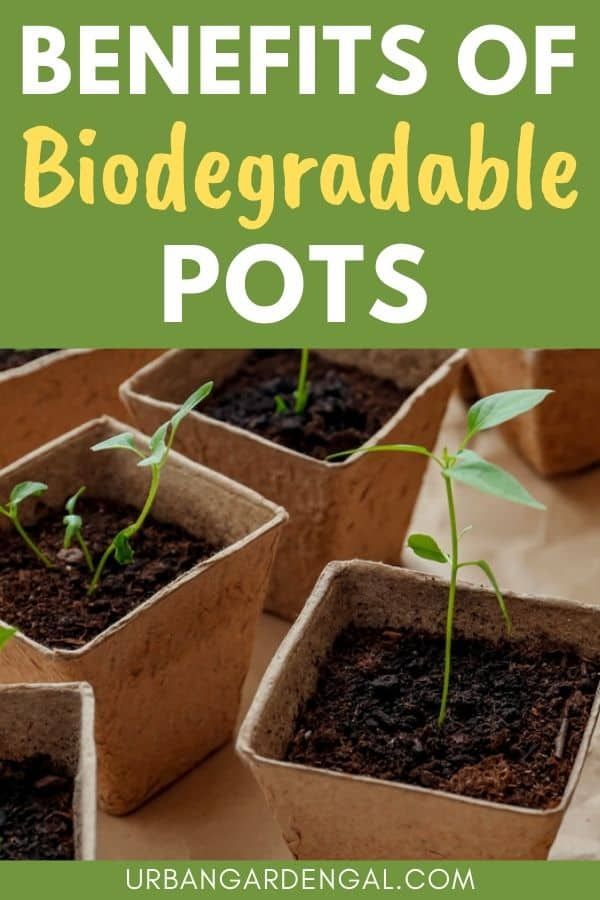
The way you plant seeds in compostable pots makes all the difference. Start by filling your pots with quality seed-starting mix, leaving about half an inch of space from the rim. Gently press the soil to remove air pockets but avoid compacting it too much. Plant seeds according to packet instructions, considering depth and spacing requirements. For small seeds, a light dusting of soil is usually adequate. Larger seeds may need deeper planting. After planting, water gently but thoroughly. Some seedlings benefit from bottom watering, where you place the pots in a tray of water until the bottom absorbs moisture. This prevents disturbing delicate seedlings. It’s also helpful to label each pot clearly with the plant variety and sowing date. This organization becomes invaluable when managing multiple varieties and tracking growth progress.
Watering and Care Considerations
Watering compostable pots requires some adjustment compared to traditional containers. These pots tend to dry out faster because they’re porous and allow more evaporation. Check soil moisture daily and water when the top inch feels dry. The key is consistency rather than quantity. Overwatering can cause problems since these pots don’t hold water like plastic containers. Some growers find success with self-watering systems or wicking methods that provide steady moisture. Monitor humidity levels closely, especially in indoor growing environments. Compostable pots may require more frequent misting or humidity dome usage during early growth stages. Watch for signs of stress like wilting or yellowing leaves. These can indicate either underwatering or overwatering, so careful observation is essential. Temperature control also matters, as these pots can heat up quickly in direct sunlight.
Transplanting Success Strategies
One of the biggest advantages of compostable pots is how easily they transition to outdoor planting. Many pots can be planted directly into the ground without disturbing the root ball. Simply dig a hole slightly larger than the pot, place it in the ground, and cover with soil. The pot will decompose naturally over time, providing nutrients to the surrounding soil. However, some pots like peat pots may take longer to break down in certain soil conditions. In clay soils, decomposition can slow significantly. For faster breakdown, consider adding compost or compost tea around the planting area. Some growers recommend cutting the sides of pots before planting to encourage root penetration. This helps prevent the pot from acting as a barrier once planted. Always ensure the entire pot is buried, including any paper or cardboard components. Proper transplant timing is crucial – wait until seedlings have developed strong root systems and are acclimated to outdoor conditions.
Compostable seedling pots represent more than just a trendy alternative to plastic containers. They’re a practical solution that combines environmental responsibility with proven growing benefits. Whether you’re a small hobby gardener or a commercial nursery operator, these pots offer a sustainable path forward. The key to success lies in understanding your specific needs and matching the right pot type to your plants and growing conditions. Start with a few different materials to see what works best for your situation. Remember that transition takes time, and some experimentation will help you refine your approach. The investment in compostable pots pays off not just in environmental stewardship, but in potentially healthier plants and more efficient operations. As awareness grows and production improves, these pots are likely to become standard practice across the industry. The future of plant cultivation is looking greener, one pot at a time.