Garden equipment deserves proper care, but you don’t need harsh chemicals to keep it running smoothly. Many gardeners have discovered that simple, natural solutions work just as well – and they’re much better for the environment.
Most gardeners know that their tools need regular maintenance, but many assume it’s all about using commercial products. That’s not always true. In fact, there’s a whole world of natural options that can help extend the life of your garden equipment while keeping things eco-friendly. Whether you’re dealing with rust, corrosion, or simply want to keep everything clean and working properly, there are plenty of alternatives that don’t involve toxic substances.
Understanding the Need for Maintenance
Why do garden tools require regular care? It’s simple – they’re exposed to moisture, dirt, and weather elements every single day. Think about it: a shovel sitting in a shed gets wet from rain, while a pruner might collect sap and soil during use. Over time, this exposure leads to rust, dulling, and wear. Without attention, tools can become useless or dangerous to use. Regular maintenance isn’t just about convenience; it’s about safety and longevity. A well-maintained tool works better, lasts longer, and costs less over time than constantly replacing broken or damaged equipment. The key is understanding that good maintenance doesn’t mean buying expensive chemical treatments.
Basic Cleaning Methods
The first step in maintaining garden tools is cleaning them properly. Start with basic water and soap. You can use mild dish soap mixed with warm water to remove dirt and grime. For stubborn spots, a soft brush helps scrub away buildup. Some gardeners swear by using a mixture of white vinegar and water for particularly tough stains. The acid in vinegar breaks down mineral deposits and rust spots effectively. Another option is using baking soda paste for removing stubborn stains. Simply mix baking soda with a little water to form a paste, apply it to problem areas, let it sit for a few minutes, then scrub gently. These methods work because they’re gentle enough not to damage metal surfaces while still being effective at removing debris. Always remember to dry your tools thoroughly after cleaning to prevent rust formation.
Natural Rust Prevention Techniques
Rust is the enemy of garden tools. But there are several natural ways to prevent it from forming. One popular method is using oil – specifically, mineral oil or even olive oil. Apply a thin layer to metal surfaces after cleaning and drying. The oil creates a protective barrier against moisture. Another approach uses beeswax candles. Melt some beeswax and dip your tools in it, or rub it directly onto surfaces. This creates an additional protective coating that repels water. Some gardeners also use a mixture of equal parts water and white vinegar as a spray to prevent rust. The acidity helps break down any early signs of rust before they become serious problems. For a more permanent solution, consider using a product made from lanolin – a natural wax derived from sheep’s wool. It provides excellent protection against moisture and is readily available at most hardware stores.
Alternative Sharpening Solutions
Dull tools aren’t just frustrating to use – they’re also less effective and potentially dangerous. While traditional sharpening stones work well, there are chemical-free alternatives worth exploring. Sandpaper is surprisingly effective for sharpening edges. Start with coarse grit, then move to finer grits for a smooth finish. Some gardeners find that using a whetstone with water works better than dry sharpening. The water helps reduce heat buildup and keeps the stone clean. Another interesting approach involves using a combination of sandpaper and emery cloth for different types of blades. For very dull edges, try a file with a fine tooth pattern. The key is patience – rushing the process often leads to uneven edges. Some people also use a ceramic sharpening rod, which is particularly good for maintaining kitchen knives and garden shears. These methods avoid the need for chemical sharpening compounds that can be harmful to both users and the environment.
Preventing Corrosion Naturally
Corrosion happens when metals react with oxygen and moisture in the air. This process is accelerated by salt and acidic conditions, which explains why garden tools near coastal areas or those used in salty environments deteriorate faster. Natural prevention methods focus on creating barriers between metal and moisture. One effective approach uses a mixture of flour and water to create a paste. Apply this to metal surfaces before storing them. The flour acts as a moisture absorber while providing a physical barrier. Another option involves using petroleum jelly – yes, the common household product – to coat metal parts. It’s inexpensive and highly effective at preventing corrosion. Some gardeners also store tools in a dry location with silica gel packets to absorb excess moisture. The idea is to control the environment around your tools rather than relying solely on chemical treatments. Keeping tools clean and dry is the best way to prevent corrosion from taking hold.
Storage Tips for Longevity
How you store your garden tools makes a huge difference in how long they last. The ideal storage situation keeps tools dry and protected from direct sunlight, which can cause plastic handles to crack. Consider investing in a tool rack or wall-mounted storage system that allows air circulation. Hanging tools prevents moisture from pooling in corners. For heavy items like lawnmowers or tillers, storing them in a garage or shed with good ventilation works well. Some gardeners prefer to wrap tools individually in newspaper or cloth to prevent scratches. Others use airtight containers with desiccants to control humidity levels. A simple tip that many overlook is placing a small bowl of rice in storage areas – rice naturally absorbs moisture. The key is consistency; if you’re going to invest time in maintenance, you need to maintain good storage habits too. Tools that receive proper care and storage typically last decades rather than just a few years.
DIY Maintenance Products
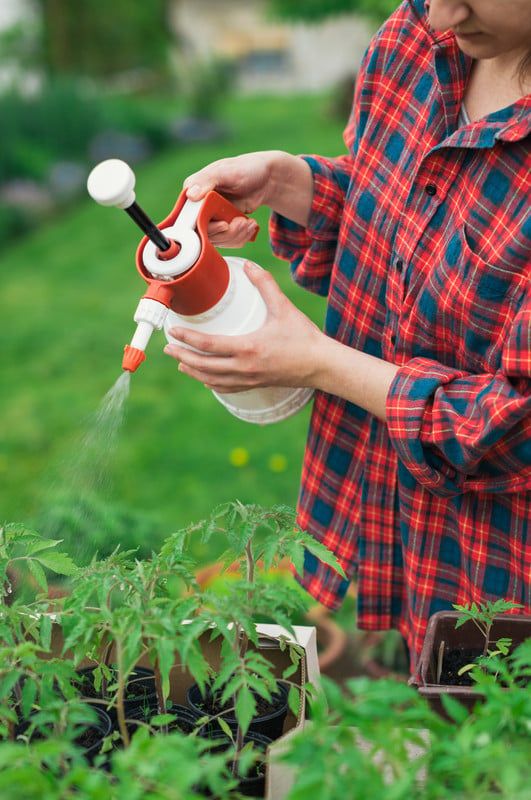
Creating your own maintenance products can be surprisingly easy and effective. For example, mix equal parts white vinegar and water in a spray bottle for a quick rust-prevention spray. This homemade solution works well for light rust spots and general cleaning. Another popular DIY recipe combines lemon juice with salt to make a natural abrasive cleaner. The citric acid in lemons helps break down rust and grime. You can also make a simple lubricant using a mixture of vegetable oil and beeswax. Melt the ingredients together, pour into a container, and let it cool. This creates a natural grease that works well for moving parts. Many gardeners also make their own degreaser using baking soda and water. Just add a few drops of essential oils for fragrance and extra cleaning power. These homemade solutions are not only cost-effective but also allow you to control exactly what goes into your maintenance routine.
When to Seek Professional Help
Sometimes, despite your best efforts, tools need more than routine maintenance. If a blade is severely damaged or bent beyond repair, professional sharpening might be necessary. For major repairs like replacing handles or fixing broken mechanisms, a qualified technician may be required. However, many issues can be addressed with simple adjustments or replacements. Before calling for professional help, assess whether the problem is something you can handle yourself. Consider factors like safety risks, cost implications, and the complexity of the repair. Sometimes a quick adjustment or replacement part can solve the issue without expensive repairs. Remember that some tools are simply past their prime and need replacement rather than repair. The key is knowing when to step back and seek assistance rather than trying to fix everything yourself.
Maintaining garden equipment doesn’t have to mean exposing yourself or the environment to harmful chemicals. By using natural cleaning agents, rust preventatives, and smart storage techniques, you can keep your tools in excellent condition for years. The beauty of these chemical-free approaches is that they’re often simpler and more affordable than commercial alternatives. They also provide peace of mind knowing that you’re not introducing toxins into your garden space. Whether you’re a casual gardener or someone who depends on tools daily, taking the time to properly maintain your equipment pays dividends in performance, safety, and cost savings. The key is consistency and choosing methods that work for your specific needs and lifestyle.