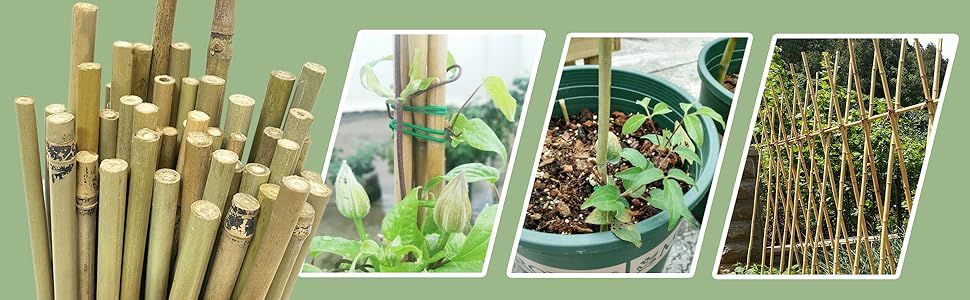
When it comes to starting seeds or growing young plants, most people reach for plastic containers. But there’s a better way – one that’s been used for centuries and offers surprising benefits for both your garden and the planet. Bamboo seedling containers might just be the sustainable solution you’ve been looking for.
Picture this: you’re standing in a nursery, surrounded by rows of tiny seedlings ready to grow into beautiful plants. The usual suspects are everywhere – plastic pots, styrofoam trays, and paper cups. But what if I told you there’s a natural alternative that’s been quietly revolutionizing how we think about plant containers? It’s bamboo, and it’s making waves in the gardening world. These remarkable stalks aren’t just pretty to look at; they’re offering a whole new approach to nurturing our green friends while helping our planet.
What Makes Bamboo Different
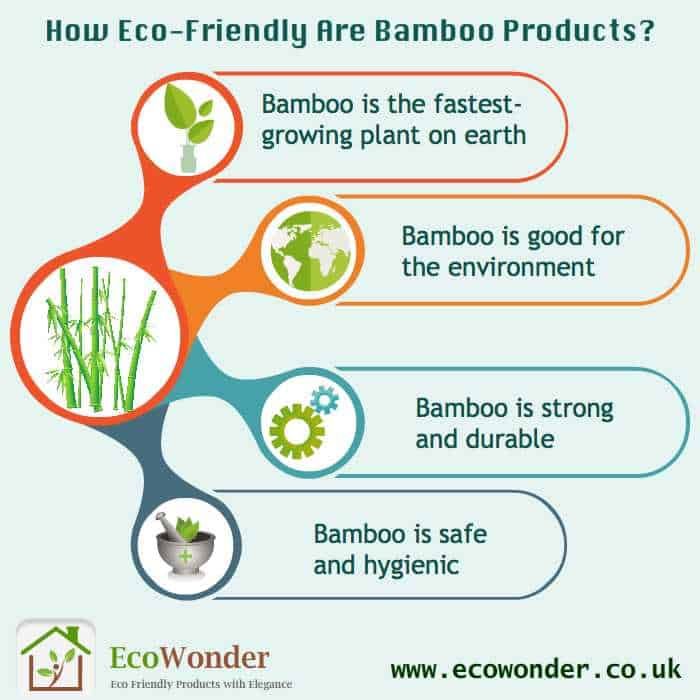
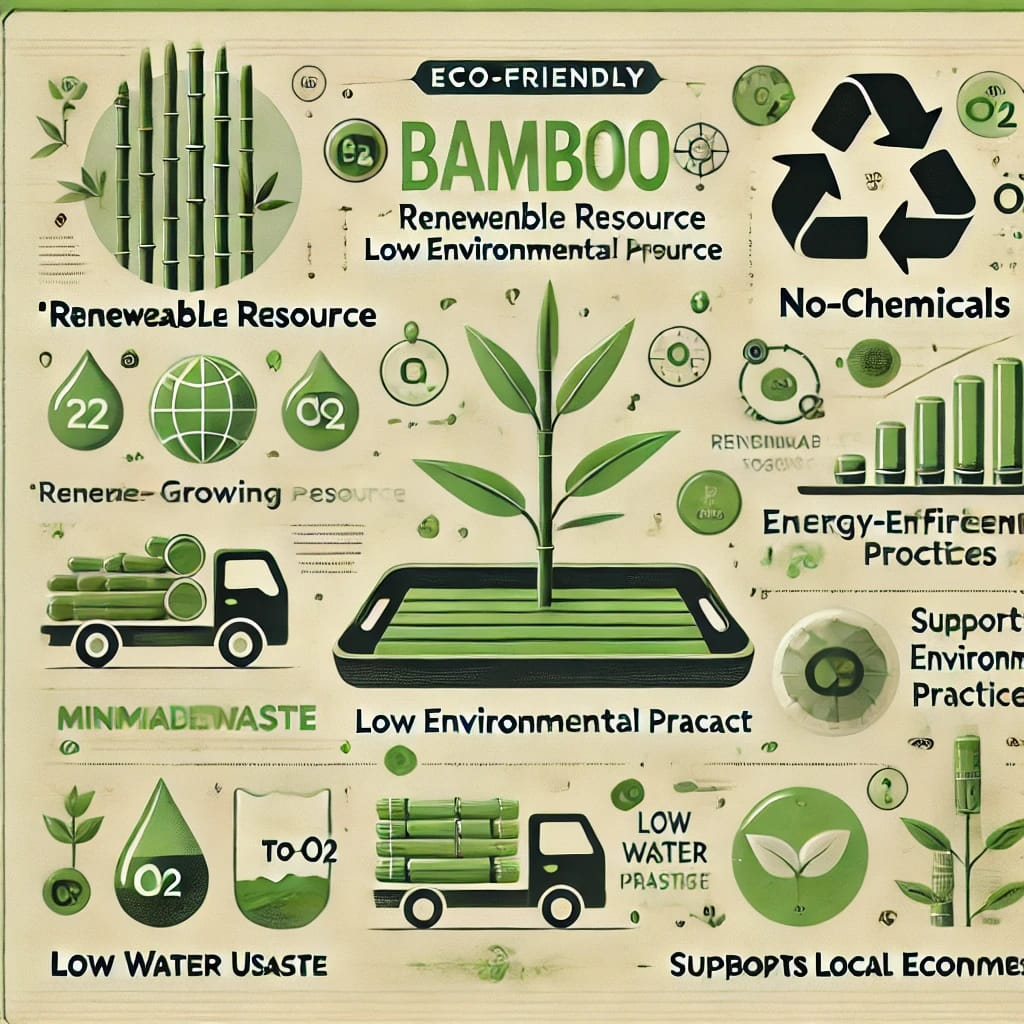
Bamboo isn’t your average plant. While most plants take years to mature, bamboo grows incredibly fast – some species can grow up to three feet in a single day! This rapid growth means bamboo reaches maturity in just three to five years, compared to trees that take decades. What makes this particularly important is that bamboo absorbs more carbon dioxide than many other plants and releases oxygen continuously. Think about that for a moment – every bamboo plant you use is actively helping clean the air around you.
The plant’s structure is also unique. Unlike hardwoods that require cutting down entire trees, bamboo can be harvested without killing the plant itself. The root system remains intact, allowing new shoots to emerge quickly. This sustainable harvesting method means bamboo can be renewed indefinitely, making it one of nature’s most renewable resources. When you choose bamboo containers, you’re choosing a material that regenerates naturally rather than depleting finite resources.
Biodegradable Benefits
One of the most exciting aspects of bamboo seedling containers is their complete biodegradability. Unlike plastic pots that can persist in landfills for hundreds of years, bamboo containers break down naturally within months when exposed to moisture and soil conditions. This means no toxic chemicals leaching into the ground, no microplastics polluting our environment, and no waste piling up in landfills.
The decomposition process is actually beneficial for plant growth. As bamboo breaks down, it adds organic matter to the soil, improving its structure and nutrient content. Many gardeners have noticed that plants grown in bamboo containers show better root development and overall health. The natural fibers in bamboo provide gentle support for delicate seedlings while gradually releasing nutrients as they decompose.
Consider this scenario: You’ve planted tomato seedlings in bamboo containers. After transplanting them to your garden, the container naturally dissolves into the soil, leaving behind no artificial materials and providing additional organic matter to feed the developing plants. It’s like giving your garden a natural head start.
Natural Antimicrobial Properties
Bamboo contains a substance called bamboo kun, which acts as a natural antimicrobial agent. This means that bamboo containers have built-in protection against bacteria, fungi, and other harmful microorganisms that can affect seedling health. In fact, studies have shown that bamboo can inhibit the growth of certain pathogens that commonly cause damping-off disease in young plants.
This natural protection is especially valuable for seedlings, which are particularly vulnerable to soil-borne diseases. Traditional plastic containers don’t offer this protection, often requiring additional treatments or fungicides to prevent problems. Bamboo containers provide a safer, more natural approach to protecting your young plants.
Imagine you’re starting peppers indoors during winter. The high humidity and cooler temperatures create ideal conditions for fungal growth, but your bamboo containers work to keep harmful organisms at bay naturally. No need for chemical treatments, no risk of residue on your future vegetables, just healthy, thriving seedlings.
The antimicrobial properties extend beyond just preventing disease. Bamboo containers also help regulate moisture levels naturally, creating a more stable environment for delicate roots.
Superior Air Circulation
Bamboo containers offer excellent air circulation, which is crucial for healthy root development. The natural cellular structure of bamboo allows for better gas exchange between the roots and the surrounding environment. This means roots get more oxygen, which is essential for proper growth and nutrient uptake.
Unlike plastic containers that can trap moisture and create anaerobic conditions, bamboo allows excess water to drain naturally while maintaining appropriate moisture levels. The porous nature of bamboo helps prevent waterlogging, which is a common problem with plastic containers and can lead to root rot and other issues.
Gardeners who have switched to bamboo containers often report that their plants develop stronger root systems. The improved aeration seems to encourage more extensive root branching, leading to healthier, more robust plants. This is particularly noticeable in plants that are sensitive to overwatering or poor drainage conditions.
Think about it this way – when you’re growing herbs or vegetables in containers, having good airflow around the roots means better flavor development and overall plant vigor. Bamboo containers naturally support these conditions without any extra effort on your part.
Durability and Longevity
While bamboo might seem fragile, it’s actually remarkably durable when properly treated and maintained. Bamboo has impressive strength properties, with some species being stronger than steel on a weight-for-weight basis. This strength translates to containers that can withstand handling, transportation, and regular use.
The natural lignin in bamboo provides structural integrity, making containers resistant to breaking or cracking under normal conditions. Many bamboo containers can last multiple growing seasons, especially if they’re properly cared for and stored correctly during off-seasons.
What’s particularly appealing is that bamboo containers don’t degrade as quickly as plastic ones when exposed to sunlight and weather elements. While plastic containers may become brittle and crack after a few seasons, bamboo maintains its structural properties much longer. This longevity means fewer replacements and less waste over time.
A gardener might use the same bamboo containers year after year, storing them properly during winter months. They’ll notice that the containers retain their shape and strength, even after being exposed to various weather conditions throughout the growing season.
Cost-Effective and Accessible
Bamboo seedling containers are surprisingly affordable, especially when considering their lifespan and environmental benefits. Compared to plastic alternatives, bamboo containers often cost only slightly more, but the long-term savings are significant. You’re not just buying one-time-use items – you’re investing in reusable, biodegradable solutions that can serve multiple purposes.
Many local nurseries and garden centers now carry bamboo containers, and they’re increasingly available online from specialty suppliers. The growing popularity of sustainable gardening practices has made bamboo containers more accessible than ever before. You can find everything from small individual containers for seed starting to larger trays for bigger plants.
The economic advantages extend beyond purchase price. Because bamboo containers promote healthier plant growth and reduce the need for additional treatments or supplements, they can actually save gardeners money over time. Healthier seedlings mean better survival rates, fewer losses, and ultimately more successful harvests.
Consider a small-scale farmer who starts hundreds of seedlings each season. Using bamboo containers instead of plastic could significantly reduce disposal costs while improving plant quality. The initial investment pays for itself through reduced replacement costs and better crop outcomes.
As we continue to seek ways to live more sustainably, bamboo seedling containers offer a practical, effective solution that works on multiple levels. From their incredible renewability to their natural antimicrobial properties, bamboo containers represent a smart choice for environmentally conscious gardeners. They’re not just containers – they’re part of a larger movement toward sustainable agriculture and gardening practices.
The evidence suggests that bamboo containers can improve plant health, reduce environmental impact, and offer economic benefits. Whether you’re a professional grower or a home gardener, these natural containers provide a compelling alternative to traditional plastic options. By choosing bamboo, you’re making a positive impact on your garden and the planet. The next time you’re planning a planting project, consider giving bamboo containers a try. You might discover that they’re not just better for the environment, but also better for your plants themselves.