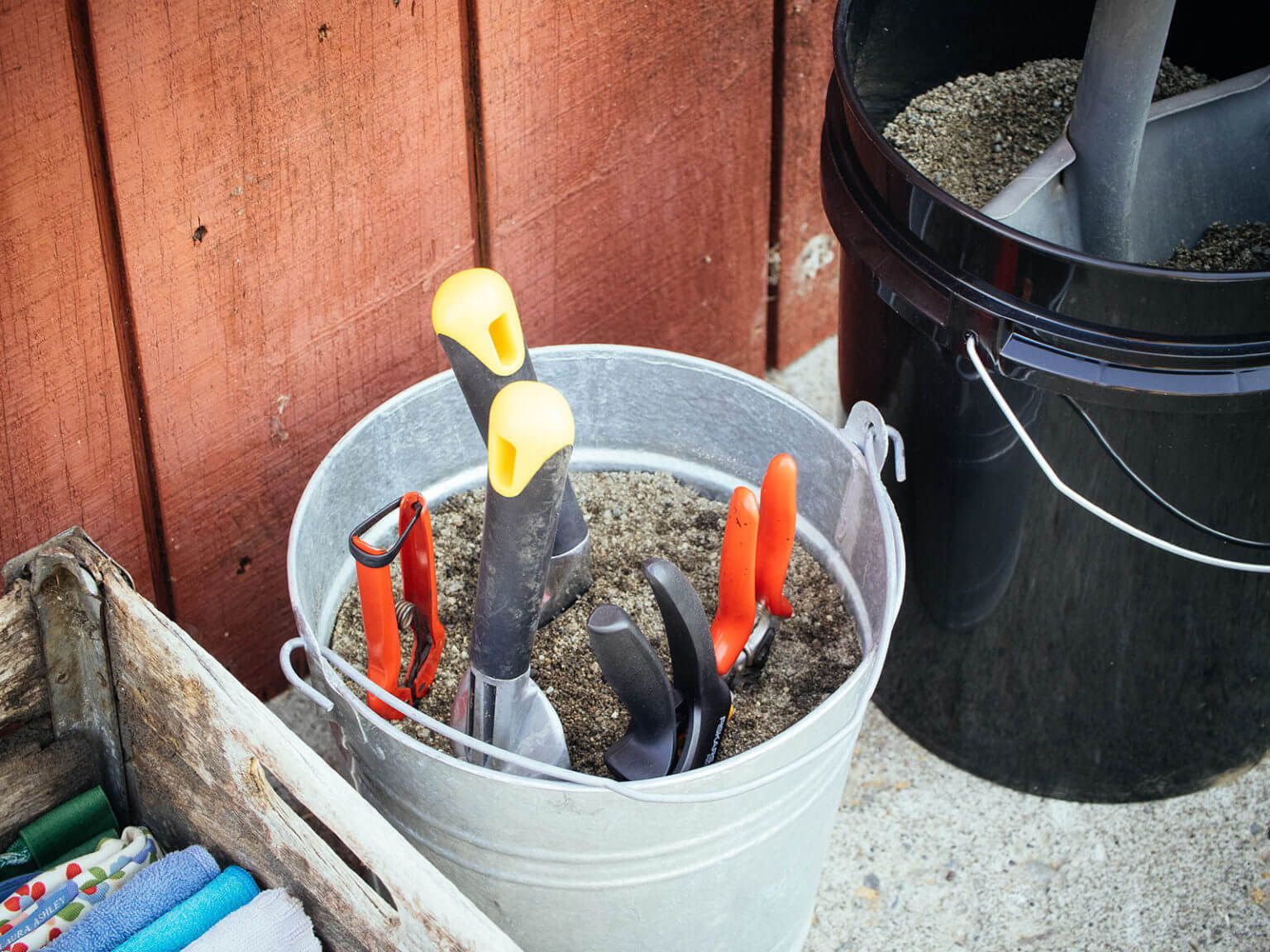
There’s something deeply satisfying about walking through a well-maintained garden with tools that gleam and function perfectly. But let’s be honest – garden tools get dirty, rusty, and worn down faster than we’d like. What if you could keep them looking and working great using nothing but ingredients from your kitchen and pantry? That’s exactly what we’re going to explore today.
Every gardener knows the frustration of reaching for a tool only to find it covered in rust, grime, or stuck dirt. The good news? You don’t need expensive commercial cleaners or harsh chemicals to keep your tools in tip-top shape. In fact, some of the most effective solutions come straight from your home. From simple vinegar and salt combinations to clever uses of citrus peels, natural cleaning methods offer powerful results while being gentle on both your tools and the environment. Whether you’re a seasoned green thumb or just starting out, understanding how to properly care for your garden tools is one of the best investments you can make in your garden’s success.
Why Natural Cleaning Works Better Than Chemical Alternatives
Chemical cleaners might promise quick results, but they often do more harm than good to your garden tools over time. These products can strip away protective coatings, accelerate rust formation, and even damage the wood handles that many tools feature. Natural alternatives work differently – they gently break down dirt and grime without causing long-term damage. For instance, vinegar’s acidity helps dissolve mineral deposits and rust, while salt acts as a mild abrasive to remove stubborn buildup. The beauty of natural cleaning is that it’s sustainable, safe for children and pets, and won’t leave toxic residues on your tools or in your garden soil. Plus, you’ll save money in the long run since most natural ingredients are readily available and inexpensive.
Essential Natural Ingredients for Tool Cleaning
You don’t need to visit a specialty store to find effective cleaning solutions for your garden tools. Here are the most powerful natural ingredients you should have on hand:
• White vinegar – excellent for removing rust and mineral buildup
• Salt – acts as a gentle scrubbing agent
• Lemon juice – adds shine and cuts through grease
• Baking soda – neutralizes odors and helps lift dirt
• Castor oil – provides protection against moisture and rust
• Ketchup – surprisingly effective at removing tarnish from metal surfaces
These simple pantry staples can handle almost any cleaning challenge your garden tools face. They’re also much gentler than commercial alternatives, which means your tools will last longer and perform better over time.
Basic Cleaning Routine for Every Tool
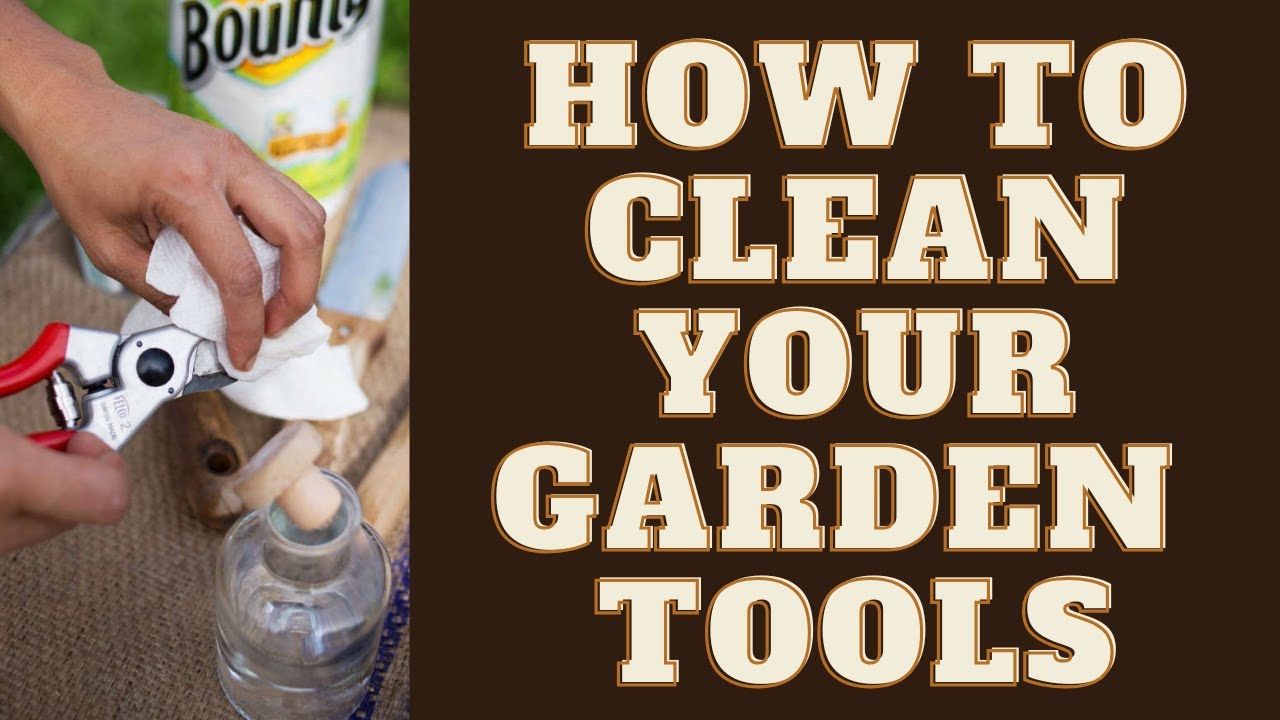
Creating a regular cleaning routine makes maintaining your garden tools much easier and more effective. Start by wiping down each tool immediately after use to prevent dirt and moisture from setting in. Then follow this simple process:
- Remove loose dirt with a brush or cloth
- Apply your chosen natural cleaner directly to the surface
- Let it sit for a few minutes to break down grime
- Scrub gently with a brush or sponge
- Rinse thoroughly with water
- Dry completely before storing
This method works for everything from shovels and rakes to pruners and trowels. The key is consistency – doing a little maintenance regularly prevents major problems later on.
Specialized Techniques for Different Tool Types
Different garden tools require slightly different approaches based on their materials and design:
• Metal tools: Use vinegar and salt mixture to tackle rust spots, then apply a thin layer of oil to prevent future corrosion
• Wooden handles: Clean with a damp cloth and mild soap, then treat with linseed oil to preserve the wood
• Plastic components: A simple solution of dish soap and warm water works wonders
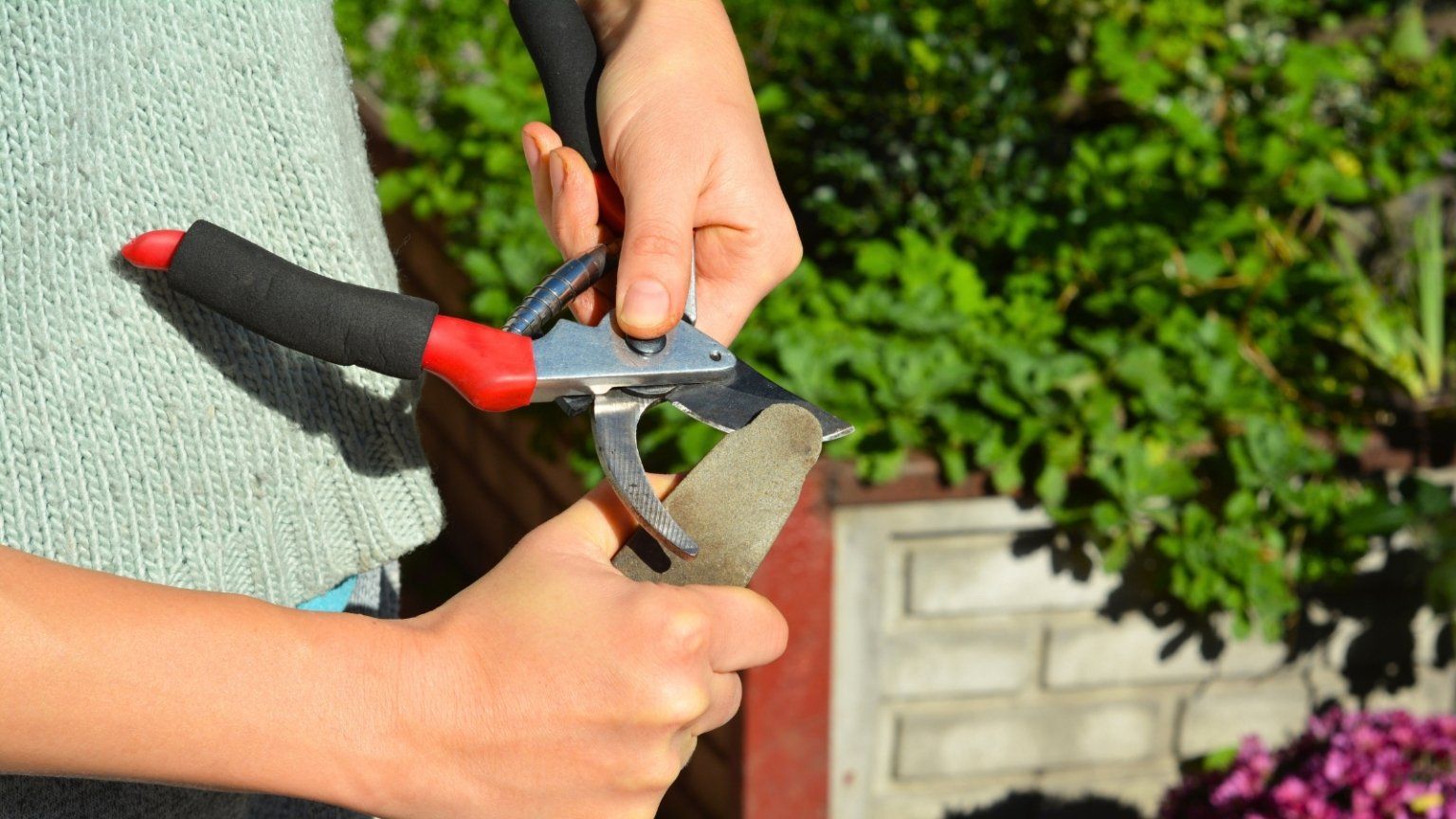
• Sharp tools: After cleaning, always sharpen blades to maintain their effectiveness
For example, a rusty shovel might benefit from a full soak in white vinegar overnight, followed by gentle scrubbing with salt to remove rust stains. This combination of acid and abrasion removes rust effectively while being much safer than chemical rust removers.
Preventing Rust and Corrosion Naturally
Rust is the enemy of garden tools, but prevention is much easier than treatment. Here are several natural strategies to keep your tools rust-free:
• Always dry tools thoroughly after cleaning
• Apply a light coating of oil to metal surfaces before storage
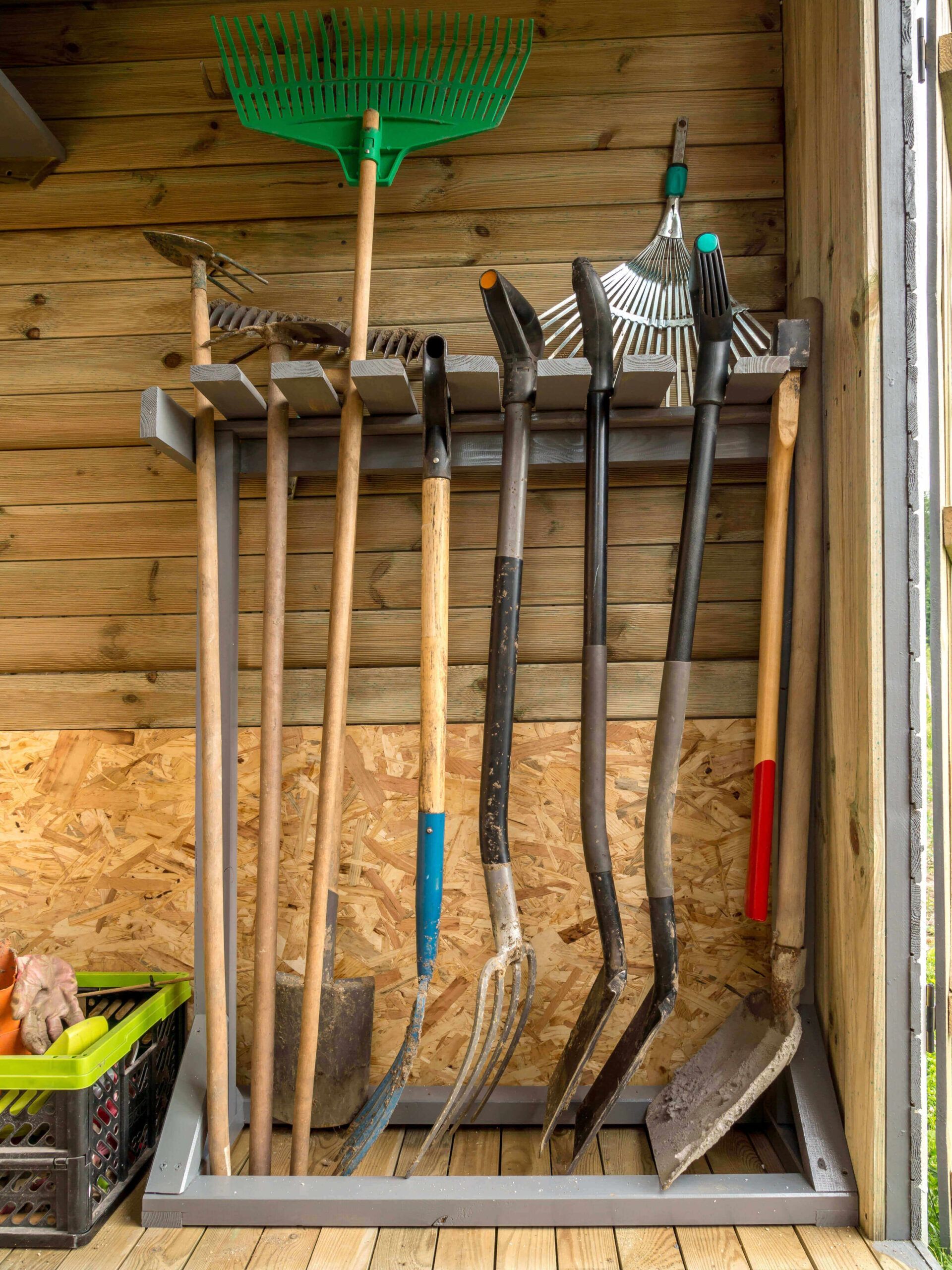
• Store tools in a dry location away from moisture
• Use a rust inhibitor made from lemon juice and salt
• Regularly inspect tools for early signs of rust
One particularly effective homemade rust inhibitor combines equal parts lemon juice and salt. Apply this mixture to any metal surfaces showing early signs of rust, then wipe clean and dry. This solution works because the citric acid in lemons helps break down iron oxide while salt provides gentle abrasion to remove loose rust particles.
Seasonal Maintenance Tips for Long-Term Tool Health
Gardening is seasonal, and so should be your tool maintenance routine. During spring and fall, give your tools extra attention:
• Before first use each season, inspect all tools for damage or wear
• Clean and oil all metal parts thoroughly
• Sharpen blades that have become dull
• Check wooden handles for cracks or splits
• Store tools properly during off-seasons
Consider keeping a small maintenance kit with basic supplies like oil, a small brush, and cleaning cloths. This way, you’re always prepared to quickly address any issues that arise. Many gardeners find that a monthly deep clean session keeps their tools in excellent condition year-round.
Taking care of your garden tools doesn’t have to be complicated or expensive. By using simple natural ingredients and following a consistent cleaning routine, you can keep your tools performing at their best for years to come. The key is starting small – perhaps with just one or two techniques – and building from there. You’ll notice the difference immediately in how your tools feel and function. More importantly, you’ll be contributing to a healthier garden environment by avoiding harsh chemicals. Your garden tools deserve the same care and attention you give your plants. With these natural cleaning methods, they’ll continue serving you faithfully season after season.